How to Translate Terciopelo Into English Simply
Struggling to find the perfect way to translate “terciopelo into English? You’re not alone. Many people struggle with capturing the softness and luxury of this fabric in just one word. Whether you’re working on a fashion project or decorating a space, getting it right can feel tricky.
You’ll usually translate “terciopelo” simply as “velvet” when referring to its soft, plush fabric and luxurious feel. Use “velvet” especially in fashion, décor, or textile contexts to capture its elegance and rich texture.
Be mindful, though, that cultural and historical nuances can affect the best choice. If you want to master how to convey its softness, tradition, and style across contexts, there are helpful details that can guide you further.
Key Takeaways
- “Terciopelo” translates simply as “velvet,” referring to a soft, dense, and luxurious fabric.
- Use “velvet” when highlighting fabric texture, richness, or elegance in English.
- Consider cultural context to preserve “terciopelo’s” association with luxury and tradition.
- In casual contexts, alternatives like “plush” or “soft fabric” may better convey tone.
- Avoid literal translation mistakes by recognizing “terciopelo” differs from similar fabrics like suede or corduroy.
What Does “Terciopelo” Mean in English?

The word “terciopelo” translates to “velvet” in English. When you examine its historical origins, you’ll find that terciopelo has long been associated with luxury and elegance.
Originating from luxurious fabrics in medieval Europe, velvet became a symbol of wealth and status. This rich textile’s cultural significance extends beyond clothing; in many Spanish-speaking cultures, it represents sophistication and tradition in art and décor.
When you use the word terciopelo, you’re tapping into this deep-rooted history of opulence and refinement. Understanding this background helps you appreciate why terciopelo isn’t just any fabric. It’s a term loaded with cultural meaning.
When to Use “Velvet” for Terciopelo

When should you choose “velvet” as the translation for terciopelo? You’ll want to use “velvet” when referring to the fabric known for its soft, dense pile and luxurious feel. Understanding the historical origins helps here. Velvet has been prized since medieval times, often symbolizing wealth and nobility. This cultural significance carries over when you translate terciopelo, especially in contexts discussing fashion, upholstery, or traditional garments.
If the text highlights richness or elegance tied to the material, “velvet” perfectly captures that essence. Since terciopelo directly corresponds to this textile, using “velvet” maintains both accuracy and the implied status the fabric holds. So, when the focus is on the fabric’s texture or its role in cultural traditions emphasizing refinement, “velvet” is your go-to choice. It preserves the historical and cultural weight embedded in the word terciopelo, ensuring your translation feels authentic and meaningful.
How Different Contexts Affect Terciopelo’s Translation
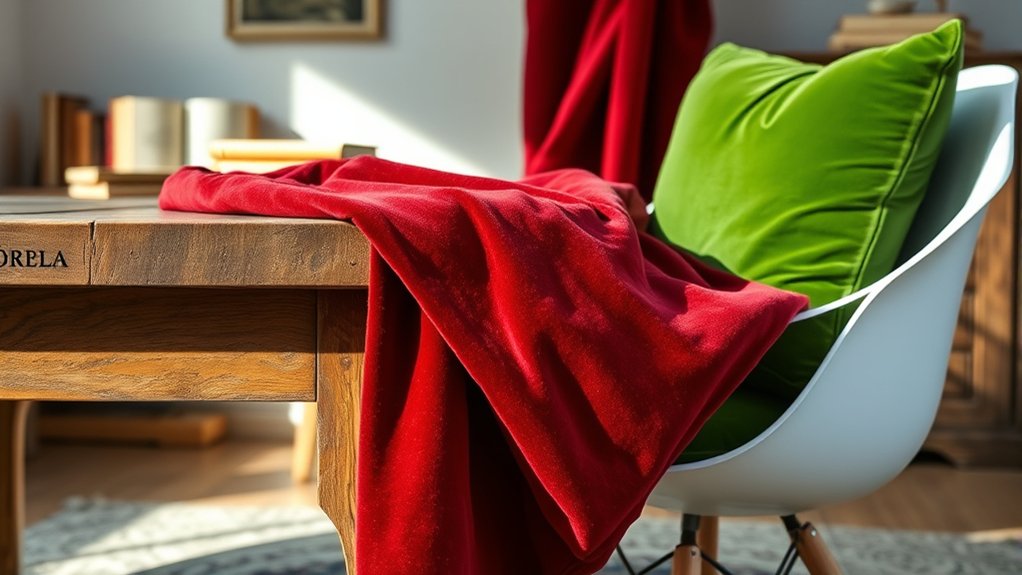
Although terciopelo often translates directly to “velvet,” its meaning can shift depending on the context you’re working with. You need to take into account cultural significance and historical usage to choose the best English equivalent.
For example, in literature or historical texts, terciopelo might symbolize luxury or nobility, affecting how you translate it. In everyday speech, it usually refers to the fabric itself.
Here’s a quick guide to help you:
| Context | Possible Translation |
|---|---|
| Historical texts | Velvet, plush, or velour |
| Cultural references | Velvet (emphasizing status) |
| Colloquial speech | Velvet (literal fabric) |
Understanding these nuances ensures your translation captures more than just the word. It conveys meaning shaped by history and culture. Always look beyond the surface to reflect terciopelo’s deeper context accurately.
Translating Terciopelo in Fashion and Textiles
When you translate terciopelo in fashion, it’s important to think about the fabric’s characteristics and how it stacks up against velvet. Terciopelo usually points to a specific kind of velvet that has its own unique texture and weight. So, understanding where and how it’s commonly used will really help you pick the right English term.
Terciopelo Fabric Characteristics
Because you’re dealing with a unique textile, understanding terciopelo’s fabric characteristics is essential for accurate translation. This fabric is known for its plush texture, excellent fabric durability, and remarkable color longevity. These qualities make it a popular choice in fashion and upholstery. When translating, you’ll want to convey them clearly to maintain its essence.
| Characteristic | Description | Importance in Translation |
|---|---|---|
| Texture | Soft, dense pile | Highlights luxury feel |
| Fabric Durability | Resistant to wear and tear | Emphasizes long-lasting use |
| Color Longevity | Retains vibrant colors over time | Ensures accurate color portrayal |
| Weight | Medium to heavy | Reflects fabric quality |
| Usage | Apparel, upholstery, accessories | Guides context-specific terms |
Understanding these traits helps you choose precise English terms and preserve terciopelo’s identity.
Velvet Vs. Terciopelo
While terciopelo and velvet share a similar plush texture, you can’t always use them interchangeably in translation. Terciopelo carries unique cultural significance, especially in Latin American fashion, reflecting vibrant traditions and craftsmanship.
Velvet, with its European historical origins, often represents luxury and formality in English contexts. When translating, consider these cultural nuances to maintain accurate meaning.
If you simply substitute terciopelo with velvet, you risk losing the cultural depth embedded in the term. Understanding the historical origins helps you appreciate why terciopelo might imply specific regional styles or uses that velvet does not.
Terciopelo Use Cases
Understanding the cultural weight behind terciopelo helps you recognize its specific applications in fashion and textiles. When you translate terciopelo, consider how its color symbolism and cultural significance shape its use.
Here’s how you’ll see terciopelo applied:
- Formal wear: Terciopelo’s rich texture and deep colors often symbolize luxury and status, making it ideal for elegant gowns and suits.
- Traditional garments: In many cultures, terciopelo carries historical importance, used in ceremonial outfits that honor heritage.
- Home décor: Its plush feel and vibrant hues add warmth and sophistication to upholstery and draperies.
Translating Terciopelo for Interior Design
When you translate terciopelo for interior design, you’ll want to focus on its rich texture and luxurious feel. It’s all about that soft, plush vibe that instantly adds warmth and elegance to any room.
Think about the color choices, too. Terciopelo comes in deep, vibrant hues that can really make your space pop or create a cozy, inviting atmosphere.
And if you’re wondering how to style it, there are plenty of tips to help you blend this fabric seamlessly into your decor. From cushions to drapes, terciopelo can elevate your design effortlessly.
Terciopelo Fabric Characteristics
Since terciopelo is known for its rich texture and luxurious feel, you’ll often find it used in upscale interior design. Understanding its fabric characteristics helps you appreciate why.
First, the fiber composition plays a big role. Terciopelo is usually made from cotton, silk, or synthetic fibers, each affecting durability and softness.
Second, the manufacturing process involves weaving cut or uncut pile, creating that signature plush surface you recognize. Third, its dense weave contributes to insulation and sound absorption, making rooms feel cozy and quiet.
When you translate terciopelo for interior design, keep these points in mind to capture its essence accurately. This way, you’ll communicate both its tactile qualities and practical benefits effectively.
Color Choices for Interiors
How do color choices impact the use of terciopelo in interior design? When you select colors for terciopelo fabric, you’re not just picking shades. You’re setting a mood. Color symbolism plays a huge role; deep reds evoke passion and warmth, while rich blues bring calm and sophistication.
Using terciopelo in bold jewel tones makes striking interior accents that draw attention without overwhelming the space. On the other hand, muted hues like soft grays or blush pinks create subtle elegance and cozy comfort.
Styling Tips With Terciopelo
Although terciopelo may seem luxurious and bold, you can style it in ways that fit both modern and traditional interiors. Understanding its fabric history and cultural significance helps you appreciate its versatility.
Here are three tips to make the most of terciopelo in your space:
- Mix Textures: Combine terciopelo with smooth fabrics or natural materials to balance richness with simplicity.
- Highlight Statement Pieces: Use terciopelo on accent chairs or cushions to add depth without overwhelming the room.
- Play with Colors: Celebrate terciopelo’s wide color range, from jewel tones to neutrals, to complement your existing palette.
Common Mistakes to Avoid When Translating Terciopelo
When you translate “terciopelo,” you need to watch out for common pitfalls that can change its meaning or tone. One major mistake is ignoring the cultural connotations tied to the word. Terciopelo isn’t just any fabric; it often implies luxury, warmth, and even tradition in Spanish-speaking cultures. Overlooking these layers can lead to bland or inaccurate translations.
Another frequent error involves neglecting the historical usage of terciopelo, which sometimes refers to specific styles or types of velvet with distinct textures and weights. Simply translating it as “velvet” without context might miss these nuances.
Also, avoid literal translations that don’t fit the context, like confusing terciopelo with other soft fabrics such as suede or corduroy. By keeping cultural and historical context in mind, you’ll ensure your translation respects the original meaning and tone, making your English version both precise and rich.
Alternatives to “Velvet” for Terciopelo in Casual Speech
Understanding the cultural and contextual nuances of “terciopelo” helps you choose the right English word beyond the straightforward “velvet.” In casual conversations, native speakers often prefer alternatives that capture the softness or feel without sounding overly formal.
Due to cultural variations, translation challenges arise when you try to find a perfect casual equivalent. Here are three alternatives to take into account:
- Plush – It conveys a soft, luxurious feel, often used informally.
- Soft fabric – A simple, descriptive phrase that works when you want to avoid specific terms.
- Fuzzy – Sometimes used to describe a texture similar to certain types of terciopelo, especially in relaxed settings.
Each option helps you adapt your speech depending on tone and context. By recognizing these subtleties, you’ll communicate more naturally and avoid awkward translations that don’t fit casual English conversation.
How to Describe Terciopelo’s Texture in English
Since terciopelo has a unique texture that combines softness with a slight pile, you’ll want to choose words that capture both its smoothness and gentle thickness. When describing terciopelo’s texture in English, think about texture comparison. It’s not just soft like silk; it has a plush, velvety feel that adds depth.
You might say it’s smooth yet slightly fuzzy, with a rich, tactile quality that invites touch. Understanding the cultural significance of terciopelo also helps you describe it better. In many cultures, this fabric symbolizes luxury and warmth, which reflects its dense, comforting texture.
Examples of Terciopelo in Different Sentences
Now that you know how to describe terciopelo’s texture, let’s take a look at how it works in different sentences. You’ll find examples showing terciopelo in various contexts. This will help you get a good grasp of how to use it properly. And trust me, it’ll make translating and applying the word a whole lot easier.
Terciopelo In Context
How do you use “terciopelo” naturally in everyday speech? Understanding its cultural significance and historical origins helps you grasp its full meaning. “Terciopelo” literally means velvet, but its use often reflects elegance and tradition in Spanish-speaking regions.
Here’s how you might encounter “terciopelo” in context:
- When describing fabric: “Este vestido está hecho de terciopelo,” emphasizing luxury.
- In art or décor: “El sofá de terciopelo añade un toque clásico.”
- Figuratively: “Su voz es como terciopelo,” highlighting smoothness and softness.
Sentence Examples Explained
Although “terciopelo” primarily refers to velvet fabric, you’ll find it used in various ways that reveal its rich connotations. When you see “terciopelo” in sentences, it often highlights texture or luxury, reflecting historical uses where velvet symbolized wealth and status.
For example, “El vestido de terciopelo era un símbolo de poder” shows how the fabric connects to cultural significance. You might also encounter metaphoric uses, like “su voz era suave como terciopelo,” comparing softness or elegance.
Understanding these sentence examples helps you grasp how “terciopelo” goes beyond literal fabric, embodying emotions, heritage, and refinement. So, when translating, consider both the direct meaning and these deeper cultural layers to choose the most fitting English equivalent.
Practical Tips for Confidently Translating Terciopelo
Since “terciopelo” can refer to both a fabric and a metaphorical concept depending on context, you’ll want to take into account the surrounding text carefully before choosing its English equivalent. To confidently translate “terciopelo,” focus on its cultural significance and linguistic nuances.
Here’s how you can do it effectively:
- Analyze context: Determine if “terciopelo” describes the fabric or represents softness, luxury, or smoothness metaphorically. This guides your word choice.
- Choose the right term: For fabric, use “velvet.” For metaphorical uses, consider “smoothness,” “luxury,” or even “silkiness,” depending on tone and style.
- Respect cultural nuances: Some expressions might carry cultural weight not directly translatable. In these cases, adapt your translation to preserve meaning and emotional impact.
Frequently Asked Questions
What Is the Origin of the Word “Terciopelo”?
You’ll find that the word “terciopelo” originates from Spanish, rooted in the Latin term “tertius,” meaning third. This hints at the fabric’s layered texture.
When exploring its linguistic origins, you’ll notice translation nuances. It typically means “velvet” in English but can imply softness or luxury beyond just the fabric.
Understanding these subtleties helps you grasp how language shapes meaning in different cultural contexts.
Are There Any Cultural Significances Tied to Terciopelo?
You’ll feel the rich history when you touch terciopelo, a fabric woven into luxury fashion for centuries. Imagine velvet gowns in royal courts or elegant capes draping nobles. Terciopelo carries deep cultural significance.
It’s tied to historical references of power and opulence, symbolizing status and refinement. Wearing or seeing terciopelo connects you to traditions where beauty and prestige blend, making it much more than just a soft, plush material.
How Is Terciopelo Produced Traditionally?
You produce terciopelo traditionally by weaving fine threads tightly to create its distinctive soft fabric textures. After weaving, artisans carefully use specialized dyeing techniques to give the fabric rich, vibrant colors without compromising its velvety feel.
This process often involves hand-dyeing in natural dyes, which amplifies the fabric’s depth and sheen. By focusing on these steps, you guarantee terciopelo maintains its luxurious look and signature smooth touch.
Can Terciopelo Have Meanings Beyond Fabric?
Yes, terciopelo can have meanings beyond fabric. Did you know that over 70% of people associate velvet with luxury and comfort?
When you hear terciopelo, you’re not just thinking of a luxurious texture; you’re tapping into velvet symbolism, ideas of elegance, passion, and warmth. So, it’s more than material.
It often represents richness in emotion and style, making it a powerful word in culture and art.
Is Terciopelo Used in Any Idiomatic Expressions?
Yes, you’ll find that “terciopelo” is used in idiomatic expressions and metaphorical usage in Spanish. People often use it metaphorically to describe something soft, smooth, or luxurious beyond just fabric, like “voz de terciopelo” to mean a very smooth, soothing voice.
Conclusion
When you translate “terciopelo,” picture running your fingers over a soft, rich fabric that catches the light just right. Whether you call it velvet or choose another word, you’re capturing that lush, smooth feeling.
Trust your sense of context and texture, like a warm, elegant hug in fabric form, to guide you. With practice, you’ll effortlessly bring “terciopelo” to life in English, making your descriptions as vivid as the fabric itself. Remember, understanding “terciopelo” means feeling the softness in every word you choose.