What Are Knit Fabrics?
Finding comfortable clothes that move with you without feeling tight or restrictive can be a real challenge. If you’ve ever struggled to find fabrics that offer both stretch and softness, you’re not alone. Many people want garments that feel good all day long, whether they’re working out, lounging, or running errands.
Knit fabrics are textiles you get by looping yarns together instead of weaving threads. That structure gives them natural stretch, softness, and a comfortable drape, so they move with your body and feel less restrictive.
You’ll often find them in T-shirts, sweaters, leggings, and loungewear. Common examples include jersey, rib, interlock, and fleece knits.
If you want to understand how they’re made and which type suits your needs best, there’s more to investigate.
Key Takeaways
- Knit fabrics are textiles made by looping yarns together, not weaving them. This gives them stretch and flexibility.
- They feel soft, drape well, and are comfortable for close-fitting clothing because of their natural elasticity.
- Common knit types include jersey, rib, interlock, purl, fleece, and performance knits.
- Knit fabrics are often used for T-shirts, sweaters, leggings, dresses, loungewear, and fitted tops.
- They need gentle care because they can pill, snag, stretch out, or lose shape if handled roughly.
What Are Knit Fabrics
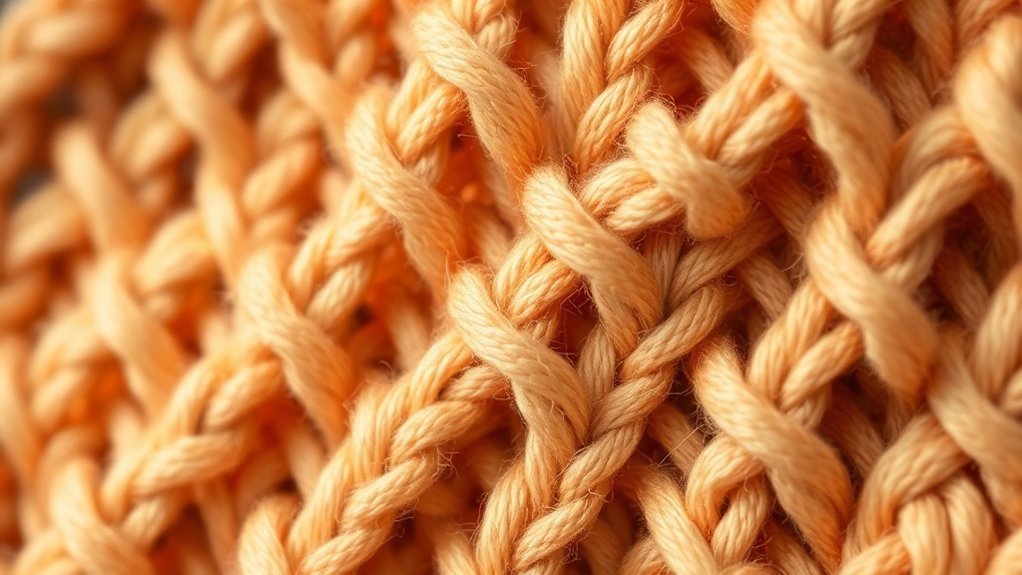
Knit fabrics are textiles made by looping yarns together, rather than weaving them in a crisscross pattern. You’ll recognize them by their natural stretch, soft hand, and comfortable drape, which make them popular in clothing you wear close to the body.
Unlike rigid textiles, they adapt to movement and often feel less restrictive. You can find many knit fabric types, including jersey, rib, interlock, and purl, each offering a different balance of stretch, thickness, and surface texture.
Knit fabrics move with the body, offering less restriction and a range of textures, stretch, and structure.
Knit fabric history goes back centuries, with early hand-knit garments appearing long before modern machinery expanded production. Today, you’ll see knit fabrics in T-shirts, sweaters, dresses, activewear, and underwear because they combine comfort with versatility.
Their structure also helps them recover shape after wear, giving them practical appeal for everyday use and style.
How Knit Fabrics Are Made

To make knit fabrics, you loop yarns together in a repeated pattern, either by hand or with knitting machines. You can choose different yarn types to change the fabric’s feel, stretch, and durability. Smooth cotton yarn creates a breathable result, while wool adds warmth and natural elasticity. Synthetic yarns can boost strength, help the fabric hold shape, or improve easy care.
Your knitting techniques also shape the final fabric. You might use plain stitches for a simple surface, purl stitches for texture, or combine both to create ribbing, cables, and other designs. As you knit, each new loop locks into the previous one, so the fabric grows row by row. This structure gives knit materials their flexible nature and soft drape.
If you work by hand, you control every stitch. If you use machines, you speed up production while keeping the same looping principle.
Knit Fabrics vs Woven Fabrics
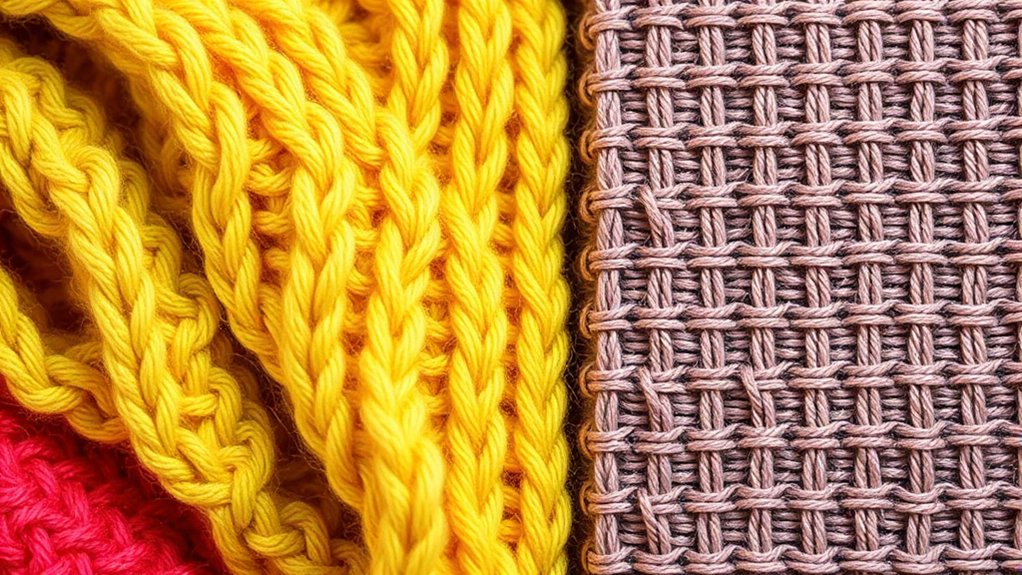
When you compare knit fabrics with woven fabrics, you’ll notice their fiber structures are quite different. Knits loop yarns together, while wovens cross threads at right angles. Because of that, knits have more stretch and better recovery—they move with you more easily.
You’ll also see each fabric used for different things. Knits are great for comfy tees and leggings, whereas wovens are often found in structured shirts and upholstery. It’s pretty interesting how the construction changes what the fabric is best for!
Fiber Structure Differences
Although both knit and woven fabrics start with yarn, their fiber structures are built very differently. Woven fabrics interlace yarns at right angles, while knit fabrics form connected loops that run together in rows.
When you compare them, you’ll notice how fiber types and structure variations shape performance. Knit construction usually creates softer texture differences, while woven cloth often feels firmer.
Those structural choices also affect moisture absorption, thermal properties, and design implications, so you can match each fabric to the right use. You’ll also see distinct weight classifications and production methods: knitting typically uses loop-based machines, while weaving relies on crossing yarns.
These durability factors influence how each fabric stands up to wear, giving you practical options for garments, home textiles, and technical applications.
Stretch And Recovery
Knit fabrics usually stretch more and bounce back better than woven fabrics because their looped structure can move and then return to shape. You’ll notice stronger elastic properties when you pull them, and their recovery techniques help the fabric settle without feeling rigid.
Wovens offer lower stretch ratios, so you get firmer fit variations and less give. That difference matters when you compare comfort levels and movement dynamics, especially in performance fabrics.
Fiber choice also matters: fabric blends can improve recovery, wear resistance, or both. You can use these qualities in design applications that need ease, shape retention, or flexibility.
When you choose knits, you’re choosing fabric that adapts with you instead of resisting every motion, which makes everyday wear feel more natural.
Common Fabric Uses
In everyday apparel, knits are often chosen for T-shirts, activewear, loungewear, leggings, and other garments that need stretch and comfort. Wovens show up more in button-downs, trousers, jackets, and structured pieces that need crisp shape and stability. You’ll see knits follow fashion trends through jersey tees, ribbed sets, and sleek athleisure.
You can pick fabric innovations and sustainable options for softer knits with less waste. Print techniques work well on smooth jerseys, while garment construction matters more in woven tailoring.
- Picture a jersey tee draping over jeans.
- Picture a woven blazer holding sharp shoulders.
- Picture seasonal uses shifting from airy knits to sturdy layers.
When you compare texture variations, you’ll also find maintenance tips easier with knits that wash and wear well.
Why Knit Fabrics Stretch So Well
You’ll notice that knit fabrics stretch so easily because their looped structure gives each yarn room to move. Unlike tightly locked woven threads, these loops can open and shift when you pull them. That flexibility in the yarns helps the fabric bend, recover, and fit comfortably. It’s kind of like the fabric is designed to move with you, making it super comfortable to wear. So, when you stretch a knit, those loops just adjust and then snap back into place without any trouble.
Loop Structure
At the heart of knit fabric’s stretch lies its looped structure. Yarn bends into interlocking loops instead of lying in a tight grid, so the fabric can open, shift, and recover when you pull it. You can picture each loop as a tiny hinge working with the next one, giving you easy movement in every direction.
The fabric’s loop characteristics shape how much give you feel, while different loop types change the surface and stretch pattern.
- Imagine soft rows of linked rings widening like a gentle chain.
- Picture the loops sliding apart like springs under light tension.
- See the cloth settling back into place after release.
Yarn Flexibility
Why does knit fabric stretch so easily? You’re seeing yarn flexibility at work: each strand bends, twists, and slides instead of locking rigidly in place. Different yarn types change how much give you feel, while elasticity factors such as twist, crimp, and recovery shape the fabric’s bounce.
Your fiber content matters too. Cotton, wool, polyester, and spandex each behave differently under tension. Even yarn weight influences stretch because lighter yarns can move more freely. Knitting patterns and stitch styles also create room for movement by forming loops that open and close.
Dyeing techniques can slightly affect softness and stiffness, and blend properties combine strengths from multiple fibers. This helps you choose knits that feel resilient, comfortable, and flexible in daily wear.
Common Types of Knit Fabrics
Knit fabrics come in several common forms, and each one brings a different balance of stretch, structure, and comfort. You’ll often see jersey knits, the smooth, flexible basics; ribbed knits, which add spring and texture; and interlock fabrics, which feel denser and more stable.
Fleece knits give you warmth, while performance knits manage motion with easy stretch. You can also find lightweight knits for airy softness, heavy knits for a firmer feel, seamless knits for a clean finish, and patterned knits for visual interest.
Fleece knits bring warmth, while performance knits stretch with motion for comfort that moves with you.
- Picture a T-shirt draping like a soft wave across your hand.
- Imagine a ribbed cuff hugging the wrist with tidy ridges.
- See a fleece knit as a cozy, brushed layer on a cool morning.
Because knit structures interloop yarns, you get stretch knits that move with you instead of resisting.
Best Uses for Knit Fabrics
When you need comfort, flexibility, and ease of movement, knit fabrics are often the best choice. You can wear them for T-shirts, sweaters, leggings, dresses, and activewear because they stretch with your body and recover well.
For everyday outfits, knits help you move comfortably while still looking polished. If you follow fashion trends, you’ll notice knit pieces often appear in casual sets, fitted tops, and layered looks.
Their fabric versatility lets you dress them up with tailored jackets or keep them relaxed with sneakers and denim. You can also rely on knits for loungewear, sleepwear, and children’s clothing, where softness matters most.
In home sewing, they work well for simple garments that don’t need stiff structure. Whether you want a relaxed weekend outfit or a fitted style, knit fabrics give you options that suit comfort, style, and practicality.
Why Knit Fabrics Work So Well in Clothing
Knit fabrics work so well in clothing because they stretch and flex with your body. This means you get a fit that moves with you instead of fighting against you. Plus, you get comfort and breathability, which helps you stay relaxed and cool all day long. That flexibility makes it easier to move naturally, whether you’re working, exercising, or just going about your day.
Stretch And Flexibility
Stretch is the secret advantage that makes knit fabrics so comfortable and practical in clothing. You feel the fabric move with you because its loops give it natural elastic properties and a forgiving drape. That flexibility lets your shirt, sweater, or leggings follow your shape without stiff resistance.
When you choose knits, you also benefit from smart stretch limits, so the material expands and still returns to form. Designers consider recovery techniques and performance factors to balance give, fit, and durability.
- Picture a sleeve that bends as you reach overhead.
- Imagine a dress that skims, then springs back after sitting.
- Think of cuffs that hug your wrists without pinching.
Comfort And Breathability
Beyond stretch, knit fabrics feel good because their open loop structure helps air move and lets the material sit lightly against your skin. You notice a soft texture that reduces scratchy contact, so shirts, dresses, and layers feel pleasant through long wear.
Because the yarns aren’t packed as tightly as in many woven fabrics, heat can escape more easily, which helps you stay cooler. Many knits also support moisture management, pulling sweat away from your body so it can dry faster.
That balance of airflow, softness, and quick drying makes knit clothing a smart choice for everyday comfort. When you wear knit pieces, you get a fabric that feels gentle, breathable, and easy to live in without adding unnecessary bulk or stiffness.
Easy Movement
Movement is where knit fabrics really shine, because their looped structure gives the material natural give in every direction. You feel that freedom when you reach, bend, or twist, and the fabric moves with you instead of fighting back. That stretch creates an effortless fit, so your clothes hug your shape without feeling restrictive.
Knit garments also develop a dynamic drape that follows your motion and softens sharp lines for a smoother look.
- You lift your arms, and the fabric expands.
- You walk, and the cloth flows with each step.
- You sit, and the garment settles without pulling.
That flexibility makes knits ideal for everyday wear, active outfits, and styles that need comfort and clean movement all at once.
Common Problems With Knit Fabrics
Although knit fabrics offer comfort and flexibility, they can also cause a few common headaches if you don’t handle them carefully. You may notice pilling issues when fibers rub together during wear, especially on areas like elbows, thighs, and underarms.
Loose constructions can also reduce seam stability, so your garment might twist, stretch, or pull out of shape. If you tug too hard, you can create fabric distortion that leaves hems wavy and panels uneven.
Loose knit constructions can weaken seams, causing twisting, stretching, and wavy hems if handled too roughly.
Darker or richly dyed knits may show color fading sooner than you expect, particularly in spots exposed to friction and light. You should also watch for snagging problems, since rings, zippers, and rough surfaces can catch loops and leave visible runs.
To limit damage, read the care instructions on the label and choose fabrics suited to your needs, because the wrong knit can wear poorly fast.
How to Care for Knit Fabrics
Caring for knit fabrics starts with gentle handling, since the same stretch and softness that make them comfortable can also make them vulnerable to damage. You should use smart care techniques that protect the loops, keep seams from twisting, and support color preservation.
Follow washing recommendations on the label, then treat spots quickly with mild stain removal instead of scrubbing hard. For drying methods, lay knits flat on a clean towel so they keep their shape.
Use these maintenance tips to extend wear:
- Picture a sweater resting on a towel, air-drying in a bright, quiet room.
- Imagine folded tees stacked neatly in a drawer, safe from stretching.
- See a low-heat iron hovering with a cloth barrier, never pressing directly.
Choose storage solutions that avoid hangers for heavy pieces, and use ironing guidelines sparingly with steam. These fabric protection and longevity strategies help your knits stay soft, tidy, and ready to wear.
How to Choose the Right Knit Fabric
Choosing the right knit fabric starts with matching the material to how you’ll wear it. You’ll want a stable knit for structured garments, a stretchy jersey for everyday comfort, or a heavier rib or sweater knit for warmth and drape. You should also check fabric types, fiber content, and recovery before you buy because each affects fit and durability.
| Need | Best choice | Why |
|---|---|---|
| Structure | Ponte or double knit | Holds shape well |
| Comfort | Jersey | Breathes and stretches |
| Warmth | Rib or sweater knit | Adds loft and drape |
Look at knit patterns, too, since tighter constructions resist curling and fraying better. If you’re sewing beginners’ projects, choose medium-weight knits with predictable stretch. For activewear, pick technical blends that wick moisture and spring back.
When in doubt, test a swatch, stretch it, and see whether it returns smoothly. That simple check helps you avoid surprises and choose a knit that suits your project.
Frequently Asked Questions
Can Knit Fabrics Be Recycled Easily?
Yes, you can recycle some knit fabrics, but it isn’t always easy. You need to check fiber content because cotton and wool usually work better than blended synthetics.
Your sustainability practices improve when you sort garments correctly and use local recycling processes or textile drop-offs. If the fabric contains elastane, zippers, or heavy dye, recycling gets harder.
You can also reuse, repair, or donate knits before recycling them.
Are Knit Fabrics Suitable for Upholstery?
Yes, you can use knit fabrics for upholstery, but you’ll need to weigh comfort against durability. Their soft stretch and rich texture variations can make a chair feel inviting. Yet that same give can create durability concerns in high-traffic spaces.
You’ll get a cozy, modern look, but you should choose tightly constructed knits, use proper backing, and test them for wear before you commit to a whole room.
Do Knit Fabrics Pill More Than Other Materials?
Yes, you’ll often see knit fabrics pill more than smoother woven materials. Loose fibers rub together, and that friction creates pilling causes, especially in high-wear areas.
You can reduce it with proper fabric care: wash gently, avoid overloading the machine, and use a fabric shaver when needed. Higher-quality knits with tighter construction usually resist pilling better, so you should check fiber content and weave before you buy.
Can Knit Fabrics Be Waterproofed?
Yes, you can waterproof knit fabrics, but you’ll get the best results when you match the treatment to the knit fabric types. You can use spray coatings, wax-based waterproof techniques, or laminate backing for stronger protection.
Keep in mind, stretchy knits may need reapplication and won’t stay fully waterproof forever. If you test a small area first, you’ll avoid damage and choose the method that works best for your project.
Are Knit Fabrics Good for Beginners to Sew?
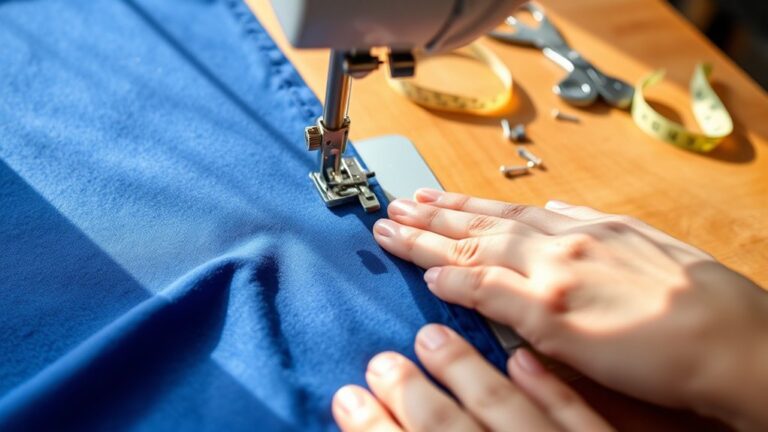
Yes, knit fabrics are often good for beginners to sew because you can practice simple sewing techniques on stretchy fabric types. You’ll want to start with stable knits, like ponte or interlock, since they’re easier to handle than slippery materials.
Use a ballpoint needle, stretch stitch, and clips instead of pins. With a little practice, you’ll learn to control the fabric and create comfortable, forgiving garments.
Conclusion
Now you know what knit fabrics are and why they’re such a smart choice for clothing. You’ve seen how they’re made, how they differ from woven fabrics, and why they stretch so comfortably.
Whether you’re choosing jersey for a T-shirt or rib knit for a fitted piece, the right fabric can make all the difference. Keep care in mind, and you’ll stay ahead of the game when picking knits that work for your needs.
Remember, understanding knit fabrics helps you select the best options for comfort and style every time.