10 Best Ways to Buy Bulk Fabric Rolls
Finding the perfect bulk fabric rolls for your projects can feel overwhelming. You want quality materials without breaking the bank, but navigating endless options and confusing pricing is frustrating.
If you’ve ever struggled to find reliable suppliers or worried about ordering too much fabric that might go to waste, you’re not alone.
To buy bulk fabric rolls well, match the fabric type to your project, then compare suppliers on quality, pricing, and lead times.
Check fiber content, certifications, shrinkage, and roll consistency, and order swatches before you commit.
Compare total cost, not just price per yard, and look for volume discounts, shipping fees, and minimums.
Measure your yardage carefully, confirm return terms, and avoid buying more than you’ll use.
Keep going for smarter ways to save and choose better.
Key Takeaways
- Match fabric type to your project, considering breathability, durability, stretch, drape, and care requirements.
- Compare suppliers on total cost, not just yard price. Look at minimums, hidden fees, discounts, and payment terms.
- Check quality standards, certifications, and inspection practices for sample swatches and full rolls.
- Evaluate shipping methods, lead times, packaging, and insurance to avoid delays and damage.
- Calculate yardage carefully, allow for shrinkage and waste, and confirm continuous cuts before ordering.
Choose the Right Fabric Roll Type
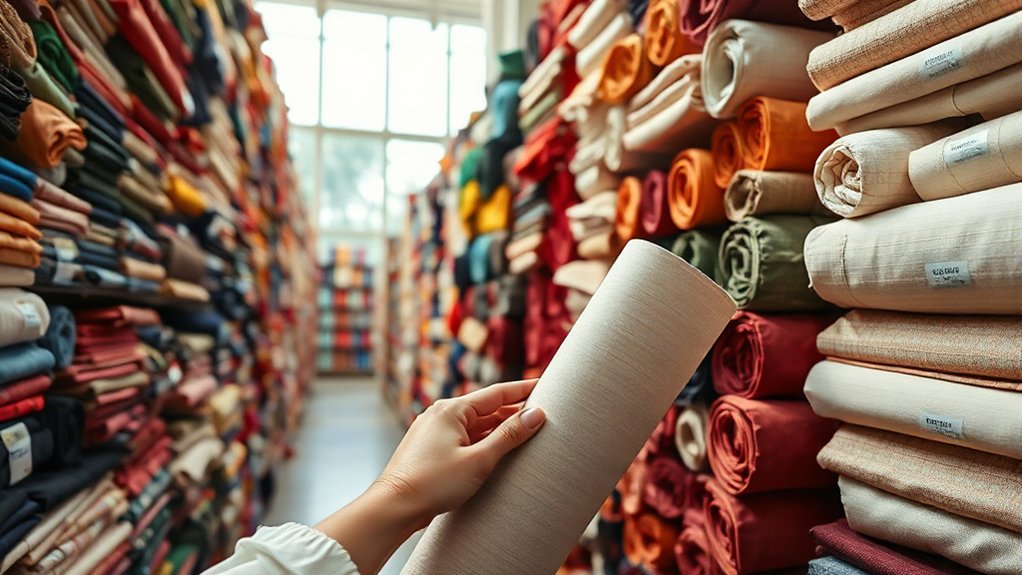
Before you buy bulk fabric rolls, choose the right type for your project, because the weave, fiber, and finish all affect how the material performs. Start by matching each fabric type to your end use: cotton works well for breathable apparel, polyester suits durable decor, and blends can balance comfort with strength.
Check the weight and drape so the roll handles the way you expect during cutting and sewing. If you need stretch, look for knit construction; if you need structure, choose a stable woven option.
Review usage guidelines for cleaning, heat exposure, and abrasion, since these details affect lifespan and care. You should also test a sample before committing, because color, texture, and hand feel can shift from photos to reality.
When you define performance needs first, you can narrow your choices quickly and avoid buying fabric that won’t meet your project’s demands.
Compare Bulk Fabric Suppliers

When you compare bulk fabric suppliers, it’s important to take a close look at their pricing models. This way, you can find the best value for your order without breaking the bank.
Next, you’ll want to check the fabric quality standards. After all, you need to make sure each roll meets your specific needs and expectations.
And don’t forget to compare shipping times and lead times. Knowing when your fabric will arrive can help you plan your projects more efficiently.
Supplier Pricing Models
Supplier pricing models vary widely, so you should compare more than just the headline price per yard when evaluating bulk fabric suppliers. Look at how each seller structures discounts, minimums, and fees, because those details change your true cost.
Wholesale pricing can drop fast as your order size grows, but some suppliers bundle freight or handling into the quote. During supplier negotiations, ask for tiered rates, repeat-order incentives, and payment terms that fit your cash flow.
| Model | What you should check |
|---|---|
| Tiered pricing | Volume breaks |
| Flat wholesale rate | Hidden charges |
| Quote-based pricing | Negotiable terms |
| Contract pricing | Lock-in length |
| Promo pricing | Expiration date |
Compare the full offer, then choose the supplier that gives you the best total value for your fabric roll purchases.
Fabric Quality Standards
Price matters, but fabric quality standards tell you whether a bulk roll will actually perform the way you need it to. When you compare bulk fabric suppliers, ask for fabric certification standards that prove fiber content, dye safety, and consistency.
You should also review textile grading systems because they help you spot defects, uneven weave, and color variation before you commit. Don’t rely on sample swatches alone; ask how the full roll is inspected and what tolerance levels the supplier accepts.
If you need durable upholstery, soft apparel cloth, or stable quilting yardage, matching standards to your use case protects your project. Clear documentation lets you compare suppliers fairly and choose the roll that meets your expectations, not just the lowest quote.
Shipping And Lead Times
Shipping can make or break a bulk fabric order, so compare suppliers on both transit time and production lead time before you commit. Ask how their shipping methods affect freight costs and whether their delivery options include expedited shipping.
Confirm lead time estimates in writing, then check if local suppliers can beat overseas timelines. For larger orders, review packaging considerations, shipping insurance, and order tracking access before paying.
International shipping can add customs delays, so build in extra days.
| Supplier | Lead Time | Notes |
|---|---|---|
| A | 5 days | Local pickup |
| B | 2 weeks | Domestic freight |
| C | 4 weeks | International shipping |
| D | 3 days | Expedited shipping |
Choose the option that balances speed, cost, and reliability for your schedule and budget.
Check Bulk Fabric Roll Quality

When you check bulk fabric roll quality, take a close look at the fiber weave. Watch out for any gaps, snags, or uneven texture that might affect the fabric’s performance. Next, test the color consistency across the entire roll. This way, you can be sure the shade stays true from one end to the other. Finally, verify the roll’s uniformity. Make sure the width, thickness, and finish remain consistent throughout the whole length.
Inspect Fiber Weave
Before you cut or sew from a bulk fabric roll, inspect the weave closely to make sure the fabric is consistent throughout. Run your hand across several yards and look for tight, even threads, skipped strands, or loose spots that can weaken your project.
Pay attention to fiber characteristics, because cotton, linen, and blends each show different textures and drape. Study weave patterns under good light to confirm they stay uniform from edge to edge and from one end of the roll to the other.
If you spot snagging, uneven tension, or thin areas, set that section aside and ask for clarification before buying. A reliable weave helps you cut accurately, sew smoothly, and trust the fabric’s performance in every finished piece.
Test Color Consistency
Check the color consistency of a bulk fabric roll by comparing several sections of the fabric under the same light. You should examine the end, middle, and any wrapped layers, since subtle shifts can signal dye lots that don’t match.
Hold the fabric near a white surface and look for color fading, streaks, or tone changes that stand out in different areas. If you’re ordering multiple rolls, compare them side by side before you buy so you can spot mismatched shades early.
Trust your eyes first, then request a sample if the color looks uneven. Consistent color helps your finished project look professional, and it saves you from costly returns, rework, or delays later on when the fabric goes into production or sewing.
Verify Roll Uniformity
Even if the color looks right, you should still verify that the bulk fabric roll is uniform from edge to edge and end to end. Unroll several sections and inspect the weave, thickness, and surface finish for changes, thin spots, or slubs.
Measure the roll dimensions at multiple points so you can confirm the fabric hasn’t shifted, stretched, or compressed during storage or shipping. Check the selvedges for fraying and make sure the roll winds evenly without telescoping or creasing.
If you see waviness, pile changes, or inconsistent texture, flag it before you cut or sew. This step protects your order from hidden defects and supports quality assurance. A quick, careful review now can save you waste, delays, and costly rework later.
Order Fabric Samples First
Why commit to a full bulk order without knowing how the fabric will look and feel in person? You can avoid costly surprises by ordering samples first. Start with the ordering process on each supplier’s site, then request several fabric sample types, such as swatches, color cards, and finish samples.
Hold them under natural light, stretch them, wrinkle them, and compare how they drape. You’ll see whether the texture matches your project needs and whether the color stays consistent across pieces.
Sampling also helps you judge thickness, backing, and hand feel before you buy by the roll. If you plan to sew, upholster, or print, test the fabric’s behavior during cutting and handling.
Keep notes on each sample so you can track what worked and what didn’t. When you’re satisfied, you can place your bulk order with far more confidence and fewer expensive mistakes.
Compare Bulk Fabric Prices
When you’re comparing bulk fabric prices, start by looking at the price per yard. This way, you get a clear picture of each supplier’s true base cost. After that, take a look at the volume discount tiers to see how much you can save as your order gets bigger. And don’t forget about shipping costs—freight can really affect the final price more than you might expect.
Price Per Yard
Bulk fabric rolls often get cheaper per yard as you buy more, so comparing prices by the yard helps you spot real value fast. You should divide the total roll cost by the yardage to judge each offer fairly, since a lower sticker price can still cost more overall.
Watch market trends, because cotton, polyester, and specialty blends shift with demand, and that affects your timing. When you talk with suppliers, use price negotiation to ask for a better per-yard rate, especially if you’ve found lower quotes elsewhere.
Also check whether shipping, handling, or cutting fees change the final number. If you compare fabric quality, width, and finish alongside the per-yard price, you’ll make a smarter buy and avoid paying extra for less usable material.
Volume Discount Tiers
Volume discount tiers can lower your fabric cost fast, but only if you compare each break point carefully. You should map how volume pricing changes as your order grows, then match it to your real project needs.
Bulk purchasing works best when each tier gives a meaningful drop, not just a tiny save.
| Yardage | Unit Price |
|---|---|
| 10–24 | Highest |
| 25–49 | Lower |
| 50–99 | Better |
| 100+ | Best |
Review the tier gaps, because one extra roll may reveal a sharper rate. You can also compare two suppliers side by side and see which one rewards bigger orders sooner.
Don’t chase the deepest discount unless you’ll use the fabric; unused stock cancels the savings.
Shipping Cost Comparison
Shipping can erase a fabric bargain fast, so you should factor freight into every quote before you compare bulk fabric prices. Ask each supplier for a landed-cost breakdown that includes handling, insurance, fuel surcharges, and taxes.
Then compare shipping methods side by side. Pallet freight may cost less per yard for heavy rolls, while parcel service can work for smaller orders. Check delivery times, too, because a cheaper rate isn’t a win if delays stop your production.
You should also confirm where the seller ships from and whether free shipping kicks in at a higher spend. If one vendor offers faster transit and lower damage risk, that quote may beat a lower sticker price.
Always compare the total, not just the roll cost, before you order.
Buy the Right Yardage
Before you place an order, figure out how much fabric you actually need so you don’t overbuy or come up short. Measure each project, then match those measurements to the fabric roll dimensions so you know the usable width and length.
If you’re making multiple items, total the yardage for every piece, then add a small buffer for seams, pattern repeats, shrinkage, or cutting mistakes. Clear yardage calculations help you compare options quickly and avoid paying for fabric you won’t use.
Check whether the seller lists yardage by continuous length or by cut segments, because that changes how much usable fabric you get. Also confirm if the roll includes any unusable edge sections.
When your project needs a specific drape or direction, plan for extra length so you can align the grain correctly. Buying the right amount keeps your budget on track and helps you finish with fewer surprises and less waste.
Find Bulk Fabric Discounts and Deals
Once you know the yardage you need, you can start looking for ways to lower the total cost without cutting corners. Check bulk fabric sales first, since they often shave a big amount off roll pricing. Then compare discount fabric websites and sign up for online fabric coupons so you can catch extra savings at checkout.
You should also watch for seasonal fabric offers, because suppliers often mark down overstocks when styles change. If you can attend wholesale fabric events or fabric trade shows, you may get show-only pricing and sample deals.
Don’t overlook local fabric markets, where vendors may negotiate on larger orders. Membership fabric discounts can reward repeat buyers, and subscription fabric boxes sometimes include bonus yardage or exclusive pricing.
Finally, browse fabric clearance sales regularly, because the best deals move fast and can cut your total cost without sacrificing quantity.
Match Fabric to Your Project
To get the best results from bulk fabric rolls, you need to match the fabric type to what you’re making. Start by listing your project requirements: drape for dresses, strength for bags, or insulation for curtains.
Compare fabric types against color palettes and texture preferences so the material supports your design inspirations instead of fighting them. You’ll also want to watch seasonal trends; lighter weaves suit warm-weather pieces, while heavier knits work better when temperatures drop.
If you care about sustainability, look for sustainable options like organic cotton, linen, or recycled blends. Check fabric care early, too, because easy-care textiles save time on large orders.
Smart sourcing tips help you balance quality and price, and keeping an eye on market trends can reveal better choices for your needs. When you plan carefully, your bulk purchase feels intentional, efficient, and ready for production.
Check Shipping and Return Policies
After you’ve matched the fabric to your project, check the shipping and return policies so your order arrives on time and meets your expectations. Review delivery estimates, carrier choices, and tracking details before you buy, especially if you need the rolls by a fixed date.
Confirm whether the seller offers shipping insurance options for large or high-value orders, since damage or loss can affect your timeline and budget. Then read the return policy specifics carefully. Look for restocking fees, return windows, and whether you must keep original packaging intact.
You should also verify who pays return shipping and whether cut or custom-dyed rolls qualify for refunds or exchanges. If anything seems unclear, contact the seller and get the answers in writing. A clear policy protects your purchase and helps you order with confidence.
Avoid Common Buying Mistakes
Even careful buyers can overlook a few details, so you should double-check fabric width, material composition, and total yardage before placing your order. Smart fabric buying tips help you avoid common buyer pitfalls like assuming every roll matches the photo, skipping swatch checks, or ignoring shrinkage.
Ask for dye lot numbers, confirm minimum order rules, and compare finished width against your project needs. Don’t chase the lowest price if the weave, hand, or color consistency won’t work.
Use this quick guide:
| Mistake | Why It Hurts | Better Move |
|---|---|---|
| Skipping samples | Color surprises | Request swatches |
| Ignoring shrinkage | Waste and rework | Check care data |
| Buying by price only | Quality issues | Compare specs |
You’ll save money and stress when you verify details before checkout, document answers from the seller, and keep notes for future orders.
Frequently Asked Questions
How Should Bulk Fabric Rolls Be Stored Long Term?
You should store bulk fabric rolls in cool, dry, dark spaces with stable temperatures and low humidity. Use fabric preservation methods like acid-free wrapping, breathable covers, and pallet storage to keep rolls off the floor.
Avoid direct sunlight, pests, and plastic that traps moisture. Rotate stock occasionally and check for mildew or wrinkles. By maintaining ideal storage conditions, you’ll protect fibers, color, and quality for the long term.
Can Bulk Fabric Rolls Be Custom Dyed to Match Colors?
Yes, you can custom dye bulk fabric rolls to match colors, and testing that idea often reveals how precise the results can be. You’ll get the best outcome when you use custom dyeing techniques suited to the fiber, then compare samples with color matching tips like swatches, lighting checks, and lab dips.
You should also expect slight variation, so confirm the shade before dyeing the full roll.
What Tools Are Best for Cutting Fabric Rolls Accurately?
You’ll get the cleanest cuts with rotary cutters, cutting mats, fabric shears, and sharp fabric scissors. Use rotary cutters for long straight lines, then rely on fabric scissors for detail work and trimming curves.
A self-healing cutting mat protects your surface and keeps edges accurate. You should measure twice, mark clearly, and keep blades sharp so you don’t snag, stretch, or waste fabric while cutting.
How Do I Calculate Fabric Waste for Large Projects?
You calculate fabric waste by subtracting the usable fabric from the total fabric you buy. Why guess when you can measure? First, you’ll map each pattern piece, then add seam allowances and compare that total to your fabric yield.
For project planning, include shrinkage, defects, and cutting mistakes. Divide leftover scraps by total purchased yardage to find your waste percentage, and you’ll spot savings before you cut.
Which Fabrics Work Best for Upholstery Versus Apparel?
You’ll want sturdy, tightly woven fabric types like cotton duck, linen blends, microfiber, or leather for upholstery needs because they handle wear, cleaning, and fabric durability well. For apparel, choose lighter options like cotton lawn, rayon, silk, or jersey for comfort and drape.
You can also factor in design trends when you pick prints, textures, and colors so your project looks current and performs well.
Conclusion
So, after all that “thrilling” bulk fabric detective work, you can finally buy rolls without accidentally funding a warehouse full of regret. You’ll choose the right type, compare suppliers, inspect quality, and sample first because guessing is for game shows, not fabric orders.
Check prices, hunt deals, match your project, and read shipping rules like your money depends on it. It does. Avoid rookie mistakes, and you’ll end up with fabric, not a very expensive napkin disaster.
When you follow these steps, buying bulk fabric rolls becomes way less stressful and way more successful. Trust me, smart shopping means you get the best fabric for your projects without any unwanted surprises.