Microfiber Vs Velvet: 10 Key Differences
Choosing the right fabric for your furniture can feel overwhelming, especially when you want something that looks great but also stands up to everyday life. If you’ve ever found yourself stuck between options like microfiber and velvet, you’re not alone. Many people struggle with balancing style, comfort, and practicality in their home décor.
Microfiber and velvet differ in texture, durability, care, and style. You’ll usually find microfiber smoother, tougher, and easier to clean, so it works well for busy homes, pets, and kids.
Velvet feels softer and more luxurious, but it needs gentler care and shows wear faster. Microfiber usually costs less too.
Velvet adds depth and richness to a room, while microfiber gives you a practical, modern look.
Keep going, and you’ll uncover the key trade-offs in detail.
Key Takeaways
- Microfiber is a tightly woven synthetic fabric, while velvet is a plush textile with a raised, luxurious pile.
- Microfiber feels smooth and sleek, while velvet feels richer, softer, and more tactile.
- Microfiber is generally more durable and abrasion-resistant, especially in high-traffic areas.
- Microfiber resists stains better and is easier to clean; velvet needs gentler care and more maintenance.
- Microfiber suits families, pets, and warm climates better, while velvet suits decorative, cozy, and cooler spaces.
What Makes Microfiber and Velvet Different?
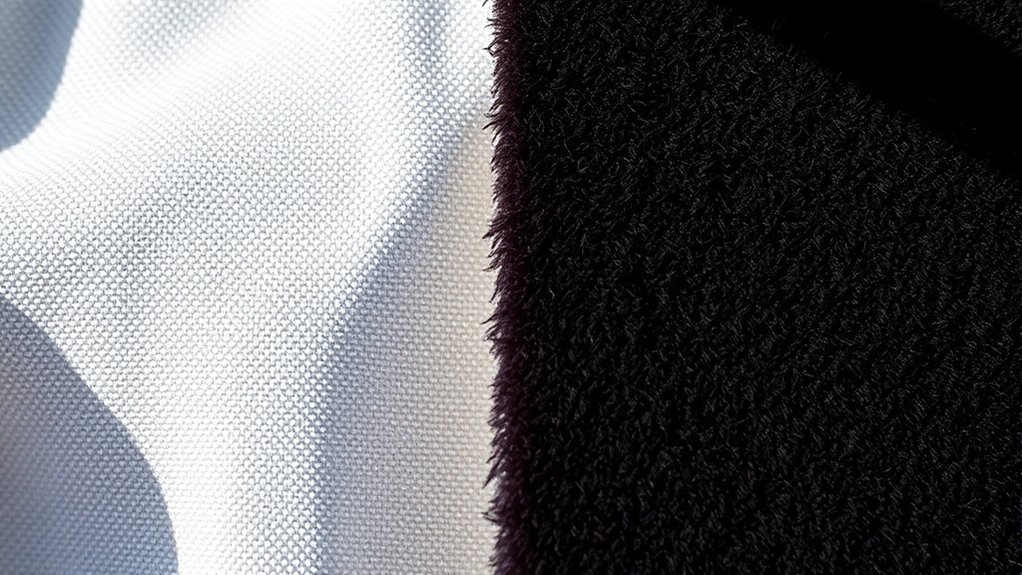
Microfiber and velvet differ in both structure and feel: microfiber is a tightly woven synthetic fabric made from ultra-fine fibers, while velvet is a plush textile defined by its soft, raised pile. When you compare them, you’ll notice their fabric origins matter: microfiber usually comes from polyester or nylon, while velvet can be made from silk, cotton, or synthetic blends.
That difference affects durability, stain resistance, and price. You’ll also handle them differently during care. Microfiber often resists moisture and cleans easily with mild soap or machine washing, depending on the product label.
Velvet needs more careful handling, since its pile can crush or mark if you scrub it too hard. If you want practical maintenance tips, check the care tag, avoid harsh heat, and test cleaners on a hidden spot first. Choosing between them depends on how you plan to use the material in your space.
How Microfiber and Velvet Feel
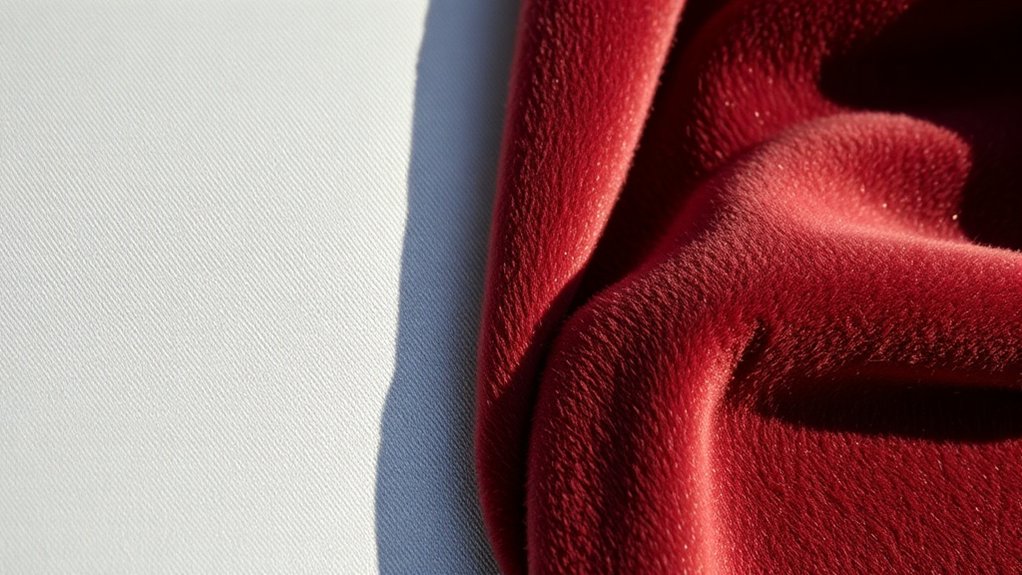
When you touch microfiber, you’ll notice it feels smooth and soft, almost sleek with a bit of a cushioned vibe. It’s like a gentle, even surface that’s really pleasant to the touch.
Now, velvet is a bit different. It feels softer and richer, with this plush texture that kind of shifts as you move your hand across it. That subtle change in the surface is what gives velvet its unique, cozy feel.
Softness And Texture
Velvet brings a plush, almost luxurious hand that feels rich and dense beneath your fingers, while microfiber usually feels smoother, lighter, and more uniform. You’ll notice velvet’s pile gives it a softer, more cushioned touch, which often improves its luxury feel in furniture and decor.
Microfiber, by contrast, can feel sleek and fine, with a tightly woven texture that stays consistent across the whole surface. If you prefer a fabric that feels cozy and substantial, velvet stands out. If you want something that feels soft but less opulent, microfiber fits well.
Your choice can also affect maintenance needs, since velvet’s texture may ask for a gentler touch, while microfiber often feels easier to manage in everyday use and holds its softness with less effort overall.
Surface Feel Difference
At first touch, the difference is easy to notice: microfiber feels smooth, fine, and almost silky, while velvet has a richer, more tactile surface with a distinct pile that you can feel under your hand. In a texture comparison, microfiber glides easily and stays understated; velvet invites you to pause and notice depth.
Your tactile experience changes too: microfiber feels soft without much visual drama, but velvet catches light and gives you a plush, luxurious response.
- You’ll feel microfiber’s sleek restraint.
- You’ll sense velvet’s raised nap.
- You’ll notice microfiber suits casual comfort.
- You’ll appreciate velvet’s elegant richness.
If you want a subtle, low-key touch, microfiber wins. If you want a more expressive, immersive surface, velvet delivers it.
Which Fabric Lasts Longer?

When you compare microfiber and velvet, durability often comes down to how well each fabric handles daily wear, stains, and friction. You’ll usually find microfiber resists spills and abrasion better, while velvet can show crushing and wear more quickly. But with the right care, you can help either fabric last longer and keep its look over time.
Durability Factors
Durability depends on how you use the fabric, but microfiber usually lasts longer than velvet in everyday settings. You’ll notice it holds up better when you choose seating that sees constant use, spills, and daily touch.
Velvet can still last beautifully, but you’ll need gentler care and smarter placement. When you weigh color options, microfiber often gives you more practical flexibility, while velvet adds richness that can feel fragile.
Follow these maintenance tips to protect either fabric:
- Vacuum gently and often.
- Blot spills right away.
- Rotate cushions to spread use.
- Keep fabrics away from sharp objects.
If you want a fabric that supports busy living with less worry, microfiber usually feels like the safer, longer-lasting choice.
Wear Resistance
Wear resistance is where the differences between microfiber and velvet really start to show. When you compare them head to head, microfiber usually handles daily friction better. Its tight synthetic fibers resist scuffs, flattening, and visible pilling, so it keeps looking fresh in busy spaces.
Velvet can look richer at first, but its raised pile shows marks faster and may crush in high-contact spots. In a wear resistance comparison, you’ll usually see microfiber hold up longer under constant use. That gives it an edge in fabric longevity for sofas, chairs, and other pieces that get touched often.
Velvet still works well if you want a softer, dressier look, but you should expect wear to appear sooner than with microfiber, especially in active households.
Long-Term Care
Long-term care is where microfiber often pulls ahead, because it’s usually easier to maintain and more forgiving in everyday use. You can keep it looking fresh with simple maintenance tips and quick cleaning techniques, which helps it stay strong for years.
Velvet asks more from you: gentle brushing, careful spot cleaning, and less frequent heavy use. If you want less stress, microfiber gives you that relief.
- You wipe spills fast.
- You vacuum dust often.
- You avoid harsh cleaners.
- You rotate cushions regularly.
With velvet, every mistake feels bigger, and that can wear on you. Microfiber usually lasts longer in real life because you can care for it consistently without fear, while velvet rewards patience but demands more attention.
Which Fabric Resists Stains Better?
Regarding stains, microfiber usually has the edge over velvet because its tight, synthetic weave makes spills harder to soak in. You’ll notice that liquids often bead on the surface, giving you a little more time to blot them before they set. That stronger stain resistance makes microfiber a smart choice for busy homes, pets, or frequent entertaining.
Microfiber’s tight weave helps spills bead up, giving you more time to blot before stains set.
Velvet, by contrast, can absorb spills faster and may show marks more easily, especially on plush pile.
Your results still depend on the fabric finish and the type of spill, so no material is completely stain-proof. Still, when you compare everyday messes like drinks, sauce, or muddy paw prints, microfiber generally performs better.
You should also consider your cleaning methods, since quick action matters with both fabrics. If you want a sofa or chair that handles accidental messes with less drama, microfiber usually gives you the better odds.
How Easy Is Each Fabric to Clean?
Regarding cleanup, microfiber is usually the simpler fabric to maintain because its smooth, tightly woven surface often lets you wipe away dirt and spills before they sink in. You can often handle light messes with a damp cloth, which makes stain removal feel quick and reassuring.
Velvet asks for more patience, since its pile can trap dust and mark easily, so you’ll need gentler care.
- Blot spills right away.
- Use mild soap for spot cleaning.
- Test cleaners on hidden areas first.
- Brush velvet lightly after drying.
These maintenance tips help you protect both fabrics, but microfiber still rewards you with less effort overall. If you want a fabric that supports a cleaner routine, microfiber usually wins. Velvet can still look beautiful, yet it asks you to slow down and clean with care every time.
Which Fabric Is Better for Pets and Kids?
If you’ve got pets or kids, microfiber is usually the safer pick because it stands up better to everyday messes, scratches, and sticky hands. You’ll appreciate its pet-friendly features, like tighter fibers that resist snagging from claws and trap less fur.
It also gives you kid-safe materials benefits since spills wipe up quickly and the surface feels soft without demanding delicate care. Velvet can look luxurious, but it’s more likely to show marks, attract lint, and wear faster in busy homes.
If your household includes jumping, climbing, or frequent snack time, microfiber gives you fewer worries and more durability. You’ll still want to vacuum and spot clean, but maintenance stays simple.
For high-traffic family rooms, play areas, or pet hangouts, microfiber usually wins because it balances comfort, resilience, and easier day-to-day use.
How Microfiber and Velvet Look in a Room
Visually, microfiber and velvet create very different moods in a room. Microfiber reads clean, smooth, and understated, so you can blend it into modern, casual, or minimalist spaces without much effort. Velvet, by contrast, catches light and adds depth, making your seating feel richer and more dramatic.
If you want a room that feels polished but relaxed, microfiber can quietly support your decor. If you want a statement piece that draws the eye, velvet delivers instant presence with soft sheen and vivid color variations.
- Microfiber feels calm and practical.
- Velvet feels plush and luxurious.
- Microfiber offers broad design versatility.
- Velvet brings visual warmth and drama.
You’ll notice microfiber tends to recede, letting other furnishings shine, while velvet often becomes the focal point. Both fabrics can look beautiful, but their visual impact changes the entire atmosphere of your room, from subtle comfort to bold elegance.
Which Fabric Works Better in Different Climates?
Climate can affect how microfiber and velvet feel and perform in your home. If you live in a warm or humid climate, microfiber usually works better because it breathes more easily, dries faster, and resists moisture retention. You won’t feel as much stickiness on hot days, and you can clean it without worrying about long drying times.
In cooler climates, velvet can feel more inviting because it adds softness and a cozy touch that suits chilly rooms. However, velvet may hold more heat and humidity, so you might notice it feels less comfortable in damp spaces.
For strong climate adaptability, microfiber gives you more flexibility across seasons and weather changes. Velvet shines when you want warmth and texture, but it performs best in controlled indoor environments. If your home swings between damp and dry conditions, microfiber will usually stay more practical and comfortable year-round.
Microfiber Vs Velvet: Cost and Value
When you’re weighing microfiber against velvet, cost often becomes the deciding factor. In a cost comparison, microfiber usually wins on upfront price, and that can ease your budget right away. Velvet tends to cost more because its weave, finish, and luxurious feel demand extra care and materials. Still, your value analysis shouldn’t stop at the tag.
- Microfiber gives you solid everyday affordability.
- Velvet delivers a richer look that can feel more special.
- Microfiber often offers lower replacement stress.
- Velvet may justify its price if you want a premium impression.
You’ll also notice microfiber can stretch your money further in busy spaces, while velvet can make a room feel more sophisticated. If you want practical savings, microfiber stands out. If you want a stronger sense of elegance, velvet may be worth the extra spend.
How To Choose Between Microfiber And Velvet
Choosing between microfiber and velvet comes down to how you’ll use the piece and what matters most to you. If you need something durable for daily life, kids, or pets, microfiber usually wins because it resists stains and wears well.
Microfiber usually wins for busy homes, offering durability, stain resistance, and easy everyday care.
If you want a richer look and softer feel, velvet can add instant elegance to a room. Think about lighting, too. Velvet shows depth and texture beautifully, while microfiber often looks more casual and clean.
Check color options carefully since microfiber can offer practical neutrals and velvet can deliver bold, jewel-like tones. You should also consider maintenance tips before you buy.
Microfiber often needs simple vacuuming and spot cleaning. Velvet may require gentler care and occasional brushing to keep its pile looking even. When you match your lifestyle, budget, and style goals, you’ll choose the fabric that fits your home best.
Frequently Asked Questions
Is Microfiber More Eco-Friendly Than Velvet?
Microfiber isn’t always more eco-friendly than velvet; you’ll need to look at the materials and manufacturing. If you choose recycled microfiber made with better sustainability practices, it can reduce waste. But many microfibers come from petrochemicals and shed plastic during use.
Velvet may use natural fibers, yet fabric production can still be resource-heavy. You’ll make the greener choice by checking fiber source, durability, dyes, and end-of-life recyclability.
Can Velvet Be Used Outdoors?
Yes, you can use velvet outdoors, but you shouldn’t leave it exposed. You might think it’s too delicate, and you’re right to be cautious.
In a durability comparison, velvet usually falls behind weather-resistant fabrics because moisture, sun, and dirt can damage it fast. If you do use it outside, choose performance velvet and follow simple maintenance tips: cover it, dry it quickly, and store it indoors after use.
Does Microfiber Pill Over Time?
Yes, microfiber can pill over time, especially if you rub it often or wash it roughly. You can reduce pilling causes by choosing a tighter weave, avoiding abrasive cleaners, and keeping pet claws and rough fabrics away.
Good fabric care also helps: vacuum gently, wash on a delicate cycle, and air-dry when possible. If you treat it well, your microfiber should stay smoother and look better much longer.
Are There Hypoallergenic Differences Between Microfiber and Velvet?
Yes, you’ll usually find microfiber more allergy-friendly than velvet. You get tighter weaving, better allergen resistance, and fewer dust traps with microfiber, while velvet’s plush pile can hold more dust, dander, and pollen.
You should also consider fabric breathability. Microfiber often breathes less, but it’s easier to clean regularly. If you want a smoother, lower-maintenance option, microfiber’s often the better pick for sensitive noses and scratchy skin.
Which Fabric Is Quieter to Sit On?
You’ll usually find velvet quieter to sit on because its plush pile dampens movement and boosts sound absorption. In a texture comparison, velvet feels softer and less likely to rustle than microfiber.
Microfiber can make slight swishing sounds when you shift. If you want the quietest option for a chair or sofa, choose velvet, especially in a den, bedroom, or media room where little noise matters most.
Conclusion
When you choose between microfiber and velvet, think about how you live, not just how you want your space to look. Microfiber is the practical workhorse: durable, easy to clean, and great for busy homes.
Velvet brings a richer, more luxurious feel, but it asks for a little more care. In the end, your pick should fit your comfort, climate, and routine, because the right fabric can be the quiet anchor of your room.
Choosing between microfiber and velvet means balancing style with everyday needs. Make sure your choice matches how you live and what feels best for your space.