What Is Silk Made From?
Finding truly luxurious fabrics that feel amazing and last long can be a real challenge. If you’ve ever struggled to pick materials that combine comfort, durability, and elegance, you’re not alone. Many people want that perfect blend, especially when it comes to silk products. What is silk made from.
Silk is made from a natural protein called fibroin, which silkworms spin into fine, continuous threads inside their cocoons. These threads create silk’s smooth texture, strength, and unique shimmer thanks to their special triangular prism structure that reflects light beautifully.
When you choose silk, you’re embracing a material crafted by nature and refined through careful harvesting and processing. If you keep exploring, you’ll uncover the fascinating insects behind silk and its many luxurious varieties.
Key Takeaways
- Silk is primarily made from fibroin, a natural protein produced by silkworms during cocoon spinning. Silkworms, larvae of the Bombyx mori moth, secrete silk fibers from specialized glands through spinnerets.
- Silk fibers form from continuous protein filaments that harden upon exposure to air, creating smooth, lustrous threads. The cocoons harvested before moth emergence provide silk fibers after processing and removing the sericin coating.
- Different types of silk, like mulberry, tussah, and eri, come from various silkworm species and affect texture and color.
What Is Silk And Why Is It Unique

Although you might think silk is just another fabric, it stands out because of its natural origin and unique texture. When you touch silk, you feel its smoothness and sheen, qualities that synthetic fabrics rarely match.
Silk manufacturing is a meticulous process that preserves these natural features, making silk highly sought after. As you examine silk industry trends, you’ll notice a growing emphasis on sustainable and ethical production methods. This shift guarantees that the fabric’s luxury doesn’t come at the expense of the environment or workers.
Plus, silk’s breathability and strength make it versatile for different uses, from fashion to home décor. When you choose silk, you’re not just selecting a fabric; you’re embracing a product with a rich heritage and refined qualities that stand apart from the rest.
Understanding what makes silk unique helps you appreciate why it continues to enchant designers and consumers worldwide.
Which Insects Make Silk?

Silk’s unique qualities come from the insects that produce it, and knowing which ones play a role helps you understand the fabric better. The primary silk insect you’ll encounter is the silkworm, specifically the larvae of the Bombyx mori moth.
This insect spins cocoons made of silk fibers, which are harvested to produce the familiar silk fabric. However, other silk insects, like wild moth species such as Antheraea, also contribute to silk production, though their silk composition can differ slightly.
Each silk insect produces silk with a unique protein structure, influencing the silk composition’s strength, texture, and sheen. While the silkworm’s silk is prized for its smoothness and luster, wild silk insects create fibers with different qualities that can be coarser or more textured.
How Silkworms Spin Silk Threads

Now that you know which insects make silk, let’s take a closer look at how silkworms actually spin their threads. You’ll find out how their life cycle gets them ready for this job, how their silk glands produce the material, and how the threads come together. When you understand this process, it really shows the amazing natural engineering behind every single silk fiber.
Silkworm Life Cycle
How do silkworms create the delicate silk threads that fascinate us? As a silk insect, the silkworm undergoes a fascinating life cycle, starting as an egg, hatching into a larva, and growing through several stages called instars.
You’ll see it feeding voraciously on mulberry leaves until it’s ready to spin its cocoon. During this silk weaving phase, the silkworm secretes a protein-based fluid that hardens into a continuous silk thread.
Once the cocoon is complete, the silkworm transforms into a pupa and finally emerges as a moth to continue the cycle. Understanding this life cycle helps you appreciate how nature’s tiny silk insect produces the raw material behind luxurious silk fabrics.
Silk Gland Function
Although the process may seem simple, silkworms rely on specialized silk glands to produce the fine threads that form their cocoons. You can think of the silk gland as a tiny factory inside the silkworm, where silk secretion happens continuously.
This gland produces a protein-rich liquid that hardens into silk fibers when exposed to air. As the silkworm moves its head, it releases this secretion through a spinneret, shaping it into a thread.
The silk gland controls the flow and consistency of the secretion, ensuring the thread is strong and smooth. Without this gland’s precise function, the silkworm couldn’t spin the delicate yet durable silk threads essential for its protective cocoon.
Understanding the silk gland helps you appreciate the natural engineering behind silk production.
Thread Formation Process
Once the silk gland produces the protein-rich liquid, the silkworm begins the intricate process of spinning it into threads. You’ll see the silkworm extrude this liquid through tiny openings called spinnerets. As it contacts air, the liquid solidifies into a continuous silk filament.
This natural thread is then wound carefully to form a cocoon.
Here’s how the thread formation unfolds:
- Liquid silk is secreted by the gland.
- It passes through spinnerets, forming a filament.
- The filament hardens on contact with air.
- The silkworm wraps the filament into a cocoon.
Later, these threads undergo silk dyeing and silk weaving to become the luxurious fabric you cherish.
What Silk Fibers Are Made Of
Because silk fibers come from silkworms, it’s fascinating to investigate what they’re actually made of. Silk consists primarily of a natural protein called fibroin, which the silkworm produces to spin its cocoon. This protein gives silk its distinctive strength, smoothness, and lustrous sheen.
When you engage in silk dyeing, the fibroin’s structure allows vibrant colors to absorb deeply, resulting in rich, lasting hues. Likewise, during silk weaving, the fine fibroin threads interlock tightly, creating fabric that’s both delicate and durable.
Unlike synthetic fibers, silk’s protein composition makes it breathable and hypoallergenic, perfect for luxurious textiles. Understanding these components helps you appreciate why silk has been prized for centuries and why it behaves individually during processes like dyeing and weaving.
How Silk Is Harvested From Cocoons
Now that you know what silk fibers are made of, let’s take a closer look at how they’re harvested from cocoons. You’ll get to explore the silkworm’s lifecycle first. Then, we’ll see how farmers collect the cocoons and, finally, how they extract those fine silk threads. This step is super important because it’s what turns raw material into the luxurious fabric you’re familiar with.
Silkworm Lifecycle Overview
How does silk go from a tiny thread to the luxurious fabric you know? It all starts with the silkworm’s lifecycle. These tiny creatures spin cocoons made of raw silk fiber, influenced by their silkworm diet. Mainly mulberry leaves affect fiber quality and color.
Once the cocoon is ready, you can harvest the silk thread for processing. Here’s a quick overview:
- Egg hatches into a larva (silkworm).
- Larvae feed heavily on mulberry leaves.
- Silkworm spins a cocoon using a continuous silk thread.
- Cocoon is harvested, then silk undergoes dyeing techniques to create vibrant fabrics.
Understanding this lifecycle helps you appreciate how raw silk transforms into the elegant textiles you love.
Cocoon Collection Process
Where does the transformation from cocoon to silk thread begin? It starts when you carefully collect mature silkworm cocoons, usually after the larvae have spun their protective silk shells. You gather these cocoons by hand or using gentle tools to avoid damaging the delicate silk fibers inside.
Timing is essential. You want to harvest before the moth emerges, ensuring the silk remains intact. After collection, the cocoons are sorted and cleaned, preparing them for the next stage.
This process directly impacts the quality of silk used later for silk dyeing and intricate silk embroidery. By handling the cocoons with care during collection, you set the foundation for producing fine silk fabrics famed for their vibrant colors and detailed designs.
Extracting Silk Fibers
Once you’ve collected and cleaned the cocoons, the next essential step is to extract the silk fibers carefully. This process guarantees the delicate threads remain intact, preventing damage that could affect silk dyeing later. Here’s how you do it:
- Boil the cocoons gently to soften the sericin, the natural glue holding fibers together.
- Unwind the softened fibers by hand or machine, creating long, continuous silk threads.
- Combine multiple threads to form a single, stronger strand suitable for weaving.
- Dry and sort the silk strands, preparing them for dyeing and weaving.
Keep in mind, if you have a silk allergy, direct contact with raw fibers might cause irritation, so handle with care. This meticulous extraction preserves silk’s natural luster and quality.
Traditional And Modern Silk Production
Curious about how silk transforms from a simple cocoon into the luxurious fabric you admire? Traditional silk production relies heavily on understanding insect behavior, especially that of silkworms. These insects spin their cocoons from a single continuous thread of raw silk.
You’ll find that farmers nurture silkworms carefully, harvesting cocoons once they’re complete but before the moths emerge, ensuring the fibers remain intact.
Modern silk production still respects these natural processes but incorporates advanced technology. You can see machines that unwind the silk threads more efficiently and cleanly, speeding up production while maintaining quality.
Innovations also help control insect environments better, improving yield and consistency. Whether traditional or modern, silk production depends on a delicate balance between respecting insect behavior and applying human ingenuity.
This balance allows you to enjoy silk’s timeless beauty, produced through methods that have evolved yet remain rooted in nature.
Why Silk Has Its Unique Shimmer And Texture
The way silkworms spin their cocoons directly influences the fabric’s look and feel, giving silk its distinctive shimmer and smooth texture. When you touch silk, you’re feeling long, continuous fibers that reflect light differently than other fabrics. This unique luster comes from the triangular prism-like structure of silk fibers, which refracts light at multiple angles.
Here’s why silk shines and feels so smooth:
- The natural protein filament creates a glossy surface.
- Silk dyeing boosts its sheen by allowing vibrant colors to settle deeply without dulling.
- The fine threads are tightly woven during silk weaving, creating a sleek, soft fabric.
- The smooth surface minimizes friction, adding to the luxurious feel.
When you combine the silkworm’s natural fiber, skilled silk weaving, and careful silk dyeing, you get that unmistakable shimmer and texture only silk can offer.
Types Of Silk Fabrics
You’ll find that silk comes in different types, each with its own unique qualities. For example, Mulberry silk is famous for its smoothness. Then there’s Tussah silk, which has a more natural texture. And don’t forget Eri silk—it’s known for bringing warmth and durability. Let’s take a closer look at what makes each of these fabrics special.
Mulberry Silk Characteristics
Although many types of silk exist, mulberry silk stands out as the most prized due to its exceptional softness and durability. When you handle mulberry silk, you’ll notice its smooth texture, which makes silk weaving a true craft. Its fine threads allow vibrant colors during silk dyeing, resulting in rich, lasting hues.
Here’s what you should know about mulberry silk:
- It’s produced by silkworms that feed exclusively on mulberry leaves, ensuring a uniform fiber quality.
- The fibers are long and strong, enhancing durability.
- Its natural sheen adds a luxurious glow to fabrics.
- Mulberry silk resists wrinkles better than other silks, keeping your garments crisp.
You’ll appreciate these traits whether you’re choosing silk for fashion or home textiles.
Tussah Silk Features
Since tussah silk comes from wild silkworms that feed on various leaves rather than just mulberry, you’ll notice it has a coarser texture and a richer natural color. This silk’s natural golden to brown shades make it unique, so it often requires less silk dyeing compared to mulberry silk.
If you’re sensitive, be aware that tussah silk might trigger a silk allergy more often than mulberry silk due to its coarser fibers and natural impurities. However, its durability and distinct texture make it a popular choice for upholstery and heavier garments.
When you choose tussah silk, you get a fabric with a rustic elegance and strength, but keep in mind its natural variations and potential effects on sensitive skin.
Eri Silk Benefits
What makes eri silk stand out among other types of silk fabrics? You’ll find eri silk unique because it combines comfort, sustainability, and cultural richness. Its silk chemistry gives it a matte texture and warmth, unlike the glossy sheen of mulberry silk.
Plus, eri silk’s production respects the silkworm’s life, aligning with ethical fashion trends. The silk cultural significance of eri silk is strong in parts of India, where it symbolizes tradition and eco-consciousness.
Here are four key benefits you’ll appreciate:
- Hypoallergenic and breathable, perfect for sensitive skin.
- Durable and wrinkle-resistant, maintaining its charm over time.
- Warm yet lightweight, ideal for year-round wear.
- Eco-friendly, supporting sustainable silk production methods.
How Silk’s Origin Affects Quality And Use
Because silk comes from various regions around the world, its quality and uses can vary considerably. When you choose silk, the origin influences the fiber’s texture, strength, and luster. For example, mulberry silk from China is known for its smoothness and durability, making it ideal for fine silk dyeing and intricate silk embroidery. On the other hand, wild silks like Tussar or Eri have a coarser texture, lending themselves better to casual or rustic designs.
You’ll also find that silk from different areas reacts differently to dyes. Some absorb colors more vividly, enhancing patterns in embroidered pieces. When selecting silk for your projects, consider its origin to match the fabric’s characteristics with your intended use. Understanding these differences guarantees you get the right silk for vibrant dyeing or delicate embroidery, maximizing both beauty and functionality in your finished work.
Why Silk Remains A Luxurious Fabric Choice
Although many fabrics offer comfort and style, silk stands out for its unmatched elegance and feel. You’ll notice that silk’s natural sheen and smooth texture make it distinctively luxurious. Its appeal isn’t just skin-deep; the way silk responds to light and movement adds to its allure.
Silk’s natural sheen and smooth texture create a luxurious elegance that captivates with every movement and light reflection.
Plus, silk dyeing uses specialized silk dye techniques that bring vibrant, lasting colors, enhancing its rich appearance.
Here’s why silk remains a top luxury fabric choice:
- Exceptional softness: Silk feels smooth and gentle against your skin.
- Breathability: It keeps you cool in summer and warm in winter.
- Vibrant colors: Advanced silk dye techniques create deep, lasting hues.
- Durability: Despite its delicate feel, silk is surprisingly strong.
When you wear or use silk, you’re experiencing a fabric that blends natural beauty, expert craftsmanship, and innovative dyeing methods. This makes silk a timeless luxury you’ll always appreciate.
Frequently Asked Questions
How Is Silk Dyed and Colored?
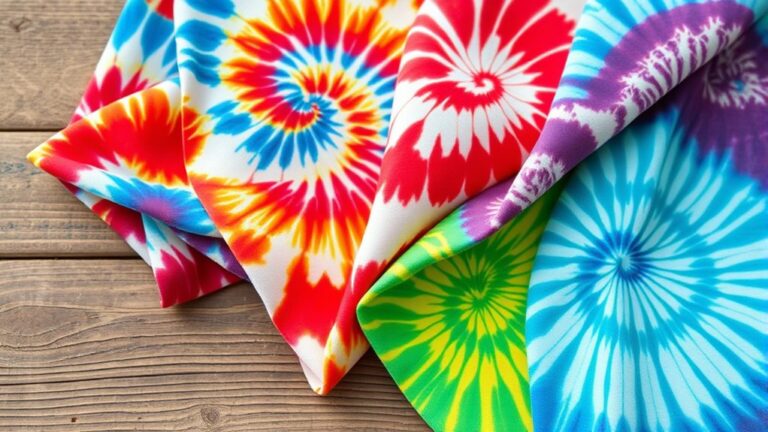
When you dye silk, you’ll use various silk dyeing techniques like immersion, hand painting, or tie-dyeing to achieve vibrant colors. You can choose natural coloring from plants and insects for eco-friendly results, or synthetic coloring for brighter, longer-lasting hues.
Each method affects silk’s texture and sheen differently, so you’ll want to pick one based on your desired look and environmental impact. Always test on a small piece first!
Can Silk Be Recycled or Reused?
Yes, you can recycle and reuse silk, though it’s not as straightforward as other fabrics. Recycling processes for silk often involve breaking down old textiles to create new fibers or blending them with other materials.
You can also consider reuse options like upcycling silk garments into accessories or patchwork. By choosing these methods, you reduce waste and give silk a second life, making your fashion choices more sustainable and eco-friendly.
What Are Common Silk Fabric Care Tips?
For effective silk fabric maintenance, you should always hand wash silk in cold water with a gentle detergent or use a delicate cycle. Avoid wringing or twisting the fabric to prevent damage.
Regarding silk stain removal, treat stains immediately by blotting with cold water and a mild soap. Avoid harsh chemicals or bleach.
Always air dry silk away from direct sunlight to keep it looking vibrant and soft.
Is Silk Biodegradable and Eco-Friendly?
Yes, silk is biodegradable, making it a more eco-friendly alternative compared to synthetic fabrics. If you’re concerned about silk sustainability, you’ll appreciate that it breaks down naturally without harming the environment.
However, conventional silk production can have environmental impacts, so you might want to investigate ethically sourced or peace silk options. Choosing these eco-friendly alternatives helps support sustainability while still enjoying the luxury of silk in your wardrobe.
How Does Silk Compare to Synthetic Fabrics?
You’ll find silk feels more luxurious and breathable compared to synthetic alternatives, thanks to natural silk production. While synthetics like polyester are cheaper and more durable, they don’t offer silk’s softness or moisture-wicking abilities.
However, synthetic fabrics dry faster and resist wrinkles better. If you prioritize comfort and eco-friendly qualities, silk stands out. But for affordability and easy care, synthetics might suit you better.
Conclusion
You might think silk is just another delicate fabric, but it’s so much more. Made from silkworms’ natural fibers, silk offers unmatched shimmer, strength, and softness.
While some worry it’s hard to care for, a little gentle washing goes a long way to keep its luxurious feel. Once you experience silk’s unique texture and timeless elegance, you’ll see why silk remains a top choice for those who want both beauty and comfort.