What Is Wool Made From?
If you’ve ever struggled to find warm, breathable clothing that doesn’t leave you feeling sweaty or uncomfortable, you’re not alone. Many people want fabrics that keep them cozy without overheating, especially when the temperature drops. That’s why understanding what wool is made from can help you appreciate why it’s such a popular choice.
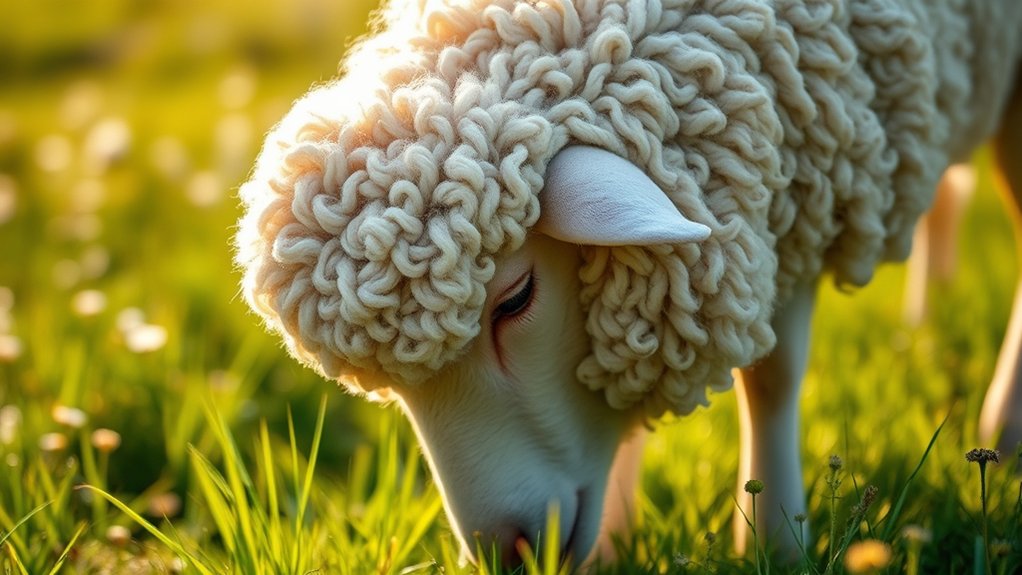
Wool is made from animal fibers that grow deep in the skin of sheep, goats, alpacas, and other animals. These fibers curl and crimp, trapping air to keep you warm and breathable.
When sheared, the fleece is cleaned, sorted, and processed before turning into soft, durable fabric. Its natural insulation and moisture-wicking properties make it perfect for cold weather.
Keep exploring to uncover how different wool types and processing techniques create the versatile textiles you wear.
Key Takeaways
- Wool is made from natural fibers produced by specialized hair follicles in animals like sheep, goats, alpacas, llamas, and rabbits.
- These fibers grow by pushing out cells that harden into a structure with crimp and coiling. This gives wool its elasticity and insulation.
- Wool fibers trap air and moisture, providing natural insulation and breathability. This helps with temperature regulation.
- The fleece consists of dense fiber clusters that vary in thickness depending on the animal’s environment and climate.
- Wool’s fiber structure includes scales that create a protective barrier, which enhances durability and water resistance.
What Animals Produce Wool and Why?

Which animals produce wool, and why do they grow it in the first place? Primarily, sheep are the main wool producers, but you’ll also find goats like Cashmere and Angora, alpacas, llamas, and even rabbits contributing to the wool supply.
These animals grow wool as a natural insulation layer, protecting themselves from cold weather and harsh environments. When you handle wool products, you might worry about wool allergies, but those usually come from lanolin or coarse fibers rather than the wool itself.
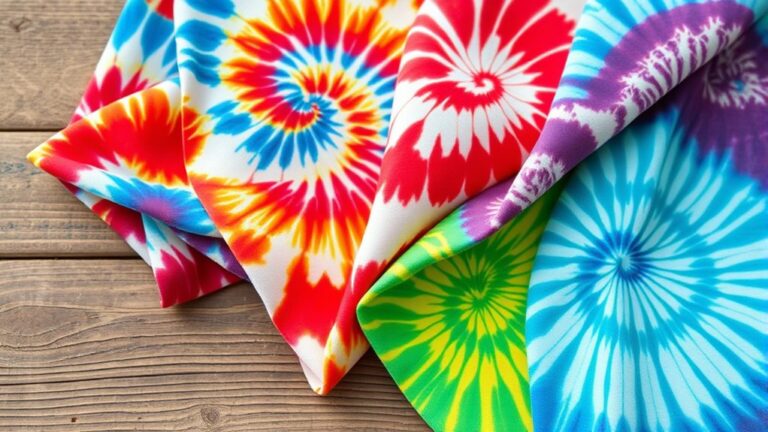
Knowing this helps you choose softer varieties that reduce irritation. Once harvested, the wool undergoes various wool dyeing techniques to achieve vibrant colors and patterns, enhancing its appeal. Understanding which animals produce wool and why helps you appreciate the natural qualities and versatility of this fiber, whether you’re shopping for clothing or crafting with wool.
How Wool Fibers Develop in Fleece

How exactly do wool fibers develop within an animal’s fleece? It all begins deep in the skin, where specialized hair follicles trigger fiber development. Each follicle produces a single wool fiber by pushing out cells that harden and form the fiber’s structure.
As these fibers grow, they coil and crimp, giving wool its unique elasticity and warmth. Fleece formation happens as countless fibers cluster tightly together, creating the dense, protective coat you see on sheep and other wool-bearing animals.
This natural process adapts to environmental conditions, producing thicker fleece in colder climates. During fleece formation, fibers vary in length and diameter, influencing the wool’s texture and quality.
Understanding how fiber development and fleece formation work helps you appreciate the natural complexity behind every wool garment. It’s this intricate biological process that makes wool a durable, insulating, and versatile material, perfect for keeping you warm and comfortable.
Comparing Sheep Wool to Other Animal Wools

The unique structure and growth of wool fibers shape the qualities of wool from different animals, making each type distinct. When you compare sheep wool to other animal wools like alpaca, mohair, or cashmere, you’ll notice differences in texture, softness, and durability.
Sheep wool tends to be more versatile, making it ideal for wool dyeing because its fibers absorb color well. Other wools, such as alpaca, offer a silky feel but may not take dye as uniformly.
You can also blend sheep wool with fibers from other animals to create wool blending products that combine the best traits of each type, like warmth from cashmere and strength from sheep wool. This blending improves fabric performance, resulting in softer, stronger, or more elastic textiles.
Understanding these differences helps you choose the right wool for your needs, whether for crafting cozy sweaters or durable outerwear.
How Wool Is Harvested From Animals
Now that you know the types of wool, let’s dive into how it’s actually harvested from animals. You’ll get to see how the shearing process works, and how animals are prepared beforehand. Plus, we’ll explore the different ways wool is collected. Understanding these steps really helps you appreciate the care involved in gathering wool.
Shearing Process Overview
Ever wondered what goes into gathering wool from sheep? The shearing process is the key step where you carefully remove the fleece using electric clippers, ensuring the sheep stay calm and unharmed.
Once sheared, the wool undergoes wool grading, where fibers are sorted by quality, length, and texture. This step is essential because it determines how the wool will be used and affects the final product’s softness and durability.
After grading, the wool often heads to wool dyeing, where it’s colored before spinning, giving you a vast range of vibrant textiles. Understanding this process helps you appreciate the skill behind turning raw fleece into beautiful, wearable fabrics.
Shearing is efficient and sustainable, providing you with premium wool while keeping sheep comfortable.
Animal Preparation Techniques
Before the shearing process begins, farmers prepare the animals to guarantee a smooth and safe wool harvest. Proper preparation minimizes stress on the sheep and keeps the fleece quality high for wool grading.
You’ll see farmers clean the sheep’s fleece of debris and check the animal’s health. They also calm the sheep to make shearing quicker and safer.
Here’s a quick look at common preparation steps:
| Step | Purpose |
|---|---|
| Cleaning fleece | Removes dirt, improves wool quality |
| Health check | Ensures animal welfare |
| Calming sheep | Reduces stress during shearing |
| Positioning | Makes shearing easier |
| Equipment prep | Ensures clean, efficient shearing |
These techniques set the stage for effective sheep shearing and accurate wool grading.
Wool Collection Methods
Once the sheep are properly prepared, farmers harvest the wool using several collection methods designed to keep the fleece intact and maintain its quality. The most common method is shearing, where skilled shearers use electric clippers to carefully remove the wool in one piece. This method prioritizes animal care, ensuring the sheep aren’t harmed or stressed during the process.
Another less common technique is gathering naturally shed wool, but it’s less efficient and impacts wool quality. After shearing, the fleece is inspected for dirt and debris, preserving wool quality from the start.
Throughout, you’ll notice how animal care remains central, as healthy, well-treated sheep produce better wool. This careful collection sets the foundation for producing soft, durable wool products you use every day.
What Happens to Wool After It’s Sheared
Although shearing sheep happens quickly, the journey of the wool has just begun. Once the fleece is off, it needs careful handling before becoming the soft fabric you know. Here’s what happens next:
Shearing is just the start; careful handling transforms fleece into the soft fabric we cherish.
- Sorting and Grading: You sort the wool based on quality, removing dirt and coarse fibers.
- Washing (Scouring): You clean the wool to remove grease, dirt, and sweat, preparing it for processing.
- Wool Blending: You might blend different wool types to achieve specific textures or qualities, combining fibers for the best result.
- Wool Dyeing: Before spinning, you can dye the wool in various colors, ensuring vibrant, long-lasting hues.
Each step transforms raw fleece into a usable material while preserving its natural qualities. By understanding this process, you appreciate how much care goes into turning wool from sheep into the fabric you wear every day.
Unique Properties of Wool Fibers
After the wool is cleaned, sorted, and sometimes dyed, its unique qualities come into play. You’ll notice that the wool fiber structure is unlike any other natural fiber. Each fiber has a layered, scaly surface that helps the fibers lock together, making wool resilient and elastic.
This structure also allows wool to absorb moisture without feeling wet, which is why it feels comfortable against your skin.
Animal wool diversity means you can find wool fibers that vary in thickness, length, and softness depending on the animal source, from sheep to alpacas and goats. This diversity affects the texture and durability of the wool products you use.
For example, merino wool fibers are finer and softer, while coarser wool from other breeds adds strength. Understanding these properties helps you appreciate why wool is so versatile and valued in textiles.
Why Wool Keeps You Warm Naturally
How does wool keep you warm even when it feels light and breathable? The secret lies in the unique structure of fibers from the wool animal, like sheep. Wool fibers trap air, creating natural insulation that keeps your body heat close while allowing moisture to escape. Even after wool dyeing, these properties remain intact, ensuring comfort and warmth.
Here’s why wool works so well to keep you warm:
- Wool fibers curl and overlap, trapping warm air between them.
- The crimp in wool fibers helps maintain loft, enhancing insulation.
- Wool naturally repels water, so it keeps you warm even when damp.
- Its breathability allows sweat to evaporate, preventing chill.
Common Types of Wool for Clothing
What makes one type of wool better suited for your sweater than another? It all comes down to the wool’s origin and characteristics. Merino wool, for example, is prized for its softness and fine fibers, making it perfect for close-to-skin wear.
On the other hand, coarse wools like those from Icelandic sheep offer durability and warmth, ideal for outer layers. When choosing wool, you’ll also encounter wool blending, mixing wool with other fibers to boost strength, stretch, or softness. This technique can improve comfort and wearability without sacrificing warmth.
Wool dyeing plays a vital role too, as some types of wool absorb dye more evenly, resulting in vibrant, long-lasting colors. Whether you want a lightweight wool for layering or a thick, insulating fabric, understanding these common types helps you pick the right wool for your clothing needs.
Knowing the differences ensures your wool garment looks great, feels comfortable, and performs well.
How Wool Is Processed for Textiles
Before you can enjoy the softness and warmth of wool clothing, the raw fibers must go through several carefully controlled steps. First, the wool is cleaned to remove dirt and grease. Then, it’s carded, which means the fibers are brushed and aligned to prepare them for spinning.
Raw wool fibers undergo cleaning and carding to ensure softness and warmth in your clothing.
You’ll often find wool blending during this stage, where different types or grades of wool are mixed to achieve specific qualities like softness or durability.
Next, the wool is spun into yarn, ready for the next phase: wool dyeing. This process adds color to the yarn or fabric, guaranteeing vibrant, long-lasting hues.
Finally, the dyed yarn is woven or knitted into textiles, transforming the processed wool into the garments you wear.
Here’s a quick overview of the process:
- Cleaning and scouring
- Carding and wool blending
- Spinning yarn
- Wool dyeing and textile production
These steps assure wool becomes the cozy fabric you love.
Why Wool Remains a Popular Fiber Today
You’ll love how wool naturally keeps you warm without making you overheat. And because it’s so durable, your wool clothes can last for years, standing up to everyday wear and tear. On top of that, wool is a sustainable and renewable fiber, so it’s a smart pick for anyone who cares about the environment.
Natural Insulation Benefits
Why does wool continue to be a top choice for natural insulation? When you choose wool, you get unmatched warmth and comfort thanks to its unique fiber structure. Wool dyeing and wool blending techniques enhance its versatility without compromising insulation. Here’s why wool excels:
- Temperature Regulation: Wool fibers trap air, keeping you warm in cold weather and cool when it’s hot.
- Moisture Wicking: It absorbs moisture from your skin, keeping you dry and comfortable.
- Breathability: Wool’s natural breathability prevents overheating, making it ideal for various climates.
- Odor Resistance: Wool naturally resists odors, so you stay fresh longer.
These benefits make wool a smart, natural insulation choice that’s hard to beat.
Durability and Longevity
Although many fibers offer comfort and style, wool stands out because it lasts. You’ll appreciate wool quality when you realize how its natural fiber elasticity lets it bounce back from stretching and bending without losing shape. This resilience means your wool garments resist wear and tear better than many synthetic options.
Wool’s durability also comes from its structure. Scales on each fiber create a strong, protective barrier. When you choose wool, you invest in clothing and textiles that maintain their look and feel over time, even with frequent use.
This longevity is why wool remains a popular fiber today, combining comfort with lasting performance that keeps you covered season after season.
Sustainable and Renewable Fiber
How does wool continue to stand out in today’s eco-conscious world? You’ll find it’s because wool is a sustainable and renewable fiber that blends tradition with modern practices. When you choose wool, you support natural fiber that regrows annually from sheep without harming the environment.
Plus, advances in wool dyeing use less water and fewer chemicals, making the process greener. Wool blending further enhances sustainability by mixing wool with other eco-friendly fibers. This reduces waste and improves fabric performance.
Here’s why wool remains popular:
- It’s biodegradable, breaking down naturally without polluting.
- Renewable: sheep produce new fleece yearly.
- Wool dyeing techniques are evolving to reduce environmental impact.
- Wool blending creates versatile, eco-conscious textiles.
You’re picking a fiber that respects the planet while staying stylish and durable.
Frequently Asked Questions
Can Wool Cause Allergic Reactions in Some People?
Yes, wool can cause allergic reactions in some people. If you have wool allergies, your skin might itch, become red, or develop a rash when you wear wool clothing.
These allergic reactions happen because your immune system reacts to lanolin or wool fibers. If you notice discomfort, it’s best to avoid wool or choose hypoallergenic alternatives.
Always pay attention to how your skin responds to wool to stay comfortable.
How Should Wool Garments Be Properly Cared For?
You should handle wool washing gently by using cool water and a mild detergent designed for wool. Avoid wringing or twisting to keep fibers intact.
After washing, lay your wool garments flat to dry, preventing stretching.
For wool storage, store items in a cool, dry place, ideally folded to avoid stretching. Use cedar balls or lavender sachets to deter moths.
Following these steps helps maintain your wool’s softness and shape over time.
Is Wool Biodegradable and Environmentally Friendly?
Wool is a green champion, fully biodegradable and environmentally friendly. Since it’s a natural insulation made from animal fiber, it breaks down in soil without leaving harmful residues.
When you choose wool, you’re wrapping yourself in a product that naturally renews, unlike synthetic fabrics that cling stubbornly to the earth. So, you’re not just staying warm, you’re also warming your commitment to the planet.
What Are the Differences Between Wool and Synthetic Fibers?
You’ll notice wool and synthetic fibers differ mainly in fiber composition and manufacturing processes. Wool comes from natural animal fibers, while synthetics are man-made from petrochemicals.
Wool’s manufacturing involves shearing and cleaning, preserving its natural properties like breathability and warmth. Synthetic fibers undergo chemical processing and extrusion, making them durable but less breathable.
Understanding these differences helps you choose fibers based on comfort, sustainability, and performance needs.
Can Wool Be Recycled or Reused in Other Products?
Yes, you can recycle and reuse wool in many ways. Recycling methods include shredding old wool garments to create insulation, upholstery stuffing, or new yarn.
You can also reuse wool by turning worn-out sweaters into cozy mittens, rugs, or felt crafts. These reuse ideas not only reduce waste but also give wool a second life.
This helps you support sustainable practices while enjoying the natural warmth and durability wool offers.
Conclusion
You might think wool comes only from sheep, but it’s also from goats, alpacas, and more. Each fiber is unique and warm.
When you wear wool, you’re wrapped in nature’s clever design that keeps you cozy even when it’s wet. After careful harvesting and processing, this timeless fiber remains popular because it works.
So next time you pull on a wool sweater, remember you’re embracing centuries of natural innovation and comfort crafted just for you with wool.