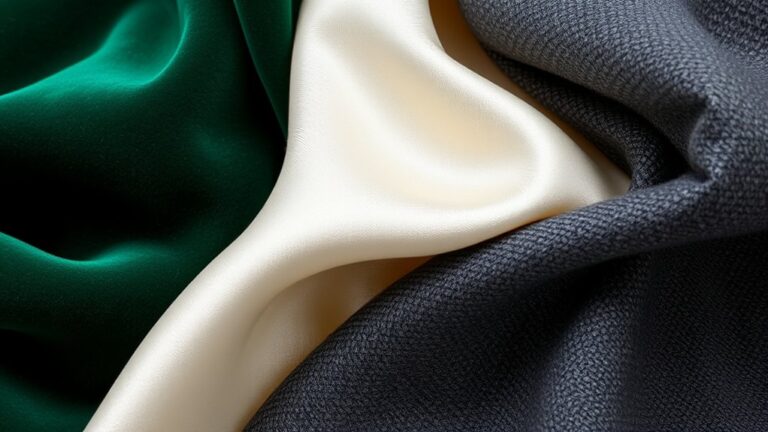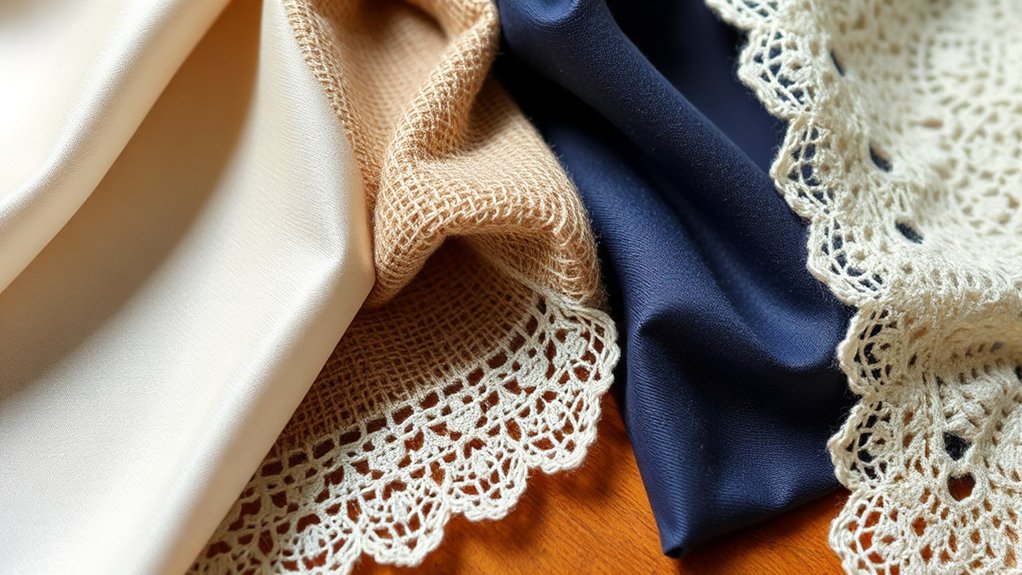
What Are the Different Types of Fabrics?
Figuring out which fabric to choose can be tricky, especially when you want something that feels good, lasts long, and is easy to care for.
If you’ve ever stood in front of a clothing rack wondering what fabric is right for you, you’re not alone. Many people struggle with understanding the differences and benefits of various materials.
You’ll usually find fabrics in three main groups: natural, synthetic, and blended. Natural fabrics like cotton, wool, and silk feel breathable and comfortable, while synthetics like polyester, nylon, and acrylic are durable, wrinkle-resistant, and quick-drying. What Are the Different Types of Fabrics?
Blends combine the best qualities of different fibers for better performance.
Weave also matters, since plain, twill, and satin each change texture and drape.
Keep going, and you’ll see which fabrics work best for clothing, weather, and easy care.
Key Takeaways
- Fabrics are commonly grouped into natural, synthetic, and blended types based on their fiber sources and performance.
- Natural fabrics include cotton, wool, silk, and linen. They offer comfort, breathability, and varying levels of care.
- Synthetic fabrics like polyester, nylon, and acrylic are durable, wrinkle-resistant, and quick-drying.
- Blended fabrics combine fibers, such as cotton-polyester, to improve softness, strength, or wrinkle resistance.
- Weave type also matters. Plain, twill, and satin weaves affect texture, drape, and durability.
What Are Fabric Types?
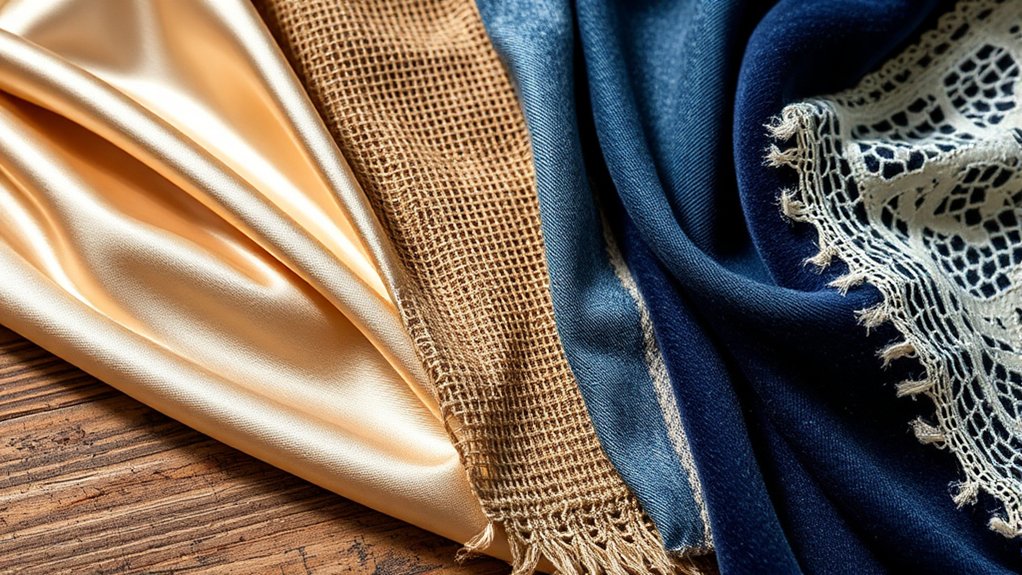
Fabric types are the different kinds of materials used to make clothing, home textiles, and other products, each with its own feel, weight, stretch, and durability. When you compare them, you notice how fabric characteristics affect comfort, appearance, and performance.
Some fabrics drape smoothly, while others hold shape or resist wrinkles better. You can choose a fabric based on how you plan to use it, whether you need something soft, sturdy, flexible, or easy to care for.
Some fabrics drape smoothly, while others hold shape, resist wrinkles, or offer easy-care comfort.
Fabric durability matters too, because it tells you how well a material handles wear, washing, and daily use. By understanding these basics, you make smarter choices for apparel, bedding, curtains, and accessories.
You don’t have to know every fiber yet; you just need to recognize that each fabric type serves a purpose. That knowledge helps you match the right material to the right project and avoid costly mistakes later on.
Natural Fabrics: Cotton, Wool, and Silk
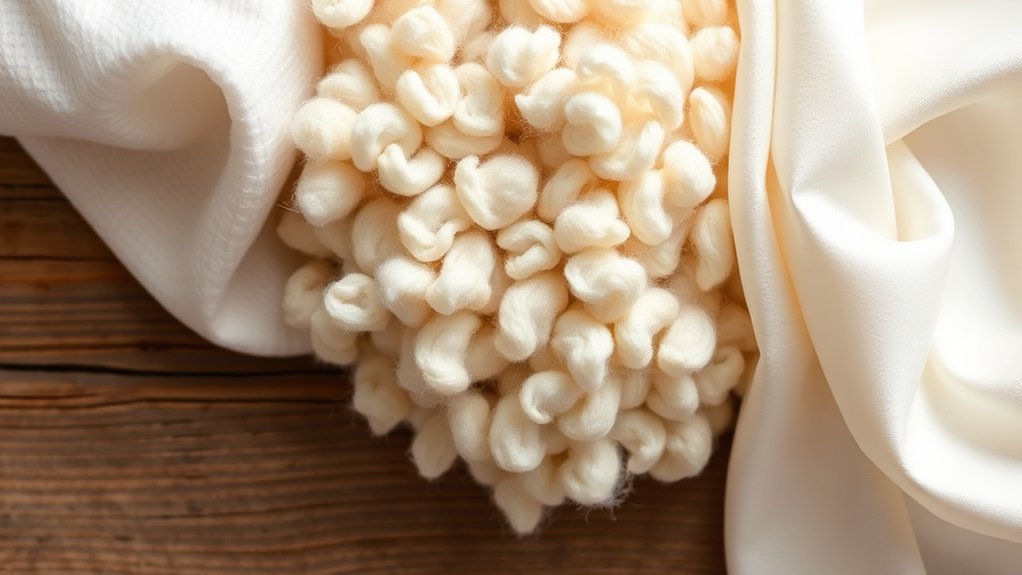
Natural fibers like cotton, wool, and silk come from plants and animals, and each one offers a distinct texture, weight, and performance. You’ll often reach for sustainable cotton when you want softness, breathability, and easy care.
Cotton works well in everyday clothing, and its organic fibers appeal if you prefer eco friendly textiles. Wool gives you warmth without much bulk, especially in lightweight wool knits and suits. It can also help repel moisture, so it suits cool, changeable weather better than many other natural options.
Silk feels smooth and elegant, making luxury silk a favorite for dresses, scarves, and linings. You should handle it gently because fabric durability varies, and colorfastness concerns can appear with rich dyes.
While some natural fabrics resist light moisture, they aren’t truly water resistant fabrics. When you choose among them, think about comfort, appearance, care, and how each fiber fits your daily life.
Synthetic Fabrics: Polyester, Nylon, and Acrylic
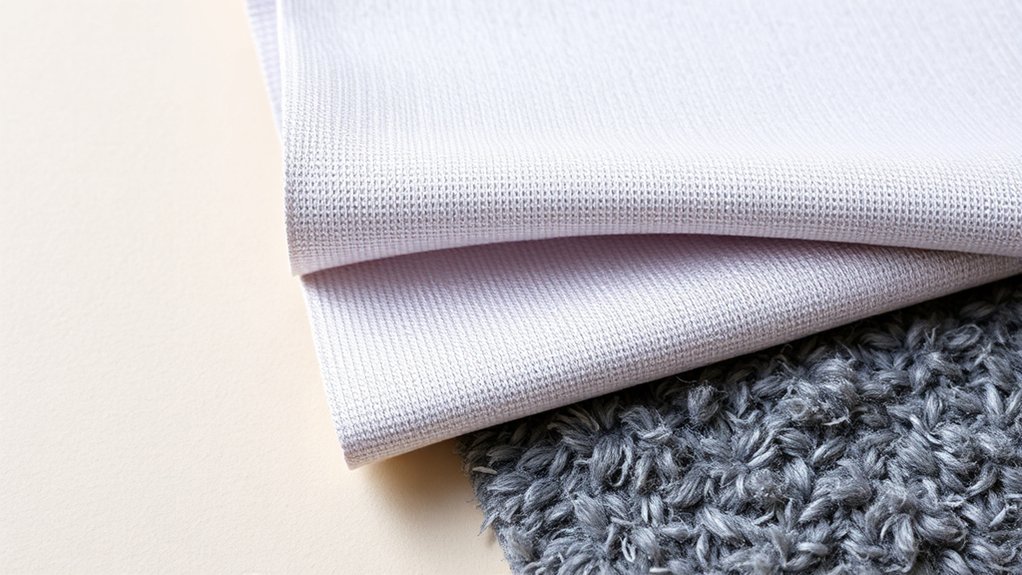
Synthetic fabrics give you another set of options when cotton, wool, and silk don’t meet your needs. You can choose polyester, nylon, or acrylic when you want strong, practical textiles that handle daily wear well. They often resist wrinkles, dry quickly, and support fabric durability in active clothing, bags, and outer layers.
Still, you should consider environmental impact, since many synthetic fibers come from petroleum and can shed microplastics during washing.
| Fabric | Common Use |
|---|---|
| Polyester | Jackets, sportswear |
| Nylon | Stockings, ropes |
| Acrylic | Sweaters, blankets |
Polyester feels versatile, nylon offers toughness, and acrylic mimics wool at a lower cost. You’ll notice each one performs differently, so think about comfort, care, and how long you need it to last.
Blended Fabrics and Why They Matter
Blended fabrics mix two or more fibers, giving you the best qualities of each. You’ll often notice that these combinations boost comfort, durability, stretch, or wrinkle resistance. That’s why blends help clothes and home textiles hold up better in everyday life.
Fiber Combinations
When fibers are combined, you get fabrics that balance the strengths and weaknesses of each material. This gives you better comfort, durability, stretch, or easy care than a single fiber usually provides on its own. You’ll see fiber blends in everyday clothing because they let you choose smart tradeoffs.
| Blend | Why you might choose it |
|---|---|
| Cotton-polyester | It helps balance softness and wrinkle resistance. |
| Wool-nylon | It can improve structure and wear. |
| Linen-rayon | It softens the feel while keeping a natural look. |
These combinations also support eco-friendly options and textile innovations when makers use recycled or lower-impact fibers. If you compare fabric sustainability, comfort factors, and durability ratings, you can make more informed choices without sacrificing style.
Performance Benefits
Performance benefits are where blended fabrics really stand out, because they’re designed to do more than one job at once. You get better moisture management, stronger stretchability factors, and improved durability ratings than many single-fiber textiles. That means your clothes can move with you, hold up longer, and still feel soft.
Blends can also boost UV resistance and thermal insulation, so you stay protected in sun or cold. When you compare options, consider weight considerations too, since lighter blends often feel easier to wear. They usually offer maintenance ease, but you should watch for colorfastness issues and eco friendliness impacts.
How Weaves Affect Fabric Feel
When you look at fabric, the weave actually changes how it feels in your hand and on your skin. A plain weave feels crisp and sturdy. Twill, on the other hand, gives you more drape and softness. Satin creates a smooth, slippery surface. You can feel these differences right away, even before you see them.
Plain Weave Texture
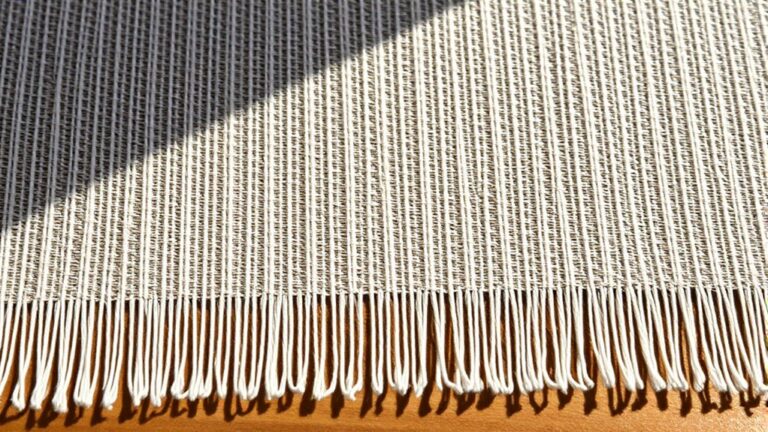
Plain weave gives fabric a crisp, even feel because the warp and weft threads cross over and under each other in a simple pattern. You notice a balanced surface that feels clean and reliable, making it easy to trust for everyday wear and home use. Its tight structure also helps you enjoy durability without extra bulk.
Consider these plain weave advantages:
- You get a neat, stable texture.
- You feel confident in long-lasting wear.
- You can count on easy care.
- You find many plain weave applications in shirts, sheets, and lightweight curtains.
Because the threads interlock evenly, the fabric feels straightforward rather than fussy. That simplicity can bring comfort, especially when you want a material that stays consistent, polished, and practical.
Twill Drape And Softness
Twill often feels softer and hangs more fluidly because its diagonal weave lets the fabric move with less stiffness. You’ll notice that this structure improves drape characteristics, so garments skim your body instead of standing away from it.
Compared with a plain weave, twill usually gives you a smoother, more flexible hand and a clearer softness comparison. That’s why you may like it for trousers, jackets, and skirts that need shape without rigidity.
The angled weave also helps the cloth bend and fold cleanly, which can make seams and pleats look more natural. If you want fabric that balances body and comfort, twill often delivers a pleasing middle ground without feeling heavy or hard.
Satin Surface Smoothness
Where twill gives you a balanced, textured feel, satin moves in the opposite direction with a much smoother surface. You notice how the yarns float across the face, creating a glide that feels cool and elegant against your skin.
That finish gives you a rich satin sheen, but it also changes how the fabric handles wear.
- You feel instant softness.
- You enjoy a luminous look.
- You sense less friction.
- You must handle it with care.
Because the weave exposes more yarn, snags can happen, so satin durability often depends on fiber choice and construction. When you want drama, comfort, and polish, satin delivers a surface that catches light and attention without needing much effort from you.
Common Knit Fabrics for Everyday Wear
When you’re choosing fabrics for everyday wear, knit options are often the most comfortable and versatile because their looped construction gives them stretch, softness, and easy movement. You’ll often see jersey, rib knit, interlock, and ponte in T-shirts, dresses, and casual pants.
Each of these knit variations offers different stretch properties, so you can pick a drape that feels relaxed or more structured. You’ll also notice texture differences: jersey feels smooth, rib knit has visible ridges, and ponte looks polished.
Jersey, rib knit, and ponte each offer distinct stretch, drape, and texture for different styles.
For practical use, follow simple maintenance tips like washing on gentle cycles and drying flat to help your clothes keep shape. These fabrics work well in many design applications, from fitted basics to layered staples, and seasonal trends often highlight them in versatile everyday outfits.
When you shop, compare popular brands and look closely at fabric sourcing to find quality knits that suit your style and routine without sacrificing comfort.
Best Fabrics for Hot and Cold Weather
When you’re shopping for hot weather, you’ll want to go for breathable fabrics like cotton, linen, and lightweight bamboo. These materials help keep you cool by letting air flow through.
Now, when the temperature drops, it’s a good idea to switch to warmer options like wool, flannel, and fleece. These fabrics do a great job of trapping heat and keeping you cozy.
And here’s a handy tip: layering different fabrics can really help you stay comfortable as the weather changes throughout the day. That way, you can easily add or remove layers depending on how warm or cool it gets.
Breathable Summer Fabrics
When the temperature rises, you’ll want fabrics that let air move freely and keep moisture from lingering on your skin. You can choose lightweight options that feel easy, not clingy, while moisture-wicking materials help you stay dry through heat and humidity.
Breathable blends and seasonal textiles give you comfort without sacrificing style, and UV protection fabrics add extra peace of mind outdoors. Notice how fabric weight changes the way you feel all day: lighter weaves usually improve airflow characteristics and support natural ventilation.
Some textiles even use cooling technologies for a revitalizing touch.
- Cotton
- Linen
- Rayon
- Chambray
These skin-friendly choices help you feel calm, cool, and confident when summer turns intense.
Warm Winter Fabrics
When the weather turns cold, you’ll want fabrics that trap warmth without feeling bulky or uncomfortable. You can choose fleece options for soft, lightweight heat, or reach for wool blends that boost insulation properties while still breathing well.
Look at fabric weights carefully: heavier knits usually hold more warmth, while midweight thermal layers work well for everyday wear. You’ll also enjoy cozy textures like brushed flannel, sherpa, and sweater knit, which feel inviting against skin.
If you prefer personality, pick stylish prints that brighten gray days without sacrificing function. To keep these fabrics performing well, follow simple maintenance tips such as washing gently, drying on low, and storing them clean and dry.
Layering Fabric Choices
Layering starts with fabrics that can adapt as temperatures change, so you’ll want materials that breathe in the heat and insulate in the cold. Choose smart fabric weights and build versatile layers that move with you through seasonal layering.
When you mix fabric combinations, you improve comfort and layering aesthetics without sacrificing style. Use these layering essentials for reliable outfit layering:
- Cotton for cool, breathable bases.
- Merino wool for warmth without bulk.
- Linen for airy texture layering in heat.
- Fleece or cashmere for soft insulation.
These layering strategies help you shift from chilly mornings to warm afternoons with ease. By balancing layering techniques and choosing the right fabrics, you can create outfits that feel practical, polished, and ready for anything.
Which Fabrics Are Easiest to Care For?
If you want fabrics that are easy to care for, look for durable, low-maintenance options like cotton blends, polyester, and nylon. These easy maintenance fabrics resist wrinkles, dry quickly, and usually handle regular washing without much fuss.
You can toss many laundry-friendly textiles in the machine, skip special treatment, and still get dependable results. Cotton blends give you softness with fewer creases than pure cotton, while polyester keeps its shape and color well.
Nylon is strong, lightweight, and simple to clean, making it useful for activewear and accessories. If you want even less work, choose fabrics that don’t demand ironing or delicate cycles.
You’ll save time, reduce upkeep, and keep your clothes looking neat longer. For everyday wear, these practical choices make laundry simpler and help you maintain a polished look with minimal effort.
How to Choose the Right Fabric for Your Project
Choosing the right fabric starts with your project’s purpose, because the best material depends on how you’ll use it. You should think about feel, strength, and care before you buy, so your finished piece matches your vision and lasts.
Check fabric durability if your project will face frequent use, stretching, or washing. Then look at color fastness, especially if sunlight, moisture, or repeated cleaning might fade it.
Check durability and color fastness first, especially for projects that will be used, washed, or exposed to sunlight.
- Define your goal, and picture the final result clearly.
- Match the fabric’s weight to the structure you need.
- Test texture against your skin or hands for comfort.
- Compare cost, care, and performance before you commit.
When you choose carefully, you avoid regret and save time later. The right fabric can make your project feel polished, personal, and truly satisfying. Trust your instincts, but verify the details.
Best Fabric Types for Clothing and Home Décor
Cotton, linen, wool, silk, polyester, and blends each bring different strengths to clothing and home décor, so the best choice depends on comfort, durability, and style. For everyday outfits, you’ll often want cotton for breathability, linen for summer ease, wool for warmth, and silk for a polished feel.
For curtains, upholstery, and bedding, choose fabric durability first, then look for colorfast materials that hold up to light and washing. You can also follow fabric trends without sacrificing practicality by choosing blends that balance drape and strength.
If you care about sustainability, investigate sustainable fabrics and eco-friendly textiles made through better fabric sourcing. New fabric innovation keeps improving performance, yet textile history still guides many classic choices.
When you compare fibers carefully, you’ll find materials that look good, feel right, and last longer in both your wardrobe and your home.
Frequently Asked Questions
What Is the Difference Between Fiber and Fabric?
Fiber is the basic material you use to make textiles, while fabric is what you get after those fibers are spun, woven, or knitted together. You can think of fiber as the ingredient and fabric as the finished product.
Fiber classification helps you sort materials by origin or structure, and fabric properties describe how the final cloth feels, stretches, breathes, and wears. So, fibers build fabrics, and fabrics serve your needs.
How Do Fabric Finishes Change Performance?
A coat of paint can change the whole house. Fabric finishes change how your material performs by adding water resistance, stain release, wrinkle control, or flame protection.
You’ll also notice finish types that improve performance improvement, boost durability factors, and alter texture effects for softer or crisper hand feel. By choosing the right finish, you can make a fabric last longer, look better, and work harder for your needs.
What Fabrics Are Best for Allergies?
You’ll usually do best with natural fibers like organic cotton, silk, and bamboo, because they’re soft and less likely to trap irritants. Choose hypoallergenic materials and breathable fabrics to reduce sweat, dust, and skin friction.
Avoid harsh textile treatments, dyes, and finishing chemicals when you can, since they can trigger reactions. Wash new bedding before use, and pick tightly woven, lint-free fabrics to help you stay comfortable and symptom-free.
How Can I Tell Quality Fabric by Touch?
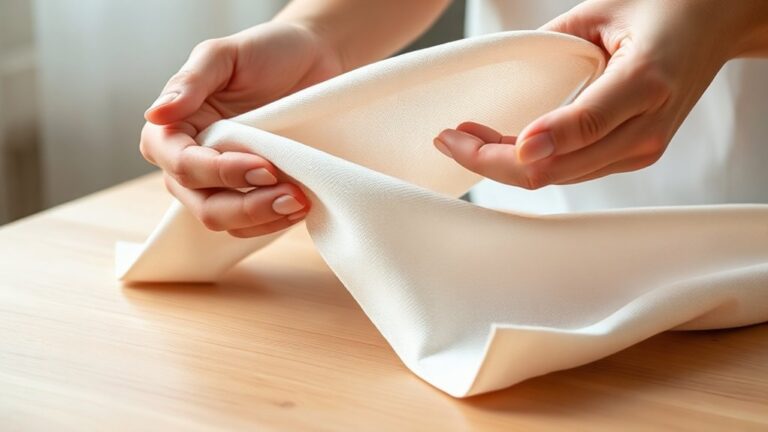
You can tell quality fabric by touch by feeling its fabric texture and doing a quick sensory evaluation. Run your fingers over it: good fabric usually feels smooth, substantial, and evenly woven, not flimsy or scratchy.
Pinch and stretch it a little; quality material bounces back well and doesn’t feel thin. You should also notice consistent weight, softness, and a refined drape, which often signal better construction and durability.
What Fabrics Are Eco-Friendly and Biodegradable?
You can choose eco-friendly fabrics without sacrificing comfort. Look for cotton, linen, hemp, wool, silk, and bamboo from responsible sources, plus recycled fibers and Tencel-like lyocell. These sustainable textiles often biodegrade, especially when you skip synthetic blends.
Organic materials help too, because they’re grown with fewer pesticides and less water. Always check labels, since finishes and dyes can change how biodegradable a fabric really is.
Conclusion
Now you know the main fabric types, from cotton and wool to polyester and nylon. You can choose soft natural fibers or durable synthetics, simple weaves or textured blends, depending on what you need.
For hot days, you might reach for breathable cotton; for cold nights, cozy wool wins. Whether you’re sewing clothes or styling a room, you can match comfort with care, and practicality with personality, every time.
Understanding the different types of fabrics helps you make the best choice for your projects, balancing style, comfort, and function perfectly.