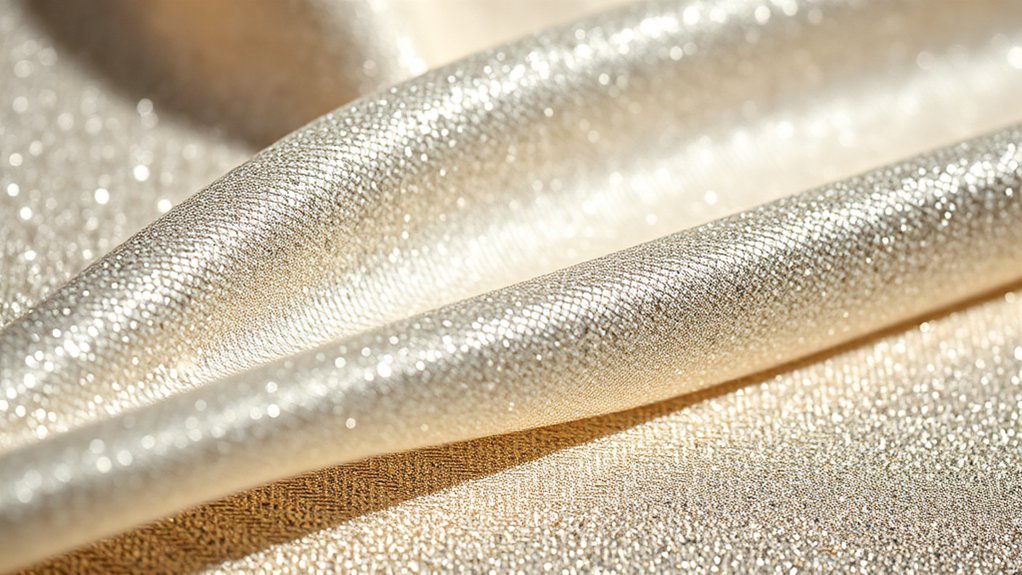
Glitter Cloth Material: Choosing the Right Fabric
Finding the perfect glitter cloth material can feel overwhelming—you’re not alone if you’ve struggled with choosing the right fabric for your sparkling projects. Many people want that perfect balance of shine, texture, and durability but aren’t sure where to start.
Let’s make it easier to find the glitter cloth that truly fits your needs.
To choose the right glitter cloth, match the fabric’s shine, drape, stretch, and care needs to your project. Polyester satin gives a smooth, bright finish, while tulle feels airy but can snag easily.
Knit fabrics stretch well, and cotton offers a matte base that needs more glitter support. Check shedding, durability, and backing before you buy, and compare price with quality.
If you keep going, you’ll see how to pick the best option with confidence.
Key Takeaways
- Glitter cloth adds sparkle through coated threads, woven fibers, or embedded particles. It’s ideal for clothing, décor, and costumes.
- Choose fabric type by project: polyester satin for shine, tulle for lightness, knit for stretch, and cotton for a matte base.
- Match the finish to your use, balancing bold sparkle or subtle sheen with the fabric’s drape, movement, and overall shape.
- Check durability, shedding, backing, and care needs before buying. Stable fabrics last longer and keep their appearance better.
- Compare price and quality by testing glitter attachment and smoothness because cheaper fabrics may flake and end up costing more over time.
What Is Glitter Cloth Material?
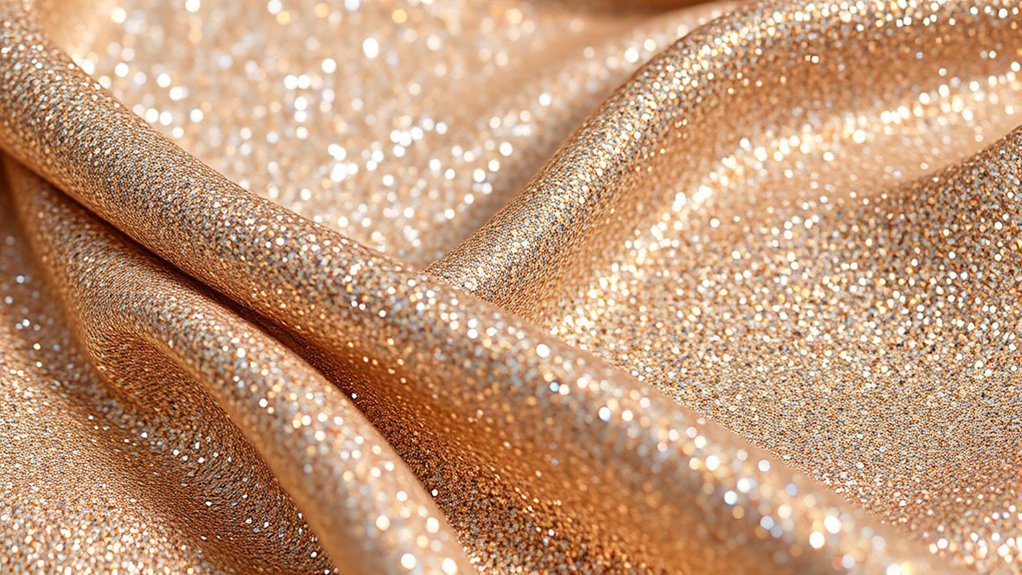
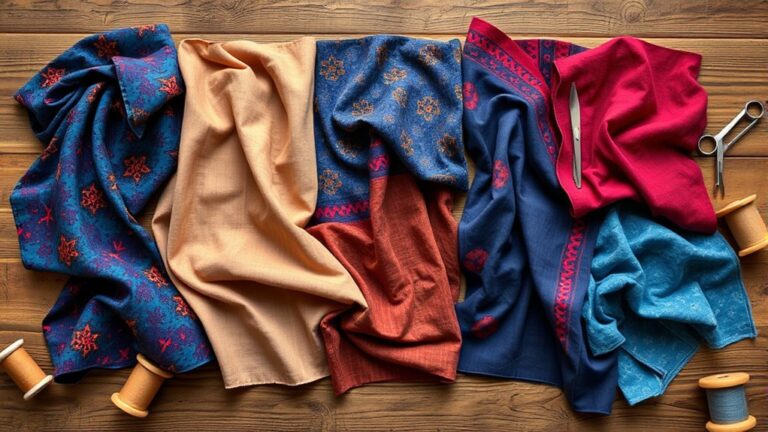
Glitter cloth material is a fabric designed to catch the light with a sparkly finish, giving clothing and décor a bold, eye-catching look. You’ll find it used when you want extra shine without sacrificing style.
The surface reflects light through woven fibers, coated threads, or embedded particles, so the effect feels vibrant and lively. You can use it for costumes, party accents, accessories, and display pieces, and each choice changes the mood of your design.
The surface catches light through woven fibers, coated threads, or embedded particles for a vibrant, lively effect.
In glitter cloth applications, you often want a fabric that stands out under bright light or camera flashes. For creative projects, you can cut, sew, drape, or layer it to add texture and drama.
Because it already delivers visual impact, you don’t need much embellishment. When you understand what glitter cloth material does, you can decide whether it fits your project goals and overall look.
Choose the Right Glitter Cloth Finish

When you choose a glitter cloth finish, think about how much shine you want and where you’ll use it. A bold sparkle can lift eveningwear, while a softer sheen suits day events or decor.
Test how the finish changes with movement, light, and the glitter color you prefer. Different finish options can also affect comfort and drape, so touch the fabric before you buy.
Choose smoother finishes when you want elegance and less shedding, or pick textured ones when you want extra visual impact.
| Finish option | Best for |
|---|---|
| Matte sparkle | Subtle accents |
| Satin gloss | Elegant clothing |
| High shine | Party looks |
| Textured shimmer | Statement pieces |
Match the finish to your project, and you’ll get a fabric that looks polished and feels right for the job.
Compare Common Glitter Cloth Types

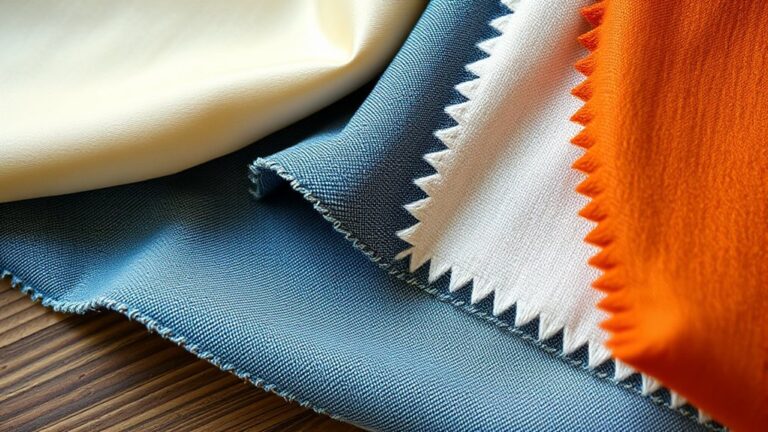
Now that you’ve picked a finish, look at the fabric type itself, since it affects shine, feel, durability, and how easy it is to work with. Polyester satin gives you a smooth, glossy base that shows glitter clearly and handles most glitter application techniques well.
Tulle feels airy and delicate, so it suits light accents, but it can snag if you press too hard. Knit fabrics move with you and work well for casual pieces, though their texture may soften the glitter effect. Cotton offers a matte backdrop that can make glitter pop, but you may need more adhesive for even coverage.
If you want long-lasting sparkle, choose a tightly woven base and match it to your project’s use. Also factor in sustainability considerations: recycled synthetics can reduce waste, while natural fibers may appeal if you prefer lower-impact sourcing.
Compare each option by performance, cost, and the look you want.
Check Glitter Cloth Drape, Stretch, and Weight
When you pick out glitter cloth, take a moment to see how it drapes and flows—this helps make sure it fits the shape you’re aiming for. Also, try stretching it a bit to check how well it bounces back after you move or wear it. Oh, and don’t forget to compare the fabric’s weight. A lighter cloth feels different and hangs differently compared to a heavier one, so it’s good to keep that in mind!
Drape and Flow
Drape is what gives glitter cloth its movement, so you’ll want to check how it hangs, stretches, and responds to weight before you buy. When you compare options, watch how the fabric falls from your hand and whether it skims or clings.
That affects color selection because a softer drape can deepen shine, while a firmer one looks sharper. It also shapes layering techniques, since light layers need fluid movement and heavier layers need a steadier fall.
| Fabric feel | Flow | Best use |
|---|---|---|
| Soft | Easy sweep | Dresses |
| Medium | Balanced | Skirts |
| Firm | Controlled | Panels |
Hold swatches up, let them move, and choose the one that matches your design’s rhythm.
Stretch Recovery
Stretch recovery shows you whether glitter cloth bounces back after being pulled, and that matters just as much as how it hangs. You should test the fabric with simple stretch techniques: tug a swatch, release it, and watch for quick return without waviness.
Good recovery means the sparkle layer stays smooth, so seams and hems keep their shape during wear. Pay attention to elasticity factors like fiber blend, knit structure, and how much give the cloth has in one direction versus another.
If it stays stretched out or ripples, it may distort in fitted pieces. When you choose wisely, you’ll get glitter cloth that moves with you, then snaps back cleanly, keeping your project polished and comfortable throughout use.
Fabric Weight
Fabric weight shapes how glitter cloth behaves, so check whether it falls softly, holds structure, or feels too heavy for your project. You’ll notice lighter fabric types drape with ease, creating fluid movement for dresses, scarves, and overlays.
Heavier options add stability, making them better for jackets, skirts, and décor that need body. Pay attention to how the glitter finish interacts with the base weave, because some fabric textures feel stiff while others stay supple.
If you want clean pleats or crisp seams, choose a medium or heavier weight. If you need comfort and flow, select a lighter cloth. Always test a swatch by holding, folding, and hanging it before you buy. This helps you match weight to design and wearability.
Pick a Comfortable Base Fabric
When you choose a base fabric, start with how it feels against your skin, because comfort sets the tone for the entire garment. You’ll enjoy glitter cloth much more when the foundation feels smooth, breathable, and flexible.
Look for comfortable blends that combine strength with softness, so the fabric moves with you instead of rubbing or stiffening. Prioritize fabric softness if you plan to wear the piece for long periods, since rough textures can quickly become irritating.
Natural fibers can feel gentler, while some synthetics add stretch and durability; the best choice depends on how your skin reacts. Test a swatch by bending it, pressing it, and wearing it briefly against bare skin.
If it feels pleasant and stays comfortable after a few minutes, you’re on the right track. A good base fabric lets the glitter finish shine without sacrificing ease, so you can wear it confidently and comfortably.
Match Glitter Cloth to Your Project
You should match glitter cloth to your project’s purpose — whether you’re making a bold costume, adding a party accent, or creating a decorative detail. Take a look at how the fabric drapes, too. You want it to move the way you want but still hold its shape.
Also, keep in mind the care requirements. Some glitter fabrics need gentler handling than others, so it’s good to know what you’re working with before you start.
Project Purpose
A glitter cloth should suit the job you need it to do, not just the look you want. You’ll choose differently for costumes, décor, or crafts, because each project asks for specific wear, shine, and handling.
Glitter history shows how these fabrics evolved from festive trims to versatile design tools. That growth expands fabric applications today.
Use this quick guide:
| Project | Best choice |
|---|---|
| Stage costume | Flexible, durable cloth |
| Party backdrop | Heavier, stable fabric |
| Craft accessory | Lightweight, easy-cut material |
| Table accent | Smooth, colorfast textile |
When you match purpose first, you avoid waste, save time, and get a better result. Your fabric should support your goal, not fight it.
Fabric Drape
Fabric drape can make or break how glitter cloth performs in your project. You should match the drape to the shape you want to create, whether you need soft folds, crisp panels, or a structured silhouette.
Lightweight glitter cloth flows better, so it suits scarves, overlays, and stage pieces that rely on fabric movement. Stiffer options hold edges and keep pleats defined, which works well for costumes, backdrops, and statement accents.
Test drape techniques by hanging a sample, pinning it, or gathering it on a form before you cut. That way, you can see how the finish reflects light as it moves. If the cloth hangs too rigidly or collapses too much, pick a different weight.
Care Requirements
Caring for glitter cloth starts with checking how much maintenance your project can handle. If you want easy fabric maintenance, choose a stable base with bonded sparkle that sheds less.
For garments, pick items you’ll wear occasionally, because frequent washing can dull the finish. For décor, you can often spot-clean and avoid full laundering.
Always read the label before you sew or buy, since care rules vary by weave and adhesive. Use gentle washing tips: turn the fabric inside out, wash cold, and skip harsh bleach or hot drying.
If your project must stay bright through heavy use, test a swatch first and compare the results. You’ll save time, protect the shine, and match the fabric to the job.
Check for Shedding, Durability, and Care
Before you commit, check how the fabric behaves over time: rub it lightly to see if it sheds, pull at the weave to gauge durability, and read the care label so you know what it will take to keep it looking good. This quick durability testing helps you spot loose glitter before it ends up on your floor or clothes.
For shedding prevention, choose a cloth that keeps sparkle anchored after gentle handling and repeated folds. You should also look for clear washing instructions, because some glitter cloths can’t handle heat, harsh detergents, or aggressive machine cycles.
If you plan to use it often, favor a fabric that stays intact after several uses and still cleans up without drama. When you test it this way, you’ll avoid material that looks great at first but falls apart fast, and you’ll choose glitter cloth that keeps its shine with less effort and fewer surprises.
Choose the Right Backing and Lining
A good backing can make all the difference, since it gives glitter fabric structure, keeps the sparkle from scratching, and helps the material drape the way you want. You should compare backing materials before you buy, because each one changes how the cloth feels against skin and how it holds shape.
If you want a smooth, flexible finish, choose a knit or soft woven base. If you need a more stable look, pick a firmer support. Then match your lining options to the project’s purpose. A lightweight lining can reduce itch and improve comfort, while a satin layer can help the fabric glide.
Choose a knit for flow, a firmer backing for shape, then add lining for comfort and glide.
- Picture a shimmering skirt lining that moves like water.
- Imagine a stage backdrop that stays crisp under bright lights.
- Envision a clutch interior that protects both glitter and fingertips.
When you test samples together, you’ll see which combination gives you the best balance of comfort, structure, and shine.
Balance Price and Glitter Cloth Quality
Once you’ve settled on backing and lining, weigh cost against the glitter fabric’s finish, durability, and drape. You don’t need the cheapest option; you need the best value for your project.
Use a price comparison across sellers, then apply a quick quality assessment by checking how firmly the glitter stays attached, how smoothly the cloth bends, and whether the surface looks even under light.
| Factor | What to look for |
|---|---|
| Finish | Consistent sparkle, no bare patches |
| Durability | Minimal shedding, strong weave |
| Drape | Soft movement without stiffness |
| Price | Fair cost for the visible quality |
If a lower-priced fabric flakes fast or feels harsh, it’ll cost you more later. On the other hand, if a premium option gives clean shine and better wear, it can justify the spend.
Compare samples side by side, and choose the cloth that fits your budget without compromising the look and feel you want.
Buy Glitter Cloth Material Confidently
When you’re ready to buy, verify the fabric details one last time so you know exactly what you’re getting. Check fiber content, backing, stretch, and how the glitter sheds. Then compare those specs with your project needs.
Verify fiber content, backing, stretch, and glitter shedding so the fabric truly fits your project.
You’ll make a stronger choice when you match texture to glitter cloth applications, whether you’re sewing costumes, décor, or statement accessories. Watch current glitter cloth trends, but don’t let style outrun function. Pick a finish that suits your light, movement, and care requirements.
- Picture a shimmering swatch under bright store lights, catching every angle.
- Imagine draping the cloth over a mannequin and seeing it hold its shape.
- Envision the finished piece sparkling on stage, in a room, or at an event.
Buy from sellers who share clear photos, sample options, and honest return policies. That way, you can order confidently and avoid surprises.
Frequently Asked Questions
How Do I Prevent Glitter Transfer Onto Other Garments?
You can prevent glitter transfer by sealing the glitter properly and handling it gently. Use strong glitter application techniques, like adhesive sprays or heat-set methods, so particles stay put.
Before wearing or washing, shake off loose bits, then turn the item inside out. Wash it separately in cold water with mild detergent. These fabric care tips help minimize shedding, protect other garments, and keep your glittery pieces looking sharp longer.
Can Glitter Cloth Be Safely Altered With a Home Sewing Machine?
Yes, you can alter glitter cloth with a home sewing machine if you use careful sewing techniques and adjust machine settings. You’ll want a sharp needle, a longer stitch length, and reduced tension to avoid snagging or shedding.
Test on scraps first, and sew slowly to keep the fabric stable. Use a walking foot if you’ve got one, and finish seams gently so you don’t damage the glittered surface or create excess mess.
Does Glitter Cloth Cause Skin Irritation for Sensitive Wearers?
Yes, glitter cloth can irritate your skin if you’re sensitive. About 10% of people report textile-related discomfort, so you’re not alone.
You may react to rough fibers, adhesives, or coatings, and fabric composition matters a lot. If you notice itching, redness, or burning, you should avoid direct contact, wear a lining, or choose a softer layer underneath.
Test it briefly first, especially on delicate areas of your body.
How Should Glitter Cloth Be Stored to Avoid Losing Sparkle?
Store your glitter cloth flat or rolled in a breathable garment bag to protect sparkle preservation. You should avoid folding it sharply, since creases can loosen glitter.
Keep it in cool, dry storage solutions away from sunlight, heat, and humidity. You can place acid-free tissue between layers to reduce friction.
Don’t stack heavy items on top, and handle it gently when you take it out to keep every shimmer intact.
Are There Eco-Friendly Glitter Cloth Options Available?
Yes, you can find eco-friendly glitter cloth options. You should look for fabrics made with sustainable sourcing and biodegradable options, such as plant-based fibers or recycled textiles with compostable sparkle coatings.
You can also choose suppliers that use low-impact dyes and responsible production methods. If you need extra shine, you might pick reusable embellishments instead of plastic glitter, so you’ll reduce waste while still getting a festive look.
Conclusion
Choosing the right glitter cloth material means balancing shine, comfort, and practicality. You’ll get the best result when you match the finish, drape, and base fabric to your project’s needs.
Did you know that nearly 70% of fabric buyers say texture matters as much as appearance? That’s why you should test for shedding, check the lining, and compare quality before you buy.
When you do, you’ll choose glitter cloth confidently and love the final look of your project.