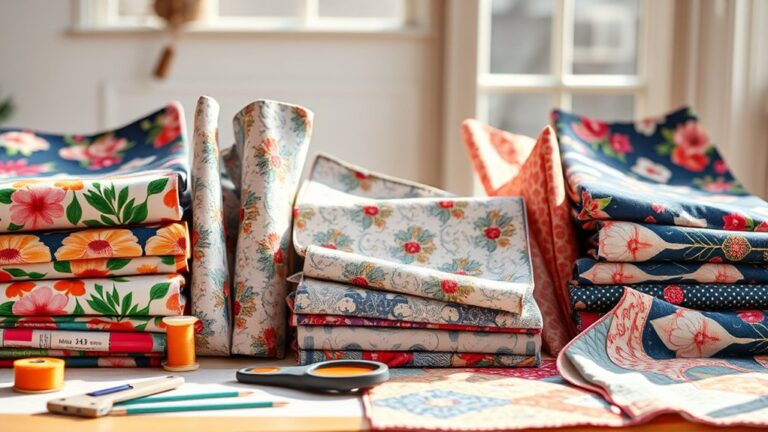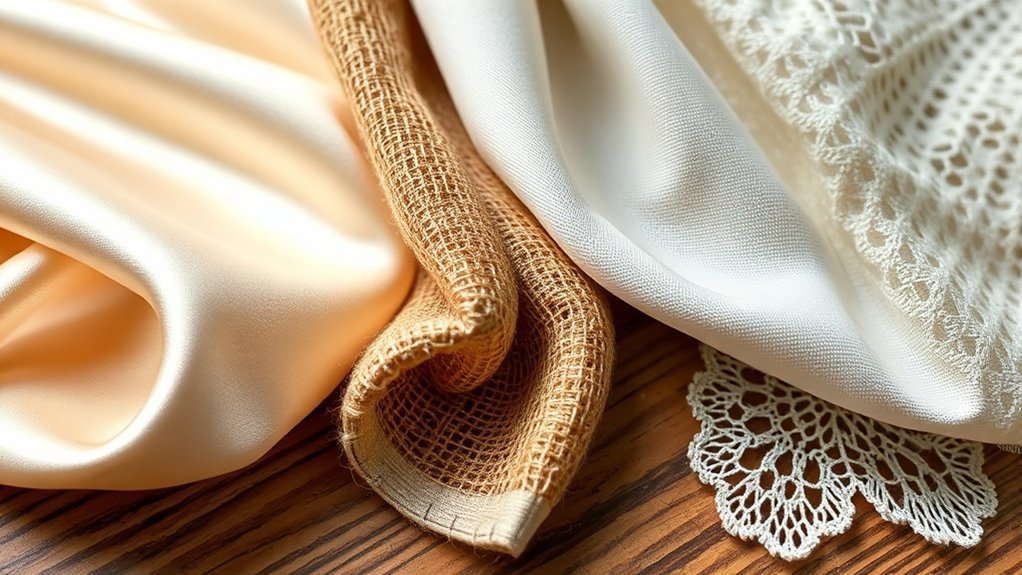
Types of Fabric for Clothing
Choosing the perfect fabric for your clothing can feel overwhelming. You want something comfortable, durable, and stylish, but with so many options, it’s hard to know where to start. You’re not alone—many people struggle with picking the right fabric that fits their lifestyle and needs.
When you choose clothing fabric, look for comfort, breathability, durability, and good shape retention.
Cotton feels soft and works well for shirts and pajamas, while linen keeps you cool in hot weather. Denim gives you sturdy everyday wear, and silk adds a smooth, dressy finish.
Synthetic fabrics like polyester and nylon dry fast, resist wrinkles, and suit activewear. The right fabric depends on how you want your clothes to look, feel, and perform, and there’s more to compare.
Key Takeaways
- Cotton is versatile, soft, and breathable. It’s ideal for shirts, dresses, pajamas, and warm-weather basics.
- Linen is lightweight, airy, and moisture-absorbing. That makes it excellent for hot climates and summer clothing.
- Wool provides warmth, insulation, breathability, and shape retention. So, it’s perfect for cold-weather garments.
- Synthetic fabrics like polyester and nylon are durable, quick-drying, and wrinkle-resistant. You’ll often find them in activewear.
- Fabric blends combine natural and synthetic fibers to improve stretch, durability, comfort, and wrinkle resistance.
What Makes a Fabric Good for Clothing
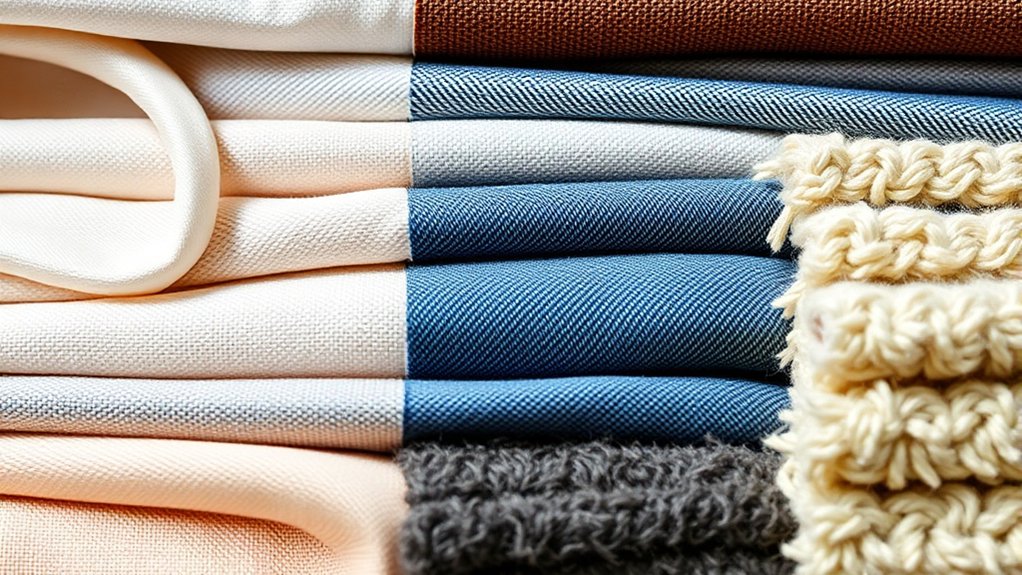
A fabric works well for clothing when it feels comfortable, breathes well, holds its shape, and suits the way you wear it. You should look at fabric composition first because fibers determine how the material feels, wears, and responds to washing.
Natural fibers can feel softer and more breathable, while blends often add durability or stretch. You also need to notice texture influence since a smooth surface can glide over skin and a nubby one can feel more structured or casual.
Natural fibers feel softer and breathe better, while blends can add durability, stretch, and structure.
Good clothing fabric should resist excessive wrinkling, keep its color, and move with you without feeling stiff. You’ll also want enough strength for daily use so seams and edges stay neat.
When you choose fabric, think about your climate, your activity, and your comfort preferences. The best choice supports your style while making each garment practical, wearable, and easy to maintain.
Why Fabric Weight Changes Fit and Feel
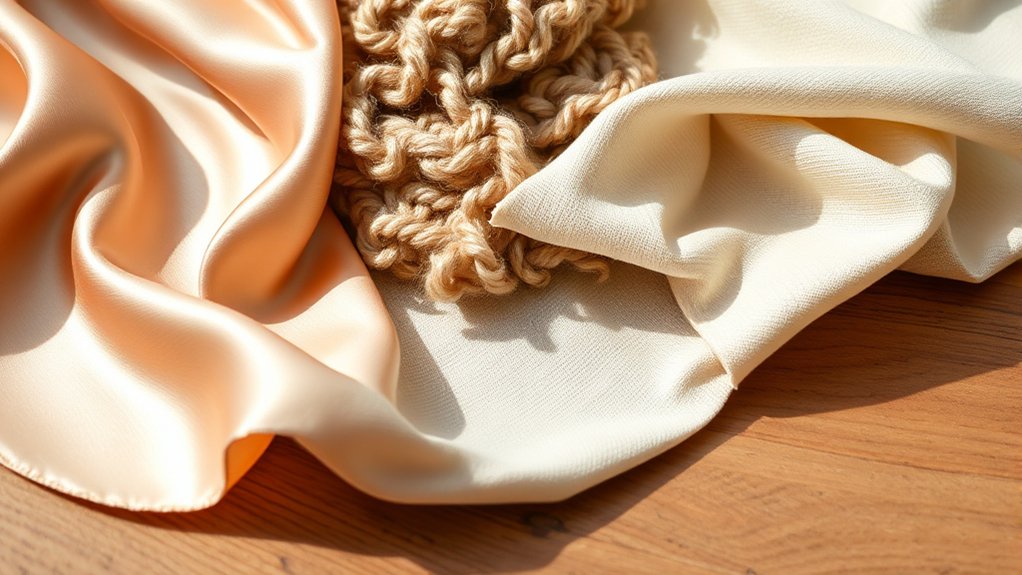
Fabric weight totally changes how your clothes drape and hold their shape. Lighter fabrics tend to feel fluid and flowy, while heavier ones give off a more structured vibe.
It’s not just about looks, though — fabric weight also affects warmth and breathability. Thicker fabrics trap more heat, making them cozy for cooler days, whereas thinner fabrics let air pass through easily, keeping you cooler.
You’ll probably notice how different weights handle stretch and movement too. Some fabrics flex and move with you, while others hold a steadier, more fixed fit. It’s all about finding the right balance for what feels good to you!
Drape And Structure
When you choose fabric, its weight can change how a garment hangs, moves, and shapes your body. Light fabrics create soft fabric drape and easy fabric flow, while heavier options add firmer structure types that hold edges and seams.
You’ll notice how fabric movement affects every step: a fluid cloth skims your frame, but a dense one defines a sharper garment silhouette. If you want drama, choose materials that fold and pool; if you want polish, pick textiles that stand away from the body.
Thoughtful fabric layering also changes the result, letting you balance volume with control. By matching weight to design aesthetics, you get fabric versatility that supports the look you want without fighting it.
Warmth And Breathability
Heavier fabrics usually trap more heat, while lighter ones let air move through more easily, so weight plays a big role in how comfortable a garment feels. When you choose a dense wool, fleece, or layered cotton, you get more thermal insulation, which helps during cold weather and indoor drafts.
If you pick a thin linen, seersucker, or lightweight jersey, you’ll feel cooler because heat escapes faster and airflow increases. Breathable fabrics also support moisture wicking, so sweat moves away from your skin and dries sooner, keeping you from feeling clammy.
You should match fabric weight to the season, your activity, and your comfort needs. A smart choice helps you stay warm without overheating, or cool without feeling exposed.
Stretch And Movement
Stretch affects how a garment moves with your body, and fabric weight changes that feel in noticeable ways. Light fabrics usually give you easier movement dynamics, while heavier ones add stretch resistance and a steadier drape. When you want comfort stretch, look for fabric blends that balance softness with elastic recovery. That way, the garment snaps back after each move.
- Lighter knits support active flexibility during daily wear.
- Heavier textiles can create firmer body contouring.
- Performance fabrics often improve freedom without sagging.
- Good stretch helps you bend, reach, and stay comfortable.
You’ll notice that weight also changes how seams pull, how hems hang, and how confidently you can move in your clothes.
Natural vs. Synthetic Fabrics
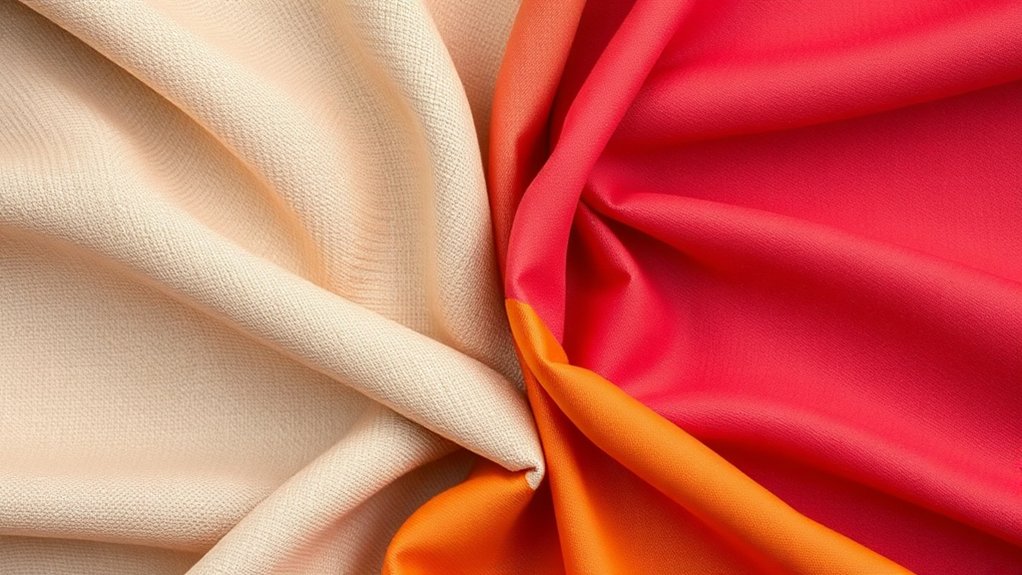
When you choose natural fabrics like cotton, wool, or linen, you often get breathability, softness, and comfort against your skin. They just feel nice and let your skin breathe. On the other hand, synthetic fabrics like polyester and nylon usually offer durability, stretch, and are easier to care for. So, they can be great if you want something that lasts and doesn’t need much fuss.
You’ll want to think about how each one feels, how it performs, and how long it will last before picking the right fabric for your clothing. It really depends on what matters most to you!
Natural Fiber Benefits
Natural fibers like cotton, wool, linen, and silk offer comfort, breathability, and a softer feel against your skin, making them a strong choice for everyday wear. You’ll also notice that these fabrics often support sustainability benefits, since many come from renewable sources and break down more naturally over time.
When you choose them, you usually enjoy better comfort factors in warm or cool weather, depending on the fiber.
- Cotton feels easy and familiar.
- Wool helps you stay cozy.
- Linen keeps outfits light.
- Silk adds a smooth finish.
These materials can also reduce irritation, so you may reach for them more often. If you want clothing that feels natural and wears well, these fibers give you a practical, timeless option.
Synthetic Fabric Traits
Synthetic fabrics take a different approach, using man-made fibers like polyester, nylon, and acrylic to create clothing that’s often durable, lightweight, and easy to care for. You’ll notice polyester benefits in its wrinkle resistance and quick drying, while nylon versatility helps gear stay strong and flexible.
If you need stretch, spandex elasticity gives garments a snug, comfortable fit. For cooler days, acrylic warmth can mimic wool without the same weight. Modern microfibers technology also improves softness and performance in activewear and linings.
Still, you should consider the environmental impact, since many synthetics come from fossil fuels and shed microplastics. When you compare fabrics, synthetic options often win on convenience, but they may lose points on sustainability.
Cotton Fabrics and Their Best Uses
Cotton fabrics earn their popularity because they’re breathable, soft, and easy to wear in many settings. You’ll find many cotton varieties, from crisp percale to smooth sateen, and each one suits a different need. When you choose cotton blends, you often gain extra stretch, wrinkle resistance, or durability without losing comfort.
That makes cotton a smart option for everyday shirts, casual dresses, underwear, and pajamas. It also works well for baby clothes because it feels gentle against sensitive skin.
- Pick lightweight cotton for warm-weather tees and tops.
- Choose denser weaves for sturdy pants and skirts.
- Use cotton blends when you want easier care and less wrinkling.
- Reach for soft cotton knits when you need relaxed, flexible comfort.
If you want fabric that’s versatile and familiar, cotton usually delivers.
Linen Fabric for Cool, Breathable Wear
Linen brings a crisp, airy feel that makes it a favorite for hot weather and relaxed dressing. You’ll notice its breathability right away since the fabric lets air move easily and helps you stay comfortable when temperatures climb.
One of the main linen benefits is its natural texture, which feels light without looking flimsy. You can wear it for shirts, dresses, trousers, and suits when you want a clean, effortless look.
Linen’s natural texture feels light yet polished, making everyday outfits look effortlessly refined.
It also absorbs moisture well, so you won’t feel as sticky on humid days. For linen care, wash it gently, avoid harsh heat, and let it dry with a little room to relax.
Expect some wrinkles; they’re part of linen’s relaxed charm. If you want clothing that feels cool, looks polished, and ages beautifully, linen deserves a place in your wardrobe.
Wool Fabric for Warmth and Layering
Wool gives you dependable warmth without making every outfit feel bulky, which is why it works so well for layering in cooler weather. You can count on wool’s natural insulation, breathability, and moisture management to keep you comfortable when temperatures drop. Its wool characteristics also help it retain shape, so your layers stay neat instead of sagging.
When you build an outfit, start with a thin base, add a light wool sweater, and finish with a tailored outer layer for smart layering techniques that trap heat without restricting movement.
Choose merino for softness against your skin. Pick midweight knits for versatile daily wear. Use wool blends when you want less itch. Rotate layers to adapt as the day changes.
If you want warmth that feels polished, wool gives you flexibility, comfort, and reliable insulation in one fabric.
Denim Fabric for Durable Everyday Pieces
When you want clothing that can take repeated wear and still look good, denim is a dependable choice for everyday pieces. You can rely on it for jeans, jackets, skirts, and shirts because its sturdy weave resists abrasion and softens over time without losing character.
Different denim varieties let you match comfort and style: raw denim feels rigid at first, while washed denim feels broken in sooner. Stretch blends can give you easier movement for daily errands or long commutes.
If you want options that fit your values, look for sustainable denim made with organic cotton, recycled fibers, or lower-impact dyeing methods. You’ll also get more mileage by choosing well-constructed seams, reinforced pockets, and timeless cuts that outlast trends.
Care stays simple too; wash it less often, cold when possible, and air-dry it to preserve color and shape.
Silk Fabric for Dressy, Luxurious Clothing
Silk brings an unmistakable sheen and fluid drape to dresses, blouses, scarves, and eveningwear, making it a natural choice when you want clothing that feels refined and looks improved. You can choose from several silk types, including charmeuse, chiffon, crepe de chine, and satin. Each offers a different level of shine, texture, and weight.
Silk works well for special occasions because it catches light beautifully and moves gracefully with you.
Charmeuse feels glossy and soft against your skin. Chiffon gives you airy layers with delicate movement. Crepe de chine adds subtle texture and elegant structure. Satin creates a polished look for dressy outfits.
To keep silk looking rich, follow simple care tips: check labels, hand wash or dry clean when needed, use cool water, and avoid direct sunlight while drying. With proper handling, you’ll enjoy silk’s luxurious appeal for years.
Synthetic Fabrics for Activewear and Stretch
If you need clothing that moves with you and handles sweat well, synthetic fabrics are a smart next choice. You’ll often see polyester, nylon, and spandex blended for activewear because they boost moisture management and dry fast.
These fibers also deliver strong performance attributes, including stretch, shape recovery, and wrinkle resistance, so you can train without feeling restricted. When you compare them, their durability usually favors synthetics over many natural fabrics, especially in high-friction spots.
Elasticity factors matter most in leggings, tops, and compression gear, where a small amount of spandex can improve comfort and fit. Many modern synthetics also offer odor resistance and better breathability features than older versions.
You’ll notice good color retention after repeated washing, too. If you want lower-impact choices, look for recycled yarns and other sustainable options that keep the same practical benefits.
How to Choose the Right Fabric by Use Case
When you’re picking fabric for clothing, begin by thinking about how you’ll wear it day to day and what feels good on your skin. It’s all about comfort, right? Next, match the fabric to your climate and activity level so it can keep you cool, warm, or flexible whenever you need it. Also, don’t forget to consider durability and care—some fabrics last longer and require less upkeep than others, which can make a big difference in the long run.
Daily Wear Needs
Everyday dressing starts with matching fabric to how you actually use your clothes. For daily wear, you want materials that feel good, hold shape, and stay easy to care for. Think about casual styles that fit your routine, then compare fabric combinations for softness and durability.
Choose color choices and print patterns that work with your wardrobe, while seasonal trends help you refresh pieces without replacing everything. Pay attention to fit preferences so garments move with you, and use layering techniques to stretch your outfits across different settings.
Keep maintenance tips simple: pick fabrics you can wash, dry, and wear again with minimal effort.
Look for comfort first.
Balance style with practicality.
Match textures to everyday outfits.
Choose pieces that stay easy to maintain.
Climate And Activity
Climate and activity should guide your fabric choice, since the same garment can feel perfect in one setting and miserable in another. In hot, humid weather, you’ll want breathable seasonal choices like cotton, linen, or lightweight blends that support moisture management and keep comfort levels steady.
In cold climates, you can lean toward wool, fleece, or layered fabrics that trap warmth without restricting movement. For exercise, travel, or outdoor work, choose fabrics that match performance needs and offer activity appropriateness through stretch, airflow, and quick-dry behavior.
If your schedule shifts between office and evening plans, fabric versatility matters more than trend-driven looks. You can still follow fashion trends, but climate impact should come first, so your clothing works with your body and environment, not against them.
Durability And Care
After climate and activity, durability and care are the next things to weigh, because the best-looking fabric won’t stay useful if it can’t handle your routine. You should match sturdy weaves to high-wear clothes, and choose gentler textiles for occasional pieces. Check how a fabric resists pilling, stretching, and fading, since fabric longevity depends on daily abrasion and washing.
For easy upkeep, favor materials that fit your laundry habits, not the other way around.
Read care labels before you buy. Wash cold when possible to reduce shrinkage. Air-dry delicate fabrics to protect fibers. Follow maintenance tips that keep shape and color intact.
When you choose wisely, you save time, money, and frustration, and your wardrobe lasts longer.
Frequently Asked Questions
How Do I Prevent Fabric From Shrinking After Washing?
You can prevent fabric from shrinking by washing it in cold water, using a gentle cycle, and air-drying whenever possible. You should also prewash new items before sewing or wearing them, since that helps them shrink before final use.
Check care labels and avoid high heat in the dryer. Fabric treatments like sanforizing or preshrinking can also reduce shrinkage, so choose treated fabrics when you want more stable results after laundering.
Which Fabrics Are Best for People With Sensitive Skin?
You’ll usually do best with soft, soothing cotton, bamboo, and silk. These natural fibers often feel gentle, and they’re breathable fabrics that help reduce skin irritation.
You should also look for hypoallergenic materials like organic cotton or linen, especially if your skin reacts easily. Choose smooth, lightweight weaves and avoid scratchy blends, wool, or rough finishes.
When you pick plush, pure, and peaceful fabrics, you’ll dress with comfort every day.
How Can I Tell if a Fabric Is High Quality in Stores?
Check the fabric’s weight, weave, and drape first. You can use texture analysis by feeling for smoothness, evenness, and how the material springs back after you scrunch it.
Inspect seams and edges for loose threads or gaps. For fabric durability, stretch it gently and see if it bounces back without thinning.
Read the fiber label, too; natural or blended fabrics often last longer when they’re tightly woven and well finished.
What Fabrics Are Easiest to Sew for Beginners?
You’ll find cotton blends, quilting cotton, and medium-weight linen easiest to sew as a beginner. They stay stable, press well, and don’t slip around much under your machine.
Choose fabrics with little stretch while you practice basic sewing techniques since they’re easier to cut and stitch cleanly. Avoid very silky, slippery, or stretchy materials at first.
As you gain confidence, you can try trickier fabrics and more advanced sewing techniques.
How Should I Store Clothing to Avoid Fabric Damage?
You should store clothing in a cool, dry, dark place to prevent fading, stretching, and mildew. Use breathable garment bags or acid-free boxes for delicate items, and fold knits so they don’t lose shape.
Keep your clothing storage clean, avoid overcrowding, and add cedar or lavender for gentle protection. For better fabric care, wash items before storing them since dirt and oils can weaken fibers over time.
Conclusion
So, when you choose fabric, you’re really choosing how your clothes will feel, fit, and last. Cotton, linen, denim, silk, and synthetics each bring something different to your wardrobe. But the best pick depends on what you need.
Will you want breathability, stretch, durability, or elegance? The answer can change everything. Keep that in mind, and you’ll start spotting the perfect fabric for clothing before you even try it on.