What Are Bearpaw Boots Made Of?
Finding the perfect winter boots that are both warm and durable can feel impossible sometimes. You want something cozy but also practical enough to handle slippery sidewalks and cold weather. If you’ve been hunting for boots that check all those boxes, you’re not alone—many people struggle with this every season.
Bearpaw boots are usually made with suede or sheepskin uppers, a soft wool-blend, shearling, or fleece lining, and a durable rubber outsole. You get a cozy, cushioned feel inside, plus traction for slick ground outside.
Some styles also include water-resistant treatments or waterproof features for extra cold-weather protection. These materials help the boots stay warm, breathable, and comfortable for everyday wear, and there’s more to know about how they compare and hold up over time.
Key Takeaways
- Bearpaw boots are commonly made with suede or sheepskin uppers for a soft, casual look and durable wear.
- Their interiors often use wool-blend, shearling, or synthetic fleece for warmth and comfort.
- Most styles have a rubber outsole for traction and everyday durability.
- Construction details like stitching, sole thickness, and moisture resistance help improve long-term performance.
- Some Bearpaw boots include treated or waterproof materials for better cold-weather protection.
What Are Bearpaw Boots Made Of?
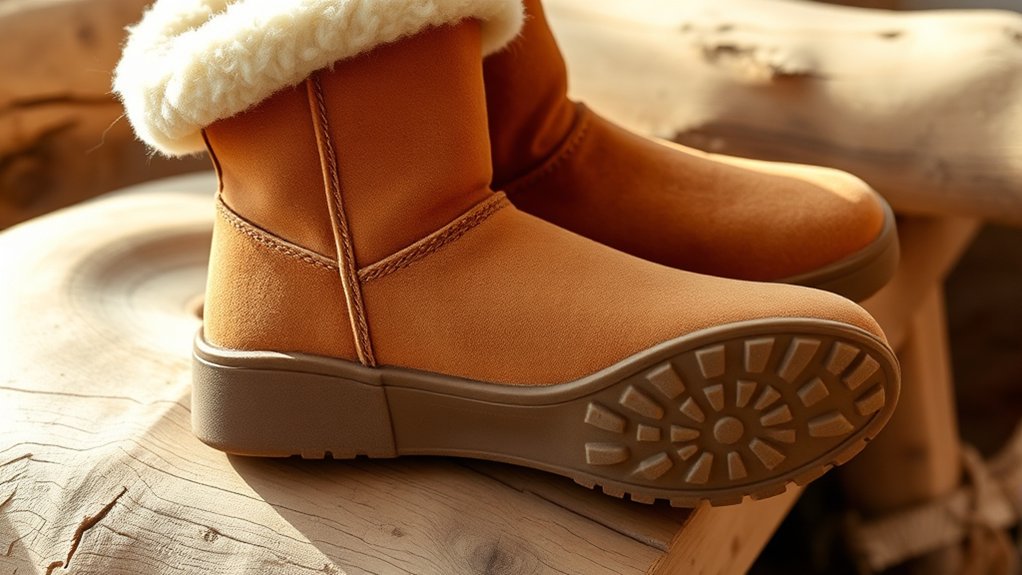
Bearpaw boots are typically made with a suede or sheepskin upper, a wool-blend or sheepskin lining, and a durable rubber outsole. You get a soft, cozy boot that balances warmth, comfort, and everyday wear.
The lining helps trap heat, while the outsole gives you traction on slick sidewalks and light outdoor surfaces. When you compare pairs, look at durability factors like stitching, sole thickness, and how well the materials resist moisture and scuffing. Those details affect how long your boots hold up through regular use.
The lining traps heat, while the outsole adds traction and durability for everyday wear.
You’ll also find style options that range from short pull-on silhouettes to taller winter-ready designs, so you can match your look without sacrificing comfort. Because the materials work together, you can wear Bearpaw boots for casual outings, cold mornings, or relaxed weekends.
If you want dependable comfort with simple styling, their material mix gives you a practical choice.
Bearpaw Boot Uppers
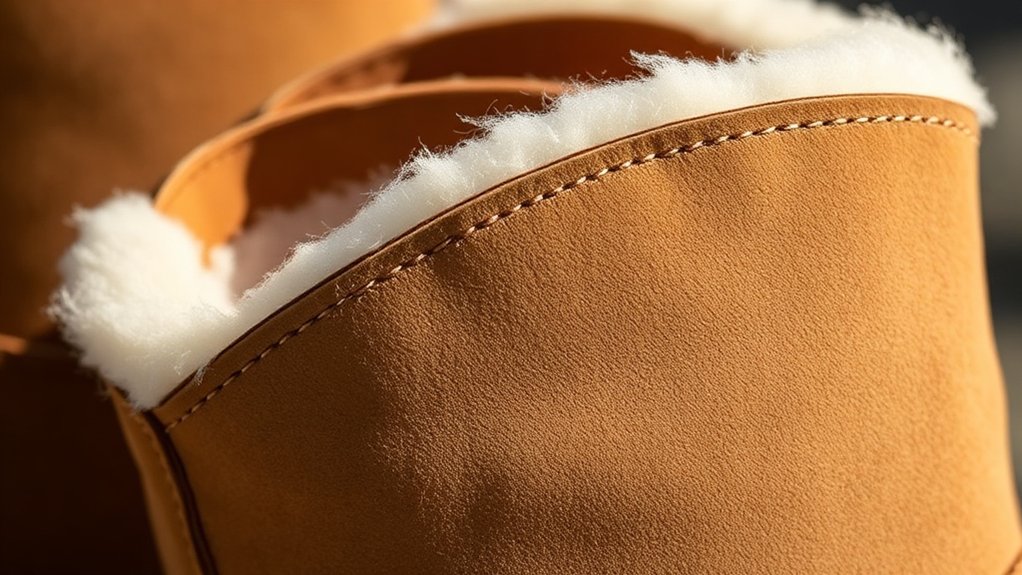
The upper is the part of the boot you notice first, and on Bearpaw styles it’s usually suede or sheepskin that gives you a soft, comfortable feel right away. You’ll see that this outer layer shapes the boot’s look, texture, and everyday wear.
Suede gives you a classic, casual finish that fits easily with fashion trends, while sheepskin adds a more natural, cozy appearance. Because the upper covers most of the boot, it also plays a major role in boot durability.
When you care for it well, you help protect against scuffs, stains, and premature wear. You can brush suede gently and keep the material dry to preserve its appearance.
If you choose Bearpaw boots, you’re getting an upper that balances style and practical use, so you can wear them often without losing their appeal.
Bearpaw Boot Lining Materials

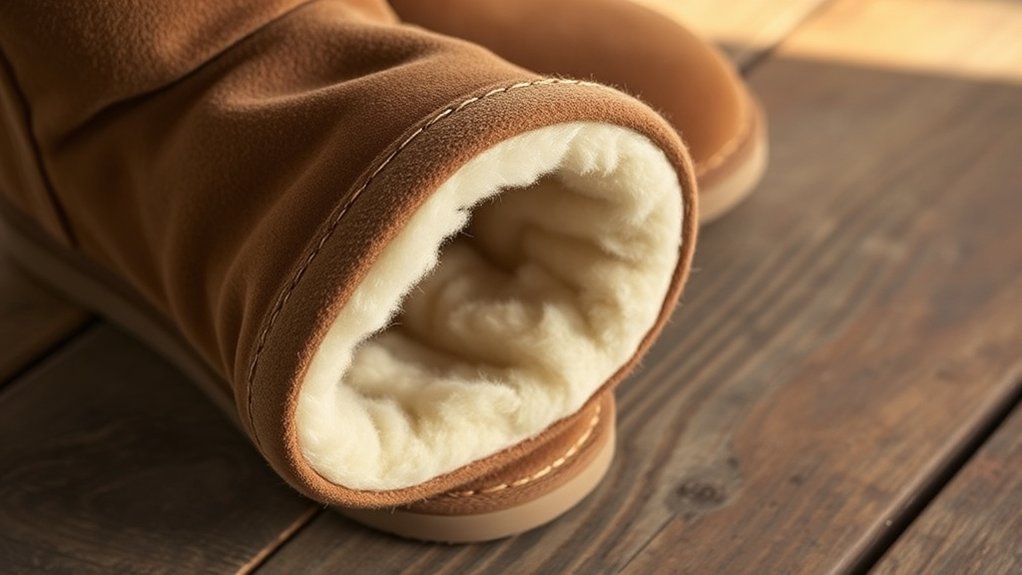
Inside Bearpaw boots, the lining is what gives you that soft, cozy feel against your foot, and it often uses plush shearling, wool, or synthetic fleece. You’ll usually notice these materials because they help manage warmth while still letting your feet breathe.
Shearling adds natural softness and strong insulation, wool can regulate temperature well, and fleece offers a lighter, lower-cost option. When you compare them, think about durability factors such as how well the lining resists flattening, moisture, and repeated wear.
Different insulation types can also change how the boot performs in cold or damp conditions, so the lining matters as much as the outside. If you want long-lasting comfort, you should pay attention to stitching, thickness, and how the lining connects to the insole. Those details affect how reliably the boot stays cozy, supportive, and ready for everyday use.
How Bearpaw Boots Feel Inside
When you slide your foot into a pair of Bearpaw boots, you’ll usually notice a soft, cushioned feel right away, with the lining doing most of the work to create that cozy interior. You’ll feel gentle pressure around your foot instead of stiffness, and that can make the boots seem broken in faster than many other winter styles.
The plush material helps support your foot without feeling rigid, so your comfort levels often stay high during everyday wear. Inside, the interior cushioning can create a snug fit that feels warm but not overly tight, which matters when you’re wearing them for long stretches.
You may also notice that the interior feels smooth against socks, reducing rough spots and helping the boot feel easy to wear. Overall, the inside of Bearpaw boots focuses on comfort, warmth, and a relaxed feel that makes them inviting from the first step.
Bearpaw Boot Soles and Traction
Bearpaw boots usually have soles designed to give you steady grip on cold, uneven surfaces, so you can move more confidently in winter conditions. You’ll often notice a patterned tread that helps you bite into packed snow, slush, and wet pavement. That design improves traction performance by spreading contact across more of the sole and reducing slips when you’re walking, turning, or stopping quickly.
You also get a sole that aims for reliable sole durability, so it can handle regular wear without breaking down too fast. The material feels flexible enough for natural movement, yet sturdy enough to support everyday use. While no boot can prevent every slide, Bearpaw’s outsole construction gives you practical grip for errands, commutes, and casual outdoor time. If you want dependable footing without bulky hardware, the sole design does a lot of the work for you.
How Bearpaw Boots Handle Cold Weather
When you wear Bearpaw boots in cold weather, their insulation works to trap warmth, keeping your feet nice and comfortable. Plus, you’ll notice they have moisture protection that helps stop snow and slush from soaking through. So, all in all, these features team up to help your boots handle those chilly, wet conditions much better.
Insulation Materials
Cold-weather comfort starts with the insulation inside Bearpaw boots, which helps trap heat and keep your feet warm in chilly conditions. You’ll usually find soft shearling, wool blends, or plush synthetic fills that create a cozy barrier around your foot.
Different insulation types affect how well the boot retains warmth, so you can choose a pair that matches your climate and activity level. Because these materials hold heat efficiently, they improve thermal efficiency without making the boot feel overly stiff.
You still get a flexible fit that moves with you, while the lining supports steady warmth during cold walks or casual winter wear. That balance of comfort and performance makes the insulation a key part of how Bearpaw boots handle chilly weather well.
Moisture Protection
Moisture protection matters just as much as warmth because damp feet can make cold-weather wear far less comfortable. You’ll notice Bearpaw boots help with moisture management by using suede, wool, and treated linings that slow water intrusion. Some styles add waterproof technology, so you stay drier in slushy conditions. Still, you shouldn’t assume every pair is fully waterproof, so check the specific model before you buy.
| Feature | Benefit | Result |
|---|---|---|
| Treated upper | Resists light moisture | Feet stay drier |
| Wool lining | Wicks perspiration | Less clamminess |
| Waterproof technology | Blocks snow and slush | Better cold-weather comfort |
When you pair these materials with good care, you get boots that handle winter moisture better and keep your feet more comfortable all day.
Are Bearpaw Boots Water-Resistant?
Bearpaw boots are generally water-resistant, not fully waterproof, so they can handle light snow, brief splashes, and damp conditions better than regular suede boots. You’ll get decent protection from everyday wear, but you shouldn’t expect them to stay dry in deep puddles or heavy rain.
Their suede and sheepskin materials naturally resist some moisture, and many styles include water resistance features that help slow absorption. To improve performance, you can use waterproofing techniques like applying a protective spray before you wear them outside.
That extra step helps repel moisture and keeps stains from setting in. Even with treatment, you’ll want to avoid soaking them and let them dry naturally if they get wet. If you care for them properly, you can extend their comfort and keep them looking better for longer.
Treat them gently, and they’ll handle typical cold-weather conditions well.
How Bearpaw Materials Compare to UGG
When you compare Bearpaw materials with UGG, you’ll notice they’re quite similar at a glance, since both rely heavily on suede uppers and sheepskin or wool lining for warmth and comfort. You’ll usually find that Bearpaw uses more budget-friendly material choices, while UGG often leans on higher-end finishes and tighter quality control.
In brand comparisons, that means you may see differences in texture, stitching, and overall consistency, even when the core materials look alike. Bearpaw also highlights sustainability practices in some product lines, but UGG has expanded its own eco-focused efforts too. So, you’ll want to check each style rather than assume the same sourcing standards.
If you’re comparing value, Bearpaw often gives you a similar look and feel for less money, while UGG may justify its price through brand reputation and refinement. Either way, both brands aim for familiar cold-weather appeal, but their material details can still set them apart.
What Bearpaw Materials Mean for Comfort
When you slip on Bearpaw boots, you’ll notice the suede outer shell right away—it’s soft and flexible, giving you a comfy fit from the get-go. Plus, the sheepskin lining isn’t just warm; it adds a nice cushioning that makes every step feel cozy and comfortable.
Suede Outer Shell
A suede outer shell gives Bearpaw boots their soft, broken-in feel right away, so you don’t have to wait long for comfort. You get a flexible upper that moves with your foot instead of fighting it, which helps the boot feel easier during daily wear.
The material also adds a refined, casual look that works with jeans, leggings, and cold-weather layers. When you think about suede durability, keep in mind that it depends on how well you treat the surface.
Good suede maintenance matters too: brush off dirt, keep moisture away, and use a protector spray if needed. With simple care, the outer shell can keep its texture, shape, and appeal while supporting comfortable, everyday use.
Sheepskin Lining Comfort
Sheepskin lining is a big reason Bearpaw boots feel so comfortable from the first wear, because it cushions your foot while helping regulate warmth. You get a soft, breathable interior that helps keep your feet cozy without overheating, even when temperatures shift.
The natural fibers wick away moisture, so you’re less likely to feel clammy during long wear. That’s one of the main sheepskin benefits: it adapts to your foot and adds a plush feel that synthetic linings often can’t match.
It also supports sheepskin durability, since the material holds up well when you care for it properly. In other words, you’re getting comfort that lasts, not just a quick break-in.
How to Care for Bearpaw Boots
To keep your Bearpaw boots looking and feeling their best, start by brushing off loose dirt after each wear. Then, let them air-dry naturally away from direct heat.
Brush off loose dirt after each wear, then let your Bearpaw boots air-dry naturally away from direct heat.
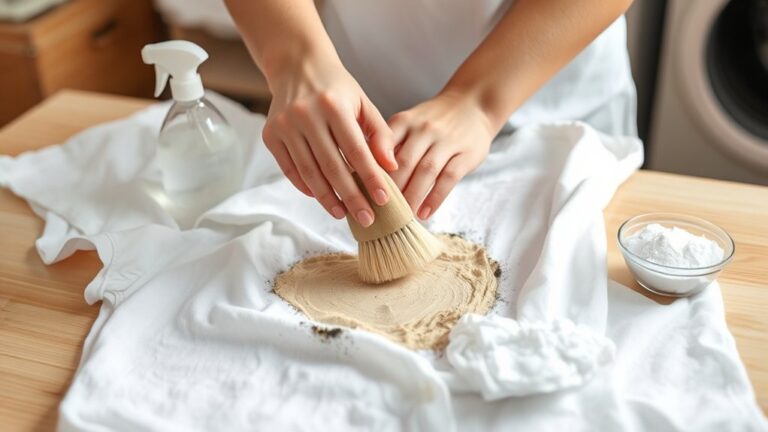
For cleaning, use a suede brush or soft cloth to lift grime without damaging the nap. If stains remain, spot-treat them with a cleaner made for sheepskin or suede, then blot gently.
Follow smart storage tips so your boots hold their shape and stay fresh between wears.
- Stuff the boots with paper to absorb moisture.
- Keep them in a cool, dry place.
- Avoid plastic bags that trap dampness.
- Spray a protector before wet weather.
- Rotate pairs so each one rests.
You should also avoid soaking them because too much water can stiffen the material and weaken seams. With regular care, your boots’ll stay soft, supportive, and ready for everyday wear.
Frequently Asked Questions
Are Bearpaw Boots Made With Real Sheepskin or Faux Materials?
Yes, you’ll find Bearpaw boots use both real sheepskin and faux materials, depending on the style. You can check each pair’s label to know which one you’re buying.
Real sheepskin gives you warmth, breathability, and softness, while a faux material comparison shows synthetic versions can cost less and be easier to care for. If you want the best fit, choose based on comfort, climate, and your budget.
Do Bearpaw Boots Contain Any Animal-Derived Glue or Adhesives?
Bearpaw boots may use animal-derived adhesives, but you can’t assume every pair does. You’ll want to check product details, ask customer service, and look for animal glue alternatives if you prefer vegan materials.
You can compare models, verify ethical sourcing claims, and choose pairs that clearly list synthetic glues. If the brand doesn’t specify, you should treat the adhesives as unknown until you confirm the exact construction.
Are Bearpaw Boot Materials Safe for People With Sensitive Skin?
Yes, you can wear Bearpaw boots if you have sensitive skin, but you should check the lining and trim first. You’ll want to watch for irritation from wool, suede, or dyes, since material safety can vary by pair.
If your skin reacts easily, try them with socks, test them briefly indoors, and review product details or contact the brand before buying. That way, you’ll reduce discomfort and stay comfortable.
Can Bearpaw Boot Materials Be Recycled or Repurposed?
Yes, you can often recycle or repurpose Bearpaw boot materials, but you’ll need to check each part first. You can separate the sheepskin, wool, rubber, and synthetic pieces, then reuse them in craft projects or send them to textile recycling programs.
Your choices support sustainability practices and can lower environmental impact. If the boots are too worn out, you can donate usable parts or upcycle them into slippers, garden wear, or pet beds.
Do Bearpaw Boots Use Sustainably Sourced Materials?
You may find that Bearpaw boots don’t consistently use fully sustainably sourced materials. Like a patchwork trail under your feet, their materials can vary by style and season.
You should check each product’s details for wool, suede, or recycled components, since the brand highlights some eco-friendly practices, but it isn’t always a full sustainable fashion choice. If sustainability matters to you, compare labels closely before you buy.
Conclusion
So, when you slip on Bearpaw boots, you’re stepping into a cozy blend of suede, sheepskin, wool, and sturdy rubber. They wrap your feet like a warm blanket on a frosty morning, giving you soft comfort, solid grip, and everyday wearability.
They aren’t built for a swim, but they really shine in chilly weather and casual outings. With a little care, you can keep them looking and feeling good for seasons to come.
That’s what Bearpaw boots are made of, and it’s why they’re a favorite for cozy, reliable footwear.