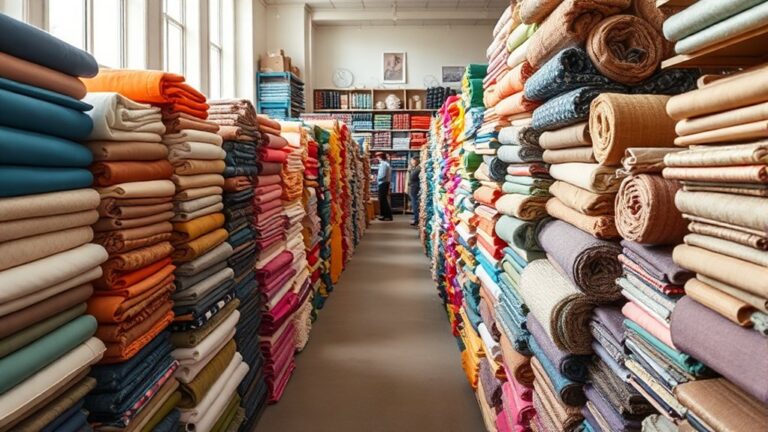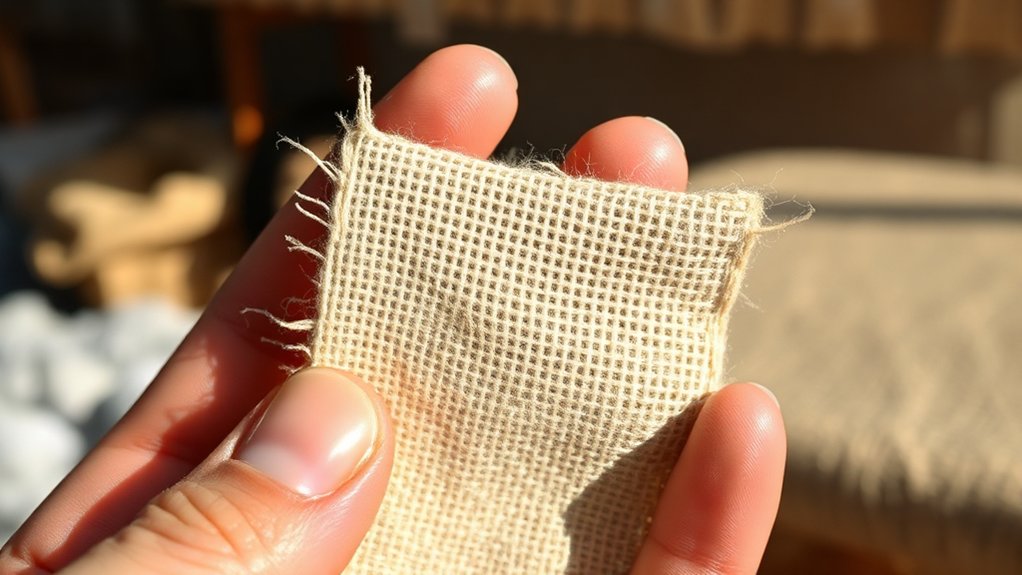
What Is GSM in Fabric?
Choosing the right fabric can be confusing, especially when you see terms like GSM thrown around. If you’ve ever wondered what GSM means and how it affects the feel and quality of your clothes, you’re not alone. Many people struggle to understand fabric weight and density, which makes picking the perfect material for shirts, hoodies, or outerwear a challenge.
GSM in fabric means grams per square meter, so you’re measuring how much one square meter of fabric weighs. It helps you compare fabric density, thickness, drape, and feel across different materials.
Higher GSM fabrics usually feel heavier, warmer, and more durable, while lower GSM fabrics are lighter and more breathable. You can use GSM to choose the right fabric for shirts, hoodies, linens, or outerwear, and there’s more to know if you keep going.
Key Takeaways
- GSM means grams per square meter, showing how much one square meter of fabric weighs. It provides a standard way to compare fabric density and weight across different materials.
- Higher GSM fabrics are usually heavier, warmer, and more durable, while lower GSM fabrics are lighter and more breathable.
- Common GSM ranges help identify uses, such as T-shirts at 100–150 GSM and outerwear above 400 GSM.
- GSM is only one factor; weave, fiber type, and finish also affect fabric feel, drape, and performance.
What GSM Means in Fabric
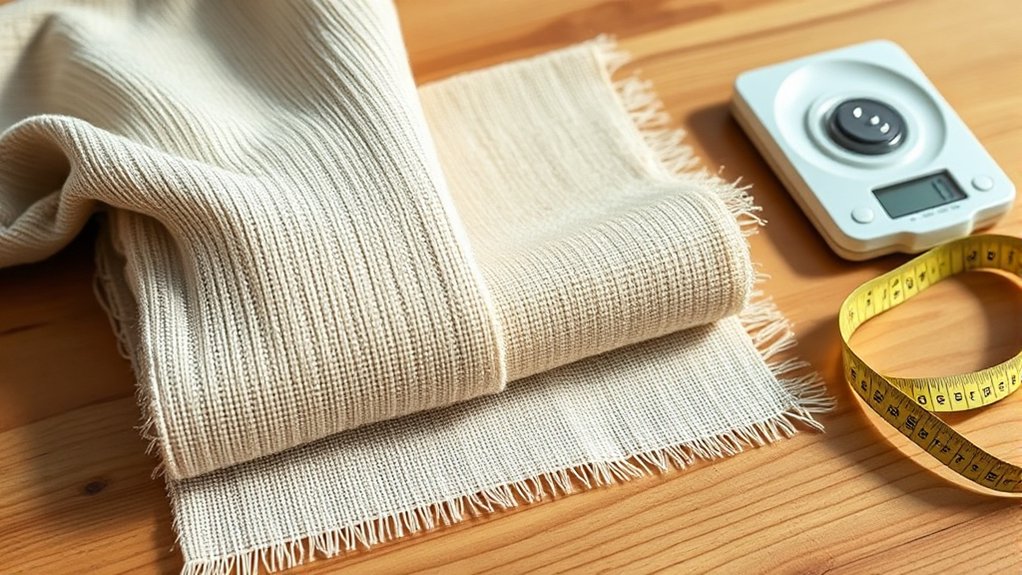
GSM, or grams per square meter, tells you how much a fabric weighs over a set area. You use this fabric measurement to compare materials by density, not by size alone.
When you check GSM, you see how much fiber a square meter contains, which helps you judge textile quality more accurately. A higher GSM usually means the cloth has more mass in each area, while a lower GSM means it has less.
A higher GSM usually means more mass per square meter, helping you judge fabric quality more accurately.
This number gives you a simple, standardized way to read fabric specs across cotton, polyester, linen, and blends. You don’t need to guess whether one material is heavier than another; GSM lets you compare them directly.
Manufacturers, designers, and shoppers all rely on it because it turns fabric selection into a clear, measurable process. If you know the GSM, you understand an important part of a fabric’s identity and can choose more confidently for your project or product.
Why GSM Affects Fabric Feel and Durability

When fabric has a higher GSM, you usually feel more substance, weight, and warmth in your hand, while a lower GSM often feels lighter, thinner, and more breathable. That difference shapes fabric comfort and texture perception right away. You also notice how weight balance changes drape, structure, and how the cloth moves against your skin.
- Higher GSM can add strength, helping performance longevity in daily use.
- Lower GSM can improve airflow, which suits warm-weather fabric applications.
- The right GSM supports durability factors without sacrificing comfort or style.
You should match GSM to user preferences and the job the fabric needs to do. A heavier textile often resists wear better, while a lighter one may feel softer and easier to wear. Makers also use industry standards to guide choices, but the best result depends on how you plan to use the fabric and what feel you want.
How to Read Fabric GSM Numbers
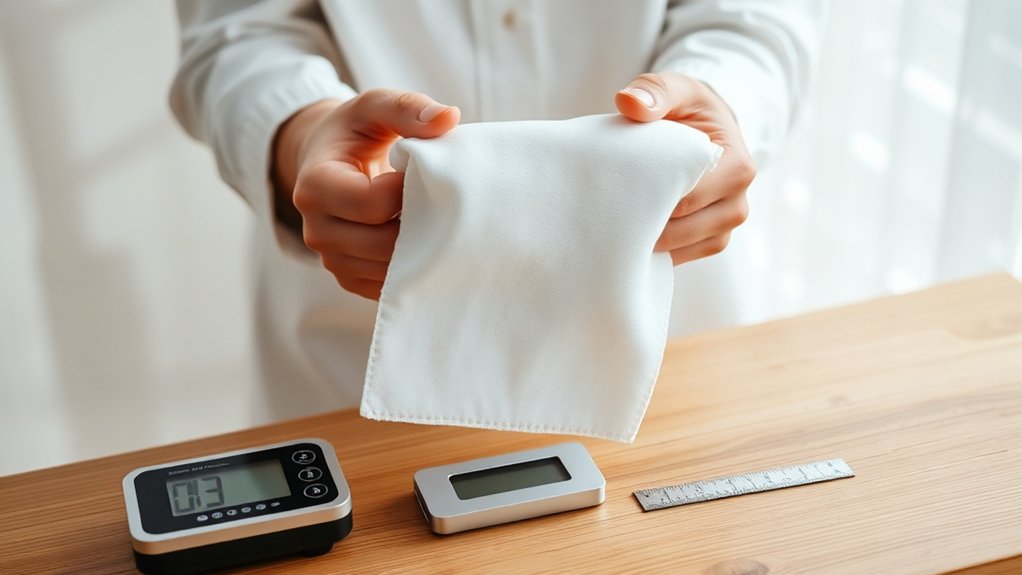
When you read a fabric GSM number, you’re basically seeing how much one square meter of that material weighs in grams. It’s a simple way to compare fabrics and figure out which one feels lighter or heavier.
But here’s the thing—you should also check the weight range. That’s because fabrics with similar GSM numbers can still perform differently depending on their exact weight.
Once you get the hang of those ranges, it becomes easier to pick fabric that’s just right for what you need.
Reading GSM Values
To read a fabric’s GSM, check the number listed on the label, product sheet, or spec chart. This figure tells you how much one square meter of the fabric weighs in grams. You can use that number to judge fabric versatility and choose the right gsm applications, whether you’re sewing, buying yardage, or specifying materials for a project.
- A lower GSM usually signals a lighter, more breathable fabric.
- A midrange GSM often suits everyday garments and home textiles.
- A higher GSM can indicate a denser, sturdier cloth.
When you read GSM correctly, you’ll match the fabric’s feel and function to your needs faster. It also helps you compare options without guessing, so you can make smarter, more consistent choices every time.
Comparing Fabric Weights
Fabric weight numbers make comparison simple because GSM gives you a direct, apples-to-apples way to judge different textiles. You can use that figure to compare fabric comfort, texture comparison, and softness levels without guessing.
A lower GSM often feels lighter and airier, while a higher GSM can signal more substance and drape. Those weight implications matter when you choose clothing, bedding, or upholstery because they affect how a piece feels in daily use.
You’ll also notice differences in fabric longevity since denser materials may resist wear better. Use GSM to judge usage suitability, seasonal choices, and layering options, so you pick fabrics that match your needs and climate.
When you compare samples side by side, the number helps you make faster, smarter decisions.
Understanding Weight Ranges
GSM numbers usually fall into broad ranges that make fabric easier to interpret at a glance. You can treat 80-150 GSM as light, 150-300 as medium, and 300+ as heavy. Then compare fabric types by feel and function.
- Light fabrics suit airy fabric applications like shirts and linings.
- Medium ranges balance drape, durability factors, and comfort for everyday usage scenarios.
- Heavy fabrics support rugged design considerations, from outerwear to upholstery.
When you read GSM, check material blends and production methods too because they shift a fabric’s real performance. A cotton-poly blend may weigh the same as wool yet behave differently in a weight comparison.
Use the number as a guide, not a rule, and match it to your project’s needs.
Common GSM Ranges for Fabrics
Although GSM can vary widely, most fabrics fall into a few common ranges that help you quickly judge weight and use. You’ll usually see lightweight fabrics around 50–150 GSM, medium options from 150–300 GSM, and heavier textiles above that. These ranges guide GSM applications, reduce GSM misconceptions, and show how GSM variations affect fabric choice.
| GSM Range | Typical Use |
|---|---|
| 50–100 | Sheer linings, scarves |
| 100–150 | T-shirts, blouses |
| 150–250 | Shirts, sheets |
| 250–400 | Hoodies, denim |
| 400+ | Outerwear, upholstery |
You can use GSM quality and GSM standards to compare products more confidently. At the same time, GSM sustainability, GSM innovations, and GSM trends keep changing what’s available. When you know the range, you can match fabric performance to your project faster and avoid guesswork.
GSM vs. Thickness, Weight, and Drape
When you look at GSM, you’re not just checking fabric weight—you’re also getting clues about thickness, drape, and handfeel. A higher GSM often means a thicker, heavier fabric, but it doesn’t always mean it’ll hang or move the same way. So, you’ll want to compare all of these factors together to really get a sense of how the fabric will feel and perform.
GSM And Fabric Thickness
A fabric’s GSM gives you a quick clue about its density, but it doesn’t tell the whole story about thickness. You need to look at how fibers, yarns, and weave construction shape the fabric’s characteristics.
A higher GSM measurement often means more material in each square meter, yet that can still produce a thin cloth if the yarns are compact and fine. Consider this:
- Loose weaves can feel thicker without much weight.
- Tight knits may seem slim but still carry a high GSM.
- Finishing processes can change surface bulk without altering density much.
Weight, Drape, And Handfeel
GSM also helps you predict how a fabric will wear on the body, not just how heavy it is on the scale. When you compare fabrics, you’ll notice that higher GSM often means more body, less airflow, and a sturdier feel, while lower GSM usually feels lighter and more fluid.
That doesn’t mean every heavy fabric hangs the same, because fiber content, weave, and finish also shape drape characteristics. For example, a dense knit may stretch and flow, while a tight woven cloth can feel crisp and structured.
Your handfeel comparison should also consider softness, loft, and surface texture, since two fabrics with similar GSM can feel very different in use. Always test how it moves, settles, and touches skin before you choose it.
How to Choose the Right GSM
Choosing the right GSM starts with how you plan to use the fabric, because weight affects drape, durability, warmth, and opacity. For apparel, you’ll usually want a different target than for home goods, and that’s where smart fabric selection tips help you narrow choices fast.
Think about the final feel you want, then compare samples at an ideal GSM for that purpose.
- Match the project: lightweight fabrics suit airy garments, while heavier ones work better for structured pieces.
- Test the look: hold the fabric up to light and check whether it gives you enough coverage.
- Consider care and wear: choose a GSM that fits how often you’ll use, wash, and handle the item.
When you compare options side by side, you can make a confident choice without guessing.
How GSM Affects Breathability and Performance
When you go for a lower GSM fabric, you’ll usually notice better breathability and airflow. That means it can keep you cooler and more comfortable. On the flip side, higher GSM fabrics tend to feel heavier and offer more structure.
But here’s the catch—they can also limit ventilation and affect how the material performs. So, it really comes down to finding the right balance between weight and breathability depending on how you plan to use the fabric.
Breathability And Airflow
Ever wondered why some fabrics feel cool and airy while others trap heat? GSM helps you spot how open a fabric’s structure is, so you can judge breathability and airflow more accurately. Lighter weaves often let air move through more freely, while denser constructions can slow that exchange.
When you choose breathable materials, you’re also choosing how well moisture vapor escapes and how comfortably your skin stays ventilated.
- Lower GSM can support easier airflow dynamics.
- Balanced construction helps you stay cooler during activity.
- Tight, heavy knits may feel less ventilated in warm conditions.
You’ll notice that GSM doesn’t act alone; fiber type, weave, and finish also shape how fabric breathes. By checking these details together, you can pick textiles that feel fresher, drier, and more comfortable.
Weight Impact On Performance
Fabric weight changes how a material performs, and GSM gives you a quick way to see that difference. When you choose a higher GSM, you usually get more structure, warmth, and durability. But you may also notice less airflow and slower drying.
Lower GSM fabrics feel lighter, move better, and support better breathability. Yet they can wear out faster if you push them hard. You should think about weight distribution because it affects drape, comfort, and fabric performance.
GSM also helps you judge material quality, fabric longevity, and garment suitability for workouts, uniforms, or relaxed layers. It matters for seasonal appropriateness, environmental impact, and cost considerations too, since heavier textiles often use more resources and can cost more to make and ship.
GSM in Cotton, Polyester, and Linen
Because different fibers behave differently, GSM means something slightly different in cotton, polyester, and linen. In cotton, higher GSM often signals richer cotton characteristics: more absorbency, a softer hand, and better coverage for tees, towels, and bedding.
For polyester, GSM helps you judge durability and drape, so you can match polyester uses to sportswear, liners, or workwear without guessing. Linen sits somewhere else; its lower-to-mid GSM often delivers breathable linen benefits, crisp texture, and a relaxed look that works well in warm-weather fabric applications.
- Cotton: choose higher GSM when you want comfort and substance.
- Polyester: choose the right GSM when you need strength and easy care.
- Linen: choose lighter GSM when you want airflow and natural texture.
You’ll get the best results when you pair fiber type with the feel, structure, and purpose you want from the fabric.
How to Test Fabric GSM at Home
You can test fabric GSM at home with a simple scale, a ruler, and a small sample. For fabric testing, cut a square or circle, then weigh it on a digital scale.
Measure its length and width, or its diameter if it’s round, and calculate the area in square meters. Divide the weight in grams by that area, and you’ll get the GSM. These home methods work best when you use a flat, wrinkle-free piece.
| Sample shape | Measure | Result |
|---|---|---|
| Square | Length × width | Area |
| Circle | Diameter | Area |
| Any sample | Weight | Grams |
| Any sample | Weight ÷ area | GSM |
| Repeat | 2–3 times | Average |
If you test several spots, you’ll see how consistent the fabric is. Keep your notes together, and compare fabrics side by side to judge weight and feel more confidently.
Common Mistakes When Judging GSM
Even after you know how to test fabric GSM at home, it’s easy to misread the results if the sample isn’t prepared well. You might assume a heavier fabric is always better, but gsm myths can lead you off track. Weight alone doesn’t tell you how the fabric drapes, breathes, or performs.
Even after testing GSM at home, don’t judge fabric by weight alone.
You also shouldn’t compare different weaves or finishes as if they’re identical, because fabric misconceptions often start there. A knit and a woven cloth with the same GSM can feel totally different.
- Cut a flat, unwrinkled sample before weighing.
- Compare like with like: same fiber, weave, and finish.
- Keep in mind that thickness and density aren’t the same thing.
When you judge GSM, focus on context, not just numbers. That way, you’ll avoid bad assumptions and choose fabric that truly fits your project.
Frequently Asked Questions
Does GSM Change After Washing?
Yes, GSM can change after washing, though usually only a little. You may see slight shifts because washing effects can make fabric fibers swell, relax, or shrink, which can affect measured weight per area.
That doesn’t always mean poor fabric durability. Your care method, water temperature, and drying style matter a lot. If you wash gently and follow the label, you’ll help keep the fabric’s GSM more stable over time.
Is Higher GSM Always Better?
No, higher GSM isn’t always better. You’ll get more weight, but that doesn’t guarantee comfort, breathability, or durability.
GSM benefits include a thicker feel and often better opacity. But people sometimes think heavier fabric always means superior fabric, which isn’t true.
You should match GSM to the garment’s purpose, climate, and drape. A light tee, for example, can outperform a heavy one in comfort and wearability.
Can Two Fabrics Share the Same GSM?
Yes, two fabrics can share the same GSM, and that’s the fun part of textile science. You might assume equal numbers mean equal feel, but fabric weight can hide big differences.
Material composition, weave, and finish all change how a fabric drapes, breathes, and performs. So don’t judge by GSM alone; you’ll need to check the fiber blend and structure to really know what you’re getting.
How Does GSM Affect Printing on Fabric?
GSM affects how your print sits, looks, and lasts on the fabric. Heavier fabric weight usually absorbs ink better, so you’ll get sharper detail and stronger print durability.
Lighter fabrics can show through, stretch the image, or let colors fade faster. You’ll also notice that thick weaves may need more ink or different printing methods.
Matching GSM to your design helps you achieve cleaner results and longer-lasting prints overall.
Is GSM Important for Upholstery Fabrics?
Yes, gsm is important for upholstery fabrics, and you’ll feel why fast. Higher gsm often means stronger fabric durability, better structure, and longer wear. Lower gsm can feel lighter but may not last as long.
You’ll also notice upholstery comfort changes with gsm, since denser fabrics can feel firmer or more substantial. Still, you shouldn’t rely on gsm alone; weave, fiber, and finish matter too.
Conclusion
So, when you see GSM on fabric, you’re really being handed the textile world’s favorite little status badge because apparently every cloth needs a number to prove it’s worth your trust. Higher GSM usually means more weight and durability, while lower GSM often feels lighter and airier.
Still, you shouldn’t judge fabric by GSM alone. You’ve got to think about weave, fiber, and drape too, or you’ll end up buying a “premium” mistake. Understanding what GSM means in fabric helps, but it’s just one part of the whole story.