What Is a GSM Fabric Chart?
Choosing the perfect fabric can be confusing, especially when you’re shopping online and can’t feel the material yourself. You’re not alone—many people struggle to understand how heavy or light a fabric really is before making a purchase.
That’s where a GSM fabric chart comes in handy.
A GSM fabric chart helps you compare fabric weight in grams per square meter, so you can judge how light, medium, or heavy a material feels. You use it to estimate drape, thickness, breathability, and structure before you buy.
Lower GSM fabrics are usually lighter and airier, while higher GSM fabrics feel denser and sturdier.
It’s a handy guide for choosing the right fabric for clothes, upholstery, or online orders, and there’s more to uncover next.
Key Takeaways
- A GSM fabric chart shows fabric weight in grams per square meter for quick comparison. It helps estimate a fabric’s thickness, density, drape, and structure.
- Lower GSM means lighter, airier fabric. Higher GSM means heavier, sturdier fabric.
- Common ranges are lightweight 30–150 GSM, midweight 150–300 GSM, and heavyweight 300+ GSM.
- GSM is useful for choosing fabrics, but weave and fiber type also affect feel and performance.
What Is a GSM Fabric Chart?

A GSM fabric chart is a quick reference that shows the weight of fabric measured in grams per square meter. It helps you compare materials by thickness, density, and feel. You use it to identify how different textiles stack up at a glance.
A higher GSM usually points to a heavier cloth, while a lower GSM often means a lighter one. The chart helps you read fabric characteristics such as drape, structure, and surface presence without guessing.
When you shop, design, or source materials, you can rely on this weight measurement to narrow choices fast. It’s especially useful because the same fiber can feel different depending on construction and finish. By checking the chart, you make smarter decisions and match fabric to your project’s needs more confidently.
What GSM Tells You About Fabric Weight

GSM tells you how much a fabric weighs per square meter, which helps you get a quick sense of its thickness and feel. So, if you come across a lower GSM fabric, it usually means it’s lighter and more breathable. On the other hand, higher GSM fabrics tend to feel denser and sturdier.
When you understand GSM, it becomes easier to compare fabric density. That way, you can pick the right material for whatever project you’re working on without any guesswork.
GSM Weight Basics
Fabric weight becomes much easier to understand once you know what GSM means: grams per square meter, the standard measure that tells you how much one square meter of fabric weighs. You can use gsm standards to judge fabric weight quickly and consistently.
This weight measurement helps you with fabric classification, so you can compare textiles without guessing. When you check GSM, you see clear weight implications for material durability, drape, and how the fabric performs in real use.
That’s why GSM matters for textile comparison and everyday fabric applications. It gives you practical gsm significance and reliable weight guidelines when you choose materials for sewing, production, or buying. By reading GSM correctly, you make smarter decisions about the fabric you need.
Light Vs Heavy Fabrics
Once you understand GSM, you can start telling light fabrics from heavy ones with much more confidence. Lower GSM usually means a lighter cloth that feels airy, drapes softly, and works well for shirts, linings, and summer wear. These light fabric characteristics help you choose materials that stay comfortable when you need breathability and easy movement.
Higher GSM points to a thicker, denser fabric that feels sturdier, warmer, and more structured. You’ll often see heavy fabric applications in jackets, denim, upholstery, towels, and workwear, where durability matters more than drape.
GSM doesn’t tell you everything, but it gives you a fast, practical way to judge whether a fabric should feel delicate or substantial before you buy it.
Reading Fabric Density
Think of GSM as a quick snapshot of how dense a fabric is: the higher the number, the more material packed into each square meter. The cloth will feel heavier and usually sturdier. When you read a GSM fabric chart, you’re really comparing fabric properties like thickness, drape, and durability.
A low GSM usually means a lighter, airier textile that works well for summer clothing or linings. A higher GSM signals more body and warmth, which suits sweatshirts, denim, or upholstery. Still, don’t judge by weight alone.
Weave, fiber type, and finish can change how a fabric feels in your hand. Use GSM as one of your key weight considerations, then match it to the project’s comfort, performance, and style needs.
Why GSM Matters for Fabric Choice
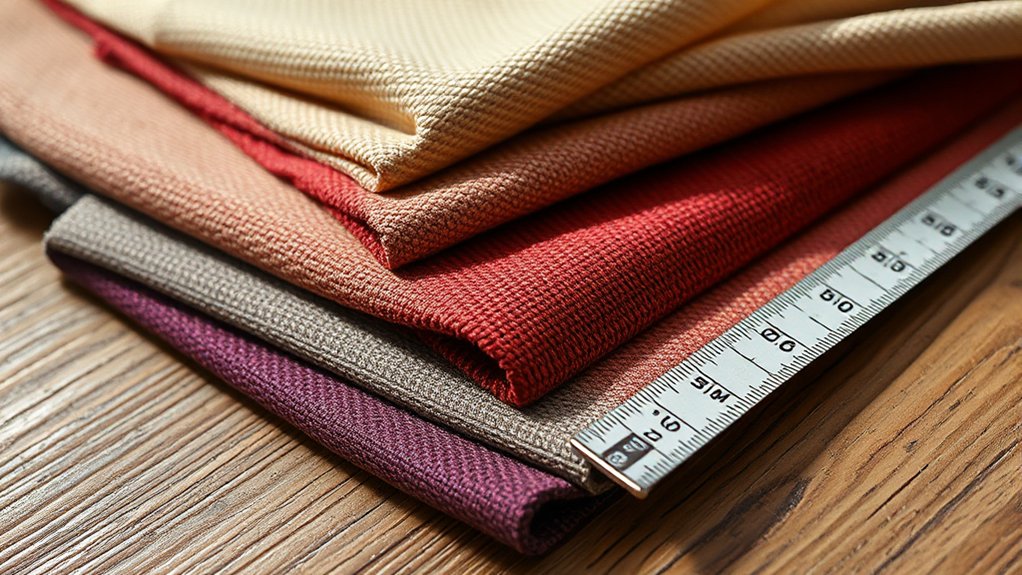
GSM matters because it gives you a quick, reliable way to judge a fabric’s weight, thickness, and often its durability before you buy or use it. You can compare options fast, and that helps you match material to comfort, structure, and purpose.
Higher GSM often changes weight perception, making fabric feel sturdier, denser, and more substantial in your hand. Lower GSM can feel lighter and softer, which may suit garments or products that need easier movement. It also helps you avoid surprises when you expect one feel and get another.
Higher GSM feels sturdier and denser, while lower GSM offers a lighter, softer drape.
- You can assess fabric durability more confidently.
- You can choose materials that fit your project’s comfort needs.
- You can make smarter buying decisions without guessing.
When you use GSM as a guide, you reduce waste, save time, and pick fabric that performs the way you expect.
GSM Ranges for Lightweight to Heavy Fabrics
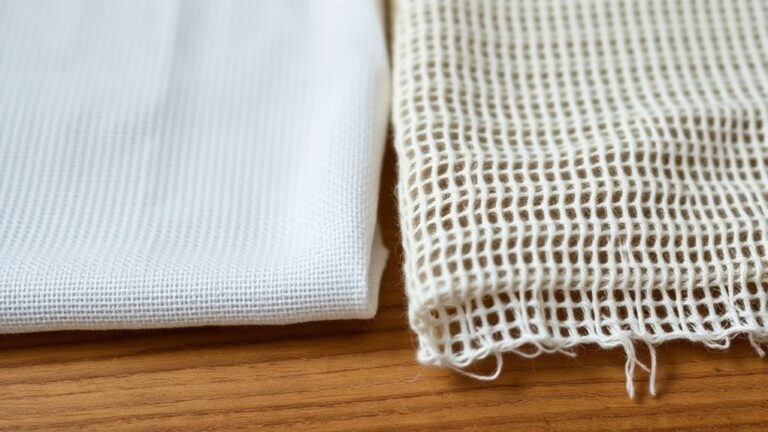
You can sort fabrics into lightweight, midweight, and heavyweight categories by checking their GSM. Lower GSM fabrics tend to feel airy and flexible. On the other hand, midweight options strike a nice balance between comfort and structure. Then, higher GSM fabrics come across as denser, thicker, and more durable.
Lightweight Fabric GSM
A fabric’s weight can tell you a lot about how it will drape, breathe, and perform. Lightweight textiles usually fall at the lower end of the GSM scale, often around 30 to 150 GSM depending on the fiber and weave. When you choose lightweight fabric, you’ll notice it feels airy, soft, and easy to layer for many fabric applications.
- You can use it for shirts, scarves, and linings.
- You’ll see better airflow and quicker drying in warm conditions.
- You may prefer it when you want less bulk and a fluid silhouette.
In practice, lower GSM helps you balance comfort and function without adding unnecessary weight. If you’re comparing options, check the weave and fiber content because they shape the final feel just as much as the number does.
Midweight Fabric GSM
Midweight fabrics sit in the versatile middle of the GSM chart, typically ranging from about 150 to 300 GSM, and they strike a balance between structure and comfort. You’ll find them thick enough to hold shape, yet soft enough for everyday wear.
These midweight fabric benefits make them a smart choice when you want durability without sacrificing breathability. In practice, midweight fabric applications include shirts, trousers, hoodies, dresses, and light jackets.
You can rely on this range when you need a fabric that drapes well, feels substantial, and still moves with you. If you’re comparing GSM values, midweight options often give you the most flexibility across seasons and uses, making them a practical middle ground for many projects.
Heavyweight Fabric GSM
At the heavier end of the GSM scale, heavyweight fabrics usually start around 300 GSM and can go well above that, giving them a dense, sturdy feel. You’ll notice they resist wear, hold structure, and offer warmth, which makes them ideal when you need durability and coverage. These heavyweight benefits matter in garments and products that face frequent use.
You can choose heavyweight cotton for jackets, workwear, and canvas bags. You can rely on denim, fleece, and upholstery fabrics for long-lasting strength. And you can match heavyweight applications to cold-weather pieces, structured interiors, and protective gear.
When you compare GSM ranges, heavyweight fabrics sit at the toughest end. So, you’ll usually pick them when performance matters more than drape or breathability.
How to Read a GSM Fabric Chart
To read a GSM fabric chart, start by matching the grams per square meter value to the fabric’s weight category. The number tells you how dense and substantial the material feels. You can then compare that figure with your project’s needs to judge fabric thickness and material durability.
Lower GSM usually means a lighter, softer cloth, while higher GSM suggests a sturdier, more structured option. Check the chart’s ranges carefully, because even small jumps can change how the fabric drapes, wears, and performs.
If you’re choosing between samples, use the chart to narrow your options before you touch or test them. You’ll make faster, smarter decisions when you treat GSM as a practical guide rather than a stand-alone label.
Read across the scale, note the category, and confirm whether the fabric matches your comfort, strength, and use requirements.
How GSM Differs by Fabric Type
You’ll notice that GSM doesn’t mean the same thing for every fabric because the weave style changes how tightly the fibers sit together. For example, a plain weave, twill, or knit can all feel different even if they have the same GSM. That’s because their structures affect things like thickness, drape, and weight.
Fiber density also plays a role here. So, even if two fabrics have the same GSM, they can still behave very differently depending on how dense the fibers are packed. It’s pretty interesting how much variety there is just based on these factors!
Fabric Weave Variations
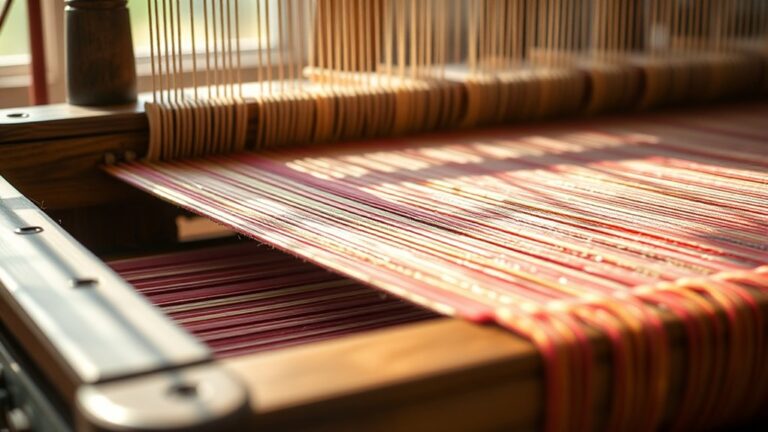
Because fabric weave changes how fibers sit, move, and trap air, GSM can vary a lot even within the same material. You’ll notice that weave techniques shape weight, drape, and fabric durability in different ways.
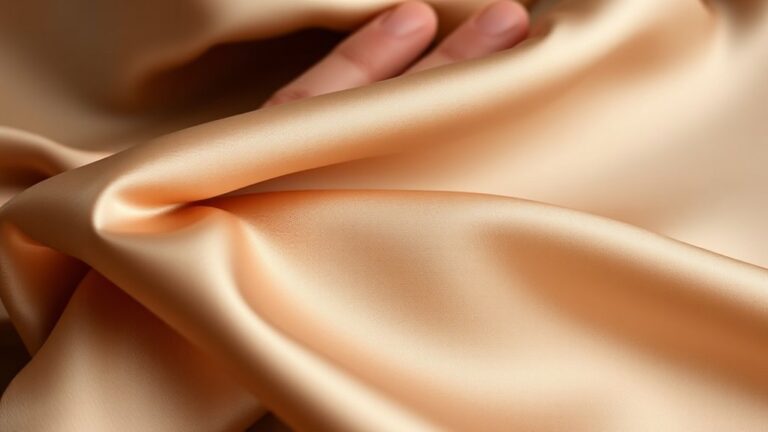
A plain weave often feels lighter because it spreads yarns evenly, while a twill weave usually feels heavier and sturdier. Satin weaves can seem softer and denser, so they often register a higher GSM than you expect.
- Plain weave: balanced, crisp, and often lower GSM.
- Twill weave: diagonal structure, stronger hand, usually higher GSM.
- Satin weave: smooth surface, more drape, often denser feeling.
When you compare fabrics, look beyond fiber name and check how the weave alters performance and feel.
Fiber Density Differences
Fiber type plays a big role in GSM because different fibers pack together, trap air, and absorb moisture in different ways. You’ll notice that cotton usually reads heavier at the same thickness than polyester blends, while wool can feel lofty without needing extreme density.
Your fiber composition shapes how tightly yarns settle, so two fabrics with similar fabric texture may still show very different GSM values. Natural fibers often hold more moisture, which can raise weight, while synthetics can stay lighter and more stable.
When you compare fabrics, don’t judge GSM alone; check drape, handfeel, and end use. A higher GSM doesn’t always mean better quality, but it does tell you how the fiber structure influences weight, warmth, and performance.
Choose the Right GSM for Clothing
Choosing the right GSM for clothing starts with matching fabric weight to the garment’s purpose, feel, and season. You’ll get the best results when you compare suitable materials with the fabric applications you have in mind.
Lightweight knits and wovens suit airy tops, summer dresses, and base layers because they drape well and breathe easily. Midweight fabrics work better for T-shirts, hoodies, and casual pants when you want structure without stiffness. Heavier GSM options give jackets, sweatshirts, and workwear more warmth and durability.
- Pick low GSM for hot-weather comfort and easy movement.
- Choose mid GSM for everyday balance, coverage, and versatility.
- Select high GSM for insulating, long-lasting garments.
You should also test stretch, opacity, and hand feel before you commit. When you align GSM with design goals, you create clothing that looks right, wears well, and feels comfortable all day.
Choose GSM for Upholstery
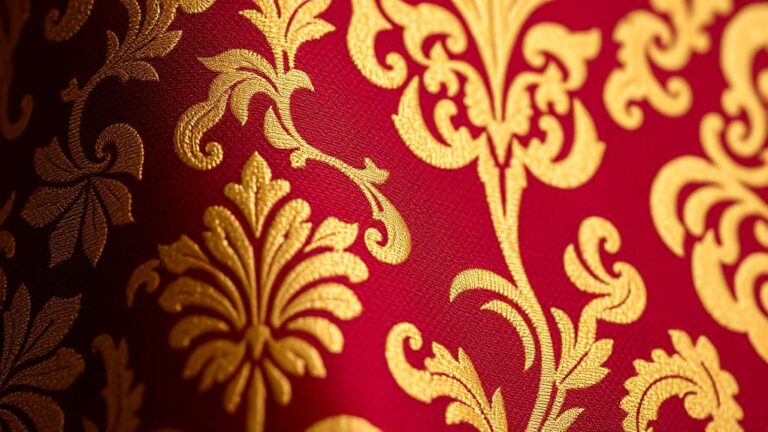
When you choose GSM for upholstery, start by matching the fabric weight to how the piece will be used. For a sofa or dining chair, you usually want a higher GSM because it handles more friction, stress, and everyday wear. A lighter fabric may look good, but it can stretch, thin out, or wear faster on busy furniture.
Look for a balance between upholstery durability and fabric comfort so the piece feels good and lasts.
If you’re covering a decorative chair or ottoman, you can choose a midrange GSM that still feels substantial without becoming too stiff. For cushioned seating, the weave and fiber content matter too, but GSM gives you a quick way to judge body and strength.
Higher GSM often means a denser, more robust fabric, while lower GSM can suit accents or less-used items. Pick the weight that fits your space, use, and comfort needs.
Use a GSM Fabric Chart When Buying Online
A GSM fabric chart helps you compare materials online before you click buy. You can use it to match a fabric’s weight with your project, so your online shopping feels less like guessing and more like choosing. When sellers list GSM, you get a quick sense of thickness, drape, and durability, which makes fabric selection easier.
- Check the product page for the GSM number and compare it with similar fabrics.
- Match lighter GSM fabrics to airy garments and heavier ones to structured pieces.
- Save a few trusted chart ranges so you can judge options fast while browsing.
You’ll make smarter choices when you read GSM alongside fiber content and weave. A chart won’t replace a swatch, but it gives you a reliable starting point. Use it every time you shop online, and you’ll narrow down choices with confidence, avoid vague descriptions, and pick fabrics that fit your needs better.
Common Mistakes When Checking GSM
Even with a GSM fabric chart, it’s easy to misread the number and end up with the wrong fabric. You might assume a higher GSM always means better quality, but that’s one of the biggest GSM misconceptions.
The number only tells you the fabric weight per square meter, not how soft, stretchy, warm, or durable it feels in real use. You can also compare fabrics without checking fiber type, weave, or finish, which leads to bad choices.
Another common mistake is mixing up GSM with thickness; a fabric can feel bulky yet weigh less than expected. Don’t trust vague product descriptions either.
If you’re checking samples, make sure you measure the same area each time and use a reliable scale. When you understand what GSM does and doesn’t show, you’ll judge fabric weight more accurately and avoid costly buying errors.
Frequently Asked Questions
How Is GSM Measured in Textile Testing?
You measure GSM in textile testing by weighing a fabric sample, then dividing its mass by the sample’s area in square meters. You’ll usually cut a known-size specimen, use a precise balance, and calculate grams per square meter.
This helps you compare fabric density and textile properties, like thickness, drape, and durability. Labs often test multiple spots since uneven construction can affect the final GSM reading.
Does Fabric Thickness Always Match Higher GSM?
No, fabric thickness doesn’t always match higher gsm. It can be a mile apart. You might see a thick-looking cloth with lower gsm if it’s lofty or bulky, while a dense, compact fabric can feel thinner but weigh more.
You should think about fabric density and texture perception too because yarn type, weave, and finish all affect how you judge thickness versus actual weight.
Can Two Fabrics Share the Same GSM but Feel Different?
Yes, you can have two fabrics with the same GSM and still feel different. You’ll notice differences in fabric texture, drape, weave, fiber content, and finishing, all of which change weight perception.
A smooth knit and a dense woven fabric may share the same GSM, but one can feel softer, stiffer, or bulkier in your hand. So you shouldn’t judge comfort or quality by GSM alone.
Is GSM Affected by Fabric Finish or Treatment?
Yes, gsm can change a bit with fabric finish or treatment. You’ll see treatment effects alter weight when coatings, resins, brushing, washing, or shrinking add or remove material.
That means the same fabric can keep similar fabric properties yet show a different gsm after finishing. You should always check the final fabric state, not just the base cloth, because processing can make it heavier, lighter, or more compact.
What Tools Are Used to Check Fabric GSM?
You can check fabric GSM with a digital weighing scale, a GSM cutter, and a circular sample template. You cut a known area, weigh it, then calculate the grams per square meter. This helps you make accurate weight comparison and spot differences in fabric density.
You might also use a lab balance, micrometer, or inline sensor for faster testing. These tools give you reliable results without guessing or damaging the whole roll.
Conclusion
A GSM fabric chart helps you choose fabric with confidence, not guesswork. When you check GSM, you can match weight to comfort, durability, and use, whether you’re buying clothes or upholstery.
You might think higher GSM always means better, but that’s not true. The right GSM depends on your project. Use the chart as your guide, and you’ll avoid costly mistakes and pick fabric that works exactly how you need it to.
In the end, a GSM fabric chart is your best tool to find the perfect fabric for any purpose.