What Is Woolen Cloth?
Finding the perfect fabric for cold-weather clothing and cozy home goods can be a challenge. You want something warm, comfortable, and durable, but it’s not always easy to find all those qualities in one material. If you’ve struggled with this, you’re not alone—many people want something that feels great and lasts long through chilly seasons.
Woolen cloth is a soft, warm textile made from wool fibers that you use for cold-weather clothing and home goods. It has a fuzzy, lofty surface, drapes nicely, and feels substantial while still staying comfortable. What Is Woolen Cloth.
Because wool absorbs dye well and holds heat, you’ll see it in coats, sweaters, scarves, blankets, and more.
It’s durable, naturally elastic, and easy to care for once you know the basics. There’s more to appreciate about it than you might expect.
Key Takeaways
- Woolen cloth is a soft, warm textile made from wool fibers. It’s often used for cold-weather clothing and home goods.
- It is made by cleaning, carding, spinning, and weaving or knitting wool into a fuzzy, airy fabric.
- Woolen cloth feels substantial, drapes well, resists wrinkles, and offers natural elasticity and durability.
- Compared with worsted cloth, woolen fabric is loftier, fuzzier, softer, and generally warmer.
- Common uses include coats, sweaters, scarves, blankets, hats, gloves, and other winter textiles.
What Is Woolen Cloth?
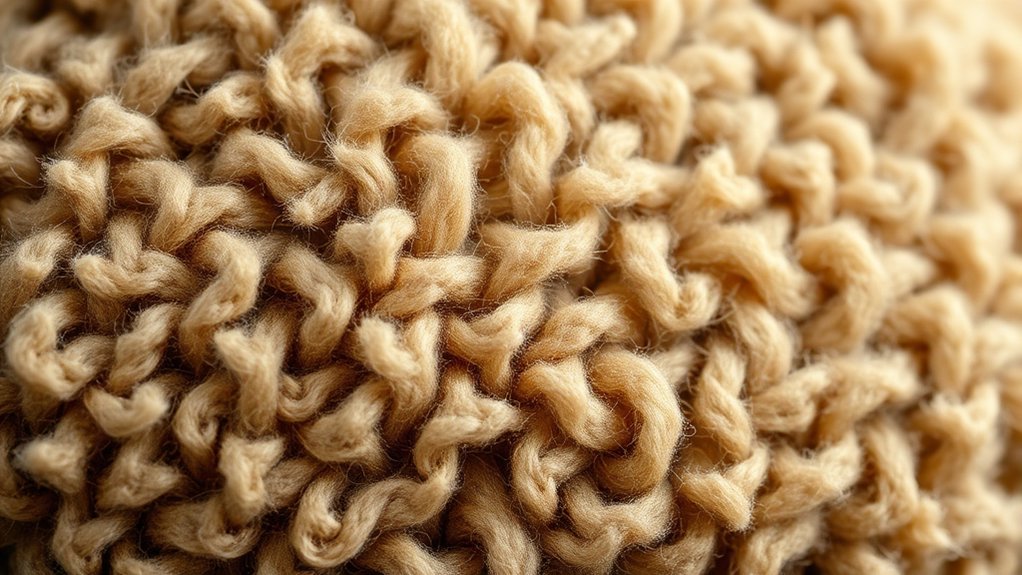
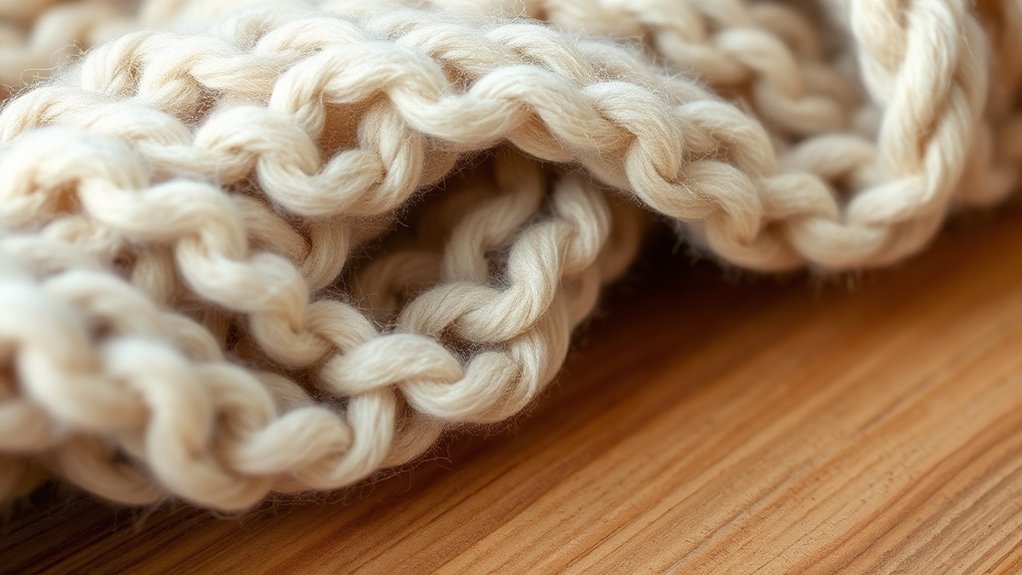
Woolen cloth is a soft, warm textile made from wool fibers that are spun and woven or knitted into fabric. You’ll notice its insulating feel right away, which makes it a popular choice for cool-weather clothing and home goods.
Woolen cloth offers soft warmth and natural insulation, making it ideal for cool-weather comfort.
Its wool origins trace back to sheep, though you may also find blends that keep the same cozy character. When you choose woolen cloth, you’re selecting a material valued for comfort, resilience, and natural texture.
It drapes well, resists wrinkles, and often feels substantial without seeming heavy. You can use it in many fabric applications, from coats and sweaters to blankets, scarves, and upholstery.
Because it traps warmth, it helps you stay comfortable in changing temperatures. You’ll also appreciate its classic look, which fits both casual and refined styles.
In short, woolen cloth combines practicality, style, and warmth in one familiar textile.
How Woolen Cloth Is Made
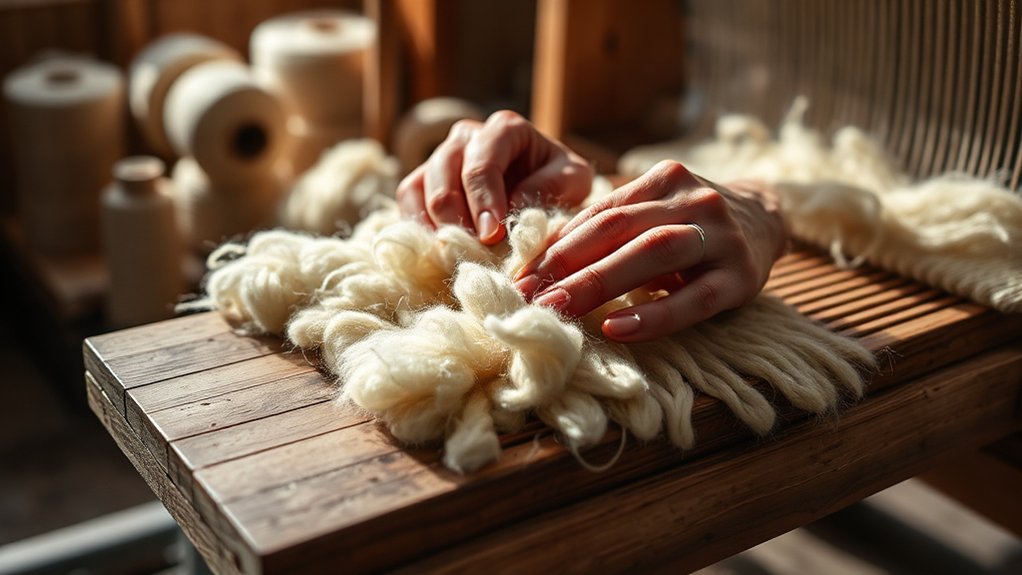
To make woolen cloth, manufacturers start by cleaning raw wool to remove dirt, grease, and debris. Then they card or sometimes comb the fibers so they line up for spinning. Next, you watch the wool pass through spinning techniques that twist the loose fibers into yarn with a soft, airy feel. Because woolen yarn keeps fibers slightly randomized, it traps warmth and creates a fuzzy surface.
The yarn may get dyed before or after weaving, depending on the finish you want. Weaving or knitting then turns the yarn into cloth on looms or machines. Finally, finishing steps like washing and fulling help the fabric felt, shrink a little, and gain body.
You can also choose different dyeing methods to achieve richer colors or subtle blends. After finishing, the cloth is dried, inspected, and ready for garments, blankets, or upholstery.
Woolen Cloth vs. Worsted Cloth
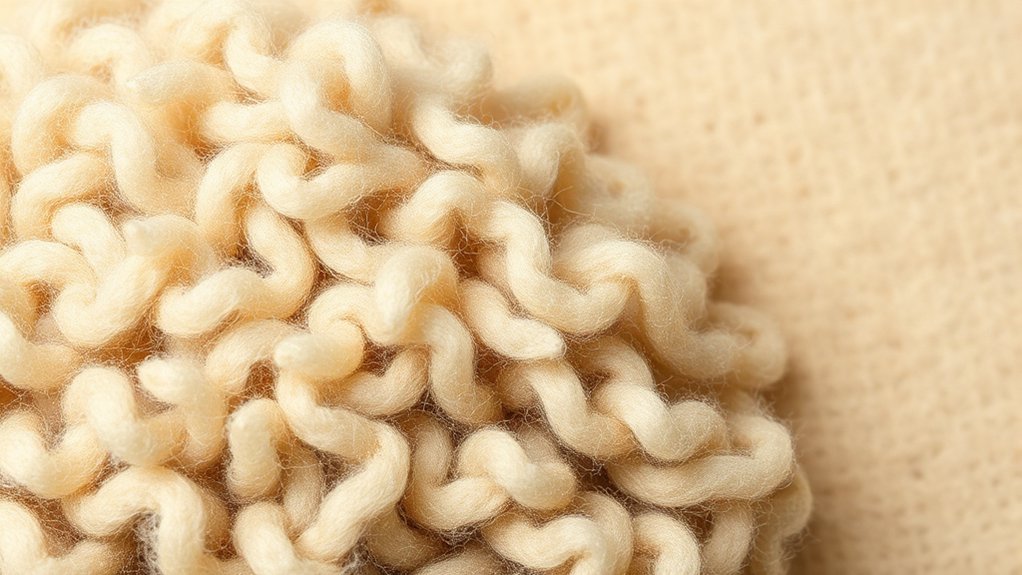
When you compare woolen cloth with worsted cloth, you’ll notice the fibers feel different. Woolen yarns are softer and fuzzier, while worsted yarns are smoother and more tightly aligned.
You’ll also see a difference in how they’re woven. Woolen cloth usually uses a loftier, looser structure, whereas worsted cloth is made for a tighter, cleaner finish.
These contrasts really shape how each fabric looks, feels, and performs.
Fiber Texture Differences
Unlike worsted cloth, woolen cloth has a softer, fuzzier texture because its fibers are shorter, less tightly aligned, and more air is trapped between them. You can feel that difference right away in fiber characteristics, especially when you compare the cloth’s loft and surface.
In this texture comparison, woolen cloth feels warmer and less sleek, while worsted cloth feels smoother and more polished. You notice a gentle, brushed hand. You get more warmth from trapped air. You sense less crispness and more softness.
That fuzzy finish makes woolen cloth feel cozy and inviting. When you touch it, you’re experiencing texture built for comfort, not sharp definition.
Weaving Process Contrast
In woolen cloth production, spinners work with shorter fibers that are left more random and less perfectly aligned. This way, the yarn keeps a lofty, airy structure. When you weave it, you usually rely on simpler loom techniques that let the bulkier yarn fill space and trap warmth.
Worsted cloth, by contrast, uses combed, tightly aligned yarns. So, you can weave a smoother, denser fabric with a crisper finish. You’ll notice woolen weaving often creates softer surfaces and more relaxed fabric patterns, while worsted weaving highlights sharp lines and precise detail.
Because woolen yarn has more loft, it can cover mistakes better. But worsted cloth rewards careful tension and exact setup. If you want texture and insulation, choose woolen; if you want polish, choose worsted.
Key Properties of Woolen Cloth
Woolen cloth stands out for its warmth, softness, and natural resilience, making it a dependable fabric in cold-weather wear. You’ll notice that its fibers trap air, so you stay insulated without feeling weighed down. It also feels comfortable against your skin, especially when the weave is brushed or finished for extra loft.
Because wool accepts dye well, you’ll see rich color variations that suit both classic and modern styles. Its surface can show subtle texture patterns, giving the fabric visual depth and a slightly raised touch.
- You get dependable warmth in chilly conditions.
- You enjoy a soft hand that still feels sturdy.
- You benefit from natural elasticity that helps garments keep shape.
This balance of comfort, appearance, and durability makes woolen cloth a practical choice when you want a fabric that performs well and looks refined.
Types of Woolen Cloth
Different types of woolen cloth give you different levels of warmth, texture, and drape, so the best choice depends on how you plan to use the fabric. You’ll often see broad categories like carded wool, which feels lofty and soft, and worsted wool, which feels smoother and denser.
You may also encounter flannel, tweed, boucle, and melton, each offering its own surface and structure. When you compare types of woolen blends, cotton, nylon, or cashmere can change durability, stretch, and hand feel without losing wool’s natural insulation.
Some fabrics stay lightweight for layering, while others feel firm and heavy for added body. If you’re exploring traditional woolen uses, you’ll notice that certain varieties were developed to hold shape, trap heat, or resist wear.
Common Uses for Woolen Cloth
Once you know the main types of woolen cloth, it’s easier to see where each one fits best. You’ll often choose it for fashion applications, because it shapes coats, suits, skirts, and scarves with a tailored feel. Designers also use it for everyday layers, since it can hold structure and drape well.
In colder seasons, you may reach for woolen cloth in outerwear that needs a polished look without feeling stiff.
- Tailored jackets and blazers
- Blankets, throws, and other home textiles
- Hats, gloves, and winter accessories
You can also find woolen cloth in upholstery and decorative home textiles, where texture matters as much as appearance. When you pick the right weave and weight, you make the fabric work for both style and practical use.
Benefits of Woolen Cloth
When you choose woolen cloth, you’re getting excellent warmth retention that helps keep you cozy in cold weather. Plus, you’ll notice its natural durability—it can really stand up to regular wear and last a long time. So, all in all, these benefits make woolen cloth a practical choice for everyday use.
Warmth Retention
Woolen cloth helps you stay warm because its fibers trap air, which slows heat loss from your body. You feel that thermal insulation as a soft barrier against chilly winds, so your clothing works harder to keep comfort close to your skin.
This makes wool a smart choice when temperatures drop or shift quickly, and its climate adaptability helps you handle changing weather with less fuss.
- You get steady warmth without bulky layering.
- You stay comfortable during cool mornings and cold evenings.
- You can rely on wool indoors and outdoors alike.
Because wool breathes while it insulates, you won’t overheat as easily when your activity level changes. That balance gives you dependable warmth retention throughout the day.
Natural Durability
Tough by nature, woolen cloth stands up well to regular wear, so you can count on it for clothing that lasts. You’ll notice its natural resilience when jackets, coats, and blankets keep their shape after repeated use.
The fibers flex instead of breaking easily, so your garments resist everyday friction and still look polished. Because wool can recover from creasing, you spend less time worrying about constant pressing or replacement.
That durability also supports sustainable sourcing, since longer-lasting pieces can reduce how often you buy new items. When you choose wool, you’re investing in fabric that works hard, handles changing conditions, and stays reliable season after season.
Over time, that strength gives you better value and a wardrobe built to endure.
How to Care for Woolen Cloth
To keep woolen cloth soft and long-lasting, you should handle it gently from the start. Good fabric maintenance begins with airing it out after wear, brushing off lint, and folding it neatly instead of hanging it for too long.
Handle wool gently from the start—air it out, brush away lint, and fold it neatly to preserve softness.
When you need cleaning, use cool water and mild detergent, and follow careful washing techniques to avoid shrinking or felting. Never wring the cloth; instead, press out excess water with a towel. Dry it flat on a clean surface, away from direct heat or sunlight.
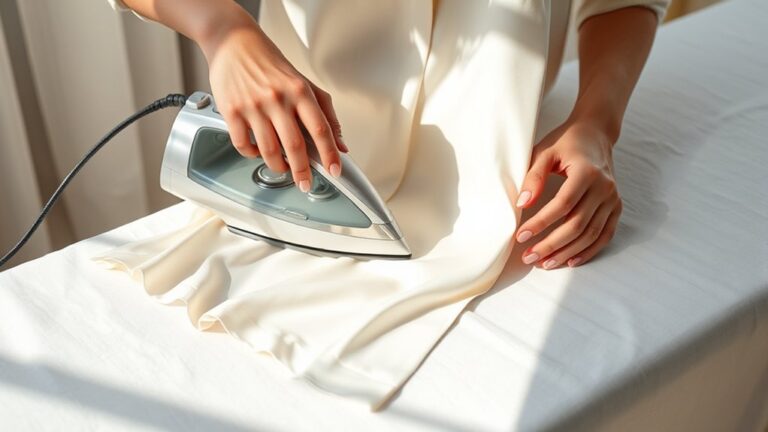
Spot-clean small stains right away. Store wool in a breathable container with cedar or lavender. Refresh the cloth by steaming lightly, not ironing hard.
You should also rotate woolen pieces so they rest between uses. If you handle spills quickly and avoid rough treatment, you’ll preserve the cloth’s texture, shape, and warmth for years without much effort.
How to Choose Quality Woolen Cloth
Start by checking the fiber content, because high-quality woolen cloth usually feels dense, smooth, and resilient rather than scratchy or loose. You should read the label closely and look for a balanced wool percentage, since fiber blends can improve softness, warmth, or durability without making the cloth feel cheap.
Next, run your hand across the surface and notice whether the weave stays even and firm. Good cloth won’t pill easily, and it should spring back after you pinch it. Also compare texture variations across different samples, because slight differences in finish can affect comfort and appearance.
Hold the fabric up to light to spot thin areas, uneven dye, or weak spots. If possible, bend it and listen for stiffness that feels unnatural. Choose the piece that matches your needs and still feels substantial, refined, and long-lasting.
Woolen Cloth in Modern Fashion
In modern fashion, woolen cloth has moved far beyond traditional coats and suits. You’ll now see it in tailored blazers, relaxed knitwear, statement outerwear, and even streetwear-inspired pieces. You can pair it with denim for contrast, layer it over crisp shirts, or choose oversized cuts for a current look. Designers keep returning to wool because it balances structure, warmth, and texture without feeling dated.
You can wear woolen cloth for both polished and casual outfits. Sustainable sourcing makes it easier to support responsible style choices. Fashion trends keep revitalizing wool through new cuts, colors, and finishes.
When you shop, look for blends that suit your climate and lifestyle. If you want clothing that lasts, woolen cloth gives you durability and versatility while staying relevant season after season.
Frequently Asked Questions
Is Woolen Cloth Suitable for Summer Clothing?
Woolen cloth usually isn’t your best pick for summer clothing, unless it’s a very lightweight weave. You’ll want to check breathability factors because wool can trap heat and feel too warm on hot days.
For summer styles, choose thinner wool blends or loosely woven fabrics that let air move better. If you need comfort in heat, cotton or linen often work better for everyday wear.
Does Woolen Cloth Shrink After Washing?
Yes, woolen cloth can shrink after washing if you use hot water, harsh agitation, or high heat drying. You should protect its wool characteristics by choosing gentle washing techniques, like cold water, mild detergent, and a delicate cycle or hand wash.
Then lay it flat to dry instead of wringing or tumble drying. If you treat it carefully, you’ll reduce shrinkage and help the fabric keep its shape and softness longer.
Can Woolen Cloth Be Dyed Easily?
Yes, you can dye woolen cloth fairly easily, especially if you catch the right bath at the right moment. You’ll get the best results when you use dyeing techniques made for protein fibers, like acid dyes or low-heat methods.
Wool accepts color well, but you should check its colorfast properties first. If you prep it properly, you can create rich, even shades without much trouble or surprise.
Is Woolen Cloth Environmentally Friendly?
Yes, woolen cloth can be environmentally friendly if you choose responsibly sourced fibers. You’ll get sustainability benefits because wool is renewable, biodegradable, and often lasts a long time, so you replace it less often.
However, wool production can use water, land, and energy, and sheep farming can raise emissions. If you buy certified wool and care for it well, you’ll reduce its overall impact and support greener textile choices.
How Does Woolen Cloth Affect Sensitive Skin?
Woolen cloth can bother your sensitive skin because its wool properties may trap heat and cause skin irritation. You might feel itchiness, redness, or a prickly sensation, especially if the fibers are coarse.
If you’re sensitive, choose finer wool, wear a soft layer underneath, and test it briefly before long use. You can also wash it with gentle detergent, since rough finishes and residues often make reactions worse.
Conclusion
When you choose woolen cloth, you’re choosing warmth, softness, and a fabric with real staying power. You’ve also got a material that remains surprisingly relevant: wool still makes up about 1.3% of global fiber production, showing how valued it is in modern wardrobes.
Whether you want comfort, durability, or timeless style, woolen cloth delivers. If you care for it properly, you’ll enjoy its benefits for years, making it a smart, versatile choice. In the end, woolen cloth is a fabric that truly stands the test of time.