10 Best Types of Fabric for Winter
Struggling to stay warm and cozy during the chilly winter months? You’re not alone—many people find it tough to choose the right fabrics that actually keep the cold out without feeling bulky or uncomfortable.
Finding the best fabrics for winter can make all the difference in staying warm, comfortable, and stylish.
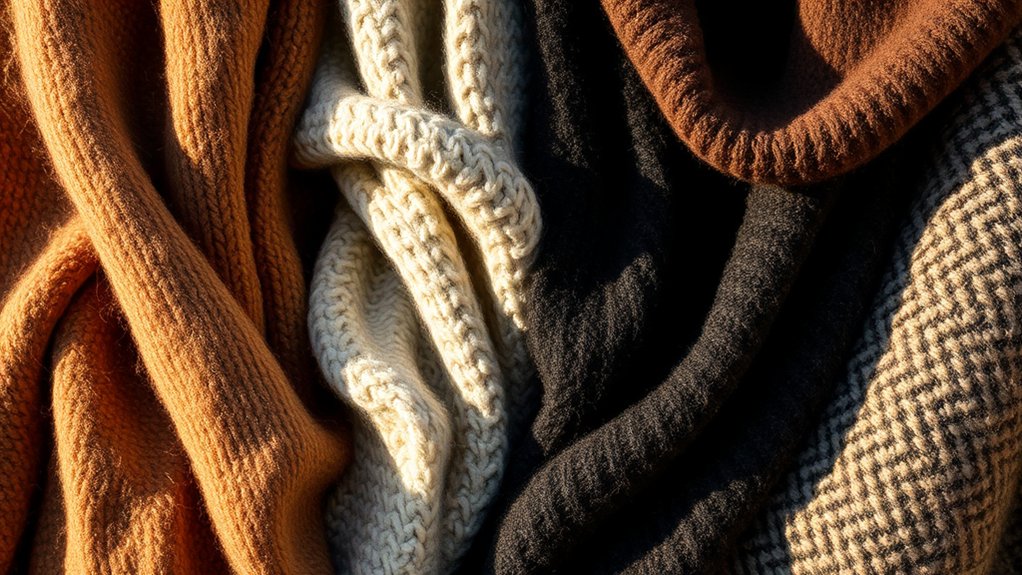
The 10 best fabrics for winter include wool, merino, cashmere, fleece, flannel, alpaca, sherpa, lambswool, down-filled materials, and quilted fabrics.
You’ll stay warmer when fabrics trap heat, block drafts, and wick moisture away from your skin. Wool and merino insulate well, while cashmere feels soft and light.
Fleece and flannel are great for layering, and down or quilted options add serious warmth.
Keep going to see which one fits your cold-weather needs best.
Key Takeaways
- Wool is one of the best winter fabrics because it traps heat, wicks moisture, and insulates well even when damp.
- Cashmere offers lightweight warmth and a soft, polished feel, making it ideal for stylish winter clothing.
- Fleece is breathable, quick-drying, and excellent for layering under coats without adding bulk.
- Merino wool, alpaca, sherpa, and lambswool provide warm, comfortable options with strong insulation and moisture control.
- Down fill and quilted fabrics trap heat efficiently, stay lightweight, and work well for coats, vests, and gloves.
What Makes a Winter Fabric Warm?
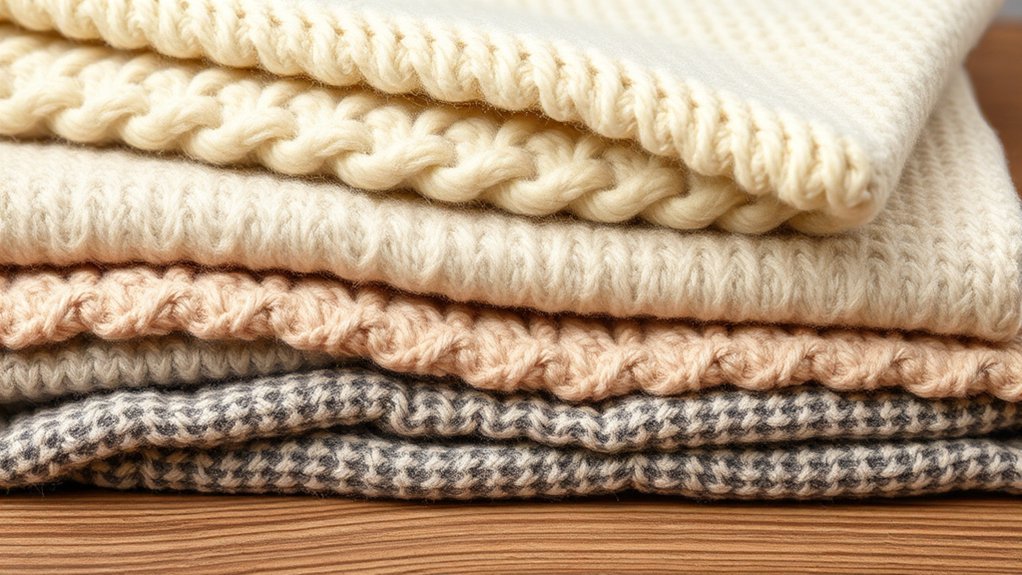
A winter fabric feels warm when it traps heat close to your body while still letting some moisture escape. You get better comfort when the weave creates pockets of still air because air slows heat loss and boosts thermal insulation.
Fabric density matters too: tighter materials usually block drafts more effectively, while looser structures can feel cooler unless they loft well. You also want fibers that manage moisture since damp cloth pulls warmth away fast.
When sweat moves outward, your skin stays drier and warmer. Thickness helps, but it isn’t everything; a thin fabric with strong insulating loft can outperform a bulky one. You should also look at how the material responds to wind since breezes strip heat quickly.
In cold weather, the best fabric balances insulation, breathability, and structure so you stay warm without feeling trapped or clammy.
Wool: The Classic Winter Fabric
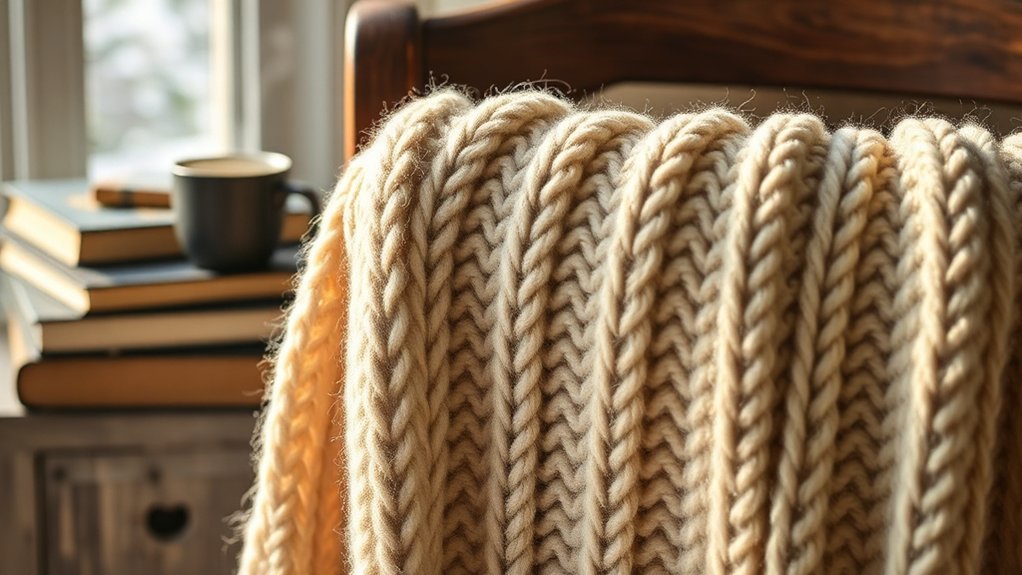
Wool is one of the best winter fabrics because its crimped fibers trap warm air and keep it close to your body. You can count on it when temperatures drop, since it insulates even if the air feels damp.
Different wool types give you options: merino feels smoother for base layers, lambswool offers lightweight warmth, and heavier wool works well in coats, scarves, and blankets.
You’ll also notice wool benefits beyond heat retention. It wicks moisture, resists odors, and stays comfortable through long days outdoors.
If you choose quality pieces, you get durability too, so your winter wardrobe lasts season after season. To keep wool looking its best, wash it gently, avoid high heat, and store it folded instead of hanging. That way, you’ll enjoy dependable warmth without sacrificing style or comfort.
Cashmere: Soft Warmth for Cold Days
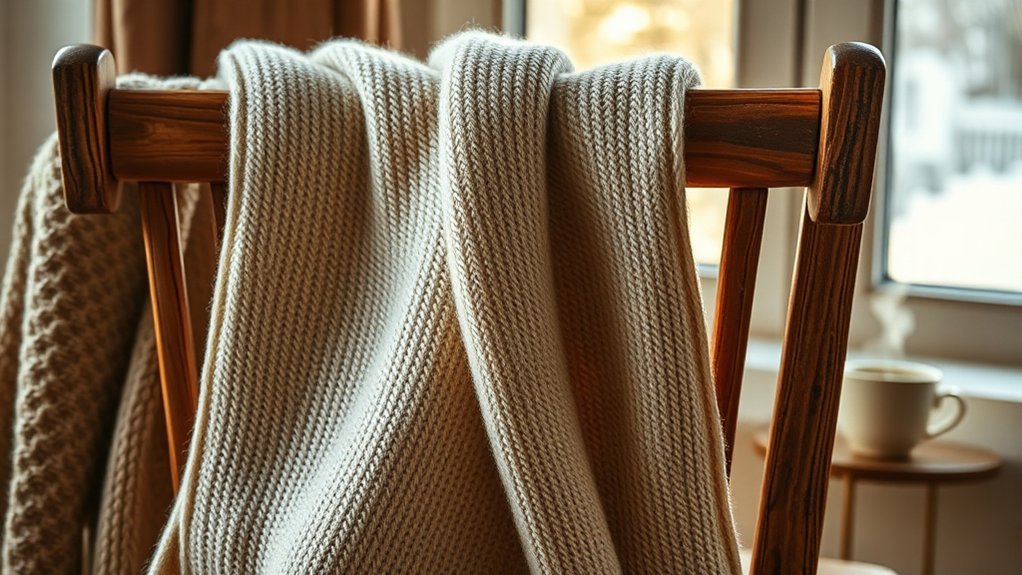
Cashmere brings a luxuriously soft layer of warmth to winter outfits, making it a favorite when you want comfort without bulk. You’ll feel the difference the moment you slip on a cashmere sweater, scarf, or cardigan, because the fibers trap heat while staying light against your skin.
This makes cashmere ideal for office days, dinners, and weekend errands when you want polish and coziness at once. You can examine many cashmere styles, from fitted knits to relaxed wraps, so it’s easy to match your wardrobe.
To keep pieces looking their best, follow smart cashmere care: wash gently, reshape while damp, and store items folded instead of hanging. With proper attention, cashmere stays smooth, soft, and elegant for years.
Choose quality pieces, and you’ll enjoy winter comfort that feels refined every time you wear it.
Fleece: Lightweight Warmth for Layering
When you want warmth without heavy bulk, fleece is a practical layer that keeps you comfortable in cold weather. You can wear it under a coat or over a base layer, and it traps heat without slowing you down.
One of the main fleece benefits is its ability to insulate while staying breathable, so you don’t feel overheated during active days. It also dries quickly, which helps if you’re caught in snow or light rain.
You’ll find fleece varieties in different weights and textures, from smooth microfleece to thicker options for extra insulation. Choose lighter fleece for easy layering and thicker fleece when you need more warmth outdoors.
Because it’s soft, durable, and simple to care for, fleece works well for everyday winter outfits. If you want reliable comfort and flexible warmth, fleece gives you a smart, versatile option that fits many cold-weather situations.
Flannel: Cozy Comfort for Everyday Wear
Flannel is a dependable winter fabric when you want softness, warmth, and everyday comfort without feeling overdressed. You can wear it as a shirt, overshirt, or pajama fabric, and it always feels inviting against your skin. Its brushed surface traps heat well, so you stay comfortable on cold mornings and relaxed evenings.
You’ll also find plenty of flannel patterns, from classic plaids to subtle checks, which makes it easy to match your style without sacrificing practicality. For daily use, choose medium-weight flannel for a balance of coziness and easy movement. Pair it with denim, corduroy, or knit basics for simple winter outfits.
Good flannel care helps keep the fabric soft and durable: wash it in cool water, avoid harsh detergents, and dry it on low heat to reduce shrinkage. With the right care, your flannel pieces can last through many winters and keep their comforting feel.
Merino Wool for Breathable Winter Layers
Merino wool is a smart choice when you want winter warmth without feeling weighed down. You can wear it close to your skin because its fine fibers feel soft, not scratchy. It gives you breathable insulation, so you stay warm while excess heat escapes instead of building up.
That balance makes it ideal for layering on cold mornings, brisk commutes, and active days outdoors. Merino also excels at moisture management, pulling sweat away from your skin and helping you stay dry when temperatures shift. Because it resists odor better than many fabrics, you can wear it longer between washes, which makes your winter wardrobe more practical.
Choose merino base layers, thin sweaters, or lightweight socks when you want comfort that works hard. If you move between indoors and outdoors often, merino helps you adapt without adding bulk or trapping dampness.
Alpaca: Warmth Without the Weight
Alpaca delivers impressive warmth without feeling bulky, making it a strong choice for winter layers you want to wear comfortably all day. You’ll notice its hollow fibers trap heat efficiently, so you stay cozy without adding much weight. That makes alpaca ideal for sweaters, scarves, and midlayers when you want insulation that won’t restrict movement.
It also feels soft against your skin, which helps if you’re sensitive to itchier wools.
When you shop, pay attention to alpaca sourcing, since responsible farms can improve animal welfare and fiber quality. You should also consider alpaca sustainability, because alpaca herds often have a lighter environmental footprint than many other livestock.
Choose well-made pieces and you’ll get durable warmth that lasts through many winters. If you want a fabric that balances comfort, performance, and a refined look, alpaca deserves a spot in your cold-weather wardrobe.
Sherpa: Plush Insulation for Extra Coziness
Sherpa gives you excellent warmth by trapping heat in its soft, fuzzy fibers. You’ll love it as a cozy lining in jackets, hoodies, and blankets when you want extra comfort. It keeps you snug without feeling heavy, making cold days much more bearable.
Sherpa Warmth Benefits
When the temperature drops, sherpa gives you the kind of plush warmth that feels instantly comforting. You get a fabric that traps air in its lofty pile, so your body keeps heat without feeling weighed down.
The sherpa texture feels soft against your skin, adding a cozy barrier that works well in jackets, blankets, and winter accessories. Because sherpa durability holds up through regular wear, you can count on steady warmth season after season.
You also avoid the stiff feel of heavier materials, which means you stay comfortable while moving around outside or relaxing indoors. If you want insulation that feels inviting and performs reliably, sherpa delivers warmth you can feel right away.
Soft Lining Uses
That same plush feel makes sherpa especially useful as a soft lining in winter pieces. You’ll notice how it cushions jackets, boots, gloves, and hats without adding much weight. It traps warmth near your body, so you stay comfortable when temperatures drop.
Among fabric types, sherpa stands out because it blends insulation with a cozy touch you can feel right away. You also get practical soft lining benefits: less scratchiness, better comfort, and a warmer layer against wind and cold.
When you choose sherpa-lined outerwear, you’re adding softness where it matters most. It works well in everyday gear and cold-weather staples, helping you enjoy winter without sacrificing ease or movement.
Down and Quilted Options for Bitter Cold
When you need serious warmth, down fill traps heat really well and helps you stay comfortable even in bitter cold. Quilted fabrics add to that by holding the insulation in place, which cuts down on cold spots.
For those deep winter days, you can even layer these options to lock in extra warmth. It’s a great way to make sure you stay cozy no matter how low the temperature drops.
Down Fill Warmth
For bitter cold, down fill delivers exceptional warmth without adding much weight, making it a top choice for winter coats, gloves, and insulated layers. You’ll feel the down insulation benefits right away because it traps body heat efficiently while staying breathable enough for daily wear.
When you choose quality fill, you also get better down fill durability, so your gear keeps loft and performance through repeated use. That matters when you face freezing winds or long outdoor stretches. Look for well-constructed baffles and a fill power that matches your climate, since both affect comfort.
You can pair down-lined pieces with shells or knit layers to boost protection without bulk. For harsh winter conditions, down gives you dependable warmth that won’t slow you down.
Quilted Heat Retention
Quilted construction adds another layer of heat retention by locking insulation in place, so you stay warmer in bitter cold without the bulk of a heavy coat. You’ll notice that quilted designs create stitched pockets that help keep thermal insulation evenly distributed, reducing cold spots and improving comfort.
When you choose a quilted jacket, vest, or liner, you get steady warmth that holds up in windy, freezing conditions. The structure also helps your outerwear keep its shape, so insulation doesn’t shift as you move.
For bitter cold, look for dense stitching and quality fill that traps air efficiently. That combination gives you dependable warmth, easier mobility, and a streamlined feel that works well in winter weather.
Layering For Deep Cold
Layering becomes even more important in deep cold, and down or quilted pieces can give you the extra insulation you need without making your outfit feel bulky. You can start with moisture-wicking base layers, then add thermal layering that traps heat close to your body.
A down vest, jacket, or quilted coat works well because it holds warmth while staying light and flexible. Choose pieces with baffles that keep insulation evenly spread, and look for fabrics that block wind without sacrificing breathability.
If you’ll be outside for hours, combine thin, insulating layers instead of one heavy garment. That setup lets you adjust quickly when temperatures change, and it helps you stay warm, dry, and comfortable in bitter cold.
How to Choose the Best Winter Fabric
Picking the right winter fabric starts with how you’ll wear it: if you need everyday warmth, look for materials that trap heat without feeling bulky, like wool, fleece, or flannel. Also, consider breathability, softness, and moisture control.
Next, check fabric durability so your choice can handle repeated wear, washing, and friction from coats or bags. If you’ll face wet snow or wind, choose tighter weaves or blends that block drafts better.
Choose durable fabrics that withstand wear, washing, and friction, and opt for tighter weaves to block wind and snow.
For active days, pick fabrics with insulation technology that wicks sweat and keeps you warm without overheating. You should also think about fit, because even the best fabric won’t help if it’s too loose or tight.
Compare care instructions too; easy-care materials save time and keep performance consistent. Finally, match the fabric to your climate and routine, not just the label, so you end up with warmth, comfort, and long-lasting value all season.
Frequently Asked Questions
Can Winter Fabrics Be Machine Washed Safely?
Yes, you can machine wash many winter fabrics safely if you check the label first. You should use cold water, gentle cycles, and mild detergent to protect fabric care and winter durability.
You’ll want to avoid high heat, which can shrink wool, damage knits, or flatten insulation. When you air dry or tumble low, you keep your clothes soft, warm, and lasting longer through the season.
Which Fabrics Are Best for Sensitive Skin?
You’ll usually feel best in soft cotton blends and gentle wool alternatives. About 20% of people report skin sensitivity, so imagine one in five sweaters scratching at your neck. That’s why smooth, breathable fabrics matter.
You should choose tagless, tightly woven pieces that reduce friction and wick moisture. Avoid coarse wool and rough synthetics if they irritate you. Instead, pick brushed cotton blends or fleece-like wool alternatives for cozy comfort.
Are Synthetic Fabrics Good for Winter Wear?
Yes, you can wear synthetic fabrics in winter, and they often work well for active days. You get good synthetic warmth without bulky layers. Many blends handle moisture management better than cotton, so you stay drier and warmer.
You should choose fleece, polyester, or nylon for insulation and layering. If your skin’s sensitive, pair them with a soft base layer so you’re comfortable all day.
How Do I Prevent Winter Fabrics From Pilling?
You can stop pilling by washing gently, because why let good clothes wear out early? Turn garments inside out, use cold water, and choose a mild detergent. Skip heavy agitation and avoid overloading the machine.
Air-dry when you can, since heat can rough up fibers. Add these pilling prevention tips to your fabric care routines, and you’ll keep winter pieces smoother, softer, and looking newer for longer.
Which Winter Fabric Resists Moisture Best?
You’ll get the best moisture resistance from wool treated with waterproof technologies or synthetic shells like polyester and nylon. Wool naturally repels some dampness, and it keeps insulating even when it’s a little wet.
For active wear, choose fabrics with moisture-wicking properties so sweat moves off your skin fast. You can also layer a water-resistant outer fabric to stay drier in rain, snow, and slushy weather.
Conclusion
Choosing the right winter fabric can feel like finding the perfect shield against the cold. You want warmth, comfort, and the right amount of breathability for your day.
Wool, cashmere, fleece, flannel, alpaca, sherpa, and down each bring something useful, so pick the one that fits your climate and lifestyle. When you dress smart, winter feels less like a battle and more like a cozy hug you can wear.
Remember, choosing the best types of fabric for winter makes all the difference in staying warm and comfortable throughout the season.