When Was Gauze Invented and How Can Its History Be Traced?
If you’ve ever struggled to find the right fabric for delicate medical or craft projects, you’re not alone. Many people want something lightweight yet durable, breathable yet protective. That’s where gauze comes in—a versatile material that’s stood the test of time and continues to meet these needs.
You can trace gauze’s invention back to ancient civilizations where early weavers created lightweight, open-weave fabrics used for medical dressings and ceremonial garments. Its history spreads through trade routes like the Silk Road, blending cultures and refining techniques in medieval Europe.
Over time, advances in textile technology improved gauze’s durability and safety. By exploring historical documents and artifacts, you’ll uncover how this versatile fabric became essential in healthcare and culture alike. When was gauze invented and how can its history be traced.
Key Takeaways
- Gauze originated gradually through early textile innovations in ancient civilizations, with no exact invention date.
- Early open-weave fabrics similar to gauze were found in Egyptian tombs and documented in ancient trade records.
- The Silk Road and Mediterranean trade routes helped spread gauze techniques and styles across continents.
- Medieval and modern advancements refined gauze weaving, dyeing, and medical applications to improve durability and safety.
- We trace gauze history through textile analysis, carbon dating, trade documents, artistic depictions, and medical manuscripts.
What Is Gauze and Why Does It Matter?

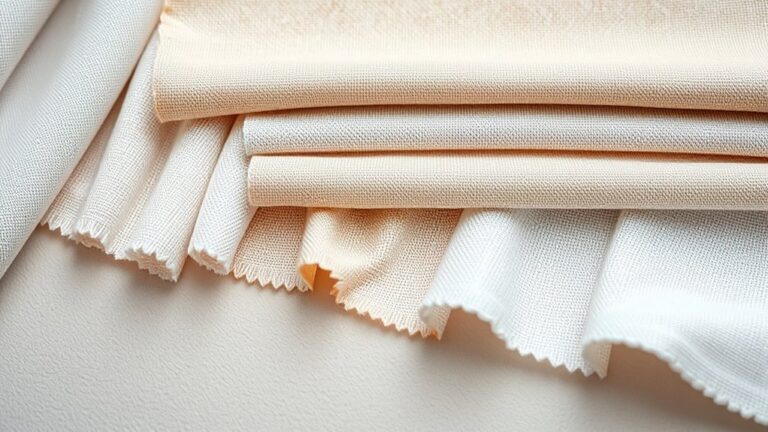
What exactly is gauze, and why should you care about it? Gauze is a thin, loosely woven fabric, primarily used for medical dressings, but it’s much more than just a bandage. You’ll find gauze playing a role in cultural symbolism too, sometimes representing healing, purity, or protection in various traditions around the world.
Its significance extends beyond practical use, connecting with deeper meanings in different societies. Thanks to modern manufacturing, gauze is now produced with advanced materials that improve breathability, absorbency, and sterility, ensuring it meets today’s strict medical standards.
When you handle gauze, you’re interacting with a product that blends historical significance and cutting-edge technology. Understanding gauze helps you appreciate how something so simple can serve essential functions in health and culture alike. So, gauze matters because it’s a versatile fabric shaped by centuries of cultural importance and ongoing innovation in manufacturing.
When and Where Was Gauze First Invented?

Gauze’s role in healing and culture didn’t emerge overnight. It has a long history rooted in ancient civilizations. You’ll find that gauze, a loosely woven fabric, first appeared as a result of early textile innovation.
Ancient societies mastered weaving techniques that allowed for breathable, lightweight cloth, ideal for medical use. Through ancient trade routes, this fabric spread across regions, connecting cultures and sharing knowledge about its practical benefits.
You can trace gauze’s invention back to these early exchanges, where merchants and artisans exchanged materials and ideas. While pinpointing a single origin is tricky, the combination of textile innovation and trade networks clearly played a crucial role in shaping gauze’s development.
Gauze Use in Ancient Middle Eastern Cultures

Although many ancient cultures contributed to the development of gauze, the Middle East played a significant role in its early medical applications. You can imagine how ancient trade and cultural diffusion helped shape this role, as Middle Eastern healers refined gauze for wound care. They wove lightweight, loosely woven fabrics that allowed wounds to breathe while protecting against infection.
The Middle East perfected gauze, weaving breathable fabrics that safeguarded wounds and advanced early medical care.
Picture this:
- Linen strips carefully wrapped around battle wounds
- Cotton fibers softened by skilled hands for patient comfort
- Herbal salves applied before gauze to boost healing
- Scribes documenting medical knowledge on papyrus scrolls
- Markets bustling with merchants trading cloth and medicinal herbs
Through ancient trade, these practices spread, blending with local customs. When you trace gauze’s history here, you see a clear connection between cultural exchange and medical innovation, revealing how crucial the Middle East was in shaping gauze’s early use.
How Trade Routes Spread Gauze Across Regions
You’ve probably heard how the Silk Road connected distant lands. But did you know it also helped spread gauze far beyond where it first started? Mediterranean trade routes played a big role too, carrying this lightweight fabric to new regions. Along the way, different cultures mixed and influenced one another. So, let’s take a closer look at how these networks shaped the use and availability of gauze across the ancient world.
Ancient Silk Road Influence
Because the Silk Road connected diverse cultures and economies, it played a crucial role in spreading medical knowledge and materials like gauze across continents. You can imagine traders carrying precious silk and gauze through harsh terrains, enabling the silk trade to foster cultural diffusion.
As you trace this path, you’ll see how gauze traveled alongside:
- Caravans crossing deserts and mountains
- Merchants exchanging goods and healing secrets
- Silk fabrics mingling with early medical dressings
- Diverse languages sharing surgical techniques
- Markets bustling with exotic textiles and remedies
This ancient network didn’t just trade goods; it spread innovations like gauze, influencing medical practices from East Asia to the Middle East. You’ll realize that gauze’s history is tightly woven with the Silk Road’s legacy of connection and exchange.
Mediterranean Trade Networks
How did gauze spread from distant lands to the heart of the Mediterranean? You can trace its journey through bustling Mediterranean trade networks, where merchants carried this delicate fabric along key sea and land routes.
Despite varying trade tariffs imposed by different city-states, traders found ways to navigate these economic barriers, recognizing gauze’s value. The fabric wasn’t just practical; it held cultural symbolism, often representing status and refinement in Mediterranean societies.
Ports like Alexandria and Venice became critical hubs, facilitating gauze’s distribution while blending it into local markets. As you examine these trade routes, you’ll see how gauze’s presence grew, not just as a textile but as a symbol woven into Mediterranean commerce, reflecting both economic strategy and cultural appreciation.
Cultural Exchange Impact
The bustling Mediterranean trade routes did more than just move gauze. They transformed the fabric into a shared cultural treasure. You can see how cultural exchange and trade influence wove gauze into the daily lives of diverse peoples.
As merchants traveled, they introduced gauze to new regions, blending techniques and styles. Imagine Venetian markets filled with shimmering gauze bolts, Arabic traders sharing weaving secrets on desert caravans, Byzantine artisans adapting gauze for royal garments, Indian ports exchanging dyed gauze for spices, and North African bazaars where gauze became a symbol of status.
You realize trade routes were the arteries of cultural exchange, spreading gauze far beyond its origins. This interconnectedness helped gauze evolve, making it a fabric cherished worldwide.
How Gauze Evolved in Medieval Europe
You’ll see that medieval Europe shaped gauze by refining its materials and weaving methods to suit both medical and textile needs. It’s pretty interesting how the origins of gauze in this era reveal a mix of innovation meeting practical demands. So, let’s dig in and explore how these changes influenced its widespread use.
Origins of Medieval Gauze
Although gauze’s roots trace back to ancient civilizations, it really began to take shape during medieval Europe when craftsmen refined its weaving techniques. You’ll find that medieval gauze wasn’t just practical; it carried deep meaning through textile symbolism and ancient dyeing methods.
Colors and patterns often represented status or healing properties. Imagine artisans using vibrant dyes made from plants and minerals. Fine, open-weave fabrics signaled nobility or religious devotion. Gauze was employed in sacred rituals and medical dressings.
Patterns were inspired by nature and spiritual motifs. There was a subtle balance between durability and lightness.
Materials and Weaving Techniques
As medieval weavers experimented with different fibers, they uncovered new ways to improve gauze’s strength and delicacy. You’d find them mixing linen and silk threads, balancing durability and softness.
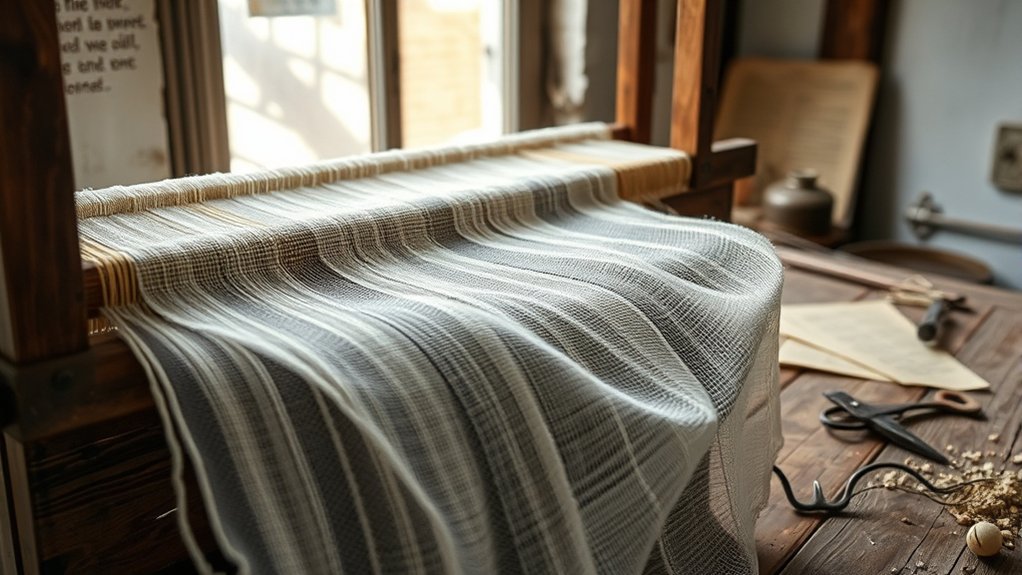
They also investigated weaving patterns, like leno weave, which twisted warp threads around weft threads to create an open, stable mesh. This technique gave gauze its signature lightweight yet resilient texture.
Alongside weaving, textile dyeing advanced, allowing you to add color without compromising fabric quality. Dyes were carefully chosen to avoid weakening fibers, so the gauze remained functional and attractive.
Medical and Textile Applications
When gauze’s delicate weave gained strength in medieval Europe, it quickly found new roles beyond simple textiles. You’d see gauze used not only in everyday fabrics but also in medical dressings, benefiting from its breathability and softness.
Its cultural symbolism grew as dyed gauze became a marker of status and faith, intertwining with textile dyeing techniques that added vibrant hues. Imagine how gauze evolved through:
- Wrapping wounds to promote healing
- Creating veils and ceremonial garments
- Enhancing royal attire with rich colors
- Serving as a medium for intricate embroidery
- Acting as a symbol of purity in religious contexts
Why Gauze Became Essential for Medical Dressings
Why does gauze remain a cornerstone in medical dressings even today? You rely on gauze because it’s lightweight, breathable, and highly absorbent, making wound care effective. Thanks to modern sterilization techniques, gauze is safe and free from harmful bacteria, ensuring quicker healing and preventing infections.
The natural, undyed texture of gauze also plays a role. Avoiding textile dyeing reduces risks of allergic reactions, keeping dressings gentle on sensitive skin.
Here’s a quick look at why gauze matters emotionally and medically:
| Comfort | Protection | Healing |
|---|---|---|
| Soft on skin | Blocks germs | Speeds recovery |
| Breathable | Sterile safety | Absorbs fluids |
| Lightweight | Reliable shield | Supports repair |
You can see how gauze’s design and treatment make it an irreplaceable part of medical care, supporting patients every step of the healing journey.
How Advances in Textile Technology Changed Gauze Production
Though gauze has been a medical staple for centuries, advances in textile technology have dramatically transformed how it’s produced today. You’ll notice that modern gauze benefits from innovations in textile fibers and dyeing techniques, making it more effective and versatile.
Today, production focuses on enhancing absorbency, sterility, and comfort.
Here’s how technology changed gauze production:
- Synthetic textile fibers replace traditional cotton for strength and durability
- Precision weaving machines create consistent, fine mesh with controlled porosity
- Improved dyeing techniques ensure biocompatibility and reduce allergic reactions
- Automated sterilization methods integrated during manufacturing for safety
- Eco-friendly materials and processes reduce environmental impact
Thanks to these advances, the gauze you use now is lighter, stronger, and safer, meeting the high standards modern medicine demands. You can appreciate how textile technology continues to shape this essential medical fabric.
Which Historical Documents Tell Gauze’s Story
Advances in textile technology have transformed gauze into the reliable medical material you know today, but its story stretches back much further. You can trace gauze’s origins through ancient textiles preserved in archaeological sites and detailed trade documentation from centuries ago.
These sources reveal how early weavers crafted lightweight, open-weave fabrics that laid the foundation for modern gauze.
Here’s a quick look at key historical documents that tell gauze’s story:
| Document Type | Description | Significance |
|---|---|---|
| Ancient Textiles | Fragments found in Egyptian tombs | Show early open-weave techniques |
| Trade Documentation | Medieval merchant records | Track cotton and silk exchanges |
| Medical Manuscripts | 19th-century surgical texts | Detail gauze’s medical use |
Design Improvements That Enhanced Gauze in Healthcare
As medical needs evolved, designers improved gauze to better meet healthcare demands. You’ll notice that these enhancements made gauze more effective, safer, and easier to use. Thanks to innovative fabric technologies, gauze became more absorbent, flexible, and less irritating to skin.
Modern sterilization methods also assured that gauze remained sterile until use, reducing infection risks markedly.
Here are some key design improvements you’ll find in healthcare gauze:
- Use of synthetic fibers for strength and durability
- Improved absorbency through layered weaving techniques
- Antimicrobial coatings to prevent bacterial growth
- Packaging innovations maintaining sterility until opened
- Development of non-adherent gauze to minimize wound trauma
These advancements allow you to rely on gauze that supports faster healing and safer wound care, highlighting how thoughtful design continues to raise this essential medical material.
How Historians Trace Gauze’s Origins and Spread Today
Understanding the improvements in gauze helps appreciate how this material became widespread in medical use. When you trace gauze’s origins and spread today, historians rely on various sources. They analyze ancient texts and medical manuscripts, looking for descriptions that hint at early gauze-like fabrics.
Artistic representations in paintings and sculptures offer clues about gauze’s cultural symbolism, showing how societies valued and used it beyond medicine. You’ll also find gauze referenced in trade records, revealing how it traveled across regions.
Today, historians use advanced techniques like textile analysis and carbon dating to authenticate gauze samples. They investigate how gauze evolved alongside cultural practices, linking it to both practical use and symbolic meaning.
Frequently Asked Questions
What Materials Are Commonly Used to Make Modern Gauze?
You’ll find modern gauze is commonly made from cotton, which keeps it soft and absorbent. Sometimes, synthetic fibers like polyester are blended in for added strength and durability.
Historically, gauze was valued for its breathability and quick drying, aiding wound healing. Its cultural significance spans from ancient medical practices to modern healthcare, showing how essential these materials have been in caring for wounds through time.
How Is Gauze Sterilized Before Medical Use?
Think of sterilization methods as a cleansing river that washes away invisible threats. Before medical use, gauze undergoes steam autoclaving, ethylene oxide gas exposure, or gamma radiation to kill bacteria and viruses.
This process reflects the historical evolution of infection control, improving patient safety over time. By ensuring gauze is sterile, you prevent contamination and promote healing, keeping medical care effective and reliable every time you use it.
Can Gauze Be Reused or Is It Disposable?
You shouldn’t reuse gauze because it’s designed to be disposable to prevent infection. Gauze reusability is generally discouraged since it can harbor bacteria even after cleaning.
Using disposable gauze helps keep wounds safe but does raise concerns about the environmental impact of gauze waste. To reduce this, consider eco-friendly options or proper disposal methods that minimize environmental harm while ensuring your safety during wound care.
What Are the Different Types of Gauze Available Today?
You’ll find several types of gauze today, like woven, non-woven, and impregnated gauze, each serving different medical needs. Their historical evolution shows how cultures adapted gauze for wound care and hygiene, reflecting its cultural significance worldwide.
Woven gauze is breathable, non-woven offers better absorption, and impregnated gauze contains antiseptics for infection control. Understanding these types helps you choose the right gauze for specific treatments and care.
How Does Gauze Compare to Other Wound Dressings?
Gauze grants great gentleness, giving it a unique niche among wound dressings. You’ll find its historical development highlights adaptability and airiness, promoting healing while preventing infection.
Compared to other dressings, gauze’s cultural significance shines through centuries of medical use, symbolizing simplicity and reliability. While modern alternatives may offer advanced absorption or antimicrobial properties, gauze remains a go-to choice for its breathable, versatile, and cost-effective care.
Conclusion
You might think gauze is just a simple fabric, but its history stretches across centuries and continents like an endless tapestry. From ancient Middle Eastern weavers to medieval European innovators, gauze has evolved through trade and technology to become a healthcare hero.
By diving into historical documents and tracing trade routes, you’ll uncover a story as rich and essential as gauze itself. This story shows just how this humble textile changed the world in ways you’d never imagine, highlighting the significance of when gauze was invented and how its history can be traced.