10 Anti-Static Fabrics You Should Know
Dealing with static cling can be incredibly frustrating, whether it’s your clothes sticking uncomfortably or annoying little shocks every time you touch something. You’re not alone—many people struggle with this everyday nuisance and wish there was an easy fix.
Luckily, choosing the right fabric can make a huge difference in keeping static at bay.
You’ll want to choose fabrics like cotton, wool, and silk for natural static resistance since their moisture content and fiber structure reduce static buildup.
Some synthetic blends, treated nylon, and specially engineered acrylics also fight static effectively. Conductive fabrics with silver or carbon fibers actively dissipate charges, while anti-static finishes attract moisture to cut cling.
Cotton blends offer comfort plus static control.
If you keep exploring, you’ll uncover even smarter fabric choices and care tips to stay static-free.
Key Takeaways
- Natural anti-static fabrics include cotton, wool, silk, hemp, and other moisture-absorbing fibers. They reduce static buildup effectively.
- Synthetic fabrics like polyester blends, treated nylon, and engineered acrylics offer durability with improved static resistance.
- Conductive fabrics incorporate silver, carbon, or stainless steel fibers to actively dissipate static electricity and prevent shocks.
- Anti-static chemical finishes and surface coatings attract moisture, enhancing static control. However, they may require periodic reapplication.
- Blended fabrics combining natural and synthetic fibers balance comfort, style, and static reduction for everyday wear.
What Makes a Fabric Naturally Anti-Static
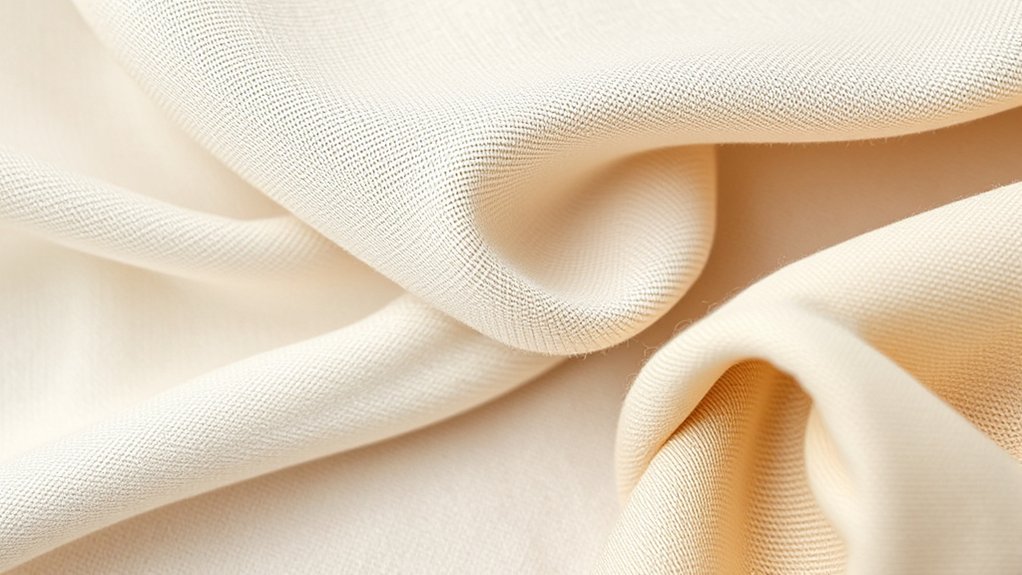
A fabric becomes naturally anti-static when its fibers can dissipate electrical charges instead of holding onto them. When you look into textile weaving, the structure and type of fibers play a big role in this.
Fibers that allow moisture to pass through tend to reduce static build-up because moisture helps carry away electrical charges. You’ll notice that tightly woven synthetic fibers often trap static because they don’t dissipate charges well.
Moisture-permeable fibers reduce static, while tightly woven synthetics often trap electrical charges.
Fabric dyeing can also influence a fabric’s static properties. Some dyes add conductive elements or increase the moisture content in fibers, which helps reduce static cling.
However, certain chemical finishes applied during dyeing might increase static by making fibers more hydrophobic. So, when you select fabrics, consider how both the weaving technique and dyeing process impact their ability to manage static electricity.
Understanding these factors helps you choose or create fabrics that naturally resist static without relying on additional treatments.
Natural Anti-Static Fabrics: Cotton, Wool, and Silk
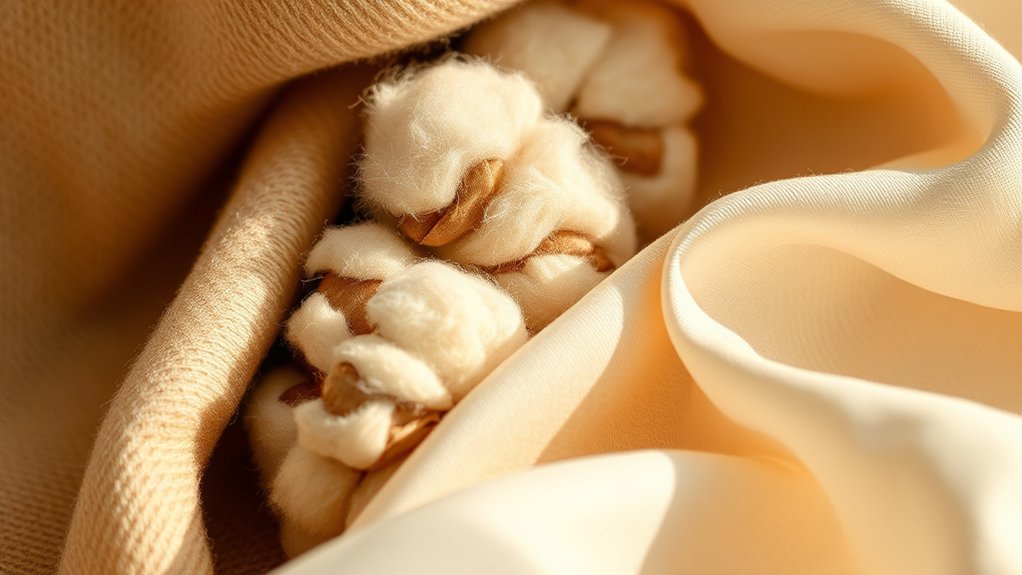
When choosing fabrics that naturally resist static, you’ll find that cotton, wool, and silk stand out for their ability to dissipate electrical charges. Cotton, with its breathable fibers, offers excellent fabric durability and keeps static at bay, making it a reliable choice for everyday wear.
Wool, known for its natural crimp, traps air and reduces static buildup while maintaining warmth and impressive color retention over time. Silk’s smooth, protein-based fibers also prevent static, giving you a soft, luxurious feel without the annoying cling.
You’ll appreciate how these natural fabrics not only minimize static but also provide lasting quality. Their inherent moisture content helps dissipate electrical charges, so you’re less likely to experience shocks or clingy garments.
Plus, they maintain their colors well, so your clothes look fresh longer. Choosing cotton, wool, or silk means you get comfortable, static-free fabrics that stand up to regular use while keeping vibrant color and structure intact.
Synthetic Fabrics That Cut Static Cling
You’ll find that some synthetic fabrics actually reduce static cling, which makes them practical choices for your wardrobe. Take polyester blends, for example—they offer durability while keeping static at bay. So, let’s take a closer look at which low-static synthetic options work best for you.
Low Static Synthetic Options
Although synthetic fabrics often cause static cling, certain low static synthetic options are designed to reduce this nuisance. When you choose fabrics like nylon treated with anti-static finishes or specially engineered acrylics, you get improved fabric durability without sacrificing comfort.
These materials resist static buildup, making them ideal for activewear or everyday use. Plus, many manufacturers now consider environmental impact, using recycled fibers or eco-friendly production methods to minimize harm.
Benefits Of Polyester Blends
Polyester blends offer several advantages that help cut down on static cling, making them a smart choice for your wardrobe. These fabrics combine polyester with natural fibers, reducing the static buildup common in pure synthetics.
You’ll find that polyester blends feel comfortable while resisting cling, which keeps your clothes looking smooth and neat throughout the day. Furthermore, many manufacturers use eco friendly dyes in these fabrics, so you’re supporting sustainable practices without sacrificing style or function.
If you’re into vintage fabric preservation, polyester blends are gentle enough to help maintain older garments’ integrity while minimizing static issues. Choosing these blends means you get durable, low-static clothing that’s both practical and environmentally considerate, perfect for everyday wear.
How Conductive Fabrics Help Stop Static
Because static electricity builds up when electrons can’t move freely, conductive fabrics play a crucial role in preventing it. When you wear or use fabrics with high fabric conductivity, they allow electrons to move across the surface easily, reducing electrostatic buildup. This means you won’t experience those annoying shocks when touching metal objects or feel clingy clothes after removing a sweater.
Conductive fabrics are often made by weaving or coating fibers with conductive materials like silver, carbon, or stainless steel. These materials create a pathway for static charges to dissipate safely into the environment instead of accumulating on the fabric’s surface.
As a result, you stay comfortable and avoid static-related problems. In short, conductive fabrics help you by actively managing and neutralizing static electricity, ensuring that electrostatic buildup doesn’t interfere with your daily activities or damage sensitive electronics you might be handling.
Anti-Static Fabric Treatments and Finishes
You’ll find that many anti-static fabrics go through special treatments to reduce static buildup effectively. These finishes often use conductive compounds or moisture-retaining agents to keep static at bay. When you understand these methods, it’s easier to see how treated fabrics boost comfort and safety in everyday wear.
Common Treatment Methods
Although static electricity can be a nuisance in everyday fabrics, various treatment methods help reduce or eliminate its effects. When choosing an anti-static treatment, you’ll want to balance effectiveness with environmental impact and cost considerations. Here are three common methods:
- Chemical Finishes: These involve applying anti-static agents that attract moisture, reducing static buildup. They’re affordable but may have a higher environmental impact due to chemical use.
- Fiber Blending: Combining conductive fibers like carbon or metal with regular fibers naturally dissipates static. This method is durable but can increase production costs.
- Surface Coatings: Applying thin, conductive coatings offers temporary static control and is often used for specialty fabrics, though it may require frequent reapplication.
Benefits Of Finishes
Anti-static finishes offer several key benefits that improve your fabrics’ performance and comfort. When you choose fabrics treated with these finishes, you reduce static buildup, which means less cling and more ease in wearing and handling your clothes.
These finishes also boost durability, helping your garments maintain their quality over time. Plus, when paired with eco friendly fibers, the treatment supports sustainability without compromising effectiveness.
You’ll find that modern dyeing techniques work well with anti-static finishes, ensuring vibrant colors that last longer without fading or damage. By opting for anti-static finishes, you not only improve fabric functionality but also contribute to a more environmentally responsible wardrobe.
This combination of performance and eco-consciousness makes these finishes a smart choice for your fabrics.
Best Anti-Static Fabrics for Everyday Wear
When choosing fabrics for everyday wear, you want materials that resist static cling without sacrificing comfort. Luckily, several options align with current fashion trends and prioritize eco-friendly materials. This makes it easier for you to stay stylish and sustainable.
Choosing fabrics that resist static while offering comfort keeps you stylish, sustainable, and aligned with fashion trends.
Here are the top 3 best anti-static fabrics for your daily wardrobe:
- Cotton blends Combining cotton with a small percentage of conductive fibers reduces static buildup while keeping breathability and softness.
- Wool Naturally anti-static and insulating, wool’s texture prevents static shocks and fits well with eco-friendly fashion trends.
- Hemp An eco-friendly material that resists static by retaining moisture, hemp is durable, breathable, and becoming popular in sustainable clothing lines.
Specialized Anti-Static Fabrics for Work and Tech
Everyday wear fabrics focus on comfort and style, but specialized environments demand materials designed to protect sensitive equipment and reduce static hazards. When you work in tech or industrial settings, you need fabrics engineered to dissipate static electricity efficiently.
These specialized anti-static fabrics often incorporate conductive fibers like carbon or metal blends, ensuring static charges don’t build up and interfere with delicate electronics.
Besides preventing static, these fabrics frequently use eco friendly dyes, minimizing environmental impact and chemical exposure. If you’re sensitive or prone to skin reactions, you’ll appreciate how these materials support allergen reduction, keeping your workspace safer and more comfortable.
They also meet strict safety standards required in industries like electronics manufacturing and cleanrooms. Choosing these fabrics means you’re not only protecting equipment but also prioritizing your health and the environment. So, when your work demands precision and safety, specialized anti-static fabrics are your best bet.
Benefits of Cotton Blends for Static Resistance
Although pure cotton tends to generate static, blending it with synthetic fibers can markedly reduce static buildup in your clothing. Cotton blends combine the natural comfort of cotton with the static-resistant properties of eco friendly fibers like polyester or nylon. This synergy helps you enjoy breathable fabrics that don’t cling or spark.
Here’s why cotton blends work well for static resistance:
- Balanced Conductivity: Synthetic fibers dissipate static charges, preventing uncomfortable shocks.
- Improved Durability: Blends withstand frequent washing and use, maintaining their anti-static properties longer.
- Advanced Dyeing Techniques: Modern eco friendly dyeing techniques preserve the fabric’s texture and static resistance without harsh chemicals.
Choosing the Right Anti-Static Fabric for Your Wardrobe
Selecting the right anti-static fabric for your wardrobe means considering both comfort and functionality. You want materials that not only reduce static cling but also feel great against your skin throughout the day.
Look for fabrics with proven durability to guarantee your clothes last longer despite frequent wear and washing. Blends incorporating natural fibers like cotton with synthetic fibers often strike the perfect balance.
Fashion versatility is another key factor. Choose anti-static fabrics that easily adapt to different styles and occasions, so you can wear them confidently from casual settings to more formal events.
Fabrics like polyester blends and treated cotton offer a wide range of design options without sacrificing static resistance.
How to Care for Anti-Static Fabrics
To keep your anti-static fabrics working well, you’ll want to follow some specific washing tips that help protect their special properties. For example, try to avoid harsh detergents and instead go for gentle cycles in your washing machine. This way, you maintain their effectiveness over time.
Also, proper storage plays a big role. Make sure to store these fabrics in a cool, dry place. Doing this helps prevent static buildup and keeps the material from getting damaged. It’s really all about giving them a little extra care to keep them in top shape.
Washing Tips
How do you keep anti-static fabrics in top condition? Proper washing is key to preserving fabric durability and color retention. Follow these tips to extend your fabric’s lifespan and maintain its anti-static properties:
Use cold water and a gentle cycle to prevent damage and fading. Hot water can weaken fibers and dull colors.
Choose a mild detergent without additives like fabric softeners, which can reduce the fabric’s static resistance.
Avoid overloading the washing machine to ensure thorough cleaning and reduce friction that may cause wear.
Storage Recommendations
Keeping your anti-static fabrics in good shape doesn’t stop after washing. How you store them greatly impacts fabric durability and color retention. Always keep them in a cool, dry place away from direct sunlight, which can fade colors and weaken fibers.
Avoid plastic bags; instead, use breathable cotton storage bags to prevent moisture buildup that can damage the fabric. When folding, minimize creases to reduce stress on the material, which helps maintain its anti-static properties longer.
If possible, hang your anti-static clothes on padded hangers to preserve their shape. Following these simple storage steps ensures your fabrics stay vibrant and durable, extending their lifespan and maintaining their effectiveness at reducing static buildup.
You’ll enjoy their benefits much longer with proper care.
Frequently Asked Questions
Can Anti-Static Fabrics Reduce Allergies Caused by Dust Mites?
Yes, anti-static fabrics can help with dust mite reduction and allergy prevention. When you use these fabrics, they repel dust and prevent static buildup, which means fewer dust mites cling to your bedding or clothes.
This reduces your exposure to allergens, making it easier to manage allergy symptoms. So, incorporating anti-static fabrics into your home can be an effective step in minimizing dust mite-related allergies and keeping your environment cleaner.
Are Anti-Static Fabrics Safe for Sensitive Skin?
Think of anti-static fabrics as gentle shields, designed to protect your skin from irritation’s harsh storm. Yes, they’re generally safe for sensitive skin, but you should verify fabric compatibility carefully.
Some materials might still cause skin irritation if you’re prone to allergies or have very delicate skin. Always test a small patch first to make certain the fabric feels comfortable against you, letting you enjoy softness without the risk of discomfort.
How Do Anti-Static Fabrics Perform in Extreme Weather Conditions?
You’ll find that anti-static fabrics generally perform well in extreme weather conditions due to their fabric durability and weather resistance. They’re designed to withstand temperature fluctuations and moisture without losing their anti-static properties.
However, some blends might be less breathable in heat or less insulating in cold, so you should choose a fabric specifically engineered for the climate you’ll face. This guarantees both comfort and lasting performance.
Can Anti-Static Fabrics Be Recycled or Are They Eco-Friendly?
You can recycle some anti-static fabrics, but it depends on the material and recycling processes available in your area. Many traditional anti-static fabrics aren’t fully eco-friendly due to synthetic fibers and chemical treatments.
However, you can look for eco-friendly alternatives made from natural fibers with anti-static properties or those designed for easier recycling. Choosing these options helps reduce environmental impact and supports sustainable fashion practices.
Do Anti-Static Fabrics Affect the Breathability of Clothing?
Yes, anti-static fabrics can affect the breathability of clothing, but it depends on the fiber durability and fabric elasticity. If the fibers are tightly woven to improve durability and static resistance, the fabric might feel less breathable.
However, many modern anti-static fabrics balance fiber durability with fabric elasticity, allowing for better airflow and comfort. So, you’ll often find breathable options that still provide effective static control without sacrificing comfort.
Conclusion
Now that you know the top anti-static fabrics, aren’t you ready to bid farewell to those annoying shocks and clingy clothes? Whether you prefer natural fibers like cotton and wool or specialized synthetic blends, you’ve got plenty of options to keep static at bay.
Remember, the right fabric and proper care make all the difference. So why not choose comfort and confidence with fabrics designed to keep you static-free every day? Embracing anti-static fabrics is the key to staying comfortable and shock-free all day long.