Sunbrella vs Olefin: Key Differences
Choosing the right outdoor fabric can feel overwhelming, especially when you want something that looks great, lasts long, and fits your budget. You’re not alone—many people struggle to decide between popular options like Sunbrella and olefin.
Both have their strengths, but which one is truly the best for your space?
Sunbrella and olefin differ mainly in feel, durability, and price. You’ll get a softer, more polished fabric with Sunbrella, plus stronger UV resistance, better color retention, and easier long-term care.
Olefin is lighter, more textured, and usually cheaper, so it’s a practical pick for budget-conscious projects. If you need the best weather performance for harsh sun and moisture, Sunbrella usually wins.
Keep going to see which one fits your space best.
Key Takeaways
- Sunbrella is solution-dyed acrylic with a softer feel, while olefin is a firmer polyolefin fabric.
- Sunbrella offers better UV resistance, color retention, and overall durability than olefin.
- Sunbrella handles rain, mildew, and harsh weather better. Olefin is more moisture-resistant but less robust.
- Olefin is usually cheaper upfront, making it a budget-friendly choice for lighter-duty use.
- Sunbrella suits premium outdoor furniture and exposure-heavy areas. Olefin works well in covered or casual spaces.
Sunbrella vs Olefin: Key Differences

When you compare Sunbrella and olefin, the biggest differences come down to fiber type, durability, and performance in harsh conditions. You’ll usually notice Sunbrella handles sun, moisture, and heavy use better, so it often wins if you want longer fabric longevity.
Olefin can still work well for casual outdoor spaces, but you may see wear sooner in demanding settings. Sunbrella also tends to offer stronger color retention, which helps it keep a fresh look after long exposure to light.
Olefin suits casual outdoor spaces, while Sunbrella better preserves color and durability under longer, harsher exposure.
Olefin resists stains and dries quickly, yet it can fade faster and feel less robust over time. If you need cushions, umbrellas, or upholstery that stay attractive through intense weather, Sunbrella gives you more confidence.
If you want a more budget-friendly option for lighter use, olefin can still meet your needs. Your best choice depends on how much wear, sun, and weather your fabric will face every day.
How Sunbrella and Olefin Are Made
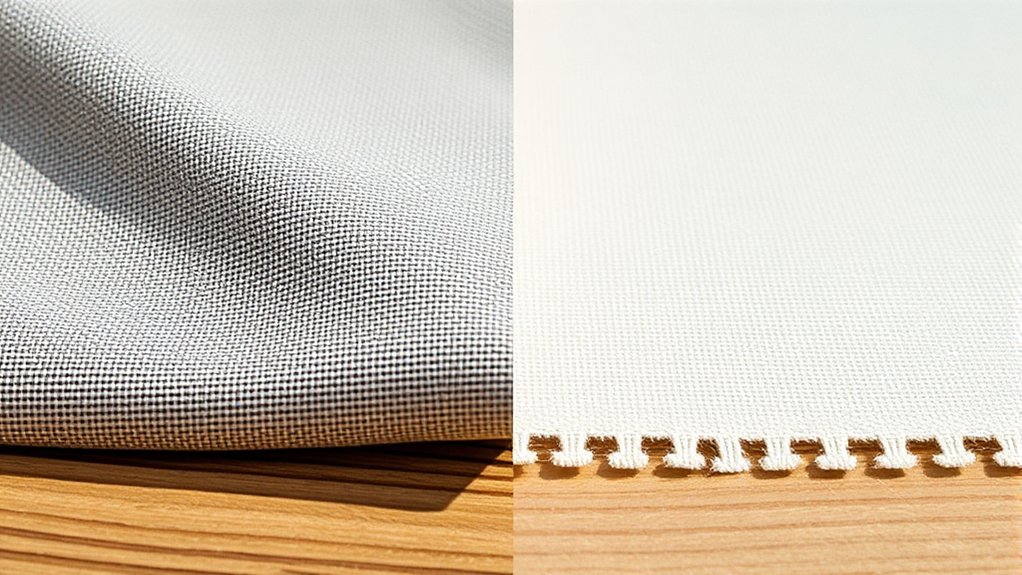
To understand why Sunbrella and olefin perform differently, it helps to look at how each material is made. Sunbrella starts with solution-dyed acrylic, so the color gets added during the fiber technology stage, not after. You get fibers that are spun, woven, and finished through a controlled manufacturing process designed for consistent texture and appearance.
Olefin begins with polyolefin polymers, usually polypropylene or polyethylene, which manufacturers melt, extrude, and stretch into fibers. This process creates a lightweight textile that can be woven or knitted into fabric. Because the color in olefin is also added during production, you don’t rely on surface dyeing later.
The main difference lies in the chemistry and equipment used, which shapes the feel, look, and handling of each fabric. When you compare them, you’re really comparing two distinct production paths that influence how the final material is constructed.
Sunbrella vs Olefin Durability

When you compare Sunbrella and olefin durability, one of the biggest differences you’ll notice is their UV resistance. It’s a key factor to keep in mind. You’ll also want to think about how each fabric stands up to wear and tear over time. Depending on where you use it and the kind of harsh weather it faces, one might hold up better than the other.
UV Resistance
Sunlight is where the difference really shows: Sunbrella is built with solution-dyed acrylic fibers that resist fading far better than olefin. So, it tends to hold its color and strength longer in harsh UV exposure. When you choose fabric for outdoor use, you want stronger UV protection and less fading from constant sunlight exposure.
| Fabric | UV Resistance |
|---|---|
| Sunbrella | High |
| Olefin | Moderate |
You’ll notice Sunbrella keeps its look longer in bright settings, while olefin can lighten sooner under intense sun. If your cushions, umbrellas, or covers stay outside most days, that extra resistance can make a real difference in appearance. For shaded spaces or seasonal use, olefin can still work well, but Sunbrella gives you more dependable performance when sun exposure is a major concern.
Wear And Tear
Beyond fading, day-to-day abrasion also matters, especially if your fabric gets heavy use. You’ll notice Sunbrella usually holds up better when cushions, slings, or covers rub against furniture, pets, or frequent traffic.
Its tighter construction gives it stronger abrasion resistance, so you can expect less pilling, fraying, and thinning over time. Olefin still performs well for casual use, but it can show wear sooner in high-contact spots, especially if you drag cushions or fold them often.
If you want a longer fabric lifespan, Sunbrella often gives you more margin for repeated use. Olefin works best when you need a lighter-duty option and don’t expect constant handling. Choosing between them really comes down to how hard you’ll use the fabric every day.
Weather Performance
Weather can be a major deciding factor, and both fabrics handle it differently. If you want stronger moisture resistance, Sunbrella usually gives you an edge because it repels rain and dries quickly. Olefin also resists water well, but you may notice more variation after long exposure.
In hot or cold climates, Sunbrella offers better temperature stability, so it stays more consistent under changing conditions.
| Condition | Sunbrella | Olefin |
|---|---|---|
| Rain | Repels and dries fast | Resists, but can feel damp |
| Sun | Strong UV protection | Good, but less stable |
| Heat/Cold | Stable in extremes | Fair, may soften or stiffen |
You’ll get solid weather protection from either fabric, but Sunbrella handles harsh outdoor exposure more confidently overall.
Which Fabric Handles Sun and Rain Better?
As far as sun and rain exposure is concerned, Sunbrella usually outperforms olefin in overall durability. You’ll notice its acrylic fibers resist fading better, so your cushions keep stronger color retention after long days in direct sunlight.
It also offers better water resistance, shedding light rain and drying quickly when weather turns damp. Olefin still handles outdoor use well, but repeated UV exposure can weaken its appearance faster, and moisture may show more readily if you leave it uncovered.
If you want fabric for a patio, boat, or pool area that faces harsh conditions, Sunbrella gives you more confidence over time. You can still choose olefin for budget-friendly outdoor projects, especially in milder climates, yet it won’t usually match Sunbrella’s all-around performance when sun and rain hit often.
Sunbrella vs Olefin Comfort and Texture
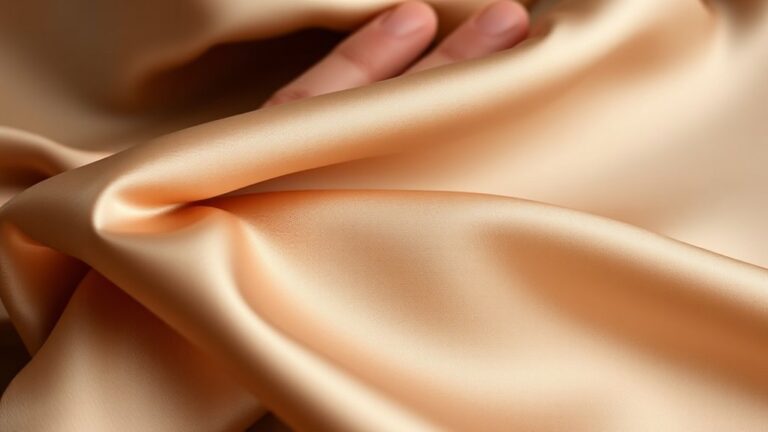
Durability matters outdoors, but you’ll also feel the difference every time you sit down. Sunbrella usually feels softer and more polished, so you get a smoother touch on cushions, slings, and pillows. Olefin often feels a bit more utilitarian, with a firmer, more textured hand that works well when you want a straightforward, practical surface.
Sunbrella feels softer and more polished, while Olefin offers a firmer, more practical outdoor touch.
If you care about comfort for long lounging sessions, you may prefer Sunbrella’s smoother feel. If you want a fabric that feels lighter and less plush, Olefin can fit that need.
You’ll also notice differences in how each fabric fits your style. Sunbrella typically offers broader color variety. Olefin gives you plenty of usable choices for casual spaces.
When you compare breathability options, both can work well in outdoor settings, but the feel against your skin may guide your choice more than anything else. Pick the one that matches how you relax most often.
Which Fabric Fades Less?
Regarding fading, Sunbrella usually has the edge because its fibers are solution-dyed, meaning the color goes deeper into the material and holds up better under sun exposure. You’ll usually notice stronger color retention over time, especially if your fabric sits in direct light for long stretches.
Olefin also offers solid fading resistance, and it can perform well outdoors, but its color typically isn’t locked in quite as deeply as Sunbrella’s. If you want a fabric that keeps a richer look season after season, Sunbrella is often the safer pick.
That said, both fabrics beat many standard textiles concerning UV exposure, so you’re choosing between excellent and better, not good and bad. Your environment matters too: intense sun, reflection from water, and high elevation can speed fading on any material.
For the longest-lasting appearance, prioritize Sunbrella’s superior color stability.
Sunbrella vs Olefin Cleaning and Maintenance
When you compare Sunbrella and Olefin, you’ll see that each fabric calls for a different cleaning routine to keep looking great. Sunbrella is pretty low-maintenance — spot cleaning here and there and the occasional wash usually does the trick. On the other hand, Olefin might need a bit more regular attention to keep dirt and stains at bay. So, thinking about how often you want to clean can really help you pick the fabric that suits your lifestyle best.
Cleaning Frequency
You’ll usually clean Sunbrella less often than olefin because it resists stains and mildew a bit better, so routine upkeep tends to be lighter. You can often get by with occasional brushing, quick spot checks, and simple cleaning tips that stop dirt from setting in.
If you spill something, act fast and use mild cleaning products that won’t damage the fibers or leave residue. Olefin may need attention more frequently because it can show grime sooner in busy outdoor spaces or humid conditions.
Even then, both fabrics stay fairly easy to manage when you clean them promptly. Your schedule should depend on exposure, use, and how much debris lands on the fabric.
Maintenance Requirements
Although both fabrics are easy to maintain, Sunbrella usually asks for less upkeep overall because it sheds dirt, resists mildew better, and responds well to simple routine care. You can usually clean it with mild soap, water, and a soft brush, then let it air dry.
Olefin also handles everyday messes well, but you’ll want to clean spills quickly, since some woven versions can hold grime a bit more. For both fabrics, avoid harsh cleaners, bleach, and abrasive scrubbing unless the care label allows it.
If you protect the fabric from heavy staining and follow routine washing, you’ll improve stain resistance and support fabric longevity. In practice, Sunbrella gives you a slightly easier maintenance routine, while Olefin still performs well with consistent attention.
Sunbrella vs Olefin Cost
Sunbrella usually costs more than olefin because it uses higher-quality solution-dyed acrylic fibers and is built to handle heavy sun exposure, fading, and weather better over time. When you compare Sunbrella pricing with Olefin affordability, you’ll usually see a clear gap at checkout.
Olefin often wins on upfront cost, so it can fit tighter budgets when you want coverage without a big initial spend. Sunbrella, though, may deliver better long-term value if you want a fabric that holds color and structure longer.
You might pay less often for replacements or repairs because it tends to age more slowly. Olefin keeps your starting cost low, but it may show wear sooner under harsh conditions.
If you’re weighing price alone, olefin looks cheaper; if you’re weighing durability against cost over time, Sunbrella can justify the premium.
Best Uses for Sunbrella and Olefin
Once you’ve weighed price against long-term value, the next question is where each fabric makes the most sense. Sunbrella shines in demanding outdoor spaces where you need reliable fade resistance, easy cleaning, and strong performance. You’ll get the best applications for it on patio cushions, boat upholstery, umbrellas, and exposed seating that faces constant sun, salt, or moisture.
It also works well in ideal environments that see heavy use and unpredictable weather. Olefin fits better when you want a lighter-duty option for covered patios, indoor-outdoor rugs, throw pillows, and furniture that won’t sit in harsh sun all day. It resists stains and dries quickly, so you can use it in casual spaces with moderate exposure.
For any area with strong UV, frequent rain, or year-round traffic, Sunbrella handles the challenge better. For sheltered spots and budget-friendly projects, Olefin gives you solid everyday performance without overbuilding your materials.
Which Fabric Should You Choose?
So, which fabric should you choose? Start with how you’ll use it. If you want premium fade resistance, a softer feel, and long-term color retention, Sunbrella is worth the higher price. It handles harsh sun, heavy use, and frequent cleaning well, so you’ll like it for cushions, awnings, and high-traffic patios.
Start with use: for premium fade resistance and softer feel, Sunbrella is worth the higher price.
If you want a budget-friendly option that still works for outdoor furniture, Olefin makes sense. It dries quickly, resists mildew, and gives you solid performance for moderate exposure and everyday comfort.
You should also think about style. Sunbrella usually offers broader fabric trends and richer textures, while Olefin can help you refresh outdoor aesthetics without stretching your budget.
If durability and design matter most, choose Sunbrella. If value and practicality lead your decision, choose Olefin. Either way, match the fabric to your climate, maintenance habits, and how polished you want your space to look.
Frequently Asked Questions
Can Sunbrella or Olefin Be Used for Indoor Upholstery?
Yes, you can use either Sunbrella or olefin for indoor upholstery, and you’ll get good indoor comfort with either option. You’ll likely prefer Sunbrella if you want stronger fabric durability, softer feel, and easier cleaning.
Olefin’s also a smart choice if you need a budget-friendly, stain-resistant fabric. For everyday chairs, sofas, or cushions, both can work well, but you should test the texture before you buy.
Are Sunbrella and Olefin Fabrics Eco-Friendly?
Yes, you’ll find both can be relatively eco-friendly, but it depends on the brand and how it’s made. You should look for sustainability practices like lower-impact production, durable construction, and responsible sourcing.
Sunbrella often emphasizes longevity and recyclability, while olefin can be efficient to produce and sometimes offers recycling options. Still, you’ll need to check certifications, recycled content, and local disposal programs to judge each fabric’s real environmental impact.
Do These Fabrics Come in Many Colors and Patterns?
Yes, you’ll find a lively spread of color variety and pattern options in both fabrics. You can picture bright coastal blues, earthy neutrals, bold stripes, and textured weaves lining your space like a fresh outdoor palette.
Sunbrella usually offers more refined shades and designer prints, while olefin gives you plenty of practical, budget-friendly choices. You can match either one to casual patios, sleek lounges, or playful accents with ease.
Can Sunbrella and Olefin Be Sewn With Regular Thread?
Yes, you can sew both with regular thread, but you’ll get better results if you match your sewing techniques to the fabric. You should test thread compatibility first, since Sunbrella’s thicker weave may need stronger polyester thread and a heavier needle.
Olefin usually sews more easily with standard thread. Keep your stitches even, use sharp needles, and don’t rush. That’ll help you create cleaner seams and fewer skipped stitches.
Are There Flame-Retardant Versions of Both Fabrics?
Yes, you can find flame-retardant versions of both fabrics, and you can choose them for added flame resistance and better safety standards. You’ll see treated or specially manufactured Sunbrella and olefin options.
You’ll want to check the product label, certification, and intended use. You can’t assume every version meets fire codes, so you should verify ratings before buying for indoor, marine, or commercial projects.
Conclusion
When you choose between Sunbrella and olefin, you’re really weighing weatherwise wear, woven comfort, and wallet-friendly value. Sunbrella gives you superior strength, softer style, and standout stain resistance, making it a smart pick for premium outdoor spaces.
Olefin, though, offers lightweight durability, easy upkeep, and lower cost for everyday use. So, consider your climate, comfort needs, and budget.
Then you’ll pick the fabric that fits your space best—whether that’s Sunbrella or olefin.