Do Synthetic Fabrics Shrink?
Struggling with clothes that suddenly don’t fit right after washing? You’re not alone. Many people wonder, “Do synthetic fabrics shrink?” It’s a common frustration when your favorite garments change shape or size unexpectedly. Understanding how synthetic fabrics behave can save you time and keep your wardrobe looking fresh.
You don’t usually have to worry about synthetic fabrics shrinking much because their fibers resist moisture and hold their shape well. However, heat, especially in washing or drying, can cause them to relax and contract, leading to some shrinkage or warping.
Using cold water and gentle cycles helps prevent this, while air drying keeps them looking their best. If you want to understand what causes shrinkage and how to avoid or fix it, there’s more to investigate.
Key Takeaways
- Synthetic fabrics typically resist significant shrinkage compared to natural fibers because of their polymer structure and low moisture absorption.
- Heat, especially from dryers or warm water, can cause synthetic fibers to relax and contract, which leads to some shrinkage.
- Manufacturing processes and finishes can influence how much synthetic fabrics might shrink.
- Blended fabrics with natural fibers may shrink unevenly depending on the fiber ratios.
- Proper care, like washing in cold water and air drying, helps prevent unwanted shrinkage in synthetic fabrics.
Do Synthetic Fabrics Shrink After Washing?
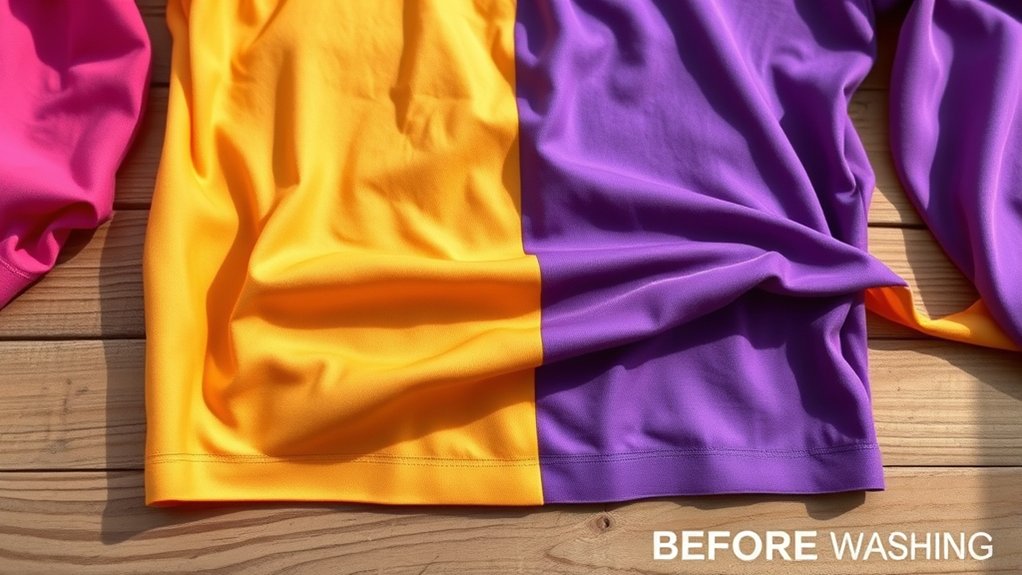
How much do synthetic fabrics shrink after washing? Typically, synthetic fiber types like polyester, nylon, and acrylic resist significant shrinkage compared to natural fibers. When you wash these fabrics, you’ll notice only minimal changes in size, if any.
This durability arises because synthetic fibers are made from polymers designed to maintain their shape and structure through multiple washes. Fabric dyeing processes for synthetics also help maintain their stability, as dyes bond tightly to the fibers, preventing distortion and uneven shrinkage.
However, improper washing conditions, such as high heat or agitation, might cause slight shrinkage, but it remains far less than what you’d see with cotton or wool. So, while synthetic fabrics aren’t completely immune to shrinking, you can generally expect them to hold their size well if you follow care instructions. This makes them a reliable choice for everyday wear that stays true to fit over time.
What Causes Polyester, Nylon, and Acrylic to Shrink?

Several factors can cause polyester, nylon, and acrylic to shrink, even though these fabrics are generally resistant to it. One main cause is the way these fibers are manufactured and treated during production. If the fabric is stretched or heat-set improperly, it may relax and contract later, especially when washed.
Furthermore, certain finishes applied to keep up with fashion trends, like coatings or dyes, might alter the fabric’s behavior and contribute to shrinkage.
When you’re choosing synthetic fabrics, consider eco-friendly options, since sustainable processes often use gentler treatments that reduce shrink risks. Also, blending synthetics with natural fibers can affect how much the fabric shrinks.
Ultimately, understanding these causes helps you care for your garments better and choose pieces that maintain their size and shape over time.
How Does Heat Cause Synthetic Fabrics to Shrink During Laundry?
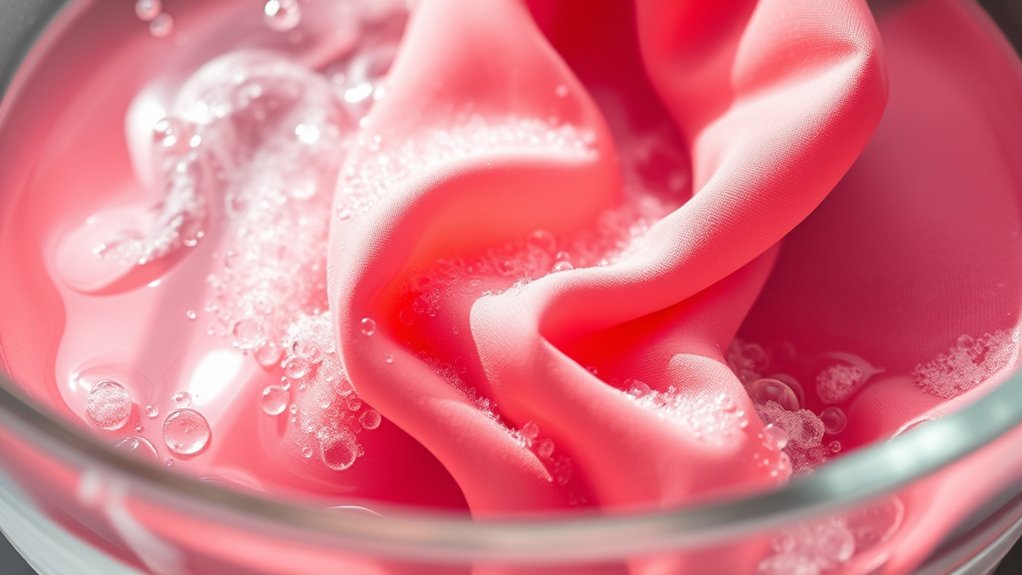
Understanding the factors behind synthetic fabric shrinkage leads us directly to the role heat plays during laundry. When you wash synthetic fabrics like polyester or nylon, heat can trigger changes at the molecular level, causing shrinkage. Here’s how:
- Molecular Structure Relaxation: Heat loosens the tight polymer chains formed during textile manufacturing, allowing fibers to contract.
- Residual Stresses Release: During fabric dyeing and manufacturing, fibers are stretched and stressed. Heat during washing releases these tensions, shrinking the fabric.
- Water Absorption Impact: Warm water can penetrate fibers, softening them and making them more prone to reshaping and shrinking.
- Fiber Realignment: Heat combined with agitation causes fibers to move closer together, reducing overall fabric size.
Can Synthetic Fabrics Shrink in the Dryer?
You might be wondering, can synthetic fabrics actually shrink in the dryer? The answer is yes—they can, especially when they’re exposed to high heat. It’s all about how heat affects these materials.
Knowing this can help you take better care of your clothes. So, let’s go over some easy fabric care tips to keep your synthetics looking great.
Heat Effects On Synthetics
Although synthetic fabrics are known for their durability, they can still shrink when exposed to high heat in the dryer. The heat affects the fibers, especially when synthetic dyeing and fabric blending come into play, altering the fabric’s structure. Here’s what you should know:
- High temperatures can cause synthetic fibers to contract, leading to shrinkage.
- Fabrics with blended fibers may shrink unevenly, depending on the blend ratio.
- Synthetic dyeing processes can weaken fibers, making them more prone to heat damage.
- Overheating can also cause synthetic materials to lose elasticity, affecting fit and texture.
Understanding these heat effects will help you be cautious when drying synthetic garments to avoid unwanted shrinkage.
Fabric Care Tips
Heat can definitely cause synthetic fabrics to shrink, so handling your clothes with care during washing and drying is a smart move. To prevent shrinkage, use cold water and choose a gentle cycle when washing.
Avoid high heat settings in the dryer; instead, opt for air drying or the lowest heat setting to protect your clothes. High heat not only risks shrinking but can also lead to color fading and fabric pilling, which degrade your garment’s appearance and feel.
Turning clothes inside out before washing helps maintain color vibrancy and reduces friction that causes pilling. By following these simple fabric care tips, you’ll keep your synthetic clothes looking great and fitting right, while extending their lifespan without the worry of unexpected shrinkage.
How Can You Tell If Synthetic Fabric Has Shrunk (And Fix It)?
If synthetic fabric feels tighter or shorter than usual, it’s likely shrunk. You can confirm this by comparing the garment’s current size to its original measurements or by checking if it fits differently. Keep in mind that synthetic dyeing or fabric blending processes sometimes alter the fabric’s feel, so look closely for true shrinkage.
To identify and fix shrinkage:
- Measure the garment and compare it to its original size or a similar unworn item.
- Examine the fabric for stiffness or texture changes caused by synthetic dyeing.
- Soak the fabric in lukewarm water mixed with a gentle conditioner to relax fibers.
- Gently stretch the damp fabric back to its original size, then air-dry flat.
This method works best for blended fabrics with synthetic fibers, helping restore fit without damaging the material.
How Is Shrinking Different in Synthetic vs. Natural Fabrics?
You’ll notice that synthetic and natural fabrics shrink in different ways because their fiber structures react differently to heat and moisture. See, synthetic fibers don’t absorb much water and are more sensitive to heat. This affects how they contract when washed or dried. So, knowing these differences can really help you take better care of each fabric.
Fiber Structure Differences
Although synthetic and natural fabrics both shrink, their fiber structures react differently to washing and drying. When you care for these fabrics, understanding their composition and treatment helps you prevent unwanted shrinkage. Here’s how fiber structure differences matter:
- Natural fibers like cotton have a looser fiber weave, allowing water to penetrate and cause fibers to swell and contract.
- Synthetic fibers, such as polyester, have tightly bonded fibers with a denser weave, limiting water absorption.
- Chemical treatments on synthetic fabrics often add stability, reducing shrinkage compared to untreated natural fibers.
- Natural fibers’ irregular cell structure makes them more prone to physical changes during washing, unlike the uniform synthetic fibers.
Knowing these differences lets you handle fabrics properly and keep your clothes fitting well.
Heat Sensitivity Impact
How does heat affect synthetic and natural fabrics differently regarding shrinking? When exposed to heat, natural fibers like cotton contract and tighten, causing noticeable shrinkage.
Synthetic fabrics, however, respond differently due to their chemical structure and the chemical treatments applied during manufacturing, which improve their heat resistance. You’ll find that pure synthetics like polyester shrink less because heat doesn’t break down their fibers as easily.
But when synthetic fibers are part of fabric blending combined with natural fibers, the shrinkage behavior changes. The natural fibers will still shrink under heat, potentially causing the entire blended fabric to shrink unevenly.
Moisture Absorption Effects
Besides heat, moisture plays a significant role in how fabrics shrink, but it affects synthetic and natural fibers in distinct ways. When you handle fabrics, understanding moisture retention and fabric breathability helps you predict shrinking behavior. Here’s how shrinking differs:
- Natural fibers like cotton absorb more moisture, swelling the fibers and causing shrinkage when dried.
- Synthetic fabrics have low moisture retention, so they don’t swell as much.
- Because synthetic fabrics lack breathability, trapped moisture can lead to uneven shrinking or warping.
- Natural fabrics dry slower, allowing fibers to relax and settle, often resulting in more noticeable shrinkage.
How Can You Prevent Shrinking When Washing Synthetic Fabrics?
Since synthetic fabrics are sensitive to heat and agitation, you can prevent shrinking by washing them in cold water and using a gentle cycle. This approach helps maintain fabric durability and keeps your clothes aligned with current fashion trends.
Avoid hot water and harsh detergents, as these can break down fibers and cause unwanted shrinkage.
Here’s a quick guide to washing synthetic fabrics properly:
| Washing Tip | Reason |
|---|---|
| Use cold water | Prevents heat-induced shrinkage |
| Select gentle cycle | Reduces fiber agitation |
| Use mild detergent | Protects fabric integrity |
| Avoid bleach | Preserves fabric color & strength |
| Wash similar fabrics | Prevents damage from friction |
What Are the Best Drying Methods to Protect Synthetic Fabrics?
To protect your synthetic fabrics, you’ll want to use the right drying methods. For example, setting your dryer to a low or no-heat setting helps prevent shrinking and damage. Or, you could try air drying instead. It’s a gentle option that keeps your fabrics in great shape for longer.
Optimal Temperature Settings
When drying synthetic fabrics, you’ll want to use low or medium heat settings to prevent shrinkage and damage. High temperatures can warp the fibers, affecting both the fit and the vibrant colors achieved through fabric dyeing.
To keep your synthetic clothes looking fresh and aligned with current fashion trends, follow these tips:
- Set your dryer to a “delicate” or “permanent press” cycle.
- Avoid high heat settings that cause excessive fiber contraction.
- Use moisture sensors if your dryer has them, to stop drying once clothes are dry.
- Turn garments inside out to protect the fabric dyeing during drying.
Air Drying Benefits
While carefully controlling dryer settings can help preserve synthetic fabrics, air drying offers an even gentler way to protect your clothes from shrinkage and damage. By letting your synthetic garments dry naturally, you avoid the heat that can alter fabric texture and cause fibers to contract.
This method also helps maintain the vibrancy of synthetic dyeing, preventing colors from fading or bleeding. To air dry effectively, hang your clothes in a well-ventilated area away from direct sunlight, which can weaken fibers and dull colors.
Taking these steps ensures your synthetic fabrics stay true to their original look and feel longer. So, whenever possible, choose air drying over machine drying to extend your garment’s lifespan and keep its texture intact.
What Common Laundry Mistakes Cause Synthetic Fabrics to Shrink?
Many people don’t realize that common laundry mistakes like using high heat or harsh detergents can cause synthetic fabrics to shrink. These errors affect the fabric weaves, leading to distortion and unwanted tightening of the material.
Common laundry mistakes like high heat or harsh detergents can shrink synthetic fabrics by distorting their weaves.
Improper care can also accelerate color fading, making your garments look older faster. To avoid shrinking, watch out for these common pitfalls:
- Washing synthetic fabrics in hot water. Heat breaks down fibers, causing shrinkage.
- Using high dryer temperatures. The intense heat can warp fabric weaves.
- Applying strong detergents or bleach. These chemicals weaken fibers, increasing the risk of shrinking and color fading.
- Overloading the washing machine. It restricts fabric movement, stressing the weaves and causing them to tighten.
How Should You Care for Synthetic Fabrics to Keep Them Looking New?
To keep synthetic fabrics looking new, you should handle them with care and attention to their specific needs. Always wash these fabrics in cold water to prevent color fading and preserve their texture. Use a gentle detergent designed for synthetics, and avoid bleach, which can damage fibers and dull colors.
When dealing with stains, treat them promptly using mild stain removal methods to prevent setting. Avoid harsh scrubbing that can weaken the fabric. Skip the dryer when possible; instead, air-dry your synthetic clothes to maintain their shape and avoid shrinkage.
If you must use a dryer, choose a low heat setting. Also, avoid ironing directly on synthetic fabrics. If necessary, use a low heat setting with a pressing cloth to prevent melting or warping.
Frequently Asked Questions
Are Synthetic Fabrics Environmentally Friendly Compared to Natural Fibers?
Synthetic fabrics aren’t usually more environmentally friendly than natural fibers. You’ll find their environmental impact is often worse because they’re made from petroleum-based materials, which don’t biodegrade easily.
When you choose synthetics, you’re contributing to microplastic pollution since they shed tiny fibers during washing. Natural fibers biodegrade faster and have less long-term waste, so if you care about biodegradability concerns and reducing environmental harm, natural fibers are usually a better choice.
Can Synthetic Fabrics Cause Allergic Reactions or Skin Irritation?
Synthetic fabrics can be a hidden storm for your skin if you have allergy triggers or high skin sensitivity. You might notice itching, redness, or irritation when wearing them because some materials trap heat and moisture, creating a breeding ground for discomfort.
It’s smart to check fabric labels and opt for hypoallergenic or breathable options to keep your skin calm and avoid those unwanted reactions.
How Do Synthetic Fabrics Differ in Breathability From Natural Fabrics?
You’ll notice synthetic fabrics usually have lower air permeability than natural ones, meaning they don’t let air flow through as easily. However, they often excel in moisture management by wicking sweat away from your skin, keeping you dry during workouts.
Natural fabrics, like cotton, allow more air to pass through, enhancing breathability but can hold moisture longer, which sometimes feels less comfortable when you’re active or sweating.
What Are Common Uses for Synthetic Fabrics Beyond Clothing?
You’ll find synthetic fabrics used in upholstery, outdoor gear, and even automotive interiors because of their fabric durability and excellent color retention. They’re perfect for items that need to withstand wear and tear while keeping vibrant colors.
Plus, they’re common in home furnishings like curtains and carpets, where lasting strength matters. So, whenever you need something tough and colorful, synthetic fabrics are a smart choice beyond just clothing.
How Do Synthetic Fabrics Respond to Prolonged Sunlight Exposure?
You’ll find synthetic fabrics don’t physically break down quickly but do suffer from UV degradation when exposed to prolonged sunlight. This means the fibers weaken over time, making the material less durable.
You’ll also notice significant color fading, as the pigments can’t withstand constant UV rays. To keep your synthetic items looking fresh, it’s best to limit their sun exposure or use UV-protective sprays regularly.
Conclusion
You might think synthetic fabrics don’t shrink, but the truth could surprise you. That cozy polyester shirt or sleek nylon jacket? They can shrink if you’re not careful.
Heat and harsh washing can silently ruin your favorite pieces. But don’t worry, you hold the power to protect them. With the right care, you’ll keep your synthetic fabrics looking fresh and fitting perfectly.
Ready to discover the secret to lasting clothes? It’s all in your hands when it comes to caring for synthetic fabrics to prevent shrinking.