What Is Tulle?
If you’ve ever tried to find the perfect fabric for a delicate project like a wedding veil or a fancy gown, you know how tricky it can be to balance beauty with functionality. You’re not alone—many people struggle with choosing a material that looks elegant yet is easy to work with and comfortable to wear.
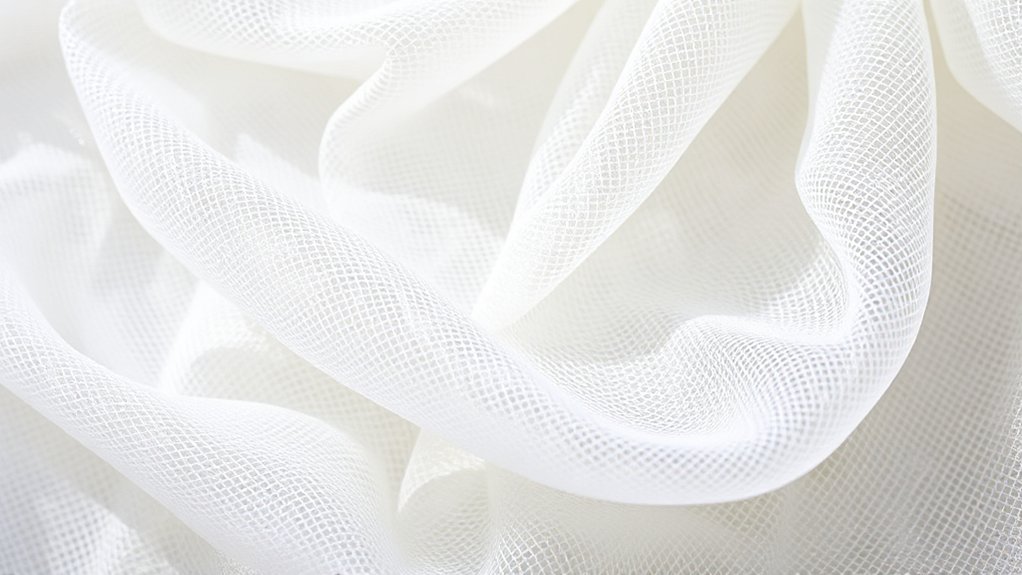
Tulle is a lightweight, sheer netting fabric you’ll often see in veils, skirts, gowns, and decorative accents. It’s made from fine fibers such as silk, nylon, or polyester woven into an open mesh that gives it an airy, floaty look. What Is Tulle?
You can use soft tulle for gentle drape or stiff tulle for shape and volume. If you’re curious, there’s plenty more to uncover about its uses, care, and sewing tricks.
Key Takeaways
- Tulle is a lightweight, sheer netting fabric with a delicate, floaty appearance.
- It is made by weaving fine fibers into an open hexagonal mesh.
- Common fibers include silk, nylon, and polyester. These affect its softness and structure.
- Tulle is often used in veils, skirts, gowns, costumes, and decorative accents.
- Its airy drape, transparency, and ability to add volume make it popular for formalwear and celebrations.
What Is Tulle?

Tulle is a lightweight, sheer netting fabric known for its delicate, airy appearance. You’ll often see it in veils, skirts, gowns, and decorative accents because it adds softness without much weight. When you handle it, you notice how it drapes with a floaty, ethereal feel that catches the eye.
In tulle history, this fabric became closely linked with formalwear and celebration, especially in bridal and stage designs. In tulle fashion, you use it to create volume, texture, and romance without making an outfit feel heavy.
Designers often layer it over other fabrics to add dimension or to soften bold silhouettes. You can also find it in trims, overlays, and accessories, where it lends a graceful finish.
Even though it looks fragile, tulle remains a versatile material that gives your clothing a dreamy, elegant effect.
How Tulle Is Made

Manufacturers make tulle by weaving or knotting fine fibers into an open, hexagonal mesh that creates its signature sheer look. You’ll often see tulle production techniques shift with the fiber choice, from silk to nylon to polyester, because each one changes how the mesh forms and holds shape.
After the base netting comes finishing, where mills may bleach, dye, or heat-set the fabric. That’s where tulle color variations appear, giving you everything from crisp white to vivid jewel tones.
You can picture delicate grids catching light. You may feel drawn to its airy elegance. You might love how simple threads become something magical. You can appreciate the craft behind every yard.
To make a special effect, makers can brush on sparkle, add embroidery, or layer colors for depth. Each step keeps the fabric light while giving it the look you want for veils, skirts, and decorations.
Tulle Weight, Texture, and Drape
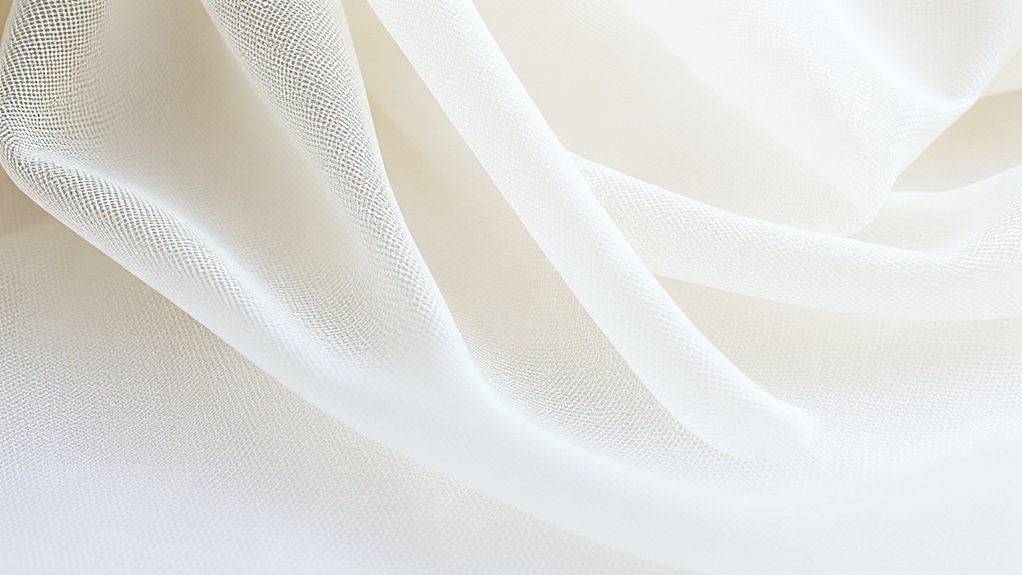
When you choose tulle, its weight and sheerness really shape how light or airy the fabric looks. Softer tulle feels gentler against the skin and drapes more fluidly. On the other hand, heavier tulle holds its shape better. So, you can match the fabric’s texture and drape to your project just the way you want.
Weight And Sheerness
Feather-light and airy, tulle gets its signature appeal from a fine net structure that makes it both sheer and surprisingly resilient. You’ll notice how little it weighs, yet it still holds shape without feeling heavy. That balance defines its tulle properties: open weave, visible transparency, and crisp surface.
Because it’s so light, you can layer it for volume or use a single layer for a whisper-thin effect. In many tulle applications, you get a floating look that catches light beautifully without adding bulk.
You feel elegance without weight
You see layers glow softly
You create drama with ease
You trust it for delicate details
Softness And Draping
Tulle can feel soft to the touch, but its drape stays distinct because of the way the netting holds its shape. You’ll notice that fine tulle feels gentler, while stiffer versions keep more volume and structure. That difference affects how it falls on the body and how it works in skirts, veils, and overlays.
For a clear softness comparison, rub the fabric lightly against your skin and compare it with chiffon or organza. When you choose draping techniques, you can gather tulle for fullness, layer it for cloudlike movement, or let it float away from the silhouette.
Its texture won’t cling much, so it creates airy edges and elegant lift. If you want romance without heaviness, tulle gives you both softness and shape.
Common Types of Tulle
When you look into tulle, you’ll usually come across soft varieties that feel airy and flow beautifully. Then, there are stiffer styles that hold their shape well and add more structure. These common types make it easier to pick the right look for your project.
Soft Tulle Varieties
Soft tulle comes in a few popular varieties, each with its own feel and best use. You’ll notice soft tulle drapes gently, so it works beautifully when you want movement, comfort, and a romantic finish.
In many tulle applications, you can choose from silk-like, nylon, or polyester blends, each offering a slightly different touch. Soft tulle suits veils, skirts, and delicate overlays without feeling heavy or scratchy.
You’ll love its airy, dreamy look. You can create softness that flatters and flows. You’ll feel confident using it for graceful layers. And you can add elegance without overwhelming your design.
When you handle it, the fabric feels light and inviting, helping your project look effortless and refined.
Stiff Tulle Styles
Stiff tulle gives you more body and structure, so it’s ideal when you want volume that holds its shape. You can choose bridal tulle for veils and skirts that need lift, or use costume tulle when you want dramatic silhouettes on stage.
Decorative tulle works well for bows, wraps, and party details, while layered tulle creates fuller hems and petticoats. If you need color, colored tulle adds impact without extra weight.
You can also use tulle embellishments on gifts, décor, and garments, and add tulle accessories for a polished finish. In many tulle applications, this firmer netting keeps edges crisp and helps your design stay bold, balanced, and eye-catching.
What Tulle Is Used For
Tulle shows up most often in wedding veils, bridal skirts, and formal gowns because it adds lightness, volume, and a delicate finish without much weight. You’ll also reach for it in bridal veils, party decorations, costume design, dance costumes, floral arrangements, theatrical productions, gift wrapping, and table skirts.
Its airy texture lets you soften a room, frame a bouquet, or give a character a magical silhouette onstage.
You can make a wedding feel unforgettable. You can turn a plain party into something dreamy. You can help a dancer glow under the lights. You can wrap a gift with care and charm.
When you want elegance without heaviness, tulle gives you that easy, romantic effect. It works beautifully for accents, layers, and details that need movement and grace.
How Tulle Differs From Netting
When you compare tulle to netting, you’ll notice that tulle has a finer weave. Netting, on the other hand, usually has a wider, more open structure. You’ll also find that tulle feels softer and less stiff than many types of netting.
These differences really shape how you use them. For example, tulle is great for delicate fashion details, while netting often works better for sturdier support or decoration.
Weave Structure
Unlike netting, which often relies on a more open, uniform grid of thicker threads, tulle uses a much finer weave or knot structure. This creates a delicate, airy fabric with a softer drape. When you examine weave types, you’ll see tiny intersections that let light pass through while still holding shape.
Its fabric origins trace back to net-like textiles, but tulle refines the structure for elegance and movement. You feel instant lightness. You notice graceful transparency. You get a refined, romantic look. You sense delicate craftsmanship.
This construction gives you a fabric that floats instead of simply hanging, making it ideal when you want subtle texture without visual heaviness.
Fabric Stiffness
The finer structure doesn’t just affect appearance; it also changes how the fabric feels in your hand. When you compare tulle with netting, you’ll notice tulle usually feels lighter, smoother, and less rigid. Its open mesh can hold shape without feeling harsh, which is one of the key tulle characteristics that sets it apart.
Netting often has thicker threads and a firmer hand, so it can feel scratchier and more structural. Tulle’s softness gives you more control when layering, gathering, or draping it, while still keeping enough body for delicate volume.
That balance matters in many tulle applications, because you want a fabric that supports form without overpowering the rest of the design. In short, tulle offers stiffness with flexibility, not stiffness alone.
Common Uses
Tulle shows up in everything from bridal veils and tutus to costume accents, decorative bows, and event decor because it adds volume without much weight. You’ll reach for it in bridal accessories, costume design, dance costumes, and fashion statements when you want softness that netting usually can’t match.
Unlike rougher netting, tulle feels finer, drapes better, and looks more polished for event styling, party decorations, floral arrangements, and gift wrapping.
You feel elegant at a wedding.
You spark playfulness in a costume.
You brighten a party instantly.
You make simple gifts feel special.
How to Choose the Right Tulle
Choosing the right tulle starts with the purpose of your project, since drape, stiffness, and texture can change the final look dramatically. For soft overlays, veiling, or layered skirts, pick fine, lightweight tulle that floats easily.
Choose fine, lightweight tulle for soft overlays, veiling, and layered skirts that need an airy, graceful drape.
If you want more structure for décor or a fuller silhouette, choose a stiffer net with tighter holes. Check the width and color before you buy so the yardage matches your design.
You should also consider how the fabric handles light, because sheer tulle can look airy while denser styles appear more opaque. When you compare tulle applications, think about whether the piece needs movement, shape, or volume.
Current tulle trends favor delicate neutrals, but bold shades and glitter finishes can still work well when you want impact. Feel the fabric if you can; a quick touch tells you whether it will suit your project and help you achieve the effect you want.
How to Sew Tulle
Sewing tulle takes a light touch, since the fabric can slip, stretch, and snag if you handle it too roughly. Use a fine needle, a sharp pair of scissors, and long pins to control the layers. You’ll get cleaner seams if you shorten your stitch length and test your tension on scraps first.
For most sewing techniques, a straight stitch works well, but a narrow zigzag can add flexibility for seams that need movement. Keep the fabric flat, guide it gently, and avoid pulling it through the machine. When you’re making tulle projects, baste layers together before stitching so they stay aligned.
Feel the thrill of delicate fabric becoming something beautiful. Enjoy the calm of careful, steady stitching. Celebrate every smooth seam that holds its shape. Imagine the joy of a finished project that floats with grace.
Press seams lightly, and your tulle will look neat and airy.
How to Care for Tulle Fabric
Because tulle is so delicate, you’ll want to handle it with care from the start. For tulle cleaning, skip harsh scrubbing and choose cool water with a mild detergent. Gently swish the fabric, then press out moisture with a towel instead of wringing.
If you need to spot clean, dab lightly and let the area air-dry. Proper tulle storage keeps the mesh from snagging or crushing.
| Task | Best Method | Avoid |
|---|---|---|
| Washing | Hand wash | Machine agitation |
| Drying | Air dry flat | High heat |
| Stains | Spot dab | Rubbing |
| Storage | Hang or wrap | Tight folding |
When you store tulle, keep it in a breathable bag or acid-free tissue. Separate it from zippers, jewelry, and rough fabrics. If wrinkles appear, use a steamer on low from a safe distance. Never iron directly unless you place a pressing cloth between the iron and the tulle.
Why Tulle Remains a Favorite Fabric
Tulle remains a favorite fabric because it brings instant softness, volume, and elegance without adding much weight. You can use it to shape a dramatic skirt, veil a gown, or add a playful touch to decor. Its tulle versatility lets you style it for weddings, costumes, dancewear, and everyday accessories, so you always have room to create.
Because it layers so well, you control how sheer or full you want the look, and that flexibility keeps it relevant across seasons. Designers also return to it when tulle trends call for romance, texture, and light movement.
You feel graceful when it floats around you.
You get confidence from its dreamy structure.
You enjoy endless styling possibilities.
You sense celebration in every fold.
Frequently Asked Questions
Is Tulle Safe for Children’s Clothing?
Yes, you can use tulle for children’s clothing, but you should choose soft tulle types and avoid scratchy, stiff fabrics. You’ll want to line garments so they don’t irritate skin or catch on play equipment.
Check trims and embellishments for choking risks, too. Good tulle care matters: wash gently, air-dry, and inspect for snags. If you pick quality fabric, you can make outfits that’re safe, comfy, and pretty.
Can Tulle Be Dyed at Home?
Yes, you can dye tulle at home if you pick the right fabric dye options and handle it gently. You’ll get the best results with tulle dyeing techniques like dipping, spraying, or hand-painting diluted dye.
Test a scrap first, because heat and soaking can damage delicate netting. Use cool water, stir lightly, and let it dry flat. You can create soft pastels or bold colors with care.
Does Tulle Fray Easily When Cut?
Yes, tulle can fray a bit when you cut it, but you’ll usually find it’s less troublesome than woven fabrics because of its net-like tulle properties. You can reduce fraying with sharp scissors, rotary cutters, or cutting techniques like sealing edges with a quick flame for synthetic tulle.
If you handle it carefully and cut slowly, you’ll keep the edges neater and avoid extra unraveling.
Is Tulle Suitable for Outdoor Decorations?
Yes, you can use tulle for outdoor decorations, but you’ll want to plan for the weather. Its tulle durability is decent for short-term displays, yet wind, rain, and sun can wear it down fast.
For better tulle weather resistance, secure it tightly and keep it under cover when possible. If you’re decorating for a party, tulle works well, especially in dry, calm conditions.
Can Tulle Be Recycled or Repurposed?
Yes, you can recycle or repurpose tulle, but it depends on the fiber. If you’ve got nylon or polyester, local recycling options can be limited, so you’ll often do better with reuse.
You can turn old tulle into gift wrap, scrunchies, crafts, or event décor. For tulle sustainability, choose durable reuse first. Then, investigate tulle alternatives like cotton gauze or reusable fabric netting when you need a greener option.
Conclusion
Tulle gives your projects lightness, movement, and just the right amount of drama. Whether you’re making a veil, skirt, or decor piece, you can see why it stays so popular.
In fact, the global bridal wear market is expected to keep growing, and tulle is a big part of that look. When you choose the right type and care for it well, you’ll keep its airy charm shining for years to come with tulle.