What Is Chiffon?
Finding the perfect fabric that combines elegance with comfort can be a real challenge. If you’ve ever struggled to find something lightweight yet stylish, you’re not alone. Many people want clothes that look refined without feeling heavy or bulky. What Is Chiffon?
Chiffon is a lightweight, sheer fabric that gives your clothes an airy, elegant look. You’ll notice its soft drape, fine texture, and gentle movement, which make it feel refined without adding bulk.
It’s often made from silk, polyester, nylon, or rayon, and it works beautifully for dresses, scarves, gowns, and layered details.
If you want to understand how it’s made, styled, and cared for, there’s plenty more to uncover.
Key Takeaways
- Chiffon is a lightweight, sheer fabric known for its soft drape and elegant, floating appearance.
- It is made from fine, tightly twisted yarns woven in a loose plain weave, which gives it transparency.
- Common chiffon fibers include silk, polyester, nylon, rayon, cotton, and blended materials.
- You’ll often see chiffon used for eveningwear, bridal veils, sleeves, overlays, and layered skirts.
- It should be handled gently, with hand washing or delicate cycles, cool water, and air drying.
What Is Chiffon Fabric

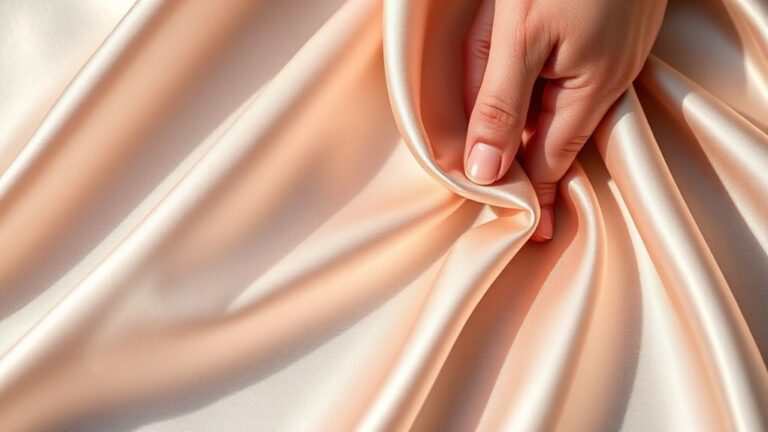
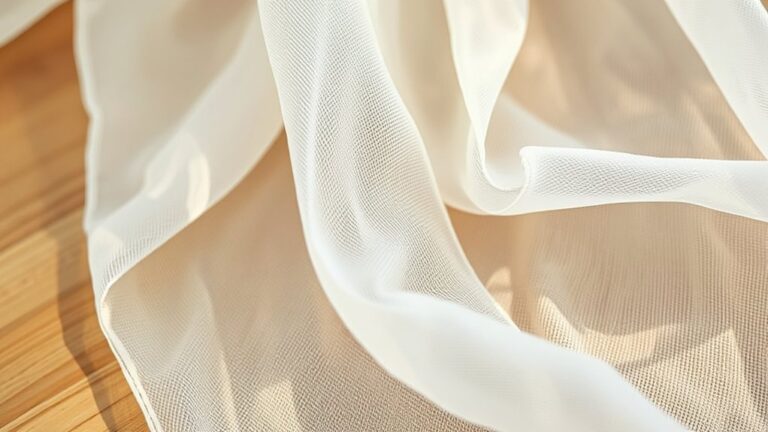
Chiffon is a lightweight, sheer fabric known for its airy drape and slightly textured feel. You’ll often notice how it floats softly over the body, creating a delicate, elegant look without feeling heavy or stiff.
Lightweight and sheer, chiffon floats softly over the body with an airy, elegant drape.
Its transparent quality lets light pass through, so you usually layer it or use it for accents, blouses, scarves, dresses, and eveningwear. When you investigate chiffon history, you’ll find it became popular for its graceful appearance and refined style.
The chiffon origins trace back to silk textiles, where its appeal came from a luxurious hand and subtle movement. Today, you can find chiffon in silk, polyester, and other fibers, but its defining character stays the same: sheer, fluid, and refined.
If you want fabric that adds softness and motion, chiffon gives you a polished finish with a distinctly airy presence.
How Chiffon Is Made

To make chiffon, manufacturers weave fine yarns in a loose, plain pattern that gives the fabric its signature sheer, airy look. You’ll notice that chiffon production often uses highly twisted threads, which help the cloth stay lightweight yet textured.
After weaving, producers may scour, dye, and finish the fabric to improve drape and reduce slippage. Because the weave is open, they handle it carefully during cutting and sewing to limit snags and fraying.
That means fabric durability depends more on finishing and construction than on thickness alone.
| Step | Purpose |
|---|---|
| Weaving | Create openness |
| Scouring | Remove impurities |
| Dyeing | Add color |
| Finishing | Improve handling |
You can expect careful tension control throughout the process, since even small errors can distort the final surface.
Common Chiffon Fiber Types

Because chiffon’s look and feel depend so much on the fiber behind it, you’ll often see this fabric made from silk, polyester, nylon, rayon, or blends of these materials. If you want a luxe option, silk chiffon gives you a classic, refined choice for dresses and scarves.
Polyester chiffon offers you a more affordable, easy-care alternative that works well for everyday wear. Nylon chiffon can add strength, while rayon chiffon gives you a softer, more fluid option. You may also find cotton chiffon, though it’s less common and usually feels more casual.
When manufacturers combine fibers, blended chiffon can balance beauty, durability, and price. You’ll also encounter printed chiffon for bold patterns and embroidered chiffon when designers want extra detail.
Each fiber changes how the fabric performs, so you can choose the version that fits your project, budget, and style goals best.
Chiffon’s Texture, Weight, and Drape
When you touch chiffon, you immediately notice its fine, smooth texture. It’s sheer and lightweight, so it hardly adds any bulk at all. Plus, its soft, flowing drape moves gently with your body, creating a graceful effect.
Sheer, Lightweight Feel
Chiffon’s airy hand is part of its appeal: the fabric feels light, sheer, and fluid, with a soft drape that moves easily over the body. You’ll notice how it lets air pass through, making it a breathable fabric for warm days and layered looks.
Its weight stays minimal, so you get elegance without bulk, and it fits well with seasonal trends, from spring dresses to evening accents.
- You feel effortless and refined.
- You sense coolness against your skin.
- You enjoy a delicate, almost weightless touch.
- You appreciate how it softens any look.
Because chiffon is so fine, it creates a barely-there effect that feels modern and romantic.
Soft, Floating Drape
Its soft, floating drape is what gives chiffon its signature elegance. You’ll notice how it moves with ease, flowing around the body instead of holding a stiff shape.
That gentle movement creates soft draping, so your garments feel graceful and airy when you walk, turn, or stand still. Chiffon’s light weight helps it fall in delicate floating layers, which adds dimension without bulk.
You can use that drape to make dresses, scarves, blouses, and skirts look more fluid and romantic. Because it follows motion so well, chiffon works beautifully when you want fabric that feels alive and expressive.
It doesn’t sit flat; it glides, sways, and settles naturally, giving your outfit a polished, elegant finish with little effort on your part.
Fine, Smooth Texture
Silken to the touch, chiffon has a fine, smooth texture that feels light and refined against your skin. You notice its airy weave immediately, and that delicate surface gives every garment an elegant, flowing feel.
Its smooth finish reflects fine craftsmanship, making each fold look graceful without adding bulk. Because the fabric stays featherlight, you can wear it comfortably while still enjoying a polished look.
Chiffon moves softly with you, gliding rather than clinging, so it creates a sense of ease and romance.
You feel instantly polished.
You move with quiet confidence.
You sense effortless elegance.
You enjoy graceful softness.
What Makes Chiffon Look Elegant
Airy drape gives chiffon much of its elegance, letting the fabric move softly around the body instead of sitting stiffly against it. You notice how the sheer weave catches light, creating a delicate glow that feels refined rather than flashy.
Because the fabric is so light, it adds grace without bulk, so your silhouette stays smooth and fluid. Soft chiffon colors deepen that effect, since pale tones look ethereal and rich shades appear luxurious.
Lightweight chiffon adds graceful movement without bulk, keeping your silhouette smooth and fluid.
Chiffon patterns also elevate elegance when they stay subtle, letting texture and movement do the talking. You get a polished look from the fabric’s transparency, which layers gently and creates visual depth.
Its fine finish keeps details crisp, while its floating quality gives every outfit a graceful, effortless presence.
Best Chiffon Uses in Fashion
You can use chiffon to create elegant eveningwear that flows beautifully and feels light. It’s perfect for those special occasions when you want to look graceful without feeling weighed down. Plus, chiffon works really well in layered skirts, adding soft movement and volume without any heaviness.
When it comes to bridal details, chiffon is a fantastic choice. It brings a delicate, romantic touch to veils, sleeves, and accents that can really make a wedding outfit stand out. So, whether it’s for a formal event or your big day, chiffon has you covered with its airy, elegant vibe.
Eveningwear Elegance
Chiffon shines in eveningwear because it brings movement, softness, and a subtle glow without overpowering the design. You can wear it to feel graceful and confident, whether you choose a sleek gown or a flowing wrap.
Its airy texture flatters formal looks, and its delicate drape keeps your outfit refined. From chiffon history to modern chiffon trends, this fabric has stayed a favorite for elegant nights out.
You’ll feel poised under soft lighting. You’ll love how it floats as you move. You’ll create a romantic, polished impression. And you’ll stand out without looking heavy.
When you want elegance that feels effortless, chiffon gives you that lift.
Layered Skirts
Layered skirts let chiffon show off its best qualities: light movement, soft volume, and a graceful finish that never feels bulky. You can build layered designs that drift as you walk, creating shape without stiffness or heaviness.
Because chiffon falls so smoothly, you get fashion versatility in one piece: pair it with a fitted knit for daytime, then switch to a sleek blouse for dinner. You’ll also appreciate how the fabric catches air, adding dimension while staying comfortable.
Choose subtle tiers for a refined look, or deeper layers for extra drama. Either way, chiffon helps your skirt feel elegant, easy to wear, and ready for many occasions.
Bridal Details
For bridal details, chiffon brings a soft, romantic finish to veils, sleeves, overlays, and delicate draping. You can use bridal chiffon to frame your silhouette without weighing it down, so every movement feels graceful and light.
It works beautifully in wedding details that need texture, transparency, and a dreamy glow. When you choose chiffon, you let light pass through the fabric, creating a gentle shimmer that flatters photos and feels timeless.
You’ll feel elegant walking toward your future.
You’ll love how it floats with each step.
You’ll cherish the softness against your skin.
You’ll create memories wrapped in quiet beauty.
Chiffon for Dresses, Scarves, and Gowns
When you want a fabric that feels light, elegant, and fluid, chiffon delivers beautifully in dresses, scarves, and gowns. You can use it to create soft movement, delicate drape, and a graceful silhouette that flatters many occasions.
Designers often play with chiffon patterns and chiffon colors to add personality without weighing down the look.
| Garment | Why it works |
|---|---|
| Dress | Moves gently and looks refined |
| Scarf | Adds airy texture near your face |
| Gown | Creates drama with layered flow |
| Overlay | Softens simple shapes elegantly |
You’ll also find that chiffon works well with lining, pleats, and overlays, so you can build depth while keeping the finish ethereal. Whether you’re dressing for a formal event or a casual evening, chiffon helps you look polished, romantic, and effortlessly stylish.
How to Care for Chiffon Properly
To care for chiffon properly, you’ll want to wash it gently—either by hand or on a delicate cycle using a mild detergent. Once it’s washed, go ahead and lay it flat or hang it up to dry, but make sure it’s away from any heat because that can damage the fibers.
When your chiffon is clean and completely dry, store it loosely in a cool, dry place. This will help it keep its shape and stay looking great.
Washing Chiffon Gently
Washing chiffon gently helps preserve its soft drape and delicate finish. You should use gentle washing with cool water and a mild detergent, then swirl the fabric lightly instead of scrubbing it. For chiffon care, turn garments inside out and keep them separate from rough textiles, zippers, and hooks.
If you treat the fabric with patience, you’ll keep its airy beauty intact. You protect a favorite piece from stress. You keep colors bright and graceful. You avoid tears that can feel heartbreaking. You honor the fabric’s fragile elegance.
Rinse carefully until the water runs clear, and press the cloth between clean towels without twisting. This simple routine lets you feel confident every time you wash chiffon.
Drying Without Damage
After washing, let chiffon dry flat on a clean towel or hang it from a padded hanger so it keeps its shape. Keep it out of direct sun because heat can weaken the fibers and fade color.
For best fabric protection, smooth the cloth with your hands while it’s damp, but don’t wring, twist, or stretch it. If excess water remains, press gently between two towels instead of squeezing.
Air drying works best since a dryer can cause shrinkage, snags, or a warped drape. Let the garment dry fully before you move it because handling it too soon can leave creases.
If needed, reshape seams and hems while it’s still slightly moist so it finishes drying neatly and stays soft.
Storing Chiffon Properly
Once your chiffon is completely dry, store it in a cool, dry place away from direct light and moisture. Use gentle storing techniques that protect the fibers and prevent snags, creases, and fading. Fold it loosely with acid-free tissue, or hang it on a padded hanger if the garment needs shape.
Keep it away from crowded closets, sharp zippers, and rough fabrics that can catch and weaken it. For fabric preservation, place your chiffon in a breathable garment bag, not plastic, so air can circulate and dampness won’t linger. Check it occasionally for wrinkles or pests, and refold it if needed.
You’ll feel relief knowing it stays safe. You’ll avoid heartbreak from permanent damage. You’ll preserve its airy elegance longer. You’ll protect every delicate detail.
Chiffon Vs. Other Sheer Fabrics
Although chiffon shares its airy, transparent look with other sheer fabrics, it stands out for its soft drape, slightly textured surface, and graceful movement. When you compare it with organza, you’ll notice organza feels crisper and holds shape better. Chiffon flows more freely and flatters soft silhouettes.
Against georgette, chiffon is usually lighter and smoother, though georgette often has a grainier feel and more bounce. You’ll also find that voile and mesh can seem similar at a glance, but they usually serve different purposes because chiffon balances elegance with subtle structure.
These chiffon characteristics make it ideal when you want romance without stiffness. Its versatility shows up in dresses, scarves, blouses, and layered details, where you need fabric that looks delicate yet moves beautifully. If you want sheer fabric that feels refined, fluid, and expressive, chiffon gives you a more elegant finish than many alternatives.
How to Choose High-Quality Chiffon
To choose high-quality chiffon, start by feeling the fabric’s texture and checking how it drapes in your hand. You want a smooth, airy touch, not a scratchy or stiff one. Hold it up to the light and notice whether the weave looks even and delicate.
Good chiffon shows graceful movement, so it should fall softly without feeling flimsy. Check the edges and seams for loose threads, because careful finishing often reflects better chiffon durability.
When you compare pieces, trust the one that feels balanced, rich, and responsive to motion. Strong chiffon qualities include consistent thickness, subtle sheen, and a light but resilient hand.
You’ll feel confident when the fabric glides easily. You’ll love how it catches light without looking cheap. You’ll notice the difference in every gentle fold. You’ll enjoy wearing chiffon that feels elegant and dependable.
Frequently Asked Questions
Is Chiffon Suitable for Hot Summer Weather?
Yes, chiffon can work well for hot summer weather because you’ll get a light, airy feel and plenty of movement. Its chiffon characteristics, like sheerness and breathability, make it a popular choice for summer fashion.
You should still watch for lining, since some pieces trap heat. If you pick loose styles and light colors, you’ll stay cooler and look elegant without sacrificing comfort during warm days.
Can Chiffon Be Lined for More Opacity?
Yes, you can line chiffon for more opacity. You’ll often add a chiffon lining, silk, or lightweight jersey underneath to reduce sheerness while keeping the fabric’s flow.
Your opacity options depend on how much coverage you want and how much drape you want to preserve. You can also double-layer chiffon for a softer, fuller look.
If you choose a lining, match it carefully so it won’t bunch, cling, or overwhelm the garment.
Does Chiffon Wrinkle Easily During Wear?
Yes, chiffon wrinkles fairly easily during wear, especially if you sit, move, or pack it tightly. You can keep it looking smoother with smart chiffon maintenance tips, like hanging it after wearing and steaming it gently.
For better chiffon fabric care, avoid high heat, rough rubbing, and overcrowding in your closet. If you travel, roll it loosely or use a garment bag so you reduce creases and stay polished.
Is Chiffon Breathable for Everyday Clothing?
Yes, chiffon can be breathable for everyday clothing, especially when you choose lighter weaves and blends. You’ll feel air flow, so it works well in warm weather and layered outfits.
For comfort and longevity, follow chiffon care instructions like gentle washing and air drying. Its chiffon versatility makes it easy to wear in blouses, dresses, and skirts, though you may want a lining for extra coverage and comfort.
Can Chiffon Be Used for Home Décor?
Yes, you can use chiffon for home décor, and it works especially well when you want a light, airy look. You’ll love chiffon curtains because they soften sunlight and add elegance without feeling heavy.
Chiffon tablecloths can also dress up dining spaces with a delicate, romantic touch. Since it’s sheer and flowing, you can layer it easily, but you may want backing for more durability and privacy.
Conclusion
Chiffon gives you a beautiful contradiction: it feels featherlight, yet it can make a dress look rich and refined. You see softness and movement, but also structure and grace.
Whether you choose it for a gown, scarf, or delicate overlay, chiffon lets you float through a room with ease. Treat it gently, choose it well, and it’ll reward you with airy elegance that feels both romantic and modern, all at once.
That’s the magic of chiffon—offering a unique blend of lightness and sophistication in every piece.