What Is Viscose?
Finding the perfect fabric that feels luxurious but doesn’t break the bank can be a real challenge. You’re not alone if you’ve struggled to find materials that are both comfortable and affordable. Many people want clothing that looks great, feels soft, and is easy to care for without the high price tag.
Viscose is a soft, semi-synthetic fabric made from wood pulp, so you get a material that feels silky but costs less than real silk. It’s breathable, lightweight, and drapes beautifully, which is why you’ll often see it in dresses, blouses, and other flowy clothing. What Is Viscose?
You’ll also find that it absorbs moisture well and feels smooth against your skin. If you want to know how it’s made and cared for, there’s more to uncover.
Key Takeaways
- Viscose is a semi-synthetic fiber made from cellulose, usually extracted from wood pulp. It’s a regenerated textile known for its soft, smooth feel and silk-like appearance.
- It drapes beautifully, breathes well, and feels comfortable in warm weather. Because of this, it’s commonly used in dresses, blouses, and other clothing since it’s lightweight and affordable.
- Just keep in mind that viscose needs gentle care. It can wrinkle or weaken when wet, and its sustainability really depends on how it’s produced.
What Is Viscose?
Viscose is a semi-synthetic fiber made from cellulose, usually sourced from wood pulp. You can think of it as a regenerated material that bridges natural and manufactured textiles, giving you a fabric that feels soft, breathable, and smooth.
In viscose production, cellulose gets transformed into a versatile yarn used in clothing, linings, and home textiles. You’ll often notice its drape and sheen, which make it a popular choice when you want a fluid look without the cost of silk.
Viscose history goes back to the late 19th century, when manufacturers searched for an affordable alternative to natural fibers. Today, you see viscose in many garments because it blends comfort with appearance.
It isn’t the same as cotton or polyester, and that distinction matters when you’re comparing fabrics. Understanding viscose helps you choose materials that match your needs for feel, style, and wearability.
How Viscose Comes From Wood Pulp
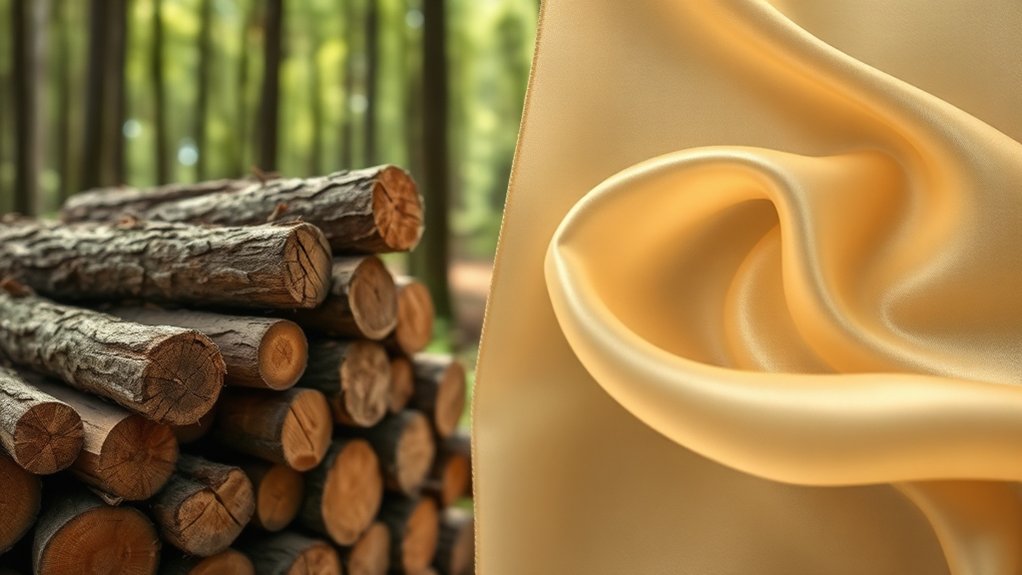
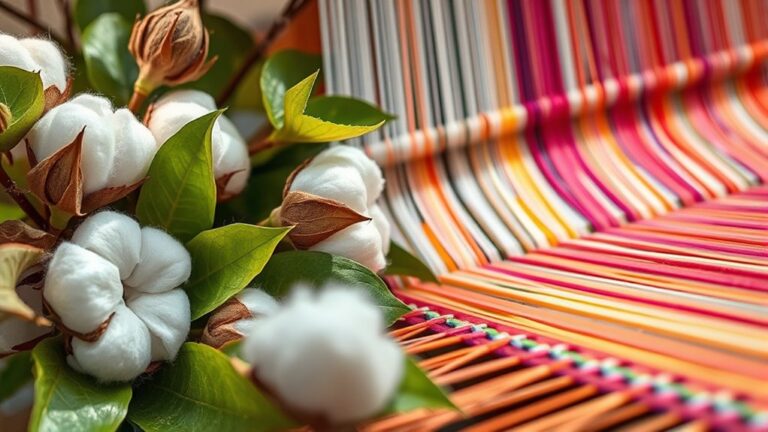
To make viscose, manufacturers start with wood pulp, usually from fast-growing trees like eucalyptus, pine, or beech. You can trace the process through careful wood processing and fiber production. First, they chip the wood and extract cellulose.
Next, they treat it with chemicals to form a thick, workable solution. Then, they push that solution through tiny spinnerets to create filaments. Finally, they wash and stretch the filaments into yarn.
- Wood chips get cleaned and broken down.
- Cellulose is separated from the rest of the wood.
- The cellulose solution is forced into strands.
- The strands become viscose fibers ready for spinning.
You’re looking at a man-made fiber that begins as plant material, then changes form through controlled steps. This is how a tree-based raw material becomes a textile ingredient you can weave, knit, or dye.
Why Viscose Feels So Soft
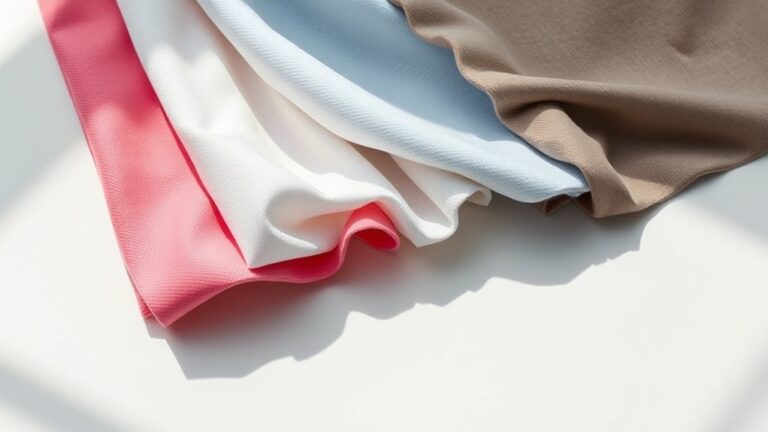
Its softness starts with the way the fibers are made: viscose begins as purified cellulose, then gets regenerated into fine, smooth strands that feel gentle against your skin. Because those strands are thin and uniform, they glide rather than scratch, giving you a soft texture that feels light and fluid.
You’ll notice how the fabric drapes easily, so it moves with you instead of pressing stiffly against your body. Viscose also absorbs moisture well, which can help it feel cooler and smoother in warm weather.
That smooth surface reflects light softly, adding to its luxurious feel without making the fabric heavy. When you wear it, you get comfort from the fiber structure itself, not from bulk or fuzz. That’s why viscose often feels refined, silky, and easy to wear all day.
Viscose vs Cotton and Silk
If you’re comparing viscose with cotton, you’ll notice that viscose often feels smoother and drapes more fluidly. On the other hand, cotton usually feels sturdier and is more breathable. So, if you want something soft that flows nicely, viscose might be the way to go. But if you prefer something durable and airy, cotton could be better.
Now, when you compare viscose with silk, you might see they both have a similar soft sheen. However, silk tends to be richer, more delicate, and definitely pricier. So, depending on what you’re looking for—whether it’s luxury or affordability—these differences can really help you decide which fabric suits your comfort, style, and budget best.
Viscose Vs Cotton
When you compare viscose with cotton and silk, you’ll notice that each fabric brings a different balance of comfort, appearance, and care. With viscose properties, you get a smooth drape and a soft hand that can feel cooler against your skin. Cotton advantages include breathability, durability, and easy everyday wear.
You may like viscose when you want fluid movement. You may prefer cotton for a crisp, sturdy feel. You’ll find viscose can wrinkle more and need gentler washing. You’ll rely on cotton for low-fuss care and long-term versatility.
If you want a fabric that looks elegant and feels light, viscose fits well. If you want dependable comfort and simple maintenance, cotton usually wins.
Viscose Vs Silk
Compared with silk, viscose gives you a similar flowing look at a lower cost, though it usually feels less luxurious and needs more careful washing. You’ll notice that silk properties include a natural sheen, smooth drape, and excellent temperature control, while viscose often mimics that elegance without matching the same strength or resilience.
If you want a dressy fabric that stays budget-friendly, viscose works well, but you should expect it to wrinkle more and lose shape when wet. By contrast, silk can feel cooler, softer, and more breathable against your skin.
Still, viscose characteristics make it a practical option when you want style without the premium price. Choose silk for longevity and luxury, or viscose for accessible, graceful fashion.
Common Uses for Viscose Clothing
You’ll often find viscose in everyday apparel because it feels soft and drapes well. Plus, it stays comfortable all day long. It’s also a popular choice for dresses and blouses, where its smooth texture and flowy look really stand out. So, if you want clothing that feels light and looks polished, viscose can be a smart option.
Everyday Apparel
Viscose shows up in everyday apparel because it feels soft, drapes well, and wears comfortably in warm weather. You can reach for it when you want casual wear that looks polished without feeling stiff.
It works with fashion trends, too, since designers use it for easy, fluid pieces you’ll wear often.
- You get breathable comfort for busy days.
- You enjoy a smooth feel against your skin.
- You can layer it with jeans, shorts, or sneakers.
- You keep your outfit light and versatile.
When you choose viscose basics, you’ll find they move with you and keep your look relaxed. It’s a practical fabric for daily style, and it fits right into your rotation without much effort.
Dresses And Blouses
For pieces that need a softer, more flowing look, viscose is a natural choice for dresses and blouses. You’ll find that it drapes beautifully, skims the body, and feels comfortable in warm weather. Because it takes dye well, you can wear bold prints, rich colors, and seasonal fashion trends without losing softness.
A viscose dress can move easily from daytime errands to evening plans, while a blouse can look polished with trousers or denim. For styling tips, choose structured layers if you want more shape, or keep accessories simple to let the fabric stand out. Since viscose breathes better than many synthetics, you can stay cool and look refined at the same time.
Is Viscose Breathable and Comfortable?
Yes, when made well, viscose can feel soft, smooth, and pleasantly airy, which makes it comfortable for warm-weather wear and layered outfits. You’ll usually notice strong breathability factors because the fibers let air move and help your skin feel less trapped. Your comfort levels depend on the weave, thickness, and how the fabric fits your body.
- A lighter weave lets more airflow through.
- A looser fit helps you stay cooler.
- A blended fabric can change the feel.
- A smooth finish reduces irritation against skin.
You can wear viscose for work, travel, or casual plans when you want a drapey, polished look without extra bulk. It often feels cooler than heavier synthetics, though it won’t always match linen’s crisp ventilation. If you choose quality viscose, you’ll likely enjoy a balance of softness, movement, and everyday comfort.
How to Wash Viscose Properly
You should hand wash viscose gently in cool water with a mild detergent. This helps keep the fabric from stretching or weakening. Don’t wring it out; instead, press out the excess water carefully. Then, lay it flat to air dry so it keeps its shape and stays smooth.
Hand Wash Gently
To keep viscose looking smooth and feeling soft, gently hand wash it in cool water with a mild detergent. Use these care tips for gentle treatment:
- Turn the garment inside out.
- Submerge it and swirl lightly.
- Rub only stained spots with your fingertips.
- Rinse until the water runs clear.
Don’t twist, wring, or scrub, because that can weaken the fibers and distort the shape. Instead, support the fabric with both hands as you lift it from the basin.
If you notice excess soap, rinse again briefly rather than soaking longer. Keep your motions slow and minimal so the weave stays intact. With this careful approach, you’ll protect viscose’s drape, color, and comfort while cleaning it safely.
Air Dry Flat
After a gentle hand wash, lay viscose flat on a clean, dry towel or drying rack so it keeps its shape. Press out excess water with your hands first, but don’t wring or twist the fabric, since that can stretch or distort it.
During air drying, reshape the garment gently, smoothing seams, hems, and sleeves as needed. Keep it away from direct sunlight, heaters, and tumble dryers, because heat can weaken fibers and cause shrinkage.
If you’re flat drying on a towel, roll the towel once to absorb more moisture, then unroll and replace it with a dry one if needed. Let the piece dry fully before wearing or storing it so you avoid mildew and preserve the drape.
Pros and Cons of Viscose
Viscose offers a soft, silky feel at a lower cost than many natural fibers, which makes it popular for clothing and home textiles. You’ll like how it drapes, breathes, and takes dye well, so you can find it in bright, polished pieces. It also feels comfortable against your skin.
Soft, silky viscose drapes beautifully, breathes well, and delivers polished style at a lower cost.
- You get a smooth, lightweight fabric.
- You enjoy strong color and elegant drape.
- You can buy it without spending much.
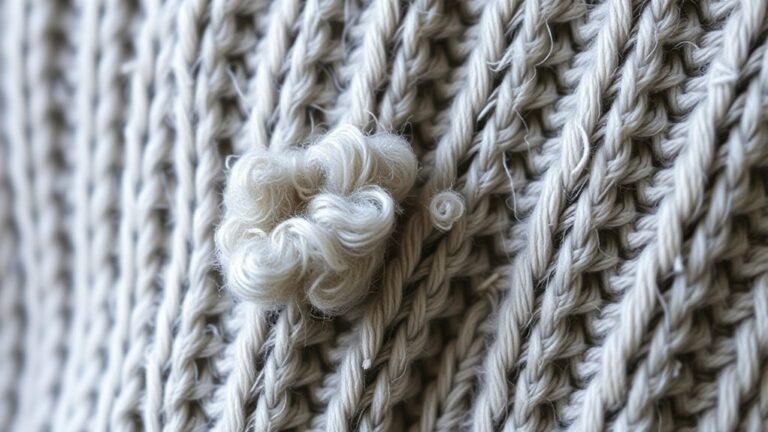
- You may need extra care, since it wrinkles and weakens when wet.
Because viscose production uses a chemical process, you should also notice its environmental impact when you compare it with other fabrics. The trade-off is clear: you gain softness and style, but you’ll want to handle it gently and check the care label before washing.
Is Viscose Sustainable?
Sustainability depends on how viscose is made, because the fiber comes from wood pulp but requires a chemical process that can use significant water and energy. You can’t call every viscose product sustainable, since production methods vary widely.
Some mills reduce emissions, recycle solvents, and limit wastewater, while others rely on dirtier practices that harm air and water quality. If you want a lower-impact option, look for brands that use eco friendly practices and source pulp from responsibly managed forests.
Ethical sourcing matters because fast-growing trees don’t automatically make a product better if the supply chain damages ecosystems or communities. You should also check for certifications and transparency about manufacturing.
In short, viscose can be a better choice than some synthetics, but it isn’t automatically sustainable. Its impact depends on raw materials, factory controls, and how seriously the brand treats environmental responsibility.
When Viscose Is a Good Choice
When you want a fabric that feels smooth, drapes well, and breathes better than many synthetics, viscose can be a strong option. You might choose it when you want a polished look without paying for silk. It works well for flowing dresses, blouses, scarves, and linings. It also fits current fashion trends because designers love its soft sheen and movement.
- You want comfort in warm weather.
- You need elegant drape for tailored pieces.
- You want color to appear rich and vivid.
- You’re comparing costs and want a budget-friendly alternative.
Viscose can also suit you if you value a softer feel than cotton-like knits offer. Still, think about the environmental impact before you buy, especially if you’re weighing frequent use against more durable fibers. When you pick viscose thoughtfully, you get style, comfort, and versatility in one fabric.
Frequently Asked Questions
Is Viscose the Same as Rayon?
Yes, you’re usually dealing with the same fiber. Viscose is a type of rayon, so when you compare them, viscose properties and viscose production describe one rayon variant made from regenerated cellulose.
You’ll often see “rayon” as the broader category, while “viscose” names the specific process and fiber type. So, if a label says viscose, you can think of it as rayon, just produced through the viscose method.
Does Viscose Shrink After Washing?
Yes, viscose can shrink after washing. If you toss a favorite blouse into hot water, you might find it fits tighter afterward. You should check the care label, since viscose care depends on its fabric properties, and gentle washing helps limit shrinkage.
Wash it cold, use a mild cycle, and reshape it while damp. You can avoid surprises by air-drying, not tumble-drying, and handling it carefully every time.
Can Viscose Trigger Allergies or Skin Irritation?
Yes, viscose can trigger allergies or skin irritation in some people, especially if you’re sensitive to dyes, finishes, or textile chemicals. You might notice redness, itching, or a rash after wearing it.
To reduce viscose allergies and irritation, wash new clothes before use, choose fragrance-free detergents, and avoid tight-fitting items. If your skin keeps reacting, stop wearing the fabric and check with a dermatologist.
Is Viscose Suitable for Summer Travel?
Yes, viscose can be a smart pick for summer travel if you choose it wisely. You’ll appreciate its soft feel and lightweight drape, and it works well in a breathable fabric blend.
Add it to your travel wardrobe for dresses, tops, or relaxed pants. Just know it can wrinkle and may need gentle care, so pack pieces you can fold neatly and wear easily on hot, busy days.
Does Viscose Wrinkle Easily?
Yes, viscose wrinkles easily. It’s smooth at first but gets rumpled soon after. You’ll notice its soft drape and airy feel, but those viscose properties don’t resist creasing well.
With proper care, you can reduce wrinkles by hanging it right after washing, avoiding overload in your suitcase, and using a steamer instead of high heat. If you want crisp lines, choose blended fabrics. If you want flow, viscose delivers.
Conclusion
Now that you know what viscose is, you can see why it’s such a popular fabric. It feels silky, drapes beautifully, and works well in lots of everyday clothing.
Just remember to wash it carefully and check whether it fits your needs for comfort, care, and sustainability. If you want something soft without breaking the bank, viscose might be just the ticket.
With the right choice, you’ll feel confident wearing viscose.