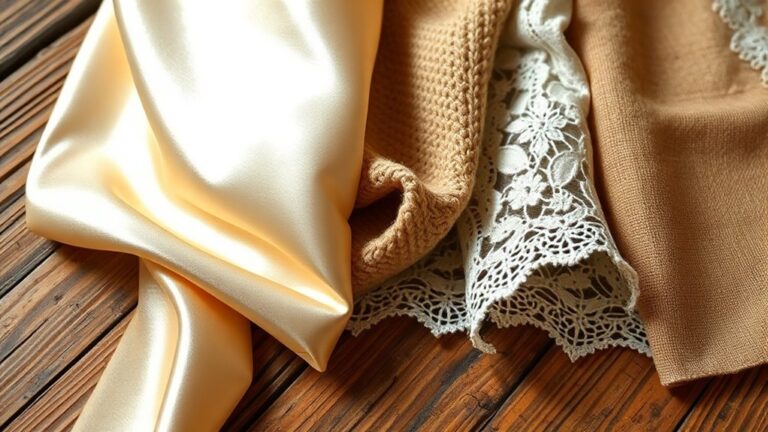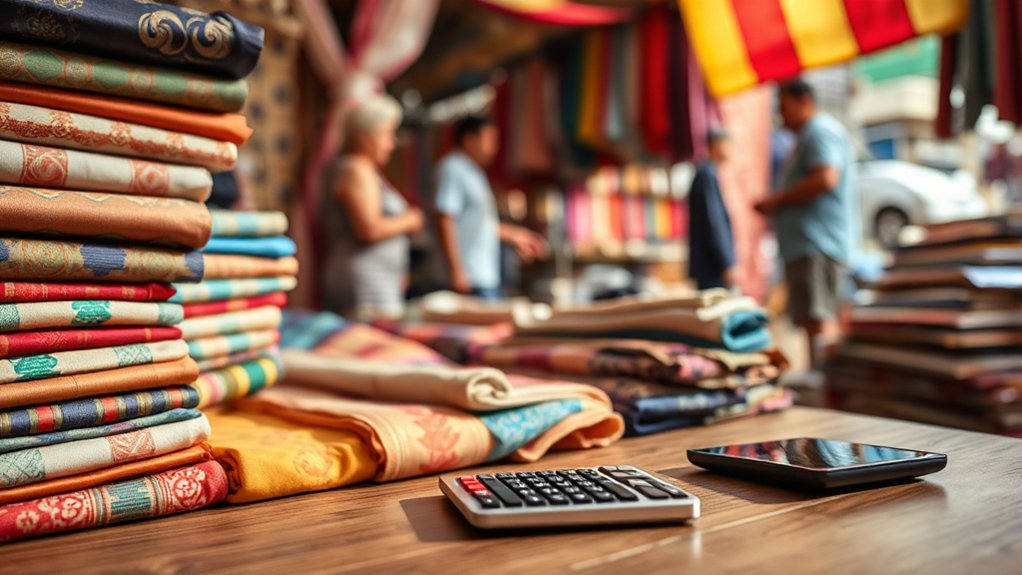
How Much Is Fabric for Buyers?
If you’re new to shopping for fabric, figuring out how much it costs can be a real headache. You’re not alone—many people struggle with understanding the price differences and what makes some fabrics pricier than others.
Whether you’re sewing your first project or restocking your stash, knowing what to expect can save you time and money. How Much Is Fabric.
Fabric for buyers usually costs a few dollars per yard for basic cottons and blends, while premium, specialty, or designer fabrics can run well over $20 per yard.
You’ll pay more for natural fibers, tighter weaves, special finishes, and performance features like stretch or moisture control.
Buying in bulk can lower the price, while small cuts often cost more. If you compare fiber, width, and finish, you’ll spot better value and see what changes the price.
Key Takeaways
- Fabric prices vary widely, from inexpensive basic cottons to premium specialty textiles. Material type, fiber content, weave, and finishing treatments strongly affect the final price.
- Retail fabric is usually sold by the yard, meter, or roll, so compare units before buying. Bulk purchases, sales, clearance bins, and end-of-bolt deals can lower the cost per yard.
- Compare total value, including shipping and extra yardage, to find the best fabric deal.
How Much Does Fabric Cost?
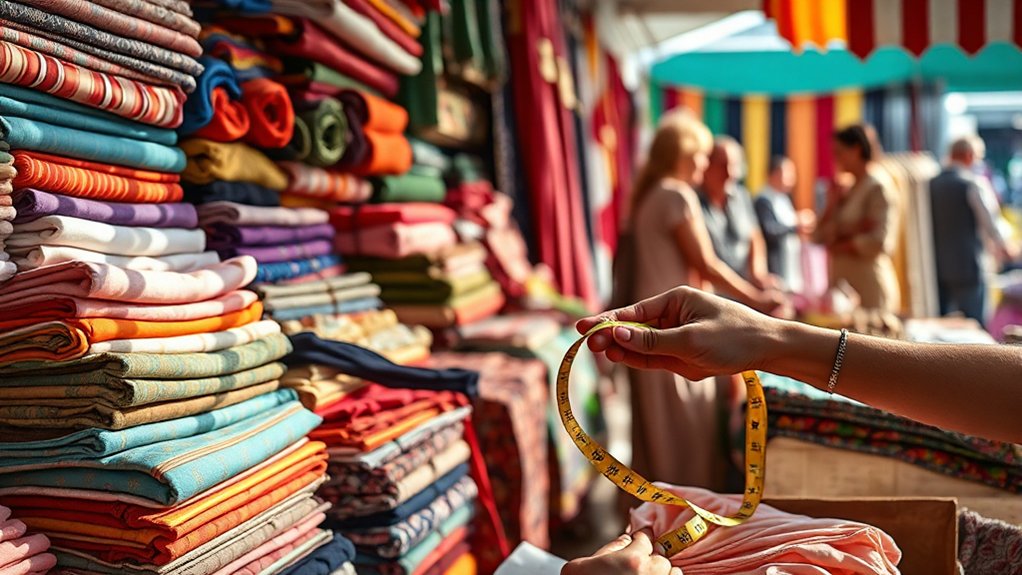
Fabric costs can vary widely depending on the type, quality, and where you buy it. If you’re planning a project, you’ll want to think regarding fabric budgeting, because prices can range from a few dollars a yard to much more for specialty options.
Basic cottons and blends often sit at the lower end, while premium textiles usually cost more. You’ll also notice that seasonal trends can shift what’s available and how much you pay, especially when stores run promotions or clear out inventory.
If you shop online or in local stores, compare prices before you buy so you can stretch your budget further. Always check whether the price is listed by the yard, meter, or roll, since that changes your total.
Which Factors Affect Fabric Prices?

Fabric prices usually depend on the material. For example, cotton, silk, wool, and synthetics each cost different amounts to produce and process. You’ll also notice big price changes based on order volume. That’s because buying in bulk often lowers the per-yard cost. So, when you compare fabric options, the type and quantity really matter the most.
Fabric Type Costs
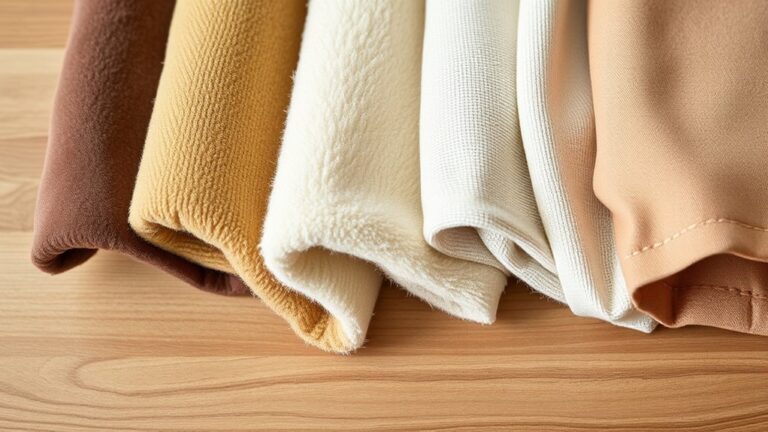
When you compare fabric prices, the fiber content usually drives the biggest difference. Natural materials like silk, wool, and linen often cost more than polyester or cotton blends because they’re harder to source or process.
You’ll also notice that fabric sourcing and trend analysis shape what you pay. Popular or scarce materials move faster and price higher.
- Fiber type: natural, synthetic, or blended
- Finish: dyed, printed, brushed, or coated
- Performance: stretch, moisture control, or durability
If you want lower costs, choose common fibers and simpler finishes. If you need luxury, texture, or specialty performance, expect a higher per-yard price.
You’ll save time and money when you match the fabric to your project’s actual needs.
Order Volume Impact
Buying in larger quantities usually lowers the price per yard because mills and suppliers can spread setup, cutting, and shipping costs across more fabric. When you choose bulk purchasing, you’ll often gain access to seasonal discounts and stronger supplier negotiations, especially if market trends show steady demand.
Smart order sizing also helps you avoid excess inventory management costs while keeping your fabric sourcing efficient.
| Order volume | Price effect |
|---|---|
| Small orders | Higher per-yard cost |
| Mid-size orders | Moderate savings |
| Large orders | Best discounts |
Still, price fluctuations can happen during demand spikes, so timing matters. If you’re flexible, you can compare quotes, consolidate shipments, and reduce shipping costs. That way, you’ll get better value without overbuying or tying up cash.
How Fabric Prices Vary By Type
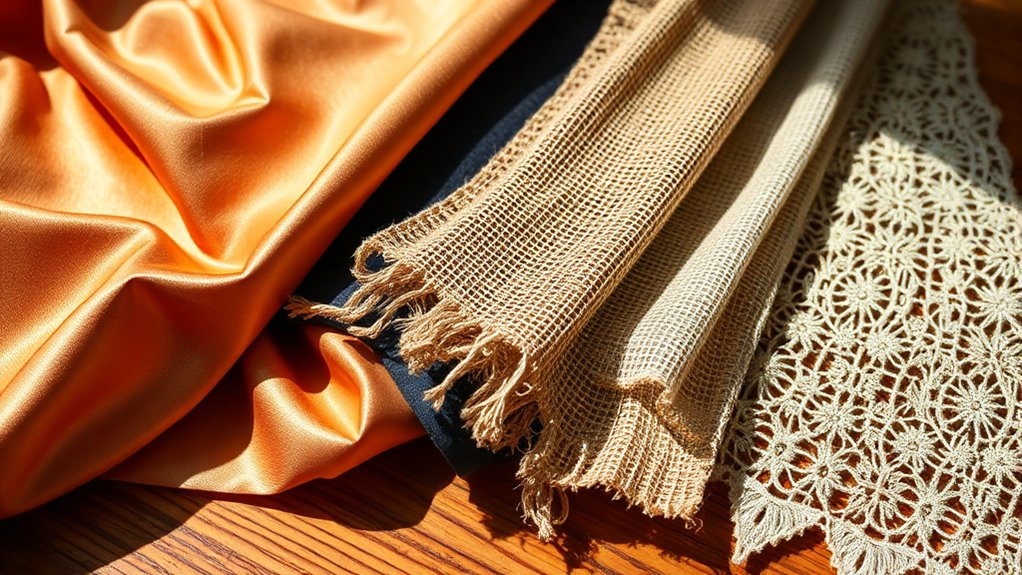
Prices can swing a lot depending on the fabric type, since fiber content, weave, weight, and finishing all affect cost. When you compare cotton, linen, polyester, wool, and silk, you’ll see each one sits in a different price lane. Your fabric sourcing strategies should match the market you’re targeting because the right choice can trim costs fast.
If you want lower prices, consider blends or standard weaves. If you need premium appeal, natural fibers usually cost more. Sustainable fabric options can also change your budget, especially when you choose organic or recycled materials.
- Cotton often stays affordable and widely available.
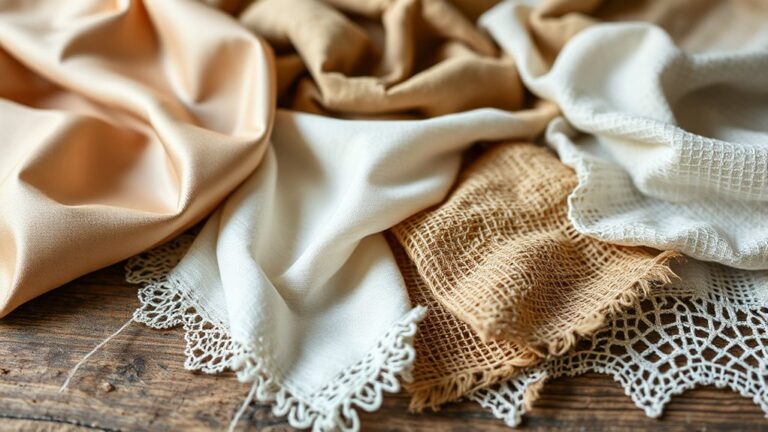
- Linen usually costs more because processing takes more work.
- Silk and wool often command higher prices due to supply limits.
You’ll also notice that specialty fabrics, like performance knits or coated textiles, can raise the quote quickly, so always compare options before you buy.
How Fabric Quality Changes the Price
When you compare fabrics, fiber content can quickly raise or lower the price. That’s because natural and high-performance fibers often cost more than basic blends. You’ll also notice that a tighter weave density usually adds strength and value, which can bump the cost up a bit. Plus, special finishing and treatments—like stain resistance or softening—can make fabric more expensive too.
Fiber Content Impact
Fiber content can change fabric prices dramatically because the fibers themselves vary in quality, rarity, and performance. When you compare fabrics, you’re really comparing fiber properties, feel, durability, and care needs.
Natural fibers like silk or alpaca often cost more than common synthetics because they’re harder to source and process. You may also pay extra for blends that balance comfort with strength.
- Premium fibers usually raise the price.
- Specialized treatments can add value.
- Sustainability concerns can also push costs up when producers use organic or traceable inputs.
If you want better value, check the fiber label first. A fabric’s price often reflects how the fiber behaves in use, not just how it looks on the shelf.
Weave Density Differences
A tighter weave often costs more because it uses more yarn, takes longer to produce, and usually creates a stronger, smoother fabric. You’ll notice that weave characteristics affect both durability and feel, so denser cloth often earns a higher price than open, loose weaves.
When you compare options, pay attention to how closely the threads sit together and how consistent the pattern looks. A compact structure can improve fabric texture, making it feel refined and less prone to snagging.
Lower-density fabrics may cost less, but they can feel lighter and less substantial. If you’re buying for long-term use, you may pay more upfront for a tighter weave, yet you often get better performance and a more polished appearance.
Finishing And Treatments
Finishing can raise fabric prices because it adds extra processing steps that improve how the material looks, feels, and performs. When you compare options, you’ll notice that finishing techniques often add smoothness, shine, stain resistance, or durability, and those upgrades cost more.
Treatment methods like mercerizing, waterproofing, and anti-wrinkle processing can also change the final price.
- Better hand feel usually means extra processing.
- Specialized coatings increase durability and cost.
- Premium treatments often reduce maintenance later.
You pay more for fabric that arrives ready to use, lasts longer, and performs better in daily wear. If you want value, look past the base fiber and check how the fabric was finished, because those final touches often explain the price difference.
How Quantity Affects Fabric Costs
When you buy fabric in larger quantities, the price per yard usually drops because sellers can spread their costs across a bigger order. You’ll often see bulk purchasing rewards in the form of fabric discounts, especially when you meet minimum yardage requirements.
If you’re planning a project, buying extra can lower your total cost now, but only if you’ll actually use it. Watch seasonal pricing too, since market demand can push rates up or down.
During slower periods, you may get better terms through supplier negotiations, especially if you’re a repeat customer. Smart fabric sourcing helps you compare price breaks across weights, weaves, and finishes without overpaying for more than you need.
Smaller orders usually cost more per yard, while larger cuts often reveal better value and steadier supply. Your best savings come from balancing quantity, storage space, and expected use.
Where To Find the Best Fabric Deals
You can find the best fabric deals by checking multiple sources, because prices can vary a lot from one seller to another. Start with online marketplaces, where you can compare discount fabrics fast. Then visit local boutiques during fabric sales and browse clearance sections for hidden finds.
If you want bigger savings, look at fabric wholesalers, fabric trade shows, and fabric auctions, where bulk lots often cost less per yard.
- Check seasonal sales early, before the best prints disappear.
- Join fabric swaps to trade leftovers and sample cuts.
- Compare listings across sellers so you don’t miss a lower price.
You’ll usually save more when you mix these options instead of relying on one store. Keep a shortlist of trusted sources, watch for new markdowns, and move quickly when a great deal appears.
What to Expect From Retail Fabric Costs
When you shop retail, you’ll usually see fabric priced by the yard. The base rate can vary a lot depending on the store. You’ll pay more for specialty fibers, heavier weaves, or designer prints than you would for simple cottons or basic fabrics. Also, keep an eye on yardage minimums and markups because they can quickly change the final cost.
Retail Pricing Basics
Retail fabric pricing usually falls into a few predictable tiers, so you can get a rough sense of cost before you shop. In most stores, you’ll see basic bolts, midrange prints, and premium options, each adding a different pressure to your budget planning.
Smart fabric sourcing helps you compare shops before you commit, and it keeps surprises low.
- Entry-level fabrics often cost less and work for simple projects.
- Midrange choices usually balance quality and price for everyday use.
- Higher-priced bolts can raise your total quickly, so check the cut length first.
When you browse, watch for sale tags, minimum cuts, and per-yard pricing. Those details shape what you’ll pay at checkout and help you make faster decisions.
Fabric Type Differences
Fabric type plays a big role in what you’ll pay, because fiber content, weave, and finish can shift a bolt from budget-friendly to premium fast. Cotton and polyester blends usually stay affordable, while linen, silk, wool, and specialty knits often cost more because they need extra processing or harder-to-source fibers.
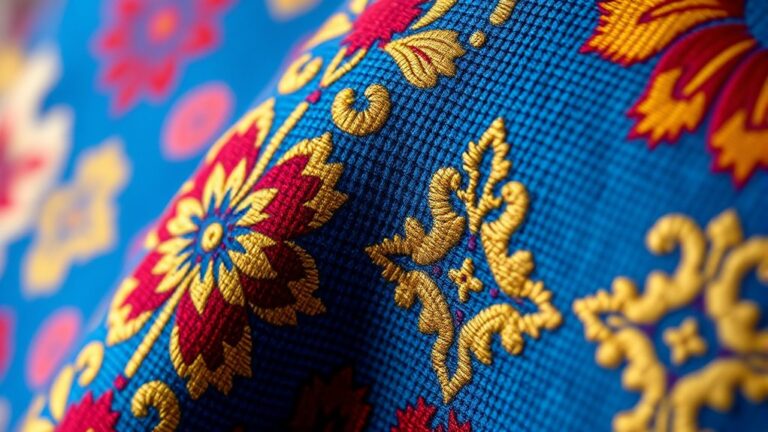
You’ll also notice that printed, brushed, coated, or textured fabrics often carry higher retail tags than plain basics. If you’re planning fabric sourcing strategies, compare the same fiber across several shops and look at fiber weight and finish, not just the label.
For projects where comfort and impact matter, sustainable fabric options can cost more upfront, but they may deliver better quality and lower environmental cost over time.
Yardage And Markups
After you’ve compared fabric types, the next cost driver is how much yardage you need and how a shop prices it. You’ll usually pay by the yard, but minimum cuts and bolt remnants can change the total fast. Retailers build in markup to cover fabric sourcing, overhead, and profit, so the shelf price isn’t just raw material cost.
- Small cuts often cost more per yard.
- Designer prints usually carry higher markups.
- Bulk buys can lower your unit price.
You can save by checking discount bins, asking about end-of-bolt deals, and comparing pricing strategies across stores. If you need extra for matching, seams, or mistakes, add it now. That cushion keeps your budget realistic and avoids costly reorders later.
How Wholesale Fabric Pricing Works
Wholesale fabric pricing usually drops as yardage goes up, but the exact cost depends on the fiber, weave, finish, color, and how much you order. When you buy through fabric sourcing channels, you’re often paying for volume tiers, not a single flat rate.
Suppliers set pricing strategies around minimum order quantities, repeat business, and the complexity of production. You’ll usually see lower per-yard pricing once you hit each tier, but small orders can carry setup fees or higher handling costs.
If you need custom dyeing, special coatings, or rare patterns, expect the quote to rise. You can also save by choosing standard stock colors, accepting longer lead times, and comparing multiple mills or distributors.
Always ask for a full landed cost, since freight, duties, and packaging can change your true price. That way, you can judge offers accurately and avoid surprises before you commit.
Natural vs Synthetic Fabric Costs
Natural fibers like cotton, wool, silk, and linen often cost more than synthetics because they depend on crop yields, animal sources, and more labor-intensive processing. You’ll usually pay for that complexity in higher yard prices, especially when fabric sourcing is limited or seasonal.
Synthetics such as polyester, nylon, and acrylic often come in at lower costs because manufacturers can produce them at scale with predictable output.
- Natural fibers can offer better breathability, drape, and comfort.
- Synthetic fabrics often win on budget, durability, and color consistency.
- Your choice may also reflect fabric sustainability goals, since some natural options biodegrade more easily while some synthetics use less land and water.
You should match price to purpose, because cheaper fabric isn’t always the best value. If you need a premium feel or a more eco-minded material, the higher cost can make sense. If you need volume and consistency, synthetics may save you money.
How to Compare Fabric Prices Smartly
How do you know if a fabric price is actually good value? You compare more than the sticker price. Check fiber content, width, weight, weave, and finish, because a cheaper yard can cost more if it’s thin or narrow.
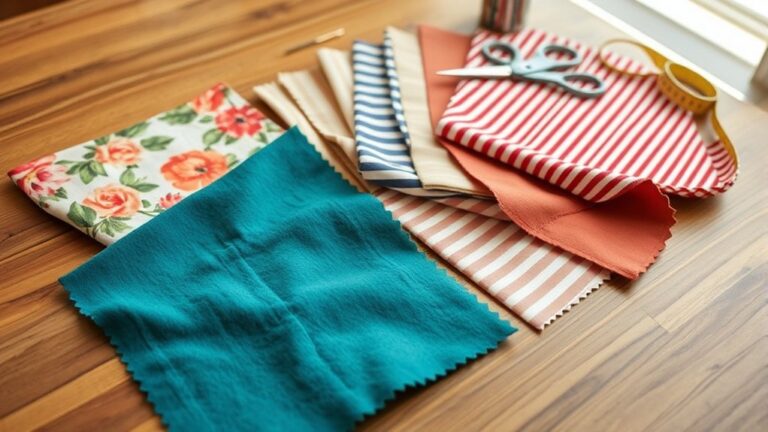
Use fabric shopping tips to calculate price per usable yard, not just price per bolt. If you’re shopping online, factor in shipping, return fees, and sample costs. When you shop in person, inspect drape, texture, and flaws before you buy. That’s the real online vs offline difference.
Calculate price per usable yard, not just price per bolt, and factor in shipping, returns, and samples.
Also compare colorfastness, care needs, and durability, since these affect long-term value. Ask whether the seller offers discounts for bulk orders or remnant cuts. Keep notes on prices from different stores so you can spot patterns and avoid impulse buys.
When you weigh quality against total cost, you’ll make smarter fabric choices every time.
Frequently Asked Questions
What Fabric Widths Are Standard for Most Sellers?
Most sellers offer standard fabric widths of 36, 45, and 60 inches, though you’ll also see wider bolts for upholstery or quilting. You should check the listing, because fabric types and sizing standards can vary by manufacturer and country.
If you’re buying online, measure your project first and confirm the usable width, since selvedges aren’t always included. That way, you’ll avoid shortages and choose the right amount.
Do Fabric Prices Include Cutting or Packaging Fees?
Usually, no. You won’t get cutting or packaging for free because sellers love surprise extras almost as much as you do. You’ll often pay separately for cutting costs, and packaging options can add more to your total.
Some suppliers include simple folding or wrapping, but don’t assume it. You should ask upfront, compare quotes, and check whether the listed price covers only the fabric or the full ready-to-ship order.
How Much Extra Fabric Should I Buy for Mistakes?
You should buy about 10% extra fabric for mistakes, especially if your project has pattern matching, directional prints, or tricky seams. That cushion covers cutting errors, shrinkage, and small miscalculations.
If you’re unsure, add a little more and keep any leftover for repairs or future tweaks. Don’t forget to request fabric swatches first, since they help you avoid costly extra purchases and choose the right material confidently.
Can Fabric Be Returned if Unused?
Yes, you can often return unused fabric, but the door isn’t always open wide. You’ll need to check each store’s fabric return policies and follow their unused fabric guidelines closely.
Many sellers want original cuts, tags, and receipts intact. If you’ve handled it gently and kept it pristine, you’re in better shape.
Still, some custom or cut-to-order fabric won’t go back, so ask before you buy to avoid surprises.
Are Imported Fabrics Taxed Differently Than Domestic Ones?
Yes, you can face different taxes on imported fabrics than on domestic ones. You’ll usually pay import duties, and tax regulations can add VAT, sales tax, or customs fees depending on where you buy.
Domestic fabric often avoids those border charges, so your total cost may differ. You should compare sourcing options and watch market trends, because rates and trade rules can change your final price quickly.
Conclusion
So, how much is fabric for buyers? You’ll usually pay anywhere from a few dollars a yard to much more, depending on fiber, quality, and quantity. Cotton and polyester often stay budget-friendly, while silk or specialty textiles can feel like a royal ransom.
If you buy retail, expect higher prices. If you shop wholesale, you can save more. Compare price, feel, and durability so you don’t buy a bargain that turns out to be a busted deal.
Remember, knowing how much is fabric for buyers helps you make smart choices that balance cost and quality.