How Do You Wash Bearpaw Boots?
If you own a pair of Bearpaw boots, you know how tricky it can be to keep them looking fresh without damaging the material. You’re not alone—many people struggle with cleaning these cozy boots properly, worried about ruining their favorite footwear.
But don’t worry, with the right steps, you can easily maintain your Bearpaws and keep them looking great season after season.
To wash Bearpaw boots, first check the care label, then brush off loose dirt with a soft suede brush.
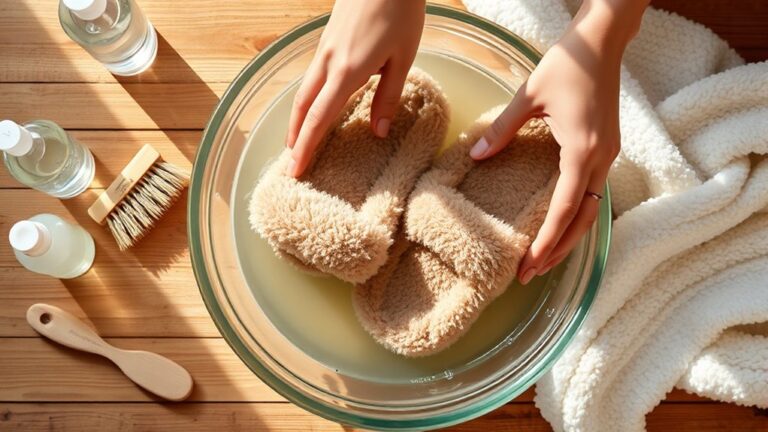
Spot clean the outside with a cloth dampened in cool water and a tiny amount of mild soap, and avoid soaking the boots.
Wipe away residue, clean the soles gently, and let them air-dry away from heat after stuffing them with paper towels.
If you keep going, you’ll pick up a few extra tricks.
Key Takeaways
- Brush off loose dirt with a soft suede brush before adding any moisture.
- Clean with a lightly damp cloth and a tiny amount of mild soap or suede-safe cleaner.
- Spot-clean stubborn stains using a suede eraser or a barely moist sponge, but avoid scrubbing.
- Wipe away residue, stuff the boots with paper towels, and air-dry them away from heat or sunlight.
- To deodorize, use baking soda or charcoal. Then brush the suede and apply protector spray if needed.
How to Wash Bearpaw Boots Safely
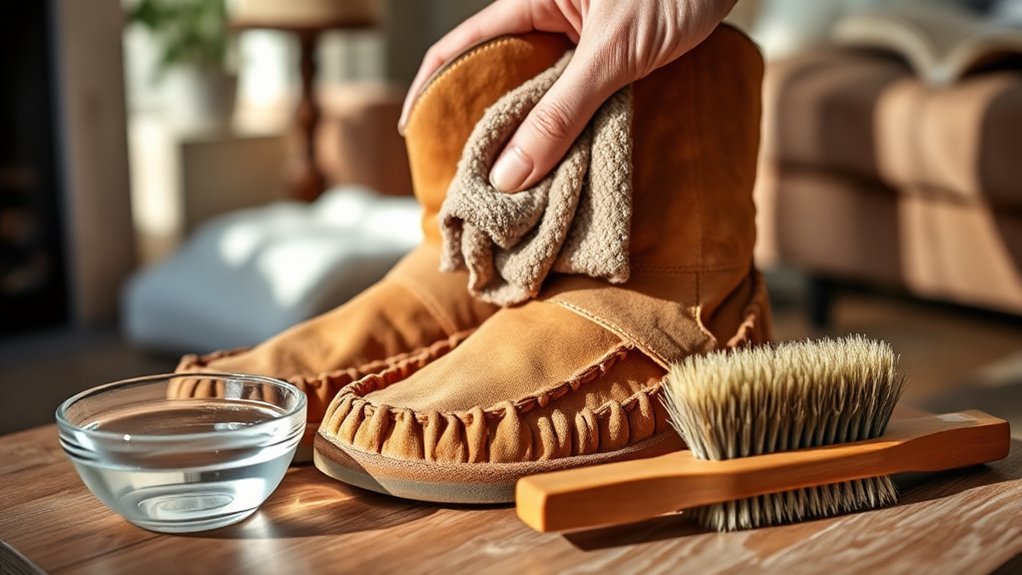
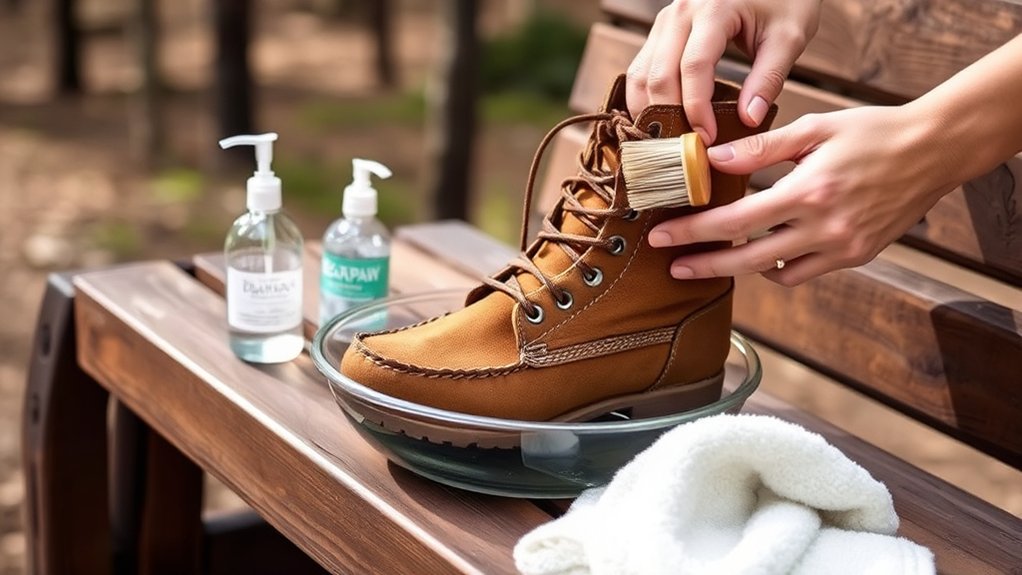
Before you clean your Bearpaw boots, brush off loose dirt with a soft suede brush. Let them dry completely if they’re damp. Mix a small amount of mild soap with cool water, then dampen a clean cloth—never soak the boots.
Gently wipe the outer surface in light strokes, working on one section at a time. For stubborn spots, use a suede eraser or a barely moist sponge and avoid scrubbing hard. Wipe away soap residue with another clean, damp cloth.
Stuff the boots with paper towels to help them hold their shape while they air-dry away from heat, sunlight, and direct vents. Once dry, brush the suede again to restore texture.
These boot maintenance tips keep the material looking fresh and help prevent damage. Safe winter footwear care means treating the boots gently, cleaning only as needed, and never machine washing or using harsh chemicals.
Check the Care Label First
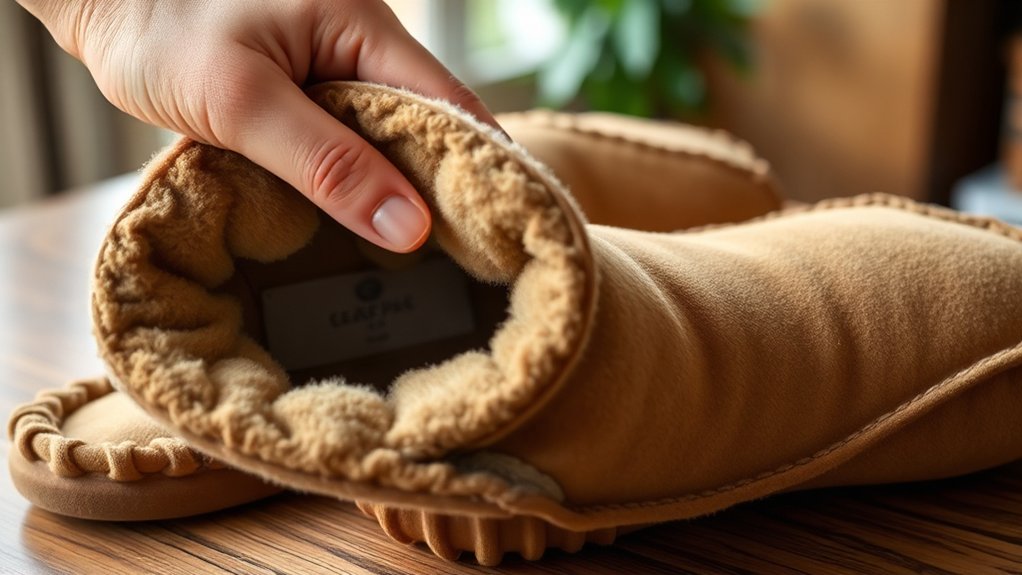
Start by checking the care label inside your Bearpaw boots, since it tells you whether the manufacturer recommends a specific cleaning method or warns against certain products. This step matters because the care label importance goes beyond simple instructions; it helps you protect the boots’ shape, texture, and finish. You’ll also confirm material compatibility before you touch the exterior, lining, or trim.
Check the care label first to match your cleaning method to the boot’s materials and protect its finish.
- Read the label for washing limits and drying advice.
- Look for notes about suede, sheepskin, or wool.
- Follow any special cautions about water or cleaners.
If the label says “spot clean only,” don’t improvise with harsh treatments. If it allows gentle cleaning, match your method to the materials listed so you don’t damage delicate fibers. By verifying the label first, you set yourself up for safer cleaning and better results, and you avoid mistakes that could shorten your boots’ life.
Gather Bearpaw Boot Cleaning Supplies
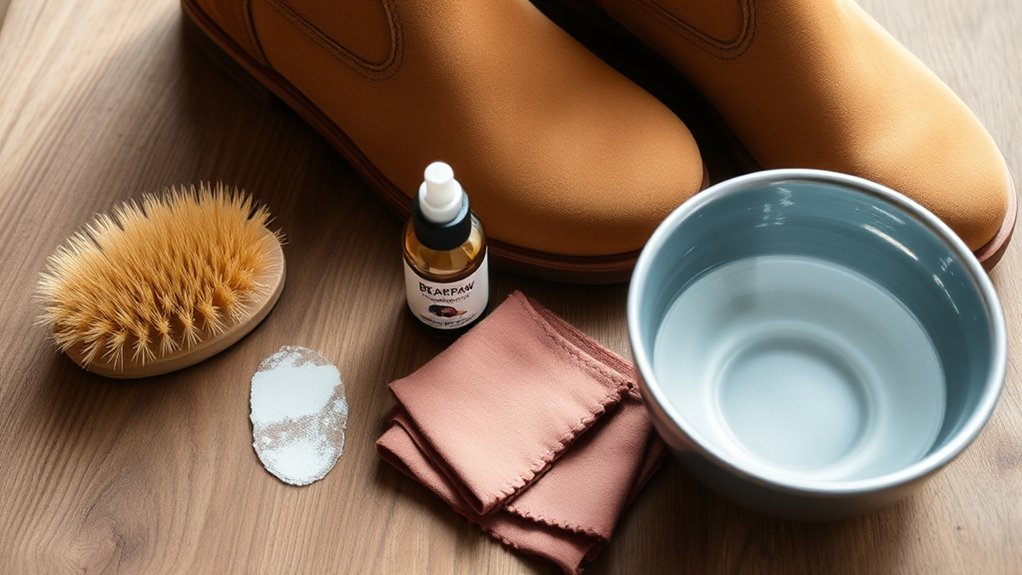
Once you’ve confirmed the care label, gather the right cleaning supplies so you can work gently and efficiently. You’ll want a soft-bristled brush, a clean microfiber cloth, a small bowl, lukewarm water, and a suede-safe cleaner or wool-safe shampoo, depending on your boot material.
For absorbent styles, keep plain white paper towels nearby to blot moisture without transferring dye. A suede eraser or nubuck block can help with scuffs, while a soft sponge gives you more control on delicate areas.
Check your cleaning products recommendations carefully, and avoid harsh detergents, bleach, or anything with strong solvents. Good boot maintenance tips also include having a second dry cloth ready so you can wipe excess product quickly.
If your boots have fleece or shearling lining, choose a cleaner that’s labeled safe for both the exterior and interior materials. Keeping everything within reach helps you clean neatly, protect the finish, and save time.
Remove Dirt From Bearpaw Boots
First, give your Bearpaw boots a good dry brush to get rid of any loose dirt and debris. If you notice any stubborn stains, just grab a damp cloth and a gentle cleaner to spot clean those areas. Finally, don’t forget to wipe down the soles so they’re nice and clean, free from mud and grime. Easy, right?
Dry Brush Dirt
Grab a soft-bristled brush and gently sweep away any loose dirt from your Bearpaw boots before adding any water. Use light strokes and follow the grain so you don’t rough up the surface. This simple step protects the material and supports smart cleaning techniques.
It also fits into routine maintenance tips that help your boots last longer.
Tap the brush on the sole to clear buildup. Work around seams and edges with care. Brush both boots evenly to keep the look consistent.
If dirt clings in tiny spots, keep brushing instead of scrubbing hard. You want to lift debris, not force it deeper into the fibers. Once the loose grime is gone, you’ll be ready for the next cleaning step.
Spot Clean Stains
For any stains that are still visible, move on to spot cleaning with a damp cloth or sponge. Use cool water and a tiny amount of mild soap, then blot the mark gently instead of rubbing it hard. Work in small circles and keep the fabric just barely wet so you don’t spread the stain.
If needed, repeat with fresh water until the spot lifts. These stain removal techniques help protect the material and keep the boots looking even. For boot maintenance tips, treat stains as soon as you notice them, because older marks are harder to remove.
When you’re done, press the area with a dry towel to absorb moisture. Let the boots air-dry away from direct heat, which can damage the upper and change its shape.
Wipe Soles Clean
Wipe the soles with a damp cloth or soft brush to lift away mud, salt, and everyday dirt. Focus on the tread, edges, and seams, where grit hides and can wear down your boots. This simple step supports boot maintenance and helps with sole protection, especially after wet or snowy outings.
Use light pressure so you don’t push dirt deeper. Rinse the cloth often to avoid smearing grime. Dry the soles with a clean towel before storing.
If sticky buildup stays put, gently brush it again instead of soaking the boot. Clean soles keep your Bearpaw boots looking better and help prevent debris from tracking onto the upper materials.
Spot Clean Bearpaw Boots by Material
Different Bearpaw materials need slightly different care, so check the label before you clean. For suede, use a soft brush or microfiber cloth to lift surface dirt with gentle cleaning techniques.
Check the label first, then gently brush suede with a soft cloth or microfiber to lift surface dirt.
For sheepskin, dab lightly with a barely damp cloth, then let the fibers air dry away from heat. If your boots have textile panels, spot clean them with mild soap and cool water, testing first on a hidden area.
For leather trim, wipe it with a dry cloth, then use a cleaner made for leather if needed. Match your method to the material types, because one approach won’t suit every part of the boot.
Keep moisture low, work in small sections, and don’t soak the fabric. After each spot cleaning, reshape the boots and let them dry naturally so you preserve their texture and fit.
Remove Stains From Bearpaw Boots
Tackle stains as soon as you notice them, because fresh marks are much easier to lift from Bearpaw boots. First, brush away loose dirt with a soft, dry brush so you don’t grind grit into the suede. Then use targeted stain removal instead of soaking the boot.
Lightly dampen a clean cloth, blot the spot, and work from the outside in to keep the mark from spreading. If the stain stays put, repeat with gentle cleaning techniques and a small amount of suede-safe cleaner.
- Blot, don’t rub, to protect the nap.
- Test any product on a hidden area first.
- Let the boots dry naturally before checking the result.
For oily stains, sprinkle a little cornstarch or suede powder, leave it on briefly, then brush it off. Keep your strokes light, and stop once the stain fades.
Clean the Lining Without Overwetting It
You can clean the lining by gently spot cleaning it, making sure not to soak the material. Just wipe it with a damp cloth—only a little moisture is needed to lift dirt and residue. After that, let the boots dry quickly in a well-ventilated area so the lining stays protected.
Gentle Lining Spot Cleaning
If the lining has picked up sweat, dirt, or odor, spot clean it with a barely damp cloth and a small amount of mild soap. Focus on stained areas only, and keep your touch light so you protect the fabric and support good lining care. This kind of gentle cleaning helps freshen the inside without soaking the boot.
Work in small sections, then check your progress as you go.
- Dab, don’t rub, to lift grime.
- Use only a tiny bit of soap.
- Let the lining air-dry fully.
If you notice lingering odor, repeat the process once more rather than scrubbing harder. Staying patient prevents wear and keeps the lining soft, clean, and comfortable.
Damp Cloth Application
Now that the lining is lightly refreshed, use a clean cloth dampened with water and wrung out well to wipe away any remaining residue. Work in small sections, and keep the cloth barely moist so you don’t soak the lining. These damp cloth techniques help you lift grime while protecting the boot’s shape and texture.
| Step | Action | Result |
|---|---|---|
| 1 | Wet cloth lightly | Prevents saturation |
| 2 | Wring thoroughly | Supports effective moisture removal |
| 3 | Wipe gently | Lifts leftover dirt |
| 4 | Rinse cloth as needed | Avoids spreading residue |
| 5 | Blot excess | Keeps lining comfortable |
If a spot still looks dull, just repeat the wipe once more instead of scrubbing. Then let the lining air naturally, since patience preserves softness and fit.
Quick Drying Methods
To speed up drying without soaking the lining, press a clean towel gently against the damp areas and lift away as much moisture as you can. Then use quick drying techniques that protect the suede and wool: stuff the boots with dry paper towels, replace them when they feel damp, and keep the pair in a cool, airy spot.
You can also place a fan nearby to move air across the surface. Avoid heaters, radiators, and direct sunlight since they can stiffen the material and shrink the lining. These effective drying methods help you clean the inside without overwetting it.
Remove insoles if they’re wet. Shape the boots with paper or a boot tree. Let them dry naturally overnight.
Deodorize Bearpaw Boots
When your Bearpaw boots start holding onto odors, you can freshen them up with a few simple steps. First, sprinkle baking soda inside each boot and let it sit overnight. It helps with odor elimination and restores boot freshness.
Sprinkle baking soda inside your Bearpaw boots overnight to help eliminate odors and restore freshness.
In the morning, shake out the powder thoroughly. If the smell lingers, place activated charcoal bags or cedar inserts inside to absorb moisture and neutralize stubborn odors. You can also mist the interior lightly with a fabric-safe deodorizing spray, but don’t soak the lining.
For a natural option, mix equal parts water and white vinegar in a spray bottle, then lightly mist the inside and wipe it with a clean cloth. Let the boots air out in a well-ventilated spot.
To keep odors from returning, wear moisture-wicking socks and rotate your boots so they don’t trap sweat after each use.
Dry Bearpaw Boots the Right Way
Drying Bearpaw boots takes patience, but it’s the best way to protect the suede and sheepskin lining. After cleaning, gently stuff each boot with plain paper towels to help with moisture control and keep the shape intact. Then place them in a cool, airy spot away from heaters, direct sunlight, and vents.
These boot drying techniques let the boots dry evenly without shrinking or hardening the material. Replace damp paper towels if they get soaked. Set the boots upright so air can circulate inside. Let them dry fully before you wear them again.
Don’t use a dryer, hair tool, or radiator, because high heat can damage the suede and weaken the lining. If the boots still feel damp after several hours, give them more time. You’ll get better results by letting the process stay slow and steady, so your Bearpaw boots remain comfortable, clean, and ready for the next wear.
Fluff the Suede and Protect the Boots
Once your Bearpaw boots are completely dry, give the suede a quick brush with a soft suede brush to lift the nap and restore its texture. Brush in one direction first, then use light, short strokes to even out any rough spots.
If you see stubborn marks, use a suede eraser before brushing again. This simple suede maintenance helps your boots look fresh and keeps the fibers from staying flattened.
Next, protect the boots with a suede protector spray made for sheepskin or suede. Hold the can a few inches away and apply a thin, even coat. Let it dry fully, then add a second coat if the label recommends it.
Good boot care also means storing your Bearpaw boots in a cool, dry place away from direct sunlight and heat. Use boot shapers or stuff them with paper to help them hold their form. Avoid wearing them in wet conditions whenever you can.
Frequently Asked Questions
Can Bearpaw Boots Be Machine Washed?
No, you shouldn’t machine wash Bearpaw boots. You can damage the suede, lining, and glue, so stick to gentle cleaning instead. Use soft cleaning tips like brushing off dirt and wiping spots with a damp cloth.
Then choose careful drying methods: stuff them with paper, air-dry them away from heat, and let them keep their shape. If they’re heavily soiled, use a suede-safe cleaner for better results.
How Often Should I Clean Bearpaw Boots?
You should clean your Bearpaw boots whenever they start looking a little weather-worn, usually every few weeks if you wear them often. Your cleaning frequency depends on how much dirt, moisture, and daily hustle they face.
For smart boot maintenance, brush off debris after each wear. Give them a deeper cleaning when stains or odors appear. This gentle routine keeps them looking fresh without overdoing it.
Can I Use Leather Conditioner on Bearpaw Boots?
Yes, you can use leather conditioner on Bearpaw boots, but you should use it sparingly and only on the leather parts. You’ll want to test a small spot first since some conditioners can darken the material.
Gentle leather care helps keep the boots soft and protected while regular boot maintenance prevents cracking and drying. Avoid soaking the suede or sheepskin, and always let your boots dry naturally before wearing them again.
Are Bearpaw Boots Waterproof After Washing?
No, you shouldn’t assume they’re waterproof after washing. Like a sponge in a rainstorm, your boots can soak up trouble fast if you don’t treat them right.
Washing can reduce the original water resistance, especially if you use harsh cleaning methods or dry them badly. You’ll want to reapply a protector after they dry, and you should avoid soaking them.
That keeps your Bearpaw boots safer from water damage.
Can I Wear Bearpaw Boots in the Rain?
Yes, you can wear Bearpaw boots in light rain, but you shouldn’t rely on them for heavy wet weather. They offer some water resistance, not full waterproofing, so moisture can soak through.
If you do wear them outside, treat them with a protector first and follow simple care tips like air-drying them away from heat. That’ll help them last longer and keep their shape and comfort.
Conclusion
When you wash your Bearpaw boots with care, you bring them back to life—soft, warm, and ready for more chilly days. Let them dry slowly, away from harsh heat, until the suede feels smooth and the lining smells fresh again.
Then fluff the nap and protect them, and you’ll see them look cozy and renewed, like they’re waiting by the door for another walk through crisp autumn air. Taking these steps ensures your Bearpaw boots stay comfortable and stylish for many seasons to come.