How to Wash Chenille in 10 Simple Steps
Many people struggle with keeping their chenille fabrics looking fresh and soft without damaging the delicate fibers. If you’ve ever been unsure how to clean your favorite chenille items safely, you’re not alone.
Finding the right method to wash chenille can feel tricky, but with the right tips, it’s easier than you think.
Start by checking the chenille care label so you know whether it needs hand washing, machine washing, or dry cleaning.
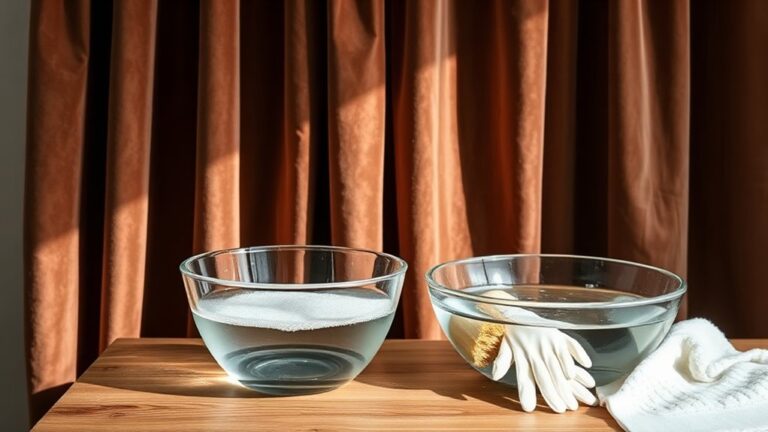
Gather mild detergent, cool water, a basin or gentle cycle, and clean towels.
Test a hidden spot for colorfastness before you wash. Use cold water and gentle soap, then rinse without twisting the fabric.
Press out moisture with a towel, reshape it flat, and let it air-dry away from heat.
Keep going for a few more easy fabric-safe tips.
Key Takeaways
- Check the care label and test colorfastness on a hidden area before washing chenille.
- Use mild detergent, cool water, and a gentle hand or machine wash cycle if allowed.
- Do not wring chenille; rinse gently and press out excess water with a clean towel.
- Roll chenille in a dry towel to remove moisture, then reshape it carefully.
- Dry chenille flat away from direct sunlight, replacing damp towels as needed.
Check the Chenille Care Label First
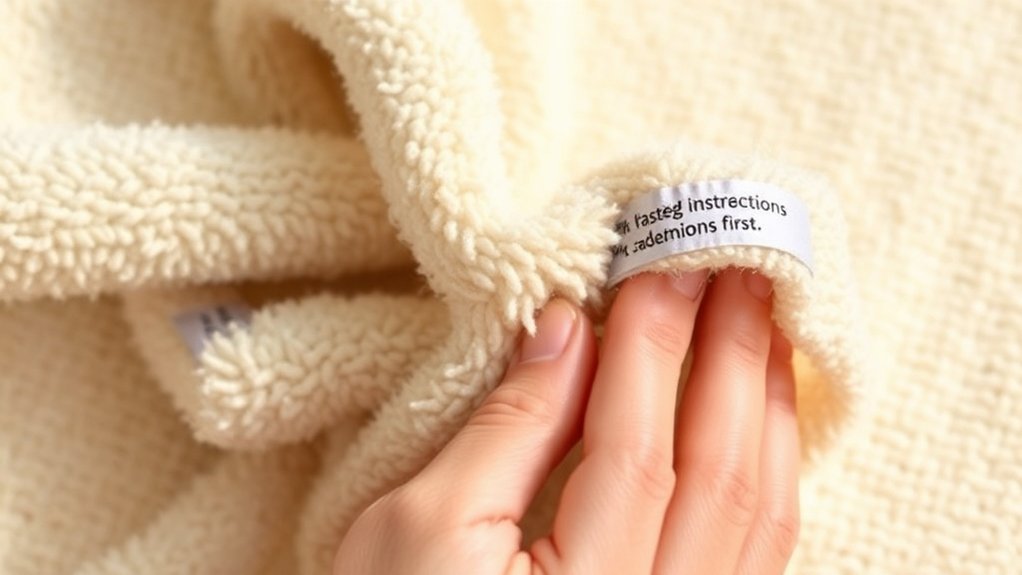
Before you wash chenille, check the care label first so you know exactly how to handle the fabric. The tag tells you which cleaning method suits your piece, and it often lists whether the item tolerates machine washing, hand washing, or dry cleaning.
Because chenille can blend with other fibers, the label helps you identify the fabric types and avoid damage from the wrong washing methods. Look for special symbols, temperature limits, and drying instructions, then follow them exactly.
If the label says “dry clean only,” don’t test your luck with water. If it allows washing, use that guidance as your starting point, not a guess.
When you read the care label carefully, you protect the texture, shape, and softness that make chenille appealing. A few seconds of checking now can prevent shrinking, pilling, or stretching later.
Gather the Right Washing Supplies
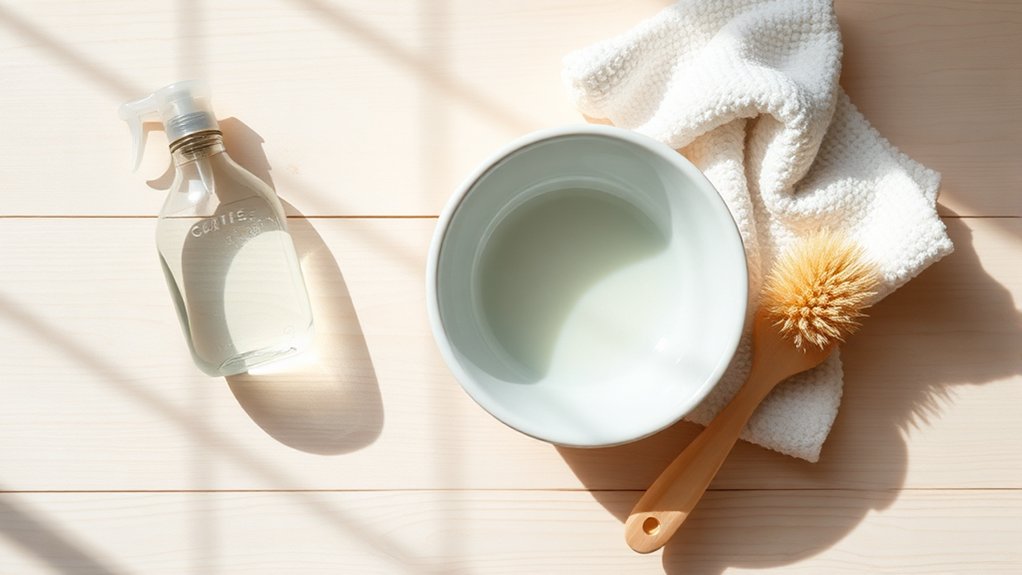
Once you know the care instructions, gather everything you’ll need so the wash goes smoothly. You’ll want a mild detergent, a clean basin or washer, a soft towel, and a drying rack. Choose supplies that suit different fabric types since chenille needs a gentler touch than sturdier textiles.
Keep a lint-free cloth nearby for spot cleanup, and use cool water unless the label says otherwise. These simple washing techniques help you avoid snagging, stretching, or flattening the pile.
| Supply | Why you need it | Best use |
|---|---|---|
| Mild detergent | Cleans without harsh chemicals | Hand or machine wash |
| Soft towel | Removes excess water | Roll and press gently |
| Drying rack | Supports air-drying | Keeps chenille’s shape |
If you plan ahead, you’ll move through the wash without scrambling for tools. Set everything out before you start, and you’ll handle chenille with more control, less stress, and better results.
Check Whether Chenille Will Bleed Color

Test chenille for colorfastness so you don’t end up with dye transfer or faded spots. Before washing, dampen a hidden seam with cold water and press it with a white cloth. If color rubs off, the fabric may need extra caution.
You can also mix a mild detergent with water, blot a small hidden area, and watch for any tint on the cloth. These simple colorfastness tests help you spot problems early and protect the visible pile.
If the towel picks up dye, stop and treat the piece as delicate. Avoid hot water, harsh cleaners, and aggressive rubbing, since they can worsen dye transfer and weaken the fibers.
If the chenille stays clean and the cloth remains white, you’re ready to move ahead with confidence. Always check more than one spot, especially on seams, hems, or darker sections, because dye can behave differently across the fabric.
Choose Between Hand Washing and Machine Washing
If you want the gentlest care and the best chance of keeping chenille’s texture intact, hand washing is the way to go. Sure, machine washing might save you some time, but it can snag the fibers, stretch the fabric, or even cause pilling. So, it really depends on what the care label says and how delicate your piece feels. Just pick the method that works best for your chenille item!
Hand Washing Benefits
Hand washing gives you the most control when cleaning chenille, which helps protect its soft, raised fibers from stretching, snagging, or pilling. You can tailor fabric care with simple cleaning techniques and better textile maintenance.
| Step | Why it helps | Tip |
|---|---|---|
| Fill basin | Supports gentle washing | Use cool water |
| Add soap | Improves detergent choice | Pick mild cleanser |
| Soak briefly | Loosens dirt | Don’t scrub hard |
| Rinse well | Removes residue | Refresh water twice |
| Dry flat | Keeps shape | Reshape softly |
These laundry tips let you treat the fabric kindly and adjust water temperature for safer results. Because you’re in charge, you can spot-test, lift stains carefully, and avoid rough handling. That’s why hand washing often feels like the smartest choice for delicate chenille.
Machine Washing Risks
Machine washing chenille can save time, but it comes with real risks if the care label doesn’t clearly allow it. You can stretch the fibers, flatten the pile, or trigger pilling when the drum spins too hard.
Even gentle machine settings may still be too rough for some fabric types, especially blends with delicate trims or loose weaves. If you overload the washer, chenille can twist and rub against zippers, buttons, and other items, which increases snags.
Hot water can also shrink the fabric or dull its soft texture. If you choose machine washing, use a mesh bag, cold water, and the shortest delicate cycle possible. Still, when you’re unsure, hand washing gives you more control and usually protects chenille better.
Hand Wash Chenille Safely
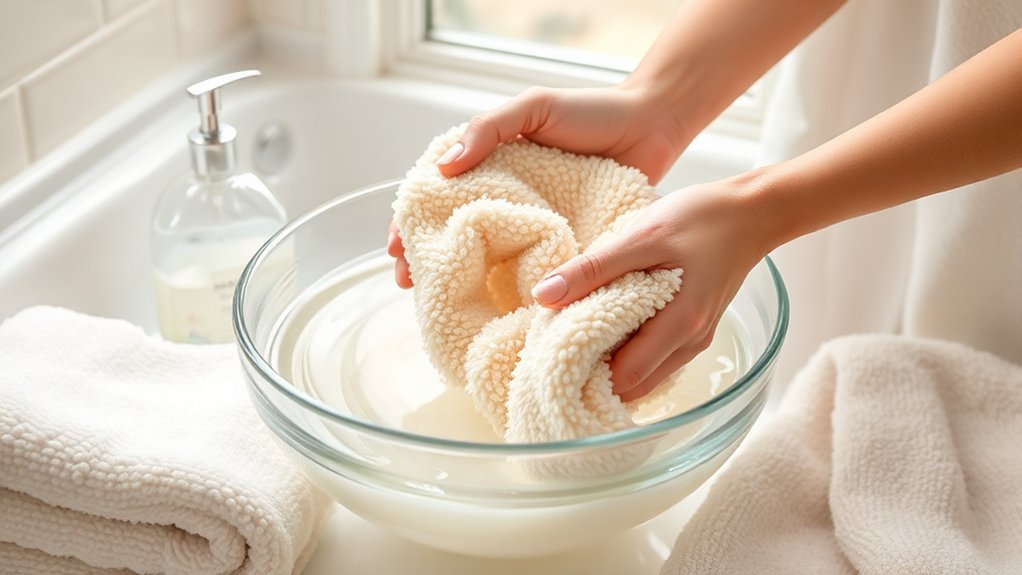
First, grab a gentle detergent, a clean basin, and a soft towel—these will help protect the delicate chenille fibers. Then, fill the basin with cool water because hot water can damage the fabric and make it shrink. Once you have everything set up, go ahead and wash the piece by hand, using a light touch to keep it safe.
Gather Gentle Supplies
Before you wet the fabric, gather a few gentle supplies so you can wash chenille without damaging its soft pile. Choose a clean basin, a soft white towel, and a small measuring spoon or cup so you can control every step.
Pick gentle detergents made for delicate fabrics, and skip harsh stain removers that can roughen the texture. If you keep fabric softeners on hand, read the label first; many chenille items don’t need them, and too much can leave residue.
You’ll also want a mesh drying rack or another flat surface nearby for later. Keep your tools close, inspect the care label, and remove rings or rough jewelry. When you prepare carefully, you make hand washing simpler, safer, and much less stressful.
Use Cool Water
Once you’ve gathered your supplies, fill your basin with cool water, not hot, to protect chenille’s soft fibers and help prevent shrinking or pilling. Cool water benefits you by keeping the fabric calm while you hand wash it gently. Hotter water can loosen dye and worsen temperature effects, so stick with a mild touch.
- Submerge the chenille item and press it lightly under the surface.
- Swish it slowly for a few seconds, then let it soak briefly.
- Lift it out, drain the basin, and rinse with fresh cool water.
Keep your movements gentle, and avoid twisting or scrubbing. By controlling the water temperature, you help chenille stay plush, smooth, and looking its best after washing.
Machine Wash Chenille on a Gentle Cycle
If the care label says machine washing is safe, place your chenille item in the washer on a gentle or delicate cycle with cold water and a mild detergent. Choose the shortest wash setting you can, and avoid heavy agitation that can flatten the pile.
For best results, turn the piece inside out and wash it alone or with comparably soft fabrics so it doesn’t snag. Before you start, do quick colorfast testing on a hidden spot to make sure the dye won’t bleed in the wash.
Don’t overload the drum, since tight packing can twist the fibers and leave the fabric looking matted. Keep the spin speed low if your machine lets you adjust it. When the cycle ends, remove the item right away so it won’t sit bunched up and wrinkle.
Treat it gently from start to finish, and you’ll help preserve chenille’s soft texture and plush appearance.
Wash Chenille in Cold Water With Mild Detergent
Use cold water and a mild detergent to protect chenille’s soft pile and keep the fibers from shrinking or fading. You’ll get better chenille fabric care when you choose a gentle liquid that dissolves fast and leaves less residue. Add only a small amount, since too much soap can cling to the texture and make it feel stiff.
Keep the water cool throughout the wash, and let the garment move lightly instead of soaking hard. These washing tips help preserve the plush look and feel you want.
- Measure a little detergent for each load.
- Use cold water from start to finish.
- Swish chenille gently so the fabric stays smooth.
If you wash by hand, dissolve the detergent first, then place the item in the bath and handle it softly. By keeping the process simple, you protect the weave, reduce wear, and maintain chenille’s cozy finish longer.
Rinse Chenille Without Stretching It
After washing, lift the chenille carefully and rinse it in cool water without twisting or pulling the fabric. Hold the item with both hands and let the water flow through the fibers until the soap runs clear. Use gentle rinse techniques that keep the texture relaxed and help with stretching prevention.
If the piece feels heavy, support it evenly across your forearms so the weight doesn’t tug at one section. You can also submerge and lift it a few times in fresh cool water, which removes residue without stressing the weave.
Avoid rushing the process, because fast movements can distort chenille’s soft pile. Keep checking the fabric for lingering suds, especially in seams and folds. Once the water stays clean, stop rinsing and move on carefully.
Treat the chenille like a delicate knit, and you’ll preserve its shape, loft, and smooth finish.
Press Out Water Without Wringing
Gently squeeze out the excess water without wringing the chenille—you don’t want to damage the fibers. Then, lay it on a dry towel and roll the towel up to soak up even more moisture. As you press, make sure to support the fabric’s shape so it keeps its texture and form.
Gently Squeeze Excess Water
Lift the chenille out of the wash and press the water out by hand, working from one section to the next. Use a gentle squeeze technique, not a twist, so the fibers keep their shape and softness. Move slowly and support the fabric as you go.
- Gather a small section and press it between your palms.
- Shift to the next area and repeat the same light pressure.
- Stop when the chenille feels damp, not soaked, so your drying methods work better later.
Don’t rush this step, because extra force can stretch the weave and leave it uneven. Keep your grip relaxed, and let steady pressure do the work. When you finish, the fabric should hold less water without losing its plush texture or clean look.
Use A Dry Towel
Lay a dry, clean towel flat and place the damp chenille on top of it, then roll or fold the towel around the fabric and press down to draw out more moisture without wringing. You’ll remove extra water while protecting the Chenille texture from stretching or crushing.
Move along the towel with steady pressure, then unroll it and check for damp spots. If the fabric still feels heavy, repeat with a fresh dry towel until it’s only lightly moist.
Handle Chenille patterns carefully, since rough twisting can distort the weave and flatten the surface. Keep your movements gentle and even, and never scrub or rub.
This simple step helps the fabric dry faster while keeping it soft, smooth, and ready for the next stage.
Support Fabric Shape
To keep chenille from stretching or losing its shape, support the fabric as you press out the water instead of twisting or wringing it. Lay it flat on a clean towel, then roll gently so the towel can absorb moisture without stressing the fibers. This protects fabric durability and helps with texture maintenance.
- Use both hands to lift and guide the wet chenille.
- Press lightly from one end to the other, keeping seams aligned.
- Repeat with a dry towel until it feels damp, not soaked.
When you handle the fabric this way, you preserve its loft and keep the surface soft. You’ll also reduce distortion, so chenille dries evenly and keeps its original look.
Dry and Reshape Chenille Flat
Gently spread the chenille flat on a clean, dry towel or drying rack so it keeps its shape as it dries. Smooth the fabric with your hands, then gently coax the edges, seams, and corners back into place. These reshaping techniques help prevent puckering, stretching, and distortion while the fibers dry.
Gently spread chenille flat on a clean towel or rack, smoothing edges and seams to preserve its shape while drying.
If the towel gets damp, swap it for a fresh one so moisture doesn’t linger. Avoid hanging chenille, since the weight can pull it out of shape. Keep it away from direct sunlight and high heat, which can stiffen the nap and fade color.
Instead, let air circulate around it for even drying. Check the piece occasionally and adjust any warped spots before they set. With patient drying methods, you’ll preserve the texture, drape, and soft look you want.
Once the chenille feels completely dry, give it one last light fluff and store it flat or fold it carefully.
Frequently Asked Questions
Can Chenille Shrink After Washing?
Yes, chenille can shrink after washing if you use hot water, high heat, or rough agitation. You’ll protect it by checking the label first and following proper chenille care.
Use cold water, a gentle cycle, and mild detergent. Dry it flat or on low heat to avoid damage. These washing tips help you keep the fabric soft, shaped, and cozy without shrinking.
How Often Should Chenille Be Washed?
You don’t need to wash chenille every week; that’d be overkill. For everyday Chenille care, you should clean it only when it looks dirty, smells stale, or gets a spill.
Usually, washing every few months is enough to protect Chenille durability and keep the fabric soft. If you use it often, spot-cleaning and occasional airing out can stretch time between washes and help it stay in great shape.
Can You Use Fabric Softener on Chenille?
Yes, you can use fabric softener on chenille, but you shouldn’t use it every wash. You need to check the care label first, since chenille care varies by fabric types.
If you do use it, choose a small amount and test it on a hidden spot. Too much softener can leave residue, flatten the texture, and dull the fibers. You’ll usually get better results with a gentle detergent instead.
How Do You Remove Stains From Chenille?
You remove stains from chenille by blotting them right away with a clean white cloth. Use mild cleaning products and test them first on a hidden spot. Apply a small amount of diluted detergent, then dab gently, don’t rub or you’ll spread the stain.
For tougher marks, try stain removal techniques like club soda or a vinegar mix. Rinse lightly, blot dry, and let the fabric air-dry fully.
Can Chenille Be Steam Cleaned?
Yes, you can steam clean chenille, but you’ve gotta do it carefully, like misting a velvet petal, not drenching it. For proper chenille care, test a hidden spot first and use low heat with light passes.
Steam cleaning can lift odors and loosen dirt, yet too much moisture may crush the pile or leave marks. Let the fabric dry fully, then brush it gently to restore its soft, plush texture.
Conclusion
With a little care, you can keep chenille looking soft, plush, and beautiful for years. Always check the label, use cold water and mild detergent, and never twist or wring the fabric.
Whether you wash it by hand or in the machine, gentle handling is the secret to protecting its texture. Treat chenille well, and it’ll reward you with comfort that feels almost impossibly luxurious every time you use it.
Taking these steps ensures your chenille stays in great condition, making it easy to enjoy its softness and beauty again and again.