What Is Fabric Grain?
If you’ve ever struggled with your sewing projects looking off or not fitting quite right, you’re not alone. Many people find it tricky to get their fabric to behave the way they want.
Understanding fabric grain can be a game-changer and make all the difference in how your creations turn out.
Fabric grain is the direction of the woven threads in fabric, and it affects how the material stretches, drapes, and hangs. You’ll usually hear about three types: lengthwise grain, crosswise grain, and bias grain.
When you cut along the grain, your seams stay steadier, hems hang more evenly, and the finished piece keeps its shape better.
If you want your sewing to look and fit right, understanding grain is a smart place to start, and there’s more to know.
Key Takeaways
- Fabric grain is the direction of woven threads, and it affects stretch, drape, and how fabric behaves when cut and sewn.
- Lengthwise grain runs parallel to the selvage and is the most stable direction.
- Crosswise grain runs perpendicular to the selvage and usually has more stretch from side to side.
- Bias grain runs diagonally at 45 degrees and gives fabric the most drape and flexibility.
- Cutting and sewing on grain helps prevent twisting, distortion, uneven hems, and poor fit.
What Is Fabric Grain?
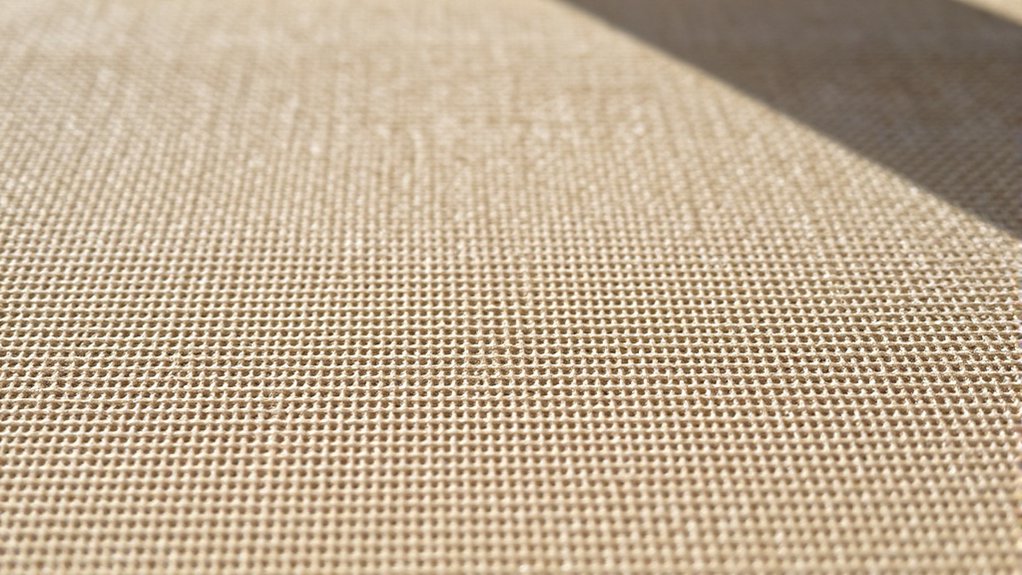
Fabric grain is the direction of the threads woven into a fabric, and it affects how the material stretches, drapes, and behaves when you cut or sew it. When you talk about fabric terminology, you’ll usually hear about lengthwise grain, crosswise grain, and bias grain.
These terms describe the way yarns line up within the textile structure. The lengthwise grain runs parallel to the selvage, the finished edge of the cloth. The crosswise grain runs from edge to edge, perpendicular to the selvage. The bias cuts diagonally across both sets of threads.
If you understand grain, you can read a pattern more accurately and place pieces with intention. You’ll also recognize how the threads form the foundation of the fabric itself. In sewing, that foundation matters because it tells you how the cloth is built and how it should be handled.
Why Fabric Grain Matters
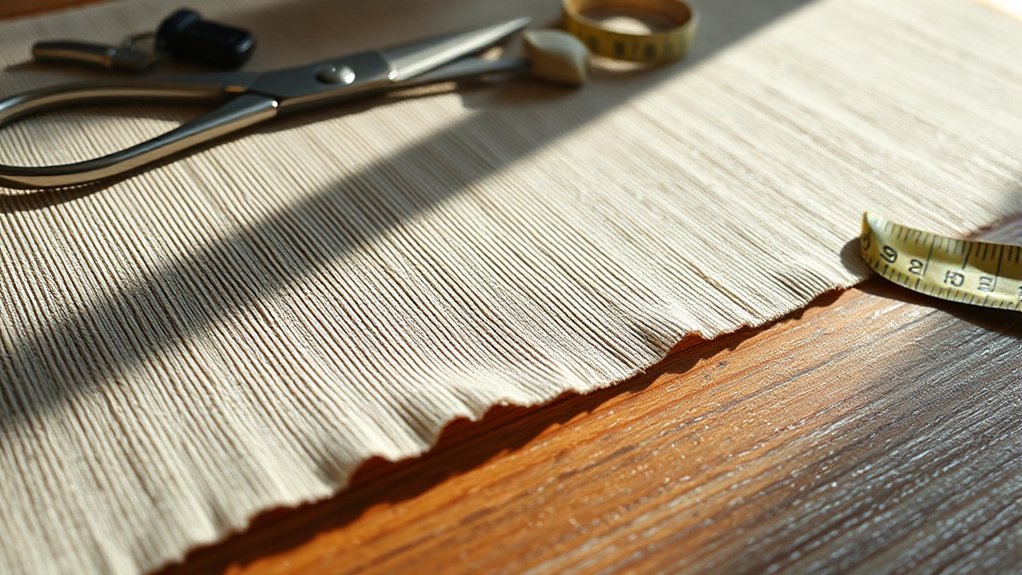
When you ignore grain, even a well-cut project can twist, stretch, or hang poorly. You rely on grain to keep seams stable, hems even, and silhouettes true to your pattern. It affects how your fabric behaves under the presser foot, how it drapes on the body, and how much give you’ll get when you sew or wear it. If you cut off grain, your garment may distort after stitching or wash unevenly.
Understanding grain also helps you read fabric structure more accurately. Different weaving techniques and the way threads interlace determine how a cloth responds to cutting, pressing, and fitting. When you pay attention to grain, you control shape instead of fighting it. That means cleaner results, better alignment, and fewer repairs later.
Whether you’re sewing clothes, quilts, or home decor, grain gives you the foundation for accuracy, stability, and a polished finish every time.
The Three Types of Fabric Grain

You’ll usually work with three fabric grain types: lengthwise grain, crosswise grain, and bias grain. Each one behaves differently, so you’ll want to know how it affects drape, stretch, and stability.
Once you understand them, you can cut and sew with much more control. It really makes a difference in how your project turns out!
Lengthwise Grain
The straightest line in the cloth, the lengthwise grain runs parallel to the selvage and follows the warp threads from end to end. When you cut or place a pattern on this grain, you give your garment the most stable direction.
It resists distortion, so you can trust it for clean seams, crisp edges, and dependable drape. You’ll notice very little lengthwise stretch, which helps the fabric keep its shape during sewing and wear.
Use this grain for pieces that need strength and structure, like facings, waistbands, and long panels. Checking lengthwise alignment before cutting also keeps your project true to the pattern.
If you line everything up correctly, you’ll reduce twisting, stretching, and uneven hangs.
Crosswise Grain
Running from selvage to selvage, the crosswise grain sits perpendicular to the lengthwise grain and gives the fabric its noticeable side-to-side stretch. When you pull fabric this way, you’ll feel more give than along the lengthwise grain, but the material still holds together well.
You can use that crosswise stretch to help a garment fit around the body, especially in areas that need a little extra room. Because this direction has less fabric stability than the lengthwise grain, you should handle it carefully when cutting and sewing.
Let the fabric relax before you mark or hem it, and keep your cuts aligned for cleaner results. Understanding the crosswise grain helps you choose the right direction for comfort, fit, and control in your projects.
Bias Grain
Bias grain runs diagonally across the fabric, at a 45-degree angle to both the lengthwise and crosswise grains. You’ll notice it behaves differently because it has more give and drape, so you can use it for curves and fluid shapes.
| Feature | Bias Grain |
|---|---|
| Direction | Diagonal |
| Key trait | Bias stretch |
When you cut on this angle, your fabric can hug the body and move gracefully. That makes bias patterns ideal for dresses, skirts, and trim that need softness and flow.
Still, you should handle it carefully, since it can shift while you cut and sew. Pin well, let pieces rest, and don’t force the fabric. If you respect the grain, you’ll get cleaner results and better drape.
How to Find the Lengthwise Grain
To find the lengthwise grain, look for the threads that run parallel to the fabric’s selvage, since those threads give the material its least-stretchy direction. You can spot this line by gently tugging the cloth and noticing where it resists most.
When you use this method, you’re identifying fabric direction with confidence and learning the key lengthwise grain characteristics that matter for cutting and sewing. The grain usually lies along the fabric roll, so patterns placed on it hang smoothly and keep their shape better.
If the cloth seems uneven, smooth it flat and compare the woven lines to the edge. You can also pull a single thread near the cut edge and follow it across the fabric to confirm the path. Once you’ve found it, mark it lightly before you cut so your pieces stay aligned and your project fits and drapes as intended.
How to Find the Crosswise Grain
Once you’ve found the lengthwise grain, the crosswise grain is the line that runs perpendicular to it and across the fabric’s width. To locate it, pull one thread from selvedge to selvedge, then use that visible path as your guide.
If the fabric has printed arrows, notches, or other crosswise markings, align them with the edge to confirm the direction. You can also fold the cloth so the selvedges meet; when the edges line up cleanly, you’ve checked the fabric orientation and found the crosswise grain.
Use this line when you need to cut pieces that should stretch less and hang evenly. Mark it lightly with chalk or a fabric pen so you don’t lose track while cutting.
Keeping the crosswise grain straight helps you match pattern pieces accurately and avoids distortion in your finished project.
How to Identify the Bias Grain
The bias grain runs diagonally across the fabric, at a 45-degree angle to both the lengthwise and crosswise grain. To spot it, first find the straight grain lines you already marked, then rotate your eye between them.
Any line that slices across both directions at that angle follows the bias. You can fold the fabric corner to corner; the fold line shows the bias grain clearly.
If you need a visual guide, place a ruler or pattern piece on that diagonal and compare it with the selvedge and cut edge. Mark the bias with chalk or pins before you cut, especially for bias cutting, because accuracy matters.
When you work on the bias, you’ll notice the fabric’s bias drape differently, so keep your markings consistent. Use that diagonal line for hems, facings, or strips whenever your project calls for it, and you’ll handle the fabric with confidence and control.
How Fabric Grain Affects Drape and Stretch
When you change the grain direction, you change how fabric hangs and moves. If you cut along the lengthwise grain, you usually get steadier drape characteristics and less give, so the fabric keeps a cleaner line.
If you work across the crosswise grain, you may notice a bit more softness and movement, which can alter how a garment falls on your body. On the bias, the fabric often opens up and becomes more fluid, so stretch behavior increases and the cloth can contour more closely.
You’ll also see fabric performance shift with fiber type, weave, and weight, but grain direction still plays a major role. These design implications matter when you want structure, ease, or shaping.
When you understand how grain affects drape and stretch, you can predict fit more accurately and choose the right orientation for your project.
How to Cut Fabric on the Grain
Cutting fabric on the grain starts with finding the straight grain and lining it up with your pattern pieces. You’ll get cleaner results when you smooth the fabric first and check that the selvages run parallel. Use a ruler, marking tool, and sharp shears to keep your cuts precise. Good fabric alignment helps each piece hang evenly and match at the seams.
| Step | What you do |
|---|---|
| 1 | Fold or spread the fabric flat |
| 2 | Match pattern edges to the grain |
| 3 | Cut with steady, controlled strokes |
When you apply sound cutting techniques, you reduce distortion and waste. Pin or weight the pattern so it won’t shift while you cut. If your fabric has stripes or plaids, align them before you make the first snip. Then follow the pattern lines exactly, letting the grain guide your scissors. This simple habit makes sewing easier and your finished garment look more professional.
Common Fabric Grain Mistakes to Avoid
Even small grain mistakes can throw off your entire project, so it pays to watch for them before you cut. You might assume the selvage always shows the straight grain, but fabric grain misconceptions often lead you astray, especially after washing or handling stretches the cloth.
Don’t trust a folded edge or print alone; they can hide a crooked alignment. You should also avoid pulling the fabric to “square it up” without checking distortion first, because that can worsen the problem.
Another common error is ignoring fabric grain variations between bolts. This means one piece may behave differently from another even when they look similar.
If you cut pieces off grain, seams can twist, hems can hang unevenly, and the final shape may resist pressing. Take a moment to inspect the weave, smooth the fabric flat, and confirm the grain before you mark anything.
Fabric Grain Tips for Quilting and Garments
When you get the hang of grainline basics, you’ll find it easier to choose cuts that help your quilts and garments hang, stretch, and drape just right. Try to cut fabric on grain whenever you can because it keeps the edges straighter and gives you more predictable results.
And as you lay out your pattern pieces, make sure to line them up carefully with the grainline marks. This little step makes a big difference—your finished project will look cleaner and fit better.
Grainline Basics
The grainline is your fabric’s roadmap, showing you how the threads run lengthwise and crosswise so your quilt blocks and garment pieces behave the way you expect. When you understand fabric orientation, you can place each pattern piece with confidence and keep your seams aligned.
This textile structure affects drape, stretch, and stability, so you’ll notice differences when you match pieces to the grain. In quilting, steady grain helps blocks stay square and true. In garments, it supports clean hangs and comfortable movement.
Before you cut, look for the printed grainline arrow and compare it with the selvedge edge. That simple check helps you work accurately and avoid twists, ripples, or uneven shaping in your finished project.
Cutting On Grain
Cutting on grain turns that grainline knowledge into better results at the cutting table. You keep your fabric flat, smooth, and square before you start, because small shifts affect the finished shape. Strong cutting techniques help you follow the grain and protect drape.
| Tip | Benefit |
|---|---|
| Press first | Removes distortions |
| Use a straight edge | Guides clean cuts |
| Check grain alignment | Keeps pieces true |
| Cut with sharp tools | Reduces fraying |
| Handle fabric gently | Prevents stretch |
For quilting, accurate fabric alignment keeps blocks matching and seams behaving. For garments, it helps the cloth hang as intended and feel comfortable. When you cut on grain, you reduce twisting, puckering, and uneven hems, so your project looks neater and wears better.
Aligning Pattern Pieces
To align pattern pieces correctly, you’ll want each piece placed on the proper grainline before you cut or sew. Check the arrows, then match them to the fabric’s lengthwise grain for stable, accurate results.
When you’re working with prints, plaids, or stripes, pay close attention to pattern alignment so seams meet cleanly and the design looks intentional. Smooth the fabric flat without stretching it, and keep the selvage edges parallel to the cutting table edge.
This fabric orientation helps you avoid twisting pieces, which can distort fit in garments and quilting blocks. Pin or weight the pattern securely, then double-check before cutting. A small adjustment now saves time later and gives you sharper, more professional-looking finished work.
Frequently Asked Questions
What Tools Help Find Fabric Grain Accurately?
You can find fabric grain accurately with a clear ruler, a measuring tape, and a straight edge or quilting ruler. A seam ripper or pin can help you spot threads, and chalk marks keep you aligned.
You’ll also use fabric grain terminology, like lengthwise, crosswise, and bias, to check fabric grain types correctly. A cutting mat and rotary cutter can improve precision, while a selvage edge helps you confirm direction.
Can Fabric Grain Change After Washing?
Yes, fabric grain can change after washing, especially if you don’t prewash or handle the fabric roughly. You may notice slight distortion, shrinkage, or twisting, which can affect your fabric care routine and sewing techniques.
To reduce issues, wash and dry it the way you’ll treat the finished project. Then press it flat and realign the grain before cutting. That way, you’ll get better accuracy and a more stable fit.
Does Grain Matter for Knit Fabrics Too?
Yes, grain matters for knit fabrics too, though you’ll often care more about knit stretch and fabric alignment than with wovens. You’ll want to align pattern pieces with the fabric’s greatest stretch so your garment hangs and moves right.
If you ignore alignment, seams can twist, necklines can sag, and the fit may feel off. Always check the stretch direction before cutting, and you’ll get better results.
How Does Grain Affect Printed Fabric Patterns?
Grain affects how your printed fabric patterns sit, so you’ll want to align them carefully. When you cut off grain, you can stretch or twist the cloth, causing pattern distortion and making stripes, florals, or repeats look crooked.
If you follow the grain, your printed fabric alignment stays true, and the design hangs cleanly. You’ll get better matching, smoother seams, and a more polished finished project every time.
Can I Straighten Warped Fabric Grain?
Yes, you can often straighten warped fabric grain with careful fabric alignment and smart sewing techniques. You’ll mist the fabric lightly, gently tug it back into shape, then let it dry flat.
You can also block it by pulling edges square and pressing with steam. If the distortion’s severe, you may need to recut pieces. Always check grain before cutting, so your finished project hangs and fits better.
Conclusion
Now you know fabric grain, and you can cut with confidence. When you respect the straight, sturdy threads, your sewing stays smoother, sharper, and stronger.
Grain-guided cuts help your fabric drape beautifully, stretch wisely, and sit neatly in every seam. So stay steady, stay savvy, and stitch smart.
By following the grain, you’ll avoid frustrating twists and wonky finishes, turning every project into a polished, professional piece you’ll be proud to wear or share. Fabric grain really makes all the difference!