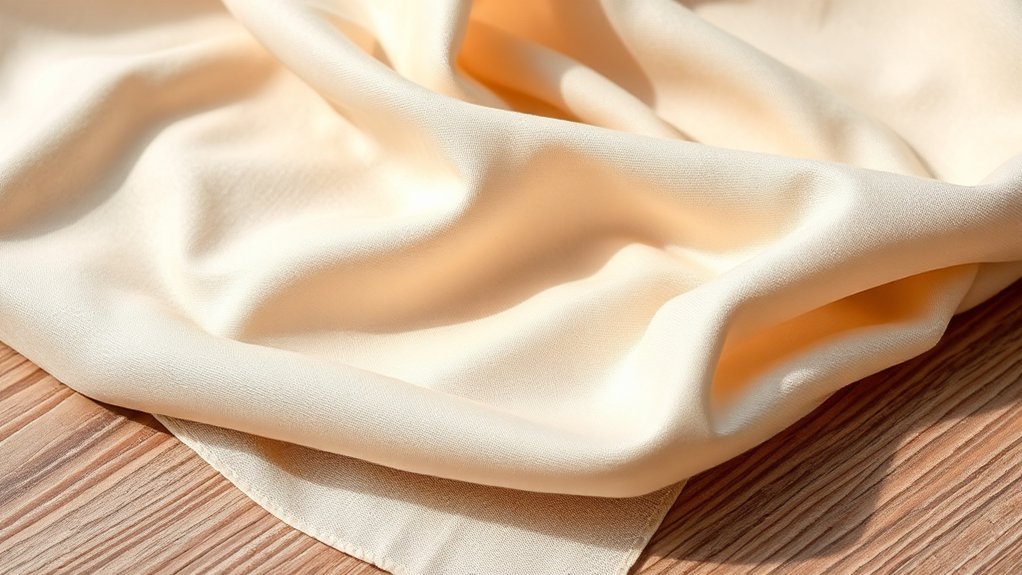
What Is Modal Fabric?
Finding the perfect fabric for everyday wear can feel like a never-ending quest. You want something soft, breathable, and durable, but often end up compromising on comfort or style. If you’ve struggled with this, you’re not alone—many people wish for a material that feels great against the skin and holds up well over time.
Modal fabric is a soft, semi-synthetic textile made from beech tree pulp. You’ll notice its smooth, silky feel, breathable comfort, and graceful drape right away, which is why it’s popular for tees, underwear, sleepwear, and bedding.
It feels cooler than cotton and usually resists shrinking and fading well. If you want something light, comfy, and a bit more polished than basic cotton, modal is worth a closer look for everyday wear and beyond.
Key Takeaways
- Modal fabric is a soft, semi-synthetic textile made from beech tree pulp and processed into cellulose fibers.
- It feels smoother, cooler, and less clingy than cotton, with a silky drape and gentle touch.
- Modal is breathable and moisture-wicking, making it popular for underwear, pajamas, tees, and bedding.
- It is often blended with cotton or spandex for added stretch, durability, and comfort.
- Modal’s eco-friendliness depends on sourcing and production methods, especially whether closed-loop systems are used.
What Is Modal Fabric?

Modal fabric is a soft, semi-synthetic textile made from beech tree pulp, known for its smooth feel, breathability, and drape. You’ll often choose it when you want clothing that feels cooler than cotton and less clingy than many synthetics.
Modal fabric is soft, breathable, and drapes beautifully, offering a cooler, less clingy feel than many synthetics.
It works well in tees, underwear, sleepwear, and bedding because it resists stiffness and keeps a silky hand. You may also see modal blends, which mix modal with cotton, spandex, or other fibers to boost stretch, durability, or structure.
These blends can make garments easier to wear and care for while preserving modal’s comfort. Still, you should think about sustainability concerns, since the fabric’s eco profile depends on responsible sourcing and production practices.
In short, modal gives you a versatile, comfortable option that sits between natural and man-made textiles, with performance that suits everyday wear.
How Is Modal Fabric Made?
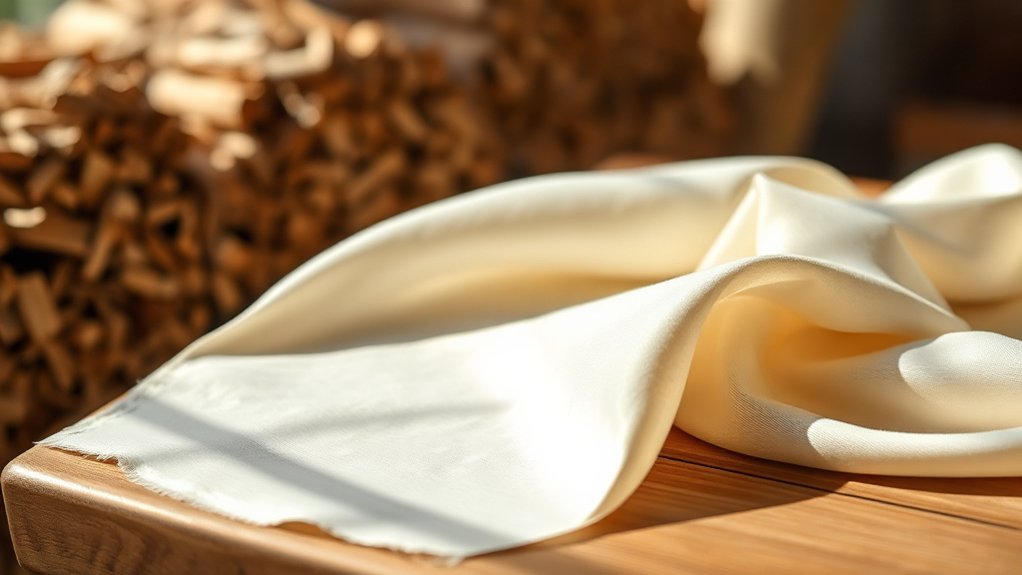
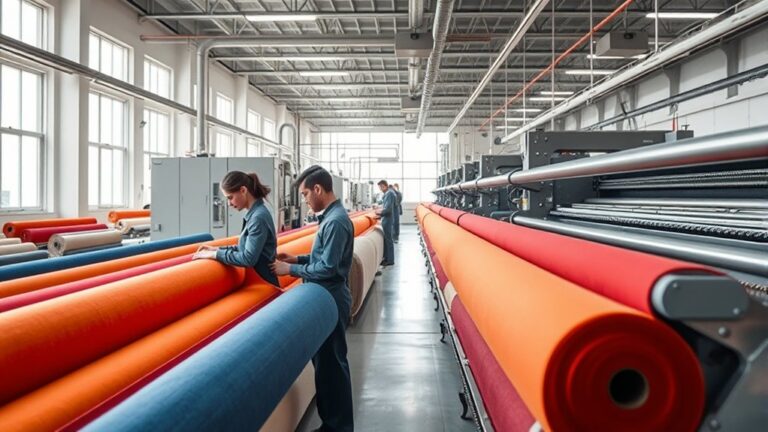
To make modal fabric, you start with wood pulp, which is processed into a cellulose solution. Then, that solution gets spun into fine fibers. After that, these fibers are turned into soft, smooth yarn. From there, the yarn can be woven or knitted into the fabric you know as modal.
Wood Pulp Processing
After harvesting, beech or other wood chips are broken down and soaked in a chemical solution that strips away lignin and separates out the cellulose needed for modal fiber. You then move through wood pulp extraction, where the softened material gets washed, refined, and filtered into a clean, uniform pulp.
This step matters because it determines fiber quality and influences the fabric’s softness and strength. Manufacturers also manage the environmental impact by recovering chemicals, limiting waste, and reducing water use when possible.
Careful control keeps impurities low and helps the pulp stay consistent for later processing. By the time the pulp’s ready, it’s become a purified cellulose base that can support the smooth, absorbent feel modal is known for, while still using a more efficient raw material pathway than many other cellulosic fabrics.
Fiber Spinning Process
Once the purified cellulose pulp is ready, manufacturers dissolve it into a viscous liquid and push it through tiny spinnerets to form continuous fibers. You then see those filaments harden in a bath, where controlled stretching aligns molecules and boosts strength.
This step shapes the fabric’s smooth hand, breathability, and silky drape while keeping it more stable than many other cellulosic textiles. Producers use precise spinning techniques to manage thickness, uniformity, and moisture performance, so the final yarn meets strict quality targets.
After that, they wash, dry, and wind the fibers into spools for weaving or knitting. By controlling every stage, they fine-tune fiber characteristics and give modal its soft, durable, and absorbent feel.
Why Does Modal Fabric Feel So Soft?
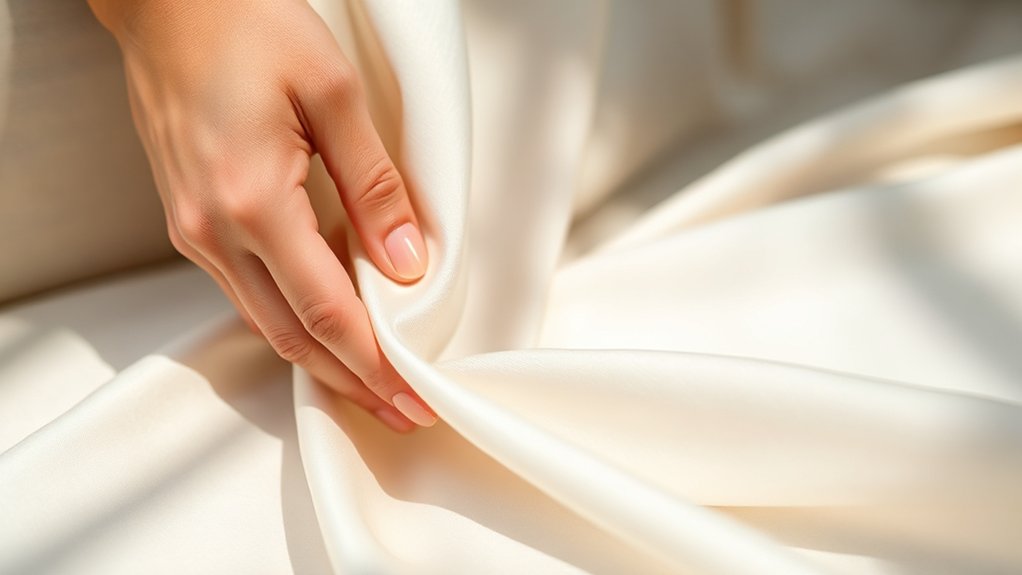
Modal fabric feels so soft because its fibers are made from beech tree pulp and spun into a smooth, fine yarn that’s gentle against the skin. You notice the difference right away: the fabric drapes easily, glides smoothly, and creates a soft texture that feels comforting all day.
Its fibers have a round, uniform surface, so they don’t scratch or trap roughness the way coarser materials can. That gives you a luxurious feel without adding bulk or stiffness. Modal also absorbs moisture well, which helps it stay cool and pleasant when you wear it.
Because the yarn stays supple, the fabric moves with you instead of resisting your body. You get a silky touch that works well in shirts, dresses, sleepwear, and bedding, making every contact feel gentle, light, and refined.
How Does Modal Fabric Compare to Cotton?
When you compare modal fabric to cotton, the biggest difference is how each one feels and performs: modal is usually softer, smoother, and more resistant to shrinking or fading, while cotton is often sturdier and more breathable. You’ll notice modal drapes more fluidly and keeps its color better after repeated washes.
Cotton, on the other hand, can feel crisp or textured and may handle rougher wear a bit better. If you care about sustainability benefits, modal can appeal because it often comes from renewable wood sources and may use less water than conventional cotton.
Still, cotton remains a familiar natural option with wide availability. For a cost comparison, cotton usually costs less, while modal often sits at a slightly higher price point because of its processing. Your choice depends on whether you value softness and lasting appearance or lower upfront cost and a more traditional feel.
What Is Modal Fabric Used For?
You’ll find modal fabric in all sorts of things like T-shirts, underwear, dresses, and loungewear because it feels super soft and drapes really nicely. Plus, it’s great for bedding, sheets, and towels since it’s breathable and smooth against your skin. When it comes to performance wear, modal helps keep you comfortable by wicking away moisture and offering flexible movement. So, whether you’re dressing up or just relaxing, modal’s got you covered!
Clothing Applications
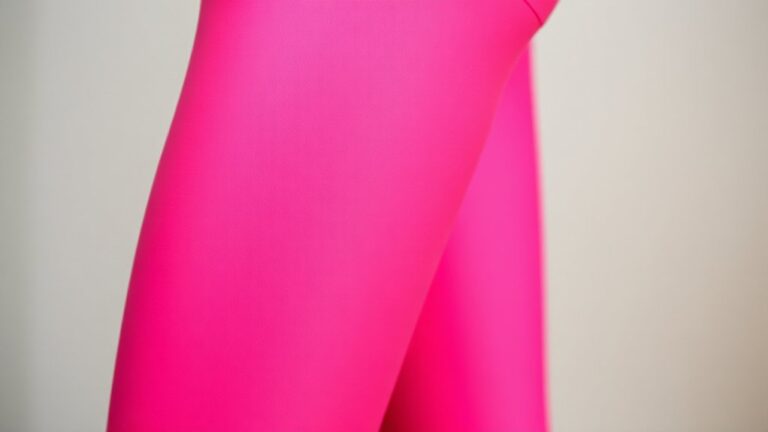
Soft, breathable, and smooth against the skin, this fabric shows up often in everyday clothing because it blends comfort with a polished drape. You’ll find it in tees, dresses, leggings, and underwear, where you want softness without extra bulk.
It also supports modern sustainability practices by pairing well with blends that reduce waste and improve wear life. In fashion trends, modal helps you choose pieces that look refined yet feel easy to move in.
| Garment | Why it works |
|---|---|
| T-shirts | Feels soft and stays breathable |
| Dresses | Drapes smoothly and resists stiffness |
When you pick modal, you get clothing that feels light, looks clean, and handles frequent wear with ease.
Home Textile Uses
In home textiles, modal brings a smooth hand feel and a clean drape that works well for bedding, towels, curtains, and upholstery accents. You can use it to soften your bedroom with sheets and pillowcases that feel silky without looking flashy.
In living spaces, modal adds polish to throw covers, cushion covers, and light drapery, helping your home decor feel calm and refined. Because it blends easily with other fibers, you’ll find it in many textile applications where comfort and appearance both matter.
You also get a fabric that hangs neatly and keeps a graceful shape, so your rooms look put together alongside less effort. If you want a versatile choice for stylish interiors, modal fits naturally into everyday living spaces.
Performance Wear Benefits
When you need activewear that feels comfortable through movement, modal offers a smooth, breathable option with a soft touch against the skin. You’ll appreciate how it supports breathable performance during workouts, walks, and everyday wear without feeling heavy or stiff.
The fabric drapes well, stretches comfortably in blends, and helps you stay cool when your pace picks up. It also gives you reliable moisture management, pulling sweat away so you don’t stay damp for long.
That means you can move, train, or travel with less distraction and more comfort. If you want performance gear that feels gentle yet functional, modal gives you a polished feel while still handling activity with ease.
Is Modal Fabric Breathable and Comfortable?
Yes, modal fabric is generally both breathable and comfortable, which is why it’s popular for everyday clothing and loungewear. You’ll notice its breathable qualities when you wear it in warm weather or during light activity because the fibers let air move and help moisture escape.
That means you stay cooler and drier than you might in heavier fabrics. In a comfort comparison, modal often feels smoother and softer than cotton, with a silky drape that won’t cling as much.
You’ll also appreciate that it stretches a bit and moves with your body, so shirts, pajamas, and underwear feel easy to wear all day. If you’re sensitive to scratchy seams or stiff materials, modal can be a great choice because it feels gentle against your skin.
Is Modal Fabric Really Eco-Friendly?
Modal fabric can be a more eco-friendly choice, but it depends on how and where it’s made. You should look beyond the label, because modal starts with beechwood pulp, yet the manufacturing process can raise sustainability concerns.
Some producers use closed-loop systems that reuse water and solvents, which lowers the environmental impact. Others rely on more resource-intensive methods, so the same fiber can vary a lot by brand.
Some producers use closed-loop systems that reuse water and solvents, lowering impact, while others vary widely by brand.
When you shop, you can check whether the company sources wood responsibly and discloses its production standards. Certifications and transparent supply chains help you judge whether the fabric fits your values.
Compared with some synthetic textiles, modal often uses less water in the finished product and can feel like a smarter option. Still, you shouldn’t assume every modal garment is automatically green; the environmental impact depends on sourcing, processing, and oversight.
What Are the Pros and Cons of Modal Fabric?
When you choose modal fabric, you’ll immediately notice its silky softness and how beautifully it drapes. It feels really comfortable against your skin, which is a big plus. Plus, it’s breathable and does a great job at wicking away moisture, keeping you feeling fresh.
That said, modal can be a bit more delicate compared to some tougher fabrics, so it usually needs gentler care. But if you wash it properly, it can be quite durable. So, it’s worth considering whether the extra care it requires fits into your lifestyle.
Softness And Drape
Silky to the touch, modal fabric stands out for its smooth feel and fluid drape. That’s why it’s often used in clothing that benefits from a soft, body-skimming finish. You’ll notice how it flatters your silhouette without feeling stiff or bulky.
These fabric characteristics make it a smart pick when you want comfort with polish.
| Feature | Effect |
|---|---|
| Soft hand | Feels gentle against your skin |
| Drape quality | Follows your shape with ease |
| Clean finish | Creates a sleek, refined look |
Because modal hangs beautifully, you can wear it for tops, dresses, or loungewear that needs a graceful flow. It won’t cling harshly, and it keeps a relaxed, elegant look throughout the day.
Breathability And Moisture
Airy comfort is one of modal fabric’s biggest strengths: it lets your skin breathe and helps wick moisture away, so you stay cooler and drier in warm weather or during light activity. You’ll notice real breathability benefits when you wear it close to the body, especially in tops, sleepwear, and underwear.
Its moisture management feels smoother than heavier fabrics because it doesn’t trap as much dampness against your skin.
It helps reduce that sticky, overheated feeling and works well for everyday layering. Plus, it supports comfort during mild workouts.
If you want a fabric that feels fresh without weighing you down, modal can be a smart choice. It won’t make you sweat less, but it can help you feel more comfortable when conditions heat up.
Durability And Care
Beyond comfort and breathability, modal also stands out for how it wears over time. You’ll notice that it resists shrinking, stays smooth, and keeps its drape when you follow the right durability factors.
The fiber holds up well in everyday clothing, but it can weaken if you scrub it hard, use high heat, or overload the wash. To protect it, choose mild detergent, cold water, and a gentle cycle. These care tips help preserve color and texture while reducing pilling.
You should avoid bleach and tumble drying on high, since both can shorten its life. If you air-dry modal and store it neatly, you’ll get a soft, polished fabric that lasts longer and keeps its shape better.
How Do You Care for Modal Fabric?
Modal fabric is easy to care for if you treat it gently. Wash it in cold or lukewarm water on a delicate cycle, use a mild detergent, and avoid bleach or harsh chemicals. These care tips help preserve its smooth feel and reduce fading.
Treat modal gently: wash cold on delicate, use mild detergent, and avoid bleach to preserve its smooth feel.
After washing, reshape the garment while it’s damp and lay it flat or hang it to air-dry away from direct heat. If you need to iron it, use a low setting and press lightly from the inside. Don’t wring it out since that can stress the fibers.
Check the care label before you wash. Separate modal from rough fabrics to limit pilling. Use washing methods that protect softness and drape.
With simple handling, you can keep modal looking fresh and comfortable longer.
How Do You Choose Good Modal Fabric?
To choose good modal fabric, start by checking the feel and construction: it should feel silky, smooth, and slightly weighty rather than flimsy or rough. You should also look at the weave or knit; tight, even construction usually means better durability and drape.
Check the fiber content label, because high-quality modal often appears in modal blends that add stretch, strength, or wrinkle resistance without losing softness. If you want a more responsible option, ask about sustainable sourcing and whether the brand uses certified wood pulp and cleaner processing methods.
You can also compare color depth and finish: richer dye uptake often signals better quality. Finally, stretch the fabric gently and let it recover; good modal springs back without sagging.
When you combine touch, construction, fiber content, and sourcing, you’ll pick modal that feels luxurious and performs well over time.
Frequently Asked Questions
Does Modal Fabric Shrink After Washing?
Yes, modal fabric can shrink a little after washing if you don’t follow care directions. You can minimize shrinkage by using cold water, a gentle cycle, and low heat or air drying.
Always check washing guidelines on the label before you clean it. If you avoid hot water and high dryer settings, you’ll keep modal soft, smooth, and fitting well longer after each wash, without unnecessary damage.
Is Modal Fabric Suitable for Sensitive Skin?
Yes, modal fabric can be a good choice if you’ve got sensitive skin because it feels smooth and breathable. You may still want to watch for sensitivity concerns if you react to dyes, finishes, or blended fibers.
If you’ve had skin allergies before, check the garment label and test a small area first. When you choose high-quality modal, you’ll usually get a soft, comfortable option that’s gentle against your skin.
Can Modal Fabric Be Blended With Other Fibers?
Absolutely, you can blend modal with other fibers, and the result can feel like magic. You’ll find Modal blends that combine softness, stretch, and strength with cotton, spandex, or wool. This lets you tailor fabric properties for comfort, drape, and durability.
You can also choose eco-friendly options if sustainability matters. Just follow care instructions carefully, since blended fabrics often need gentler washing to keep their shape and feel.
Does Modal Fabric Wrinkle Easily?
No, you won’t usually find modal fabric wrinkling easily. You’ll get good wrinkle resistance from its smooth fibers, though it can still crease a bit if you leave it crumpled or overpack it.
To keep it looking neat, you should follow the care instructions on the label, wash it gently, and hang or fold it soon after drying. That’ll help you keep the fabric’s soft, polished appearance.
Is Modal Fabric Durable for Everyday Wear?
Absolutely, it’s tough enough for your daily grind. You’ll find modal fabric durable for everyday wear because it resists shrinking, keeps its softness, and holds shape better than many other knits.
Still, you should follow care instructions to avoid stretching or pilling. If you’re thinking about sustainability concerns, you’ll want to check sourcing and production methods since durability doesn’t always mean the most eco-friendly choice.
Conclusion
So, if you’re looking for a fabric that feels silky, drapes beautifully, and works well for everyday wear, modal can be a smart pick. You’ll still want to check the source and care instructions, since not all modal is made the same.
Compared with cotton, it can feel more refined, almost like a textile from a future boutique in a medieval market. Choose it wisely, and you’ll enjoy comfort, style, and easy maintenance with modal fabric.