What Is Knit Fabric and How Is It Made?
Finding comfortable clothes that move with you without losing shape can be a real challenge. If you’ve ever dealt with stiff, scratchy fabrics or garments that stretch out after just a few wears, you’re not alone. Many people struggle to find materials that balance comfort, durability, and flexibility perfectly.
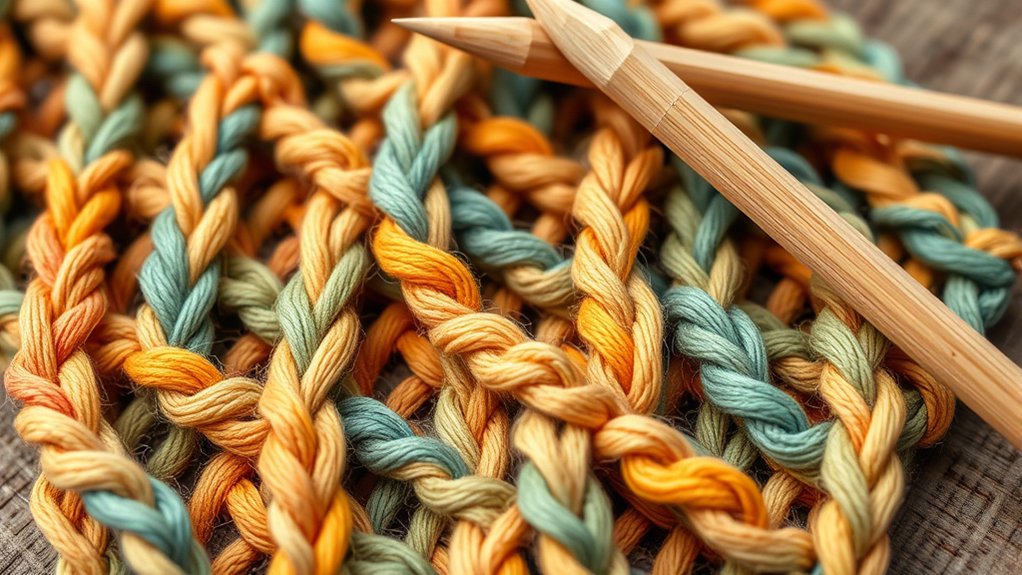
Knit fabric is made by interlocking loops of yarn, giving it natural stretch and flexibility you’ll appreciate in everyday wear. Unlike woven fabric that crosses yarns tightly, knit’s looped structure lets it move with you and recover its shape after stretching.
The yarn type and knitting method you choose affect its durability and feel. Whether hand or machine-made, knit fabric suits activewear and casual clothing. Keep exploring to uncover how these factors create your favorite fabrics.
Key Takeaways
- Knit fabric is made by interlocking loops of yarn, which gives it natural stretch, flexibility, and softness.
- It’s produced using knitting techniques like weft, warp, and circular knitting. These methods create different levels of stretch and stability.
- The choice of yarn—whether natural, synthetic, or blended—affects how durable, elastic, and comfortable the fabric will be.
- Both machine and hand knitting control stitch tension and pattern, balancing efficiency with creative design possibilities.
- Quality control includes careful knot tying, monitoring tension, and finishing treatments to improve the fabric’s performance and durability.
What Is Knit Fabric and How Is It Different From Woven Fabric?

Although both knit and woven fabrics serve as the foundation for countless garments, knit fabric stands out because it’s made by interlocking loops of yarn. This gives it stretch and flexibility that woven fabric lacks. When you handle knit fabric, you’ll notice its softness and ability to move with you.
Woven fabric, on the other hand, is constructed by crossing yarns at right angles, resulting in a more rigid texture. This structural difference also affects how each fabric absorbs dye. Knit fabrics generally respond well to various dyeing techniques, allowing vibrant colors to penetrate evenly.
However, you need to be mindful of color fastness, as some knit fabrics may fade faster due to their looped structure and stretch during wear and washing. Understanding these distinctions helps you choose the right fabric for your project, especially when you want a combination of comfort, durability, and consistent color retention.
Why Does Knit Fabric Stretch and Retain Its Shape?

Because knit fabric is made by looping yarns together, it naturally stretches and bounces back to its original shape. This looping structure allows the fabric to expand and contract without losing its form, giving you flexibility and comfort. The loops act like tiny springs, which helps maintain the fabric’s shape even after repeated wear.
You’ll notice that knit fabric durability is excellent because the loops distribute stress evenly, reducing tears and wear. Plus, the fabric’s construction contributes to fabric colorfastness, meaning the colors stay vibrant despite stretching and washing.
Here’s why knit fabric stretches and retains shape so well:
Looped yarn structure allows elasticity without damage.
Stress distribution across loops enhances durability.
Elastic recovery helps fabric bounce back after stretching.
Understanding these factors helps you appreciate why knit fabrics are ideal for activewear and everyday clothing that demands both stretch and resilience.
How Yarn Choice Impacts Knit Fabric Properties

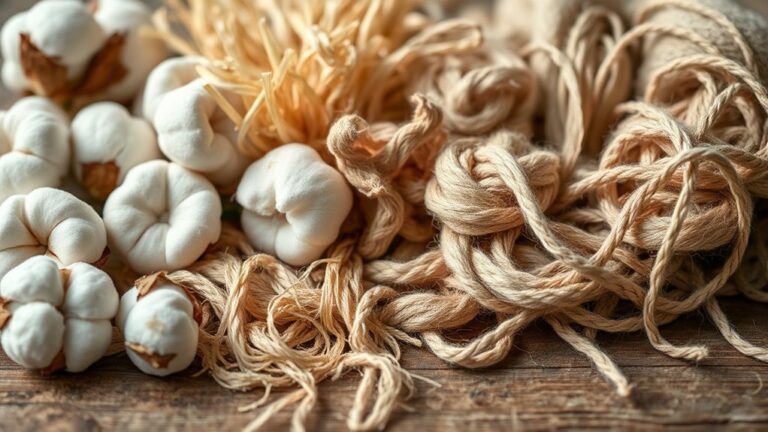
The way knit fabric stretches and holds its shape largely depends on the yarn used to create those loops. When you choose yarn, its fiber content directly affects yarn durability and the fabric’s overall performance. For instance, natural fibers like cotton offer breathability but may lack elasticity, while synthetic fibers such as polyester provide excellent stretch and resilience, enhancing the fabric’s ability to bounce back after wear. Blending fibers can balance comfort and strength, giving you fabric that’s both soft and long-lasting.
Fiber sustainability is another key factor to contemplate. Opting for eco-friendly yarns like organic cotton, bamboo, or recycled polyester reduces environmental impact without sacrificing quality. By selecting yarns with sustainable origins, you not only support responsible production but also influence the knit fabric’s texture and lifespan. Ultimately, your yarn choice shapes how the knit fabric behaves, feels, and endures, making it essential to weigh durability and sustainability in your decisions.
Basic Ways to Knit Fabric: Techniques Explained
Knit fabric comes to life through several fundamental techniques that create its characteristic loops and stretch. As you get into knitting, understanding how knot techniques and stitch tension affect your fabric is key. These elements determine the fabric’s strength, elasticity, and appearance. Here are the basic ways to knit fabric:
Knit fabric’s unique loops and stretch depend on mastering knot techniques and stitch tension.
- Weft knitting: You work horizontal rows of loops, ideal for stretch and comfort. Stitch tension here influences how tight or loose your fabric will feel.
- Warp knitting: Vertical loops form this fabric, offering less stretch but more stability. Proper knot techniques prevent unraveling.
- Circular knitting: Creating seamless tubes, this technique uses continuous loops and demands consistent stitch tension to maintain uniformity.
Mastering these basics lets you control the fabric’s texture and durability, setting the stage for more complex knitting projects. Focus on balancing knot techniques with stitch tension for the best results.
Hand-Knitting vs. Machine-Knitting for Knit Fabric
When you compare hand-knitting to machine-knitting, you’ll notice some clear differences in both technique and speed. Hand-knitting gives you more control and lets your creativity shine. But, it does take a lot longer to finish.
Machine-knitting, on the other hand, really boosts efficiency and keeps things consistent. So, if you’re working on a big project, it’s definitely the way to go.
Differences In Technique
How do hand-knitting and machine-knitting differ in creating knit fabric? When you knit by hand, you control every stitch, allowing for unique pattern variation and easy adjustments. Machine-knitting, however, uses automated needles for consistent results and complex designs.
Yarn dyeing plays a vital role in both, but hand-knitting often showcases more artisanal color blends.
Here’s what sets the techniques apart:
Hand-Knitting: Offers creative freedom with intricate patterns and custom yarn dyeing effects.
Machine-Knitting: Produces uniform stitches and can handle large-scale pattern repetition effortlessly.
Pattern Variation: Hand-knit fabric often features irregularities that add character, while machine-knit fabric maintains precise, repeatable designs.
Understanding these differences helps you appreciate the craft and final look of your knit fabric.
Speed And Efficiency
Why does speed matter so much in creating knit fabric? When you compare hand-knitting to machine-knitting, you’ll see that textile innovation has drastically improved efficiency. Machines produce fabric much faster, meeting high demand without compromising quality.
While hand-knitting offers craftsmanship, it can’t match the volume or speed machines achieve. This efficiency also plays a role in sustainable sourcing. You can reduce waste and energy use by optimizing production with modern machines.
If you want to scale up your knit fabric projects or run a business, relying on machine-knitting lets you save time and resources. You’ll also benefit from consistent results, making it easier to maintain sustainable practices while embracing new textile technologies that push the industry forward.
Common Types of Knit Fabric and Their Uses
Although knit fabrics come in many varieties, understanding their common types can help you choose the right one for your project. Knit fabrics have evolved alongside fashion trends, with historical origins tracing back to hand-knitting traditions. Today, you’ll find several popular types, each suited for different uses.
- Jersey Knit: Soft and stretchy, perfect for everyday wear like t-shirts and dresses.
- Rib Knit: Features raised vertical lines, giving it excellent elasticity. It’s ideal for cuffs, collars, and fitted garments.
- Interlock Knit: A double-knit fabric that’s thicker and more stable. It’s great for activewear and children’s clothing.
Challenges in Producing High-Quality Knit Fabric
When you’re producing high-quality knit fabric, it’s important to keep the fabric consistent throughout the entire process. You really want to make sure there are no variations that could affect the final quality.
At the same time, managing the production speed carefully is crucial. If things move too fast, defects can easily pop up, and that’s something you definitely want to avoid.
Maintaining Fabric Consistency
Maintaining fabric consistency demands careful control over every step in the knitting process, as even minor variations can affect the final product’s quality. You need to monitor knot tying closely, ensuring each knot is secure without causing tension issues that disrupt the fabric’s uniformity.
Moreover, fabric weaving techniques must be precise to maintain consistent stitch size and density. To help you maintain consistency, focus on regularly inspecting yarn tension and alignment. Also, make sure machines are calibrated and well-maintained, and conduct frequent quality checks during production.
Managing Production Speed
Controlling fabric consistency sets a solid foundation, but managing production speed introduces a new set of challenges that directly impact the quality of knit fabric. When you push machines to run faster, you risk uneven fabric dyeing and missed details in pattern design.
Speed can cause tension issues, leading to distorted patterns or uneven color absorption. To maintain high quality, you need to balance speed with precision, adjusting machine settings carefully. Slowing down at critical steps like dyeing ensures colors stay vibrant and patterns remain sharp.
You’ll also want to monitor fabric tension constantly because even slight variations can affect the final look. By regulating production speed without sacrificing detail, you ensure the fabric’s appearance and durability meet your standards every time.
Finishing and Treating Knit Fabric for Durability
Although knit fabrics offer natural stretch and comfort, they require specific finishing and treatment processes to improve their durability. You’ll want to focus on strengthening the fabric’s strength, color retention, and resistance to wear. Using advanced dyeing techniques ensures vibrant colors that last longer without fading, while sustainable finishing methods help maintain the fabric’s integrity without harming the environment.
Knit fabrics need specialized finishing to enhance durability, color retention, and eco-friendly wear resistance.
To treat knit fabric for durability, consider these key steps:
- Heat setting: Stabilizes the fabric’s shape and prevents shrinkage.
- Coating and laminating: Adds protective layers to resist abrasion and pilling.
- Chemical treatments: Boost resistance to water, stains, and UV exposure with eco-friendly agents.
Why Knit Fabric Works So Well for Clothing and Activewear
You’ll love how knit fabric’s stretch and flexibility move with you—perfect for activewear. It also wicks moisture away, so you stay dry during your workouts. And because it’s breathable, you’ll feel comfortable all day long.
Superior Stretch and Flexibility
Why does knit fabric feel so comfortable and move effortlessly with your body? It’s all about its superior stretch and flexibility. Knit fabric versatility comes from the way loops of yarn interlock, allowing the material to expand and contract naturally. This makes it ideal for clothing and activewear since you can move freely without feeling restricted.
With sustainable knitting techniques, manufacturers create fabrics that not only stretch but maintain their shape over time, reducing waste and ensuring durability. When you wear knit fabric, you benefit from:
- Elasticity that adapts to your movements
- Lightweight comfort without bulk
- Long-lasting resilience through repeated wear
This stretchiness helps your clothes fit better, feel softer, and support your active lifestyle seamlessly.
Moisture Wicking Properties
How does knit fabric keep you feeling dry and comfortable during even the most intense workouts? It’s all about its unique structure and material properties. The interlocking loops provide excellent knot strength, which prevents fabric from stretching out or losing shape when wet.
This durability *guarantees* your gear stays reliable through sweat and movement. Plus, the fibers used in knit fabric often have superior dye absorption, allowing manufacturers to treat them with moisture-wicking finishes effectively.
These finishes pull sweat away from your skin to the fabric’s surface, where it evaporates quickly. This means you won’t feel weighed down by dampness or discomfort. When you choose knit fabric for activewear, you get a blend of strength and smart moisture management that keeps you dry and ready to move.
Breathability and Comfort
Although many fabrics claim to offer comfort, knit fabric truly stands out because of its breathability and softness against your skin. Its unique construction allows air to flow freely, keeping you cool and dry during any activity.
Thanks to knit fabric versatility, you’ll find it in everything from casual wear to high-performance activewear. Here’s why you’ll love wearing knit fabric:
- It stretches with your movements, providing unmatched comfort.
- It naturally regulates temperature, so you feel comfortable in all seasons.
- Its breathability reduces sweat buildup, making it ideal for workouts.
Plus, choosing knit fabric can positively impact the environment since many knits use sustainable fibers and efficient production methods. When you pick knit, you get comfort and contribute to a better planet.
How to Care for and Maintain Your Knit Fabric Garments
Because knit fabrics are delicate and prone to stretching or pilling, you’ll need to handle them with care to keep your garments looking their best. Always wash knitwear on a gentle cycle or hand wash to prevent damage. When drying, avoid wringing; instead, use a towel to press out excess water gently. Knot tying your garment loosely before storing helps maintain its shape without causing unwanted creases.
Pay attention to pattern matching when repairing or altering knit fabrics. Aligning patterns correctly ensures your garment retains its original look and structure. Store your knit clothes folded rather than hanging to prevent stretching. If pilling occurs, use a fabric shaver carefully to remove fuzz without damaging the fibers. By following these simple steps, you’ll extend your knitwear’s life and enjoy its comfort and style longer.
Frequently Asked Questions
What Historical Cultures First Developed Knit Fabric?
You’ll find that ancient textiles from cultures like the Egyptians and the Romans first developed knit fabric. They showcased incredible cultural craftsmanship, creating durable and flexible garments by looping yarns together.
As you delve into history, you’ll see how knit textiles evolved through the Middle Ages in Europe, reflecting community skills and artistry. Understanding these origins helps you appreciate the rich tradition behind every knitted piece you wear today.
How Does Knit Fabric Impact Environmental Sustainability?
Knit fabric impacts environmental sustainability by allowing you to choose sustainable production methods that reduce waste, since knitting uses just the right amount of yarn. You can also opt for eco friendly dyes, which minimize harmful chemicals and water pollution.
Can Knit Fabric Be Recycled Effectively?
Can knit fabric be recycled effectively? Yes, it can, but the success depends on the recycling processes used and the types of fibers involved.
When you choose knit fabrics made from eco friendly fibers like organic cotton or recycled polyester, you’re making recycling easier and more efficient.
Advanced recycling processes can break down these fibers to create new yarns, reducing waste and promoting sustainability. So, by selecting the right fabrics, you’re supporting a greener future.
What Innovations Are Emerging in Knit Fabric Technology?
You’ll find that innovative weaving techniques are transforming knit fabric technology, making fabrics more durable, stretchy, and breathable. Advanced fibers like bio-based polymers and recycled materials are being integrated, enhancing sustainability without sacrificing performance.
These innovations let you enjoy garments that adapt better to your movements and last longer. Plus, smart textiles with embedded sensors are emerging, so your knitwear can monitor health or regulate temperature, giving you both comfort and functionality.
How Does Knit Fabric Influence Fashion Trends Globally?
Knit fabric influences global fashion trends by offering unmatched fabric elasticity, which lets you enjoy comfort and flexibility in your clothing. Its trend versatility means designers can create everything from casual wear to high fashion pieces that adapt to seasonal styles.
Because knit fabric moves with you, it encourages innovation in silhouettes and textures, making it a key player in shaping how fashion evolves worldwide.
Conclusion
Now that you know how knit fabric works, you’ll see it’s nothing short of magic in your wardrobe. Its stretchy, comfy nature feels like wearing a cloud that moves with you. It’s perfect for everyday wear or intense workouts.
Choosing the right yarn and care makes all the difference. So treat your knits well, and they’ll last longer than you can imagine. Knit fabric truly transforms your clothing game!