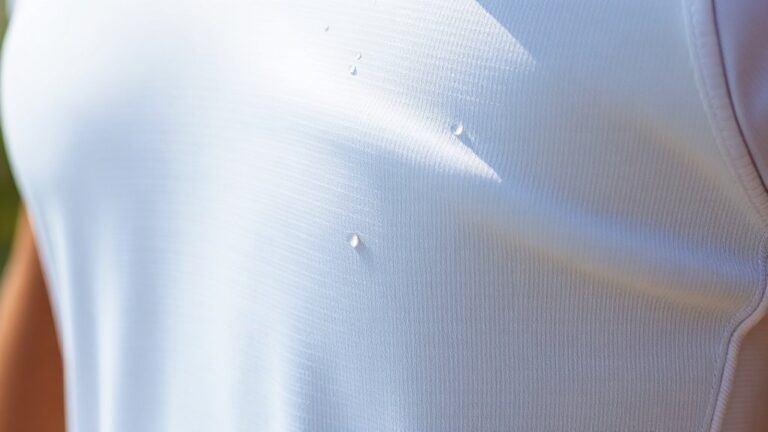
What Is Twill Fabric?
Finding fabric that’s both durable and comfortable can feel impossible sometimes. If you’ve ever struggled with clothes that wrinkle easily or lose their shape, you’re not alone. Many people want textiles that hold up to daily wear but still feel soft and look great.
Twill fabric is a durable woven textile you’ll recognize by its diagonal rib pattern. You get its look from a weaving method where threads pass over and under in a stepped rhythm, which adds strength, softness, and wrinkle resistance.
You’ll often see twill in jeans, jackets, chinos, and upholstery because it holds its shape well and feels comfortable.
If you keep going, you’ll see how it’s made and why it works so well.
Key Takeaways
- Twill fabric is a woven textile with a distinctive diagonal rib pattern. It’s made by weaving weft threads over one or more warp threads in a repeating over-under pattern.
- Twill is durable, soft, and wrinkle-resistant. These qualities make it ideal for everyday clothing and upholstery.
- Common twill types include denim, herringbone, sateen, and cotton duck.
- To care for twill, follow the label instructions. Wash gently and dry on low heat or air dry for best results.
What Is Twill Fabric?

Twill fabric is a woven textile known for its diagonal rib pattern, created by passing the weft thread over one or more warp threads at a regular angle. When you touch it, you’ll notice a durable surface with a slight sheen and a flexible drape.
Its twill characteristics often include strength, softness, and resistance to wrinkles, which make it useful in everyday clothing and home goods. You can spot twill in jeans, jackets, chinos, skirts, upholstery, and workwear because it balances structure with comfort.
Different fiber types and finishes can change how it feels and looks, but the signature diagonal texture stays recognizable. You’ll also see twill applications in items that need both durability and style, since the fabric handles wear well without losing shape easily.
If you want a textile that looks polished and performs reliably, twill gives you a practical, versatile choice.
How Twill Fabric Is Woven

When you look at twill fabric, you’ll see the warp and weft threads woven in a pattern that shifts over and under. This back-and-forth creates the fabric’s signature diagonal rib structure.
On a loom, this sequence keeps repeating, building up the durable, textured weave that twill is known for. It’s what gives the fabric its strength and unique look.
Warp And Weft Pattern
At the loom, twill takes shape through a simple but deliberate over-under rhythm: the weft thread passes over one or more warp threads, then under the next. That step shifts with each row to create the fabric’s signature diagonal lines.
You can see this pattern repeat as the warp and weft trade positions in a steady offset, giving the cloth its distinct movement. This weave supports twill characteristics like strength, drape, and a soft hand, while also boosting fabric versatility for clothing, upholstery, and other uses.
Because each pass changes position, the surface won’t look flat like plain weave cloth. Instead, you get a textile that feels structured yet flexible, with a woven pattern that helps the fabric perform well in everyday wear and demanding applications alike.
Diagonal Rib Structure
That same over-under offset creates twill’s diagonal rib structure, the feature that gives the weave its slanted look. You can spot this pattern because each row shifts slightly from the one before it, forming raised lines that run across the cloth.
This diagonal texture doesn’t just add visual interest; it also changes how the fabric moves and wears. You get more fabric flexibility than with a plain weave, so twill bends and drapes with less stiffness.
The angled ribs can vary in width and prominence, which gives you different twill styles, from subtle to bold. When you handle twill, you’ll notice that its surface feels structured yet supple, making it useful for garments and materials that need strength, comfort, and a distinctive appearance.
Loom Weaving Process
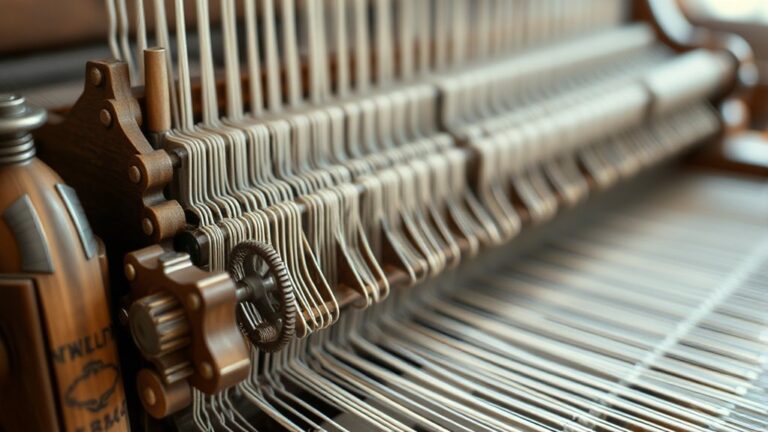
To weave twill, the loom lifts and lowers warp threads in a deliberate stepped pattern, while the weft thread passes through to create the familiar diagonal ribs. You’ll see this motion repeated across the cloth, and each shift builds the slanted texture you recognize.
Different loom types can handle the sequence, but they all rely on controlled thread movement. Manufacturers choose weaving techniques that stagger the warp over one or more wefts, which changes the angle and depth of the ridge.
- Lift selected warp threads.
- Pass the weft through.
- Shift the pattern one step.
- Repeat for a diagonal finish.
Because you track the pattern carefully, you create durable twill with a strong surface and a clean, directional drape.
Twill Fabric’s Diagonal Weave

Twill fabric stands out because its weave creates a distinct diagonal pattern across the surface. You’ll notice this slanted effect when yarns pass over one or more threads, then under two or more, repeating in a steady rhythm. That structure gives twill its visual depth and its practical strength.
In twill history, weavers learned that this interlacing could add durability without making fabric stiff. Today, you can spot twill patterns in cloth that drapes smoothly and hides wear well. The diagonal lines also help the fabric resist wrinkles better than simpler weaves.
When you feel twill, you’ll often sense a firm yet flexible texture that supports everyday use. Because the weave distributes stress evenly, it performs well in garments and home textiles. This diagonal design isn’t just decorative; it’s the core of what makes twill recognizable, reliable, and long-lasting.
Common Types of Twill Fabric
Different twill weaves create different looks, weights, and levels of durability, so you can choose one that fits the job. When you shop for twill, you’ll often see these common types:
Different twill weaves create different looks, weights, and durability, so you can choose the right one for the job.
- Denim twill: You know this classic for jeans and jackets, and denim variations range from lightweight shirts to rugged workwear.
- Herringbone twill: You spot its broken zigzag pattern in suits, coats, and refined home textiles.
- Sateen twill: You get a smoother surface and a softer sheen, which works well for bedding and dressier pieces.
- Cotton duck twill: You rely on it for sturdy canvas applications, bags, aprons, and outdoor gear.
Each type gives you a different balance of texture, drape, and toughness. If you want a casual everyday look, denim twill works well. If you need structure or a crisp finish, duck twill gives you more support.
Consider how you’ll use it, then pick the weave that matches your project.
What Twill Fabric Is Made Of
Threads, fibers, and finishes all shape what twill fabric becomes. You’ll usually find twill made from cotton, wool, polyester, rayon, or blends of these fibers. Your choice changes the hand feel, sheen, and drape, so twill variations can look crisp, soft, smooth, or slightly textured.
Cotton twill is common for everyday clothing and home textiles, while wool twill often appears in tailored garments. Synthetic fibers can add easy-care performance, and blended yarns let you balance comfort with practicality.
When you look at twill, you’re really looking at the yarn content and how it’s spun and dyed before weaving begins. Those details affect the fabric’s appearance more than any single finishing step.
If you care about sustainability considerations, you may want organic cotton, recycled polyester, or responsibly sourced wool. In short, twill isn’t one fixed material; it’s a weave structure that works with many fibers, giving you plenty of fabric options for different uses.
Why Twill Fabric Is So Durable
That same weave structure also explains why twill fabric holds up so well. You get strength from its diagonal pattern, which spreads stress across the cloth instead of concentrating it in one spot. Because the yarns interlace tightly, the surface resists abrasion and keeps its shape longer.
These twill characteristics support fabric longevity without making the material feel rigid.
- The weave locks fibers together firmly.
- Diagonal ribs help hide minor wear.
- Dense construction reduces snagging.
- Balanced tension improves lasting performance.
When you choose twill, you’re choosing a fabric that can handle repeated use and still look refined. Its structure naturally supports durability, so you don’t have to rely on extra bulk or heavy finishing to get better wear.
That’s why twill often outlasts smoother weaves in everyday use.
Everyday Uses for Twill Fabric
Twill fabric shows up in plenty of everyday pieces because it’s strong, comfortable, and easy to wear. You’ll find it in jeans, chinos, jackets, skirts, and other casual clothing that needs a little structure without feeling stiff. Its diagonal weave helps your clothes hold their shape, so you can wear them often and still look neat.
You might also use twill for workwear, aprons, and uniforms when you want durability with a polished look. Around your home, twill fits into home decor items like curtains, cushions, slipcovers, and upholstery because it handles daily use well. It drapes nicely, resists wear, and brings a tidy finish to rooms.
Whether you’re dressing for errands or revitalizing a sofa, twill gives you a practical option that feels reliable and looks good. You can count on it for pieces you reach for again and again.
Twill Fabric vs. Other Weaves
When you compare twill with plain weave, you’ll notice twill has a diagonal texture and more drape. On the other hand, plain weave feels flatter and more stable.
Now, if you’re looking at twill versus satin weave, twill usually offers better durability and less sheen. Satin, however, can feel smoother and more lustrous.
These differences really help you pick the weave that fits your fabric needs best.
Twill Vs. Plain Weave
Compared with plain weave, twill has a diagonal rib pattern that gives it a softer drape, greater durability, and a little more visual depth. If you compare the two, you’ll notice plain weave feels flatter and more balanced, while twill offers stronger twill characteristics and better fabric versatility for structured garments and hard-wearing items.
You’ll also see these differences:
- Plain weave interlaces threads in a simple over-under pattern.
- Twill shifts the pattern, creating diagonal lines.
- Plain weave can feel crisper and lighter.
- Twill usually resists wear better and hides creases more easily.
When you want everyday fabric that looks neat and feels sturdy, twill often gives you more performance, while plain weave suits simpler, lighter applications.
Twill Vs. Satin Weave
Satin weave takes a different approach from twill, with long floating yarns that create a smooth, glossy surface and a more luxurious feel. When you compare it with twill, you’ll notice twill’s diagonal ribs and sturdier structure give it better durability and better drape for everyday use.
Satin can feel softer and look shinier, but it snags more easily and shows wear sooner. You’ll often choose twill for jeans, jackets, and upholstery because its fabric characteristics balance strength, comfort, and visual texture.
Satin works better when you want elegance for formalwear, linings, or bedding. If you’re evaluating twill applications, think about how much abrasion resistance, structure, and low-maintenance performance you need. Twill usually wins for practical use.
How to Care for Twill Fabric
Caring for twill fabric starts with checking the garment’s care label, since the weave and fiber blend can affect how you should wash it. For smart fabric maintenance, treat stains quickly and turn items inside out before cleaning. Use gentle washing techniques to protect the diagonal weave and keep the fabric looking crisp.
- Wash in cold or warm water with a mild detergent.
- Choose a gentle cycle, or hand wash delicate twill pieces.
- Skip bleach, which can weaken fibers and fade color.
- Air dry when possible, or tumble dry on low heat.
After washing, reshape the garment while it’s damp and smooth wrinkles with a cool iron if needed. Store twill in a dry, breathable space so it doesn’t hold odors or moisture. With consistent care, you’ll extend its life and keep it looking polished.
How to Choose the Right Twill Fabric
When you’re picking out twill fabric, the first thing to do is check what fibers it’s made from. Cotton, wool, and synthetic fibers all act differently, so that’s a good place to start. Then, you’ll want to consider the weave weight—this helps you get the right feel and durability for whatever project you have in mind.
And don’t forget to think about how you’ll use the fabric in the end. That way, you can be sure it’ll perform well in the setting you want. It’s all about matching the fabric to your needs!
Fiber Content
Fiber content shapes how twill fabric feels, wears, and performs, so it’s one of the first things you should check before you buy. You’ll find different fiber types change drape, breathability, and comfort, while fabric blends can balance strengths for daily use.
- Choose cotton twill if you want softness and easy care.
- Pick wool twill for warmth and a cleaner, dressier finish.
- Select polyester blends if you need wrinkle resistance and durability.
- Try rayon or silk blends when you want a smoother hand and richer sheen.
Read the fiber label carefully, then match it to your needs, climate, and how often you’ll wear or wash the fabric. That simple step helps you choose twill that fits your style and routine.
Weave Weight
Beyond fiber content, twill’s weave weight plays a big role in how the fabric looks, feels, and performs. When you choose a lighter twill, you get more drape, softer movement, and a smoother hand.
Heavier twill feels sturdier, holds its shape better, and shows stronger twill characteristics through a more pronounced diagonal rib. You should think about fabric versatility, too. Medium-weight options often balance structure and comfort, making them the most adaptable choice.
Pay attention to thickness, density, and finish because these details change breathability and texture. If you want a refined surface, select a finer weave. If you need a more substantial cloth, go heavier.
Matching weight to your needs helps you get the right look, feel, and performance without sacrificing quality.
End Use
The best twill fabric depends on how you plan to use it, so start by matching the cloth to the job. For garments, choose a softer, lighter twill that drapes well and handles frequent wear. For home projects, pick sturdier options that resist abrasion and keep their shape.
Consider these factors:
- Think about fashion applications and select a weave that suits trousers, jackets, or skirts.
- Check fiber content for breathability, stretch, or durability.
- Compare upholstery choices for chairs, cushions, or slipcovers.
- Test colorfastness and care needs before you buy.
When you align end use with texture, weight, and finish, you’ll choose twill that performs well and looks right.
Frequently Asked Questions
Is Twill Fabric Breathable in Hot Weather?
Yes, twill fabric can breathe in hot weather, but you’ll feel the difference by fiber and weave. If you choose lightweight cotton twill, you’ll get better airflow and comfort for summer clothing.
Its twill properties add durability and a slight texture, yet heavier versions trap more heat. You should look for loose weaves, lighter weights, and natural fibers if you want cooler wear on warm days and better everyday comfort.
Does Twill Fabric Shrink After Washing?
Yes, twill fabric can shrink after washing, but you can control it. You’ll see more shrinkage in natural fibers like cotton than in synthetics, especially with hot water and high heat.
Cold water, gentle washing techniques, and air drying reduce the risk. Check the care label first, since shrinkage factors vary by weave and blend.
If you treat it carefully, you’ll keep twill looking sharp and fitting well wash after wash.
Can Twill Fabric Be Used for Upholstery?
Yes, you can use twill fabric for upholstery, and it often works well. You’ll like its strong weave and smooth texture, which suit sofas, chairs, and cushions.
Twill upholstery styles range from casual to tailored, so you can match your space easily. Its twill fabric durability helps it handle daily wear better than many lighter fabrics. Just choose a weight and finish that fit your furniture and lifestyle.
Is Twill Fabric Suitable for Embroidery?
Yes, you can use twill fabric for embroidery, and you’ll often like the results. Its diagonal weave gives you twill fabric advantages like durability and a stable surface, which helps stitches hold well.
You’ll want to choose embroidery techniques that suit medium-weight fabric, such as satin stitch, stem stitch, or appliqué. Use a sharp needle and stabilize the area, and you’ll get clean, professional-looking embroidery without much trouble.
How Can You Identify Twill Fabric by Touch?
You can spot twill fabric by touch like a fabric detective with a pocket watch. Feel for its diagonal rib and slightly heavier drape. Compared with plain weaves, it’ll seem smoother, denser, and a bit more substantial.
Run your fingers across it and notice the subtle ridges, a key fabric characteristics clue. In a texture comparison, twill usually feels sturdier, softer, and less crisp than many other fabrics.
Conclusion
Now you know what twill fabric is, how it’s woven, and why its diagonal texture makes it so durable and versatile. Whether you’re choosing jeans, jackets, or home décor, twill gives you strength with style.
Isn’t it nice to find a fabric that works hard and looks good too? When you care for it properly, you’ll keep it looking its best for years.
Use what you’ve learned, and pick the right twill fabric for your next project.