What Is Tencel?
Finding the perfect fabric that feels great, breathes well, and lasts can be a real challenge. You’re not alone—many people struggle to find materials that balance comfort, style, and sustainability.
That’s why fabrics like Tencel have been gaining popularity for those who want something soft yet durable.
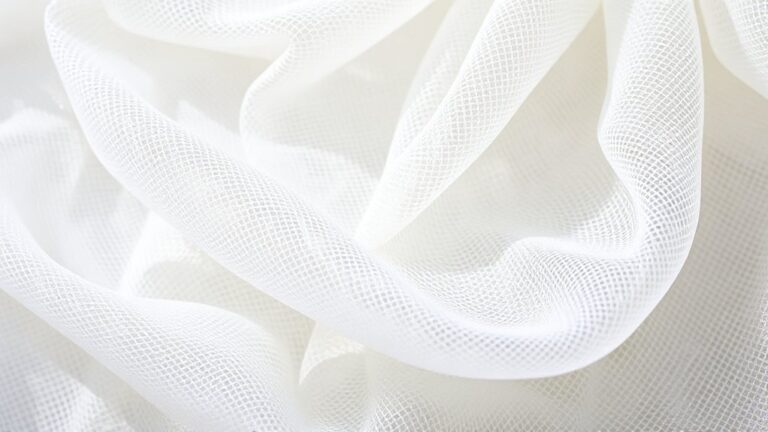
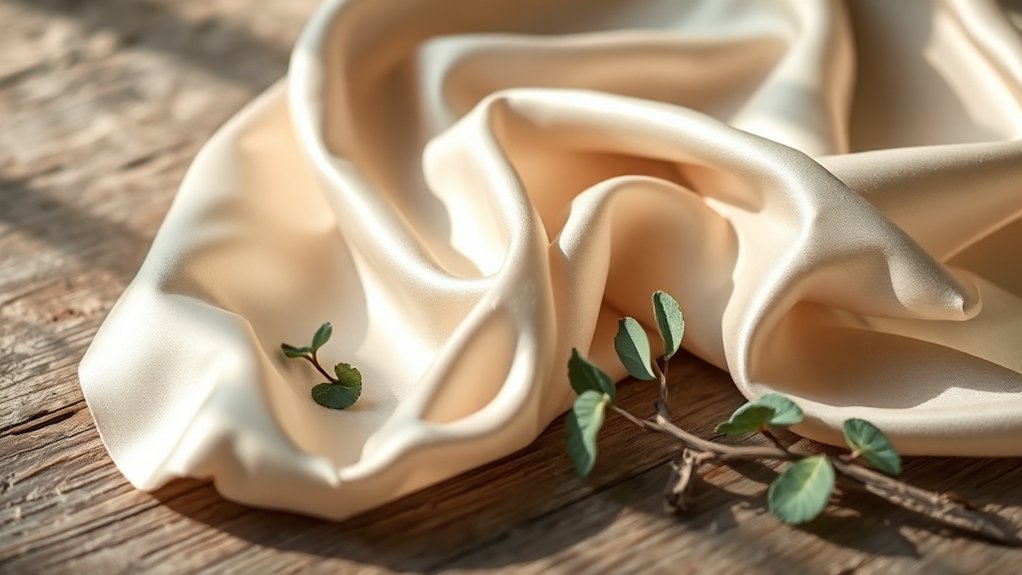
Tencel is a soft, breathable fabric made from wood pulp, usually eucalyptus, and you’ll often see it listed as lyocell, which is the generic fiber name. It feels silky, drapes well, and helps manage moisture, so you stay comfortable in warm or active settings.
It’s also known for wrinkle resistance and lower-impact production. If you want a fabric that feels luxurious and performs well, there’s more worth knowing about how it’s made and used.
Key Takeaways
- Tencel is a brand name for lyocell, a soft fabric made from wood pulp, often sourced from eucalyptus. It feels silky, breathes well, and helps regulate moisture for comfortable all-day wear.
- Tencel is produced in a closed-loop process that recovers and reuses solvents, reducing waste and water use. It is generally more eco-friendly than many conventional fabrics because of cleaner processing and sustainably managed sources.
- Tencel is popular for shirts, pajamas, basics, and summer clothing because it is soft, durable, and versatile.
What Is Tencel?

Tencel is a soft, breathable fabric made from wood pulp, usually eucalyptus, and processed into a type of rayon called lyocell. When you choose it, you get a smooth textile that drapes well and feels gentle against your skin. Its Tencel properties include moisture management, strength, and a silky finish that works for clothing, bedding, and activewear. You’ll also notice that it often resists wrinkles better than many other plant-based fabrics.
If you’re curious about Tencel history, you should know it began as a brand name for lyocell made with a more eco-conscious production process. That history matters because it explains why people associate Tencel with responsible sourcing and modern textile innovation. You can think of it as a fabric designed to balance comfort, performance, and lower-impact manufacturing. In everyday use, Tencel gives you a refined look without sacrificing softness or breathability.
Tencel vs. Lyocell

You’ll often see Tencel used as a brand name for lyocell, which can make the two seem different when they’re actually closely related. Basically, Tencel is the brand name marketed by one company, while lyocell describes the production process and fiber type.
Knowing that distinction makes it easier to compare labels and understand what you’re really getting. So next time you see either term, you’ll know they’re connected, just different ways of talking about the same kind of fabric.
Tencel Fiber Name
The name can be a little confusing: Tencel is a brand name, while lyocell is the generic fiber type. When you shop, you’ll often see both terms used for the same kind of fabric, but the label tells you who made it. Tencel origins trace back to a branded launch, and Tencel brands still use that name to signal quality and consistency.
Tencel points to a trademark, not a separate fiber. Lyocell names the broader fiber category. You may see both on clothing tags. Brand wording can guide your buying choice.
Lyocell Production Process
Although Tencel is a brand name and lyocell is the fiber category, both usually refer to the same closed-loop production method: wood pulp gets dissolved in a non-toxic solvent, then forced through tiny spinnerets to form smooth fibers.
You’ll notice the solvent gets recovered and reused, which cuts waste and boosts production efficiency. During spinning, the fibers harden in a bath, then get washed, dried, and finished for fabric use.
Because you’re dealing with regenerated cellulose, the process uses less water and fewer harsh chemicals than many conventional fibers. That gives the material a strong sustainability impact, especially when the wood comes from responsibly managed forests.
How Tencel Is Made From Wood Pulp

Tencel starts with wood pulp, usually from sustainably managed eucalyptus, beech, or spruce trees. You begin with careful wood sourcing, where producers select certified timber and track it back to responsible forests.
Next, they chip the wood and dissolve the pulp in a non toxic solvent, creating a smooth liquid that can be spun into fibers. This closed loop method supports eco friendly production because the solvent gets recovered and reused instead of wasted.
You then get fibers that are washed, dried, and cut into staple lengths or filaments for fabric making.
- Trees are harvested from managed forests
- Wood chips become purified pulp
- Solvent turns pulp into spinnable solution
- Fibers are recovered and prepared for textiles
Why Tencel Feels So Soft
You’ll notice Tencel feels silky because its smooth fibers glide gently against your skin. Plus, it helps manage moisture, so you stay more comfortable and less sticky throughout the day. All in all, that smooth structure and breathability give it its signature soft feel.
Smooth Fiber Structure
Its silky hand comes from Tencel’s exceptionally smooth fiber surface, which has far fewer rough edges than many other fabrics. You notice the difference right away because the fibers glide against skin instead of catching or scratching.
That smoothness gives you clear fiber benefits: less friction, a softer drape, and a more polished feel. In a texture comparison, Tencel often seems calmer and cleaner than coarser textiles.
- You feel a sleek touch
- You get gentle contact
- You notice refined drape
- You enjoy lasting softness
Because the fibers stay uniform, the fabric keeps its smooth character through everyday wear. You can count on that consistency when you want comfort without bulk or stiffness.
Moisture-Regulating Comfort
When fibers manage moisture well, your fabric feels softer because it stays balanced instead of clammy or stiff. Tencel pulls moisture away from your skin and releases it quickly, so you stay drier through the day. That means the surface doesn’t cling, and you feel less friction every time you move.
Because it supports thermal regulation, you get comfort in warm weather and fewer cold, damp spots when temperatures shift. You also benefit from a breathable fabric that lets air circulate instead of trapping heat. The result is a smooth, calm feel that makes Tencel seem naturally gentle.
When you wear it, you notice the difference in how light, cool, and easy it feels against your body.
Tencel Benefits for Daily Wear
Tencel makes daily wear easier because it feels soft, breathes well, and helps manage moisture throughout the day. You can count on this breathable fabric when you want comfort that lasts from morning errands to evening plans. Its smooth texture helps reduce cling, so you stay relaxed in warm rooms or on busy commutes. Because it drapes nicely, you can build a versatile style with casual tops, office outfits, or travel pieces.
- It feels gentle against sensitive skin.
- It lets air move, so you stay cooler.
- It keeps outfits looking neat with less fuss.
- It works well for layering in changing weather.
You’ll also appreciate how easy it is to wear all day without feeling weighed down. If you like clothes that look polished and feel effortless, Tencel fits into your routine with ease and comfort.
Is Tencel More Sustainable Than Cotton?
Compared with cotton, Tencel can be a more sustainable choice because it comes from wood pulp, uses a closed-loop production process, and typically needs less water and fewer chemicals. You may also value that its manufacturing can recycle solvents, which helps reduce waste in the textile industry.
That said, you should keep in mind that sustainability depends on how the fiber is sourced, processed, and transported. Organic or responsibly grown cotton can also support eco-friendly practices, especially when it’s rain-fed and produced with limited pesticides.
If you’re comparing the two, Tencel often stands out for lower water use and cleaner processing, while cotton can vary widely in impact. Your best option depends on the specific brand, certifications, and supply chain transparency. Choosing either fiber from companies with strong environmental standards will usually make a bigger difference than the fiber alone.
Common Uses for Tencel Clothing and Home Goods
Because Tencel is soft, breathable, and moisture-wicking, you’ll often see it used in everyday clothing like T-shirts, dresses, underwear, activewear, and loungewear. You can wear it when you want comfort that still looks polished. Tencel fashion often feels refined without being fussy.
Because the fiber drapes well, designers also use it for blouses, skirts, and tailored basics that move with you. In the home, you’ll find Tencel in bedding, pillowcases, blankets, and mattress covers, where its smooth feel adds everyday comfort. It’s also a smart pick for anyone who values Tencel sustainability and wants versatile pieces that fit many settings.
- Breathable basics for warm days
- Soft sleepwear for restful nights
- Smooth sheets for a cooler bed
- Flexible layers for travel or work
When you choose Tencel, you’re picking fabrics that work across your wardrobe and home.
How to Care for Tencel Fabric
To keep Tencel looking and feeling its best, wash it gently in cold water with a mild detergent and skip harsh bleach or high heat. For Tencel washing, turn items inside out and use a delicate cycle so fibers stay smooth. Don’t overload the machine, and rinse thoroughly to remove residue.
| Care step | What you do |
|---|---|
| Sort | Wash Tencel with similar colors |
| Detergent | Use a mild, liquid formula |
| Cycle | Choose gentle or delicate |
| Drying | Air-dry or use low heat |
| Finishing | Remove promptly and smooth wrinkles |
For Tencel drying, reshape garments while they’re damp and lay them flat or hang them away from direct sun. If you need to iron, use low heat and a pressing cloth. Skip fabric softener since it can leave buildup. With simple care, you’ll preserve Tencel’s softness, drape, and clean look for many wears.
How to Choose Quality Tencel
When you’re choosing quality Tencel, start by checking the label and feel of the fabric. Good Tencel should feel smooth, soft, and drapey without looking overly shiny or flimsy. Look for clear fiber content because reputable brands list Tencel or lyocell plainly and avoid vague blends.
Next, inspect the weave and finish for even texture, neat seams, and consistent color. These are strong quality indicators. You can also rub the fabric gently; it should resist pilling and bounce back with minimal wrinkling, which suggests better fabric durability.
- Read care and fiber labels carefully.
- Test softness, weight, and drape in hand.
- Check stitching, hems, and surface consistency.
- Compare thicker fabrics for sturdiness, not stiffness.
If you’re shopping online, zoom in on product photos and reviews to confirm how the fabric holds up after washing. Reliable Tencel feels refined, performs well, and keeps its shape over time.
Who Tencel Works Best For
Tencel works best for you if you want fabric that feels soft, breathable, and easy to wear all day. If you have sensitive skin, you’ll likely appreciate its smooth feel and moisture control.
It also fits eco conscious consumers who want a lower-impact fiber without giving up comfort or drape. You can wear it for lounging, commuting, sleeping, or warm-weather outfits because it helps you stay cool and comfortable.
| You Are | Why Tencel Helps | Best Use |
|---|---|---|
| Sensitive skin | Feels gentle and smooth | Shirts, pajamas |
| Eco conscious consumers | Often made with responsible processes | Everyday basics |
| Heat-prone | Breathes and wicks moisture | Summer clothing |
| Busy all-day wearers | Stays comfortable longer | Work-to-weekend outfits |
If you want fabric that looks polished but feels relaxed, Tencel can be a smart choice. You’ll get comfort, versatility, and a lighter footprint in one material.
Frequently Asked Questions
Does Tencel Wrinkle Easily After Washing?
Yes, Tencel can wrinkle after washing, but it usually wrinkles less than cotton or linen. You’ll get the best results if you follow proper Tencel care: wash it gently, use cool water, and remove it promptly from the machine.
For better Tencel durability, hang it or lay it flat to dry, then smooth it while it’s damp. If you’re careful, you can keep wrinkles to a minimum and preserve its soft look.
Is Tencel Fabric Good for Hot Sleepers?
Yes, tencel fabric can be great for hot sleepers because it feels cool and smooth against your skin. You’ll benefit from its breathable material, which helps air flow and reduces trapped heat.
Its moisture-wicking properties also pull sweat away, so you stay drier through the night. If you overheat easily, tencel can help you sleep more comfortably, especially in warm weather or a stuffy bedroom.
Can Tencel Be Blended With Other Fibers?
Yes, you can blend Tencel with other fibers, and you’ll find it works like a river joining different streams. You can pair it with cotton, wool, or polyester through smart blending techniques to shape softness, stretch, and durability.
When you choose these mixes, you’re often boosting sustainability benefits too, since Tencel can help reduce waste and improve performance. You’ll get fabric that feels balanced, breathable, and made for everyday wear.
Does Tencel Shrink in the Dryer?
Yes, Tencel can shrink a little in the dryer, especially on high heat. You should follow the care label and use low heat or air dry to protect Tencel care and preserve Tencel durability.
When you handle it gently, you’ll keep the fabric soft, smooth, and long-lasting. If you want the best results, remove it while slightly damp and reshape it before it finishes drying.
Is Tencel Suitable for Sensitive Skin?
Yes, you can usually wear Tencel if your skin throws dramatic tantrums at every scratch. Its smooth fibers feel gentle, breathe well, and help wick moisture, so you’re less likely to irritate sensitive skin.
Compared with Tencel vs. cotton, you may notice softer drape and fewer rough spots. Those Tencel benefits can make daily clothing feel calmer, cleaner, and kinder because your skin shouldn’t need a committee meeting.
Conclusion
Now that you know what Tencel is, you can see why it’s become such a favorite in clothing and home goods. It feels incredibly soft, breathes well, and drapes beautifully, making everyday comfort seem almost magical.
Whether you’re shopping for clothes, bedding, or loungewear, you can choose Tencel with confidence by checking quality and care labels. If you want a fabric that’s gentle, versatile, and easy to love, Tencel could be your perfect match.