10 Types of Knit Fabric You Should Know
Choosing the perfect fabric for your next sewing or fashion project can be overwhelming. You want something comfortable, durable, and just right for your style, but with so many options, it’s easy to feel lost. You’re not alone—many people struggle to understand the differences between knit fabrics and which one will work best.
Knit fabric is made by looping yarns into flexible cloth, so you get stretch, softness, and easy comfort. You’ll often see jersey, rib, interlock, French terry, double knit, and sweater knit, along with textured options like pique and other specialty blends.
Each type suits different needs, from T-shirts and dresses to hoodies and blazers. When you know how each knit behaves, you can pick the right one for fit, drape, and feel, and a few more details can help even more.
Key Takeaways
- Knit fabric is made by looping yarns, creating stretch, softness, and comfort for garments like T-shirts, sweaters, socks, and activewear.
- Jersey knit is soft, breathable, and stretchy, making it ideal for casual wear, T-shirts, dresses, and lightweight activewear.
- Rib knit uses raised and recessed columns for excellent elasticity, often used in cuffs, neckbands, and fitted clothing.
- Interlock, pique, French terry, double knit, and sweater knit offer varying levels of structure, warmth, texture, and durability.
- Choose knit fabric by weight, stretch, comfort, and care needs to match the garment’s purpose and longevity.
What Knit Fabric Is
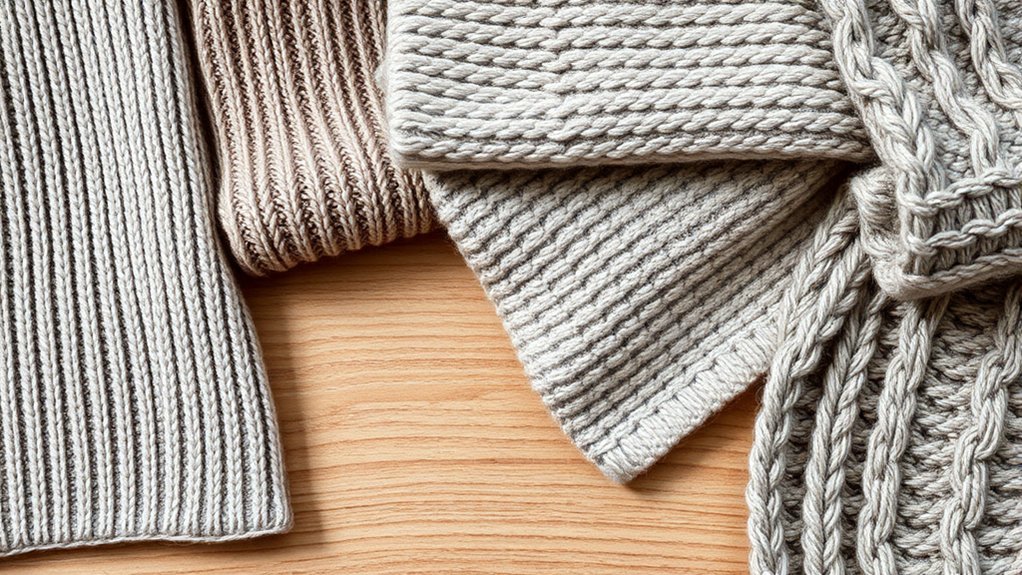
Knit fabric is a textile made by looping yarns together, which gives it stretch, softness, and a flexible feel. You’ll notice it in T-shirts, sweaters, socks, and activewear because it moves with your body and often feels comfortable against your skin.
Unlike woven cloth, knit fabric has natural give, so you get more elasticity and recovery in everyday garments. When you learn about knit fabric history, you see it’s long been valued for practical clothing and adaptable design.
Today, knit fabric types range from lightweight jersey to plush rib and cozy interlock, each offering different drape, warmth, and texture. You can choose one based on how much stretch, structure, or breathability you want. That variety makes knit fabric a useful choice in both casual wear and fashion basics.
How Knit Fabric Is Made
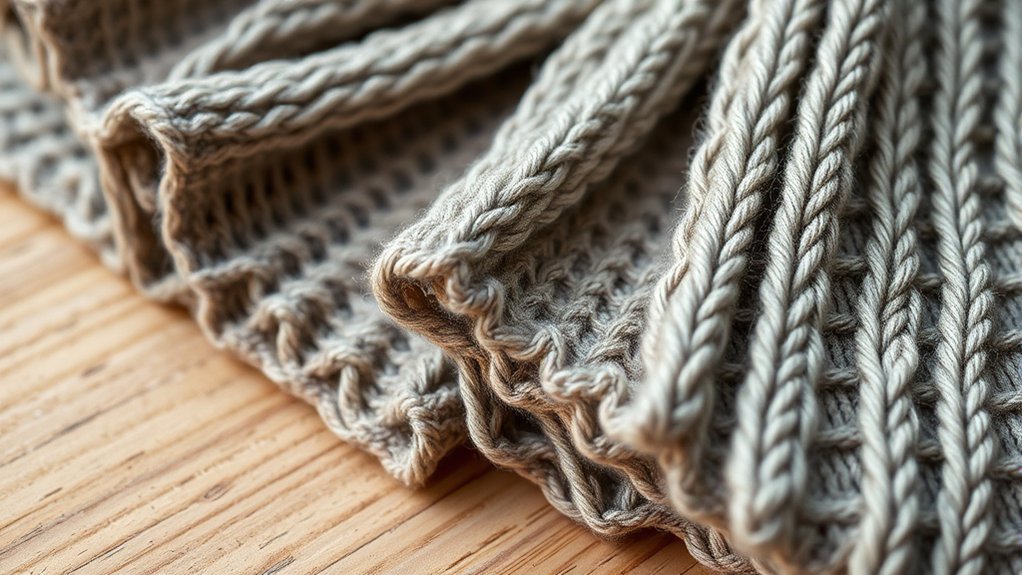
To make knit fabric, yarns are fed into needles that loop them together in a repeating pattern, creating a flexible cloth with stretch and recovery. You can produce it on hand tools or on industrial machines, and each method shapes the final look and feel.
As you work, the loops interlock vertically and horizontally, so the fabric can bend, drape, and spring back more easily than woven cloth. Different knit techniques change loop size, tension, and density, which directly affects fabric properties like weight, breathability, warmth, and elasticity.
You’ll also notice that yarn choice matters: fine yarns create smoother surfaces, while thicker yarns make a bulkier result. During production, you control speed, stitch type, and feed rate to achieve consistent quality.
After knitting, you can finish the cloth by washing, drying, or setting it, helping stabilize the loops and improve performance for later use.
Jersey Knit Fabric
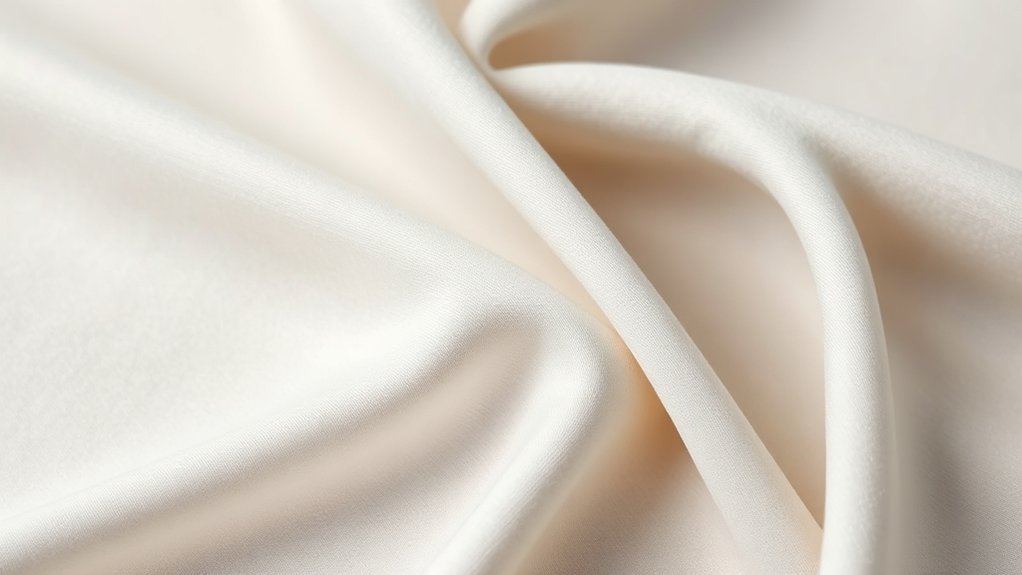
Jersey knit fabric gives you a soft, stretchy feel that works well for T-shirts, dresses, and casual basics. You’ll notice its smooth face and flexible drape, which makes it really comfortable and easy to wear.
To keep it looking good, you’ll want to wash it gently and avoid harsh heat. That way, your favorite pieces will last longer and stay just as cozy.
Common Jersey Uses
Soft, stretchy, and comfortable, jersey knit shows up in everyday garments you reach for often, from T-shirts and tank tops to dresses, sleepwear, and loungewear. You’ll also see it in activewear when you want easy movement and a casual look.
Designers choose it for layering pieces, too, because it drapes neatly and feels familiar against your skin. In jersey applications, you can find it in basics and polished styles alike, while creative uses extend to scarves, headbands, and baby clothing.
- Everyday tees
- Casual dresses
- Pajamas and robes
- Lightweight accessories
You can build a versatile wardrobe with jersey knit because it adapts to relaxed, practical outfits without feeling fussy.
Key Fabric Traits
Fabric that feels easy to wear, jersey knit is known for its smooth surface, natural stretch, and comfortable drape. You’ll notice its stretchability factors come from looped stitch patterns, which let the fabric move with you.
Different weight variations can change how it hangs, while texture differences may feel silky, brushed, or slightly grainy depending on fiber content. Its breathability aspects make it a smart pick when you want airflow without sacrificing comfort.
You also get a choice among elasticity types, from gentle give to stronger recovery. Pay attention to drape qualities, since they affect how garments fall on your body. For durability considerations, denser knits usually resist wear better, but every jersey stays flexible and easy to layer.
Care And Maintenance
Because it’s made with looped stitches, jersey knit needs a little extra care to keep its shape and surface looking good. For fabric washing, turn it inside out, use cold water, and choose a gentle cycle to reduce stretching.
Skip harsh detergents and bleach since they can weaken fibers. Air-dry flat when you can; these drying methods help prevent shrinkage and distortion.
For storage tips, fold jersey items instead of hanging them, which can pull them out of shape. If you snag or get a small hole, use simple repair techniques like sewing a tiny ladder stitch before the damage spreads.
Good fabric care also means separating darks, avoiding high heat, and checking labels so you protect softness, drape, and color.
Rib Knit Fabric
Rib knit fabric is made with alternating raised and recessed columns, which gives it a stretchy, flexible texture that really holds its shape. You’ll often see it used in cuffs, neckbands, waistbands, and fitted garments because it moves with you and bounces back easily.
Because of this structure, rib knits are a practical choice when you want something comfortable that recovers well after stretching. It’s like having fabric that works with your body, not against it.
Rib Knit Structure
A classic in stretch fabrics, rib knit creates its signature look through alternating raised and recessed columns that give it natural elasticity and excellent recovery. You’ll notice how these ribs form by pairing knit and purl stitches, which lets the fabric contract and expand with ease.
This structure makes rib knit patterns easy to recognize and helps explain its strong rib knit elasticity.
Vertical ridges define the surface
Stretch runs across the width
Recovery keeps shape after wear
Density varies with stitch ratio
Because the columns work together, you get a fabric that feels flexible yet stable. When you examine it closely, you’ll see why rib knit stands out from smoother knits without needing extra bulk or complexity.
Common Rib Knit Uses
Those flexible columns don’t just define the look of rib knit. They also make it a go-to choice for garments that need stretch, comfort, and a close fit. You’ll see rib knit applications in cuffs, neckbands, waistbands, fitted tees, and sweaters because the fabric hugs your body and springs back well.
Its rib knit versatility also makes it useful for baby clothes, sportswear, and layering pieces.
| Use | Why it works | Example |
|---|---|---|
| Cuffs | Stays snug | Sleeves |
| Neckbands | Resists sagging | T-shirts |
| Waistbands | Adds support | Joggers |
| Tops | Moves with you | Fitted knits |
When you want fabric that keeps shape and feels soft, rib knit delivers.
Interlock Knit Fabric
Interlock knit fabric is a smooth, stable double-knit textile made by interlocking two layers of jersey knit together. This gives it a thicker feel and a clean look on both sides. You’ll notice it drapes neatly, resists curling, and feels soft against the skin, so it’s easy to sew and wear.
Interlock knit fabric is smooth, stable, and softly structured, with a clean finish on both sides.
Its interlock versatility makes it a smart choice when you want comfort with structure. Its applications range from T-shirts to pajamas and baby clothes.
- Holds its shape better than single knit
- Feels substantial without being bulky
- Works well for fitted or relaxed garments
- Gives you a polished finish with minimal effort
You can use it for casual pieces, layering basics, and garments that need a smooth, professional appearance. If you want knit fabric that balances stretch, stability, and comfort, interlock is a reliable option you can trust.
Pique Knit Fabric
Pique knit fabric has this cool textured, raised pattern that gives it a distinct waffle-like structure. You’ll notice it feels breathable and durable, plus it’s a bit more structured than many other knits.
You often find it in polo shirts, sporty dresses, and other casual garments that need comfort but still want to look polished. It’s like the perfect mix of laid-back and put-together.
Pique Knit Structure
A textured classic, this knit structure creates a subtle raised pattern that gives fabric more body and breathability than a flat jersey. You’ll notice the surface forms tiny geometric ridges, often from a double-knit setup that lifts certain yarns while leaving others tucked beneath. That design shapes the look and feel of pique textures, making them easy to spot in casual wear and sporty basics.
You get a fabric with visual depth. You can use it for polos and uniforms. You’ll see it handle prints with clean definition. You’ll find pique applications in apparel that needs structure.
Because the knit holds its shape well, you can rely on it when you want texture without heaviness.
Key Fabric Qualities
Textured and dependable, pique knit fabric gives you a balanced mix of structure, breathability, and visual interest. You’ll notice its raised texture helps air move, so you stay more comfortable when the day warms up.
The fabric’s firm hand gives you better fabric durability than many softer knits, which means it can hold its shape through frequent wear and washing. You also get solid stretch recovery, so the fabric springs back instead of sagging out.
Because of that, you can rely on it for garments that need a neat appearance without feeling stiff. If you want a knit that looks polished, feels lightweight, and performs consistently, pique delivers practical strength and reliable comfort.
Common Apparel Uses
In everyday wardrobes, pique knit fabric shows up most often in polos, golf shirts, casual button-ups, and summer dresses because it balances structure with breathability. You can wear it for casual wear, activewear styles, and smart layering pieces that move easily from work to weekend. Its textured surface also tracks with seasonal trends, giving you polish without feeling stiff.
Choose it for warm-weather comfort and airflow. Pair it with denim or chinos for fashion versatility. Look for fabric blends that improve stretch and drape. And seek sustainable options and eco-friendly choices when shopping.
Because pique holds its shape well, you can trust it for repeated wear, easy care, and outfits that feel refined without looking fussy.
French Terry Fabric
French terry fabric sits between cozy and practical, making it a go-to knit for everyday clothing. You’ll notice a smooth face and soft loops on the inside, which help it feel lighter than fleece while still keeping you comfortable.
The French terry benefits include breathability, moderate warmth, and easy movement, so you can wear it for lounging, layering, or light activity. Because it drapes well and resists feeling bulky, you can choose it for hoodies, sweatshirts, joggers, robes, and casual dresses.
Breathable, warm, and easy to move in, French terry suits everything from lounging to light activity.
These French terry applications make it a smart pick when you want comfort without sacrificing a neat look. You can also find versions with stretch, which improves fit and recovery during wear.
If you want a knit that works across seasons and handles everyday use, French terry gives you a reliable balance of softness, structure, and versatility.
Double Knit Fabric
Double knit fabric is a stable, thicker knit made with two layers of interlocked yarn, giving it a smooth surface on both sides and a more substantial feel than single knits. You’ll notice its double knit characteristics right away: it resists curling, drapes cleanly, and holds its shape well.
You can cut it easily because it stays flat. You’ll get a polished look on both sides. You can use it for garments that need structure. You’ll find it comfortable with a bit of stretch.
These double knit applications make it a smart choice for skirts, dresses, blazers, and tailored pants. Because it’s less sheer than lighter knits, you can wear it confidently in cooler weather or for professional outfits.
When you choose double knit fabric, you’re picking a material that balances comfort, durability, and a refined finish.
Sweater Knit Fabric
Sweater knit fabric brings the cozy feel of a sweater into a versatile fabric form, with a soft hand, visible texture, and enough stretch to stay comfortable. You’ll notice it can work across many sweater styles, from slim pullovers to relaxed cardigans. The knit structure adds warmth without feeling stiff.
Different yarn types, like wool, cotton, and blends, change the drape, warmth, and feel of the fabric.
| Feature | What you notice |
|---|---|
| Texture | Soft, often ribbed or brushed |
| Stretch | Comfortable movement |
| Warmth | Light to medium insulation |
| Drape | Varies by yarn types |
| Best use | Everyday knitwear |
You can wear sweater knit fabric for layering, lounging, or casual outings, and it keeps its charm in simple designs. Its surface also adds visual interest, so you don’t need much embellishment to make it stand out.
How to Choose the Best Knit Fabric
Choosing the best knit fabric starts with how you plan to use it, because the right option depends on comfort, stretch, drape, and warmth. You should match the fabric weight to the garment’s purpose, then check how the knit feels against your skin. Lighter knits suit tees and linings, while heavier ones hold shape in sweaters and jackets.
Pay close attention to stretch properties, since too much give can make seams sag and too little can limit movement.
Pick rib knit for snug cuffs and hems. Choose jersey for breathable everyday basics. Use interlock when you want a smoother, sturdier finish. Try sweater knit for cozy layers with texture.
Also, think about care requirements, because some knits shrink or pill faster than others. When you balance drape, recovery, and texture, you’ll choose a fabric that looks good, wears well, and fits your project’s real needs.
Frequently Asked Questions
Which Knit Fabrics Resist Pilling Best?
The tightest, smoothest knits usually resist pilling best, so you should look for high-gauge cotton, mercerized cotton, viscose blends, and polyester or nylon blends. You’ll also get better fabric durability from compact jersey, interlock, and ponte.
For pilling prevention, choose long-staple fibers, dense construction, and blended yarns that shed less. Avoid loose, fuzzy knits if you want your clothes to stay smooth and wear longer.
Are Knit Fabrics Suitable for Formal Wear?
Yes, knit fabrics can work for formal wear, especially when you choose polished formal knit styles. Nearly 60% of style editors now feature knits in dressier looks, which shows how versatile they’ve become.
You’ll want structured silhouettes, finer yarns, and smooth finishes. With proper knit fabric care, your outfit stays sleek, drapes well, and keeps its shape. Pair it with sharp accessories, and you’ll look elegant without feeling stiff.
How Do Knit Fabrics Affect Breathability?
Knit fabrics affect breathability by letting air move through the loops, so you stay cooler and more comfortable. You’ll notice better temperature regulation when the knit is open or lightweight, and moisture wicking helps pull sweat away from your skin.
Tighter knits can trap more heat, while looser ones breathe better. Choose the right knit, and you’ll improve airflow, reduce clamminess, and feel fresher during active or warm-weather wear.
Can Knit Fabrics Be Recycled Easily?
Not always. Knit fabrics aren’t always easy to recycle. You might think their stretch makes them simpler to process, but mixed fibers and elastane often complicate things.
You can improve results by choosing single-fiber knits and supporting sustainability practices. Effective recycling methods like mechanical shredding or chemical recovery work best when you separate materials first.
If you check labels and sort carefully, you’ll help recycling work better and waste less overall.
Which Knit Fabrics Work Best for Upholstery?
You’ll get the best upholstery results with dense, stable knits like ponte, double knit, and heavy jersey blends. You should choose fabrics with strong durability factors, especially tight construction and added synthetic fibers, so they resist sagging and wear.
For maintenance tips, vacuum regularly, spot-clean spills fast, and avoid direct sunlight when you can. If you need stretch with structure, these knits work well and still feel comfortable.
Conclusion
Now you know the basics of knit fabric and the main types you’ll see most often. Jersey, rib, interlock, French terry, double knit, and sweater knit each bring different stretch, structure, and comfort to your projects.
One interesting statistic to note: knit fabrics can stretch up to 50% more than many woven fabrics. That helps explain why they’re so popular.
Use that flexibility to choose the fabric that fits your needs best. Understanding these 10 types of knit fabric will make your next project easier and more enjoyable.