10 Fabric Textile Products You Should Know
Finding the perfect fabric textile product can feel overwhelming. You want something that looks great, feels comfortable, and lasts long—but with so many options, making the right choice isn’t always easy. You’re not alone; many people struggle to understand what sets each fabric apart and which one suits their specific needs.
You should know these 10 fabric textile products: cotton, polyester, linen, wool, silk, denim, velvet, upholstery fabric, and technical textiles.
Cotton feels soft and breathable, polyester is durable and wrinkle-resistant, and linen stays cool in warm weather.
Wool insulates, silk feels luxurious, denim lasts well, and velvet adds rich texture.
Upholstery fabrics handle daily use, while technical textiles serve safety and health needs.
Keep going, and you’ll see how each one fits your needs.
Key Takeaways
- Cotton is soft and breathable. It’s ideal for clothing, bedding, towels, and everyday home use.
- Polyester is durable, wrinkle-resistant, and quick-drying. You’ll find it a lot in activewear, outerwear, and home textiles.
- Linen is lightweight, breathable, and cool, making it perfect for warm-weather shirts, dresses, pants, and bedding.
- Wool, silk, denim, and velvet each offer unique performance, texture, and style benefits for specialized uses.
- Technical and upholstery fabrics are engineered for durability, protection, safety, and heavy daily wear.
What Are Textile Fabrics?

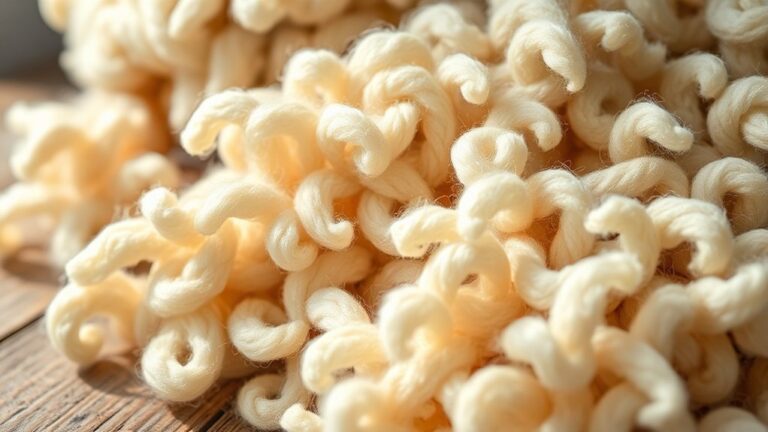
Textile fabrics are the materials you use to make clothing, upholstery, linens, and many other everyday products. You rely on them whenever you choose a shirt, cover a chair, or finish a room, because they combine fibers into usable surfaces.
In textile history, people first twisted natural fibers by hand, then improved techniques to create stronger, more consistent cloth. Today, fabric production blends traditional weaving and knitting with modern machinery, so you get materials with specific textures, weights, and performance qualities.
Fabric making evolved from hand-twisted fibers to modern machinery, creating stronger cloth with tailored textures and performance.
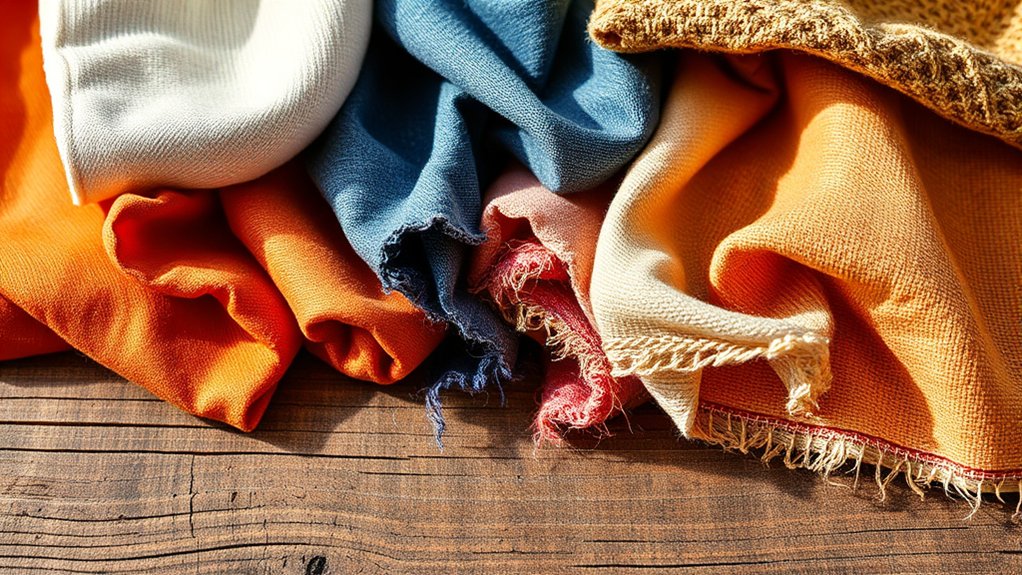
You can classify textile fabrics by fiber source, construction, and finish, which helps you match each one to a purpose. Some fabrics drape smoothly, while others hold shape or resist wear.
When you understand textile fabrics, you make better choices for comfort, style, and function. They’re the foundation of countless products you encounter every day.
Cotton Fabric for Everyday Comfort

Among the many textile fabrics you’ll encounter, cotton stands out for everyday comfort because it feels soft, breathes well, and works in all kinds of clothing and home goods. You can wear cotton shirts, jeans, and pajamas without feeling restricted, and you’ll often notice how gently it sits against your skin.
One of the biggest cotton benefits is its ability to absorb moisture, helping you stay cooler in warm weather and more comfortable through busy days. Cotton also handles frequent washing well, so you can keep your favorite pieces fresh with little effort.
When you care about cotton sustainability, look for responsibly grown options and longer-lasting items that reduce waste. You’ll find cotton especially useful for bedding, towels, and casual wear because it balances comfort, practicality, and versatility in a simple, familiar fabric.
Polyester Fabric for Lasting Durability

Polyester is a go-to fabric when you want lasting durability without much fuss. You can count on it to resist wrinkles, hold its shape, and dry quickly, which makes daily care simpler.
One of the biggest polyester benefits is strength: it handles frequent washing and regular wear without breaking down fast. That means you spend less time replacing items and more time using them.
Polyester’s strength stands out, handling frequent washing and everyday wear with lasting durability.
You’ll find polyester applications everywhere, from activewear and outerwear to bags, upholstery, and home textiles. It also blends well with other fibers, so you can enjoy added performance without sacrificing comfort.
If you need fabric that keeps up with a busy routine, polyester delivers dependable results. It’s practical, versatile, and built for long-term use, making it a smart choice when durability matters most.
Linen Fabric for Cool Breathability
Linen is a standout choice when you want a fabric that feels cool and breathable in warm weather. You’ll notice its crisp texture lets air move easily, so you stay comfortable when temperatures rise. Because linen absorbs moisture quickly and dries fast, it helps you feel fresher throughout the day.
These linen benefits make it a smart pick for shirts, dresses, pants, and bedding when you want comfort without cling. You can also count on linen for a relaxed, natural look that softens with wear. Its slightly rumpled finish adds character instead of looking messy.
For linen care, wash it gently, avoid harsh bleach, and air-dry or tumble dry on low to keep the fibers strong. If you press it while still slightly damp, you’ll smooth wrinkles with less effort. Choose linen when you want breathable style that works hard in heat and keeps you comfortable from morning to night.
Wool Fabric for Warmth and Insulation
If linen keeps you cool in the heat, wool does the opposite by trapping warmth and insulating you in colder weather. You can rely on its crimped fibers to hold air, which boosts its thermal properties and helps your body stay comfortable without heavy layers.
When you choose wool sweaters, coats, or blankets, you get dependable heat retention that works even when conditions turn damp or windy. Wool also manages moisture well, so you won’t feel clammy as you move between indoors and outdoors.
Wool sweaters, coats, and blankets deliver dependable warmth, even in damp weather, while managing moisture to keep you comfortable.
You should look for sustainable sourcing when buying wool, since responsible farms can reduce environmental impact and improve animal welfare. Because wool resists wrinkles and keeps its shape, you can wear it often and enjoy long-term value.
It’s a smart textile for winter wardrobes, outdoor gear, and home insulation.
Silk Fabric for a Smooth, Luxurious Feel
Silk brings a soft, lustrous finish that feels cool and smooth against your skin, making it a natural choice for elegant clothing and bedding. You’ll notice how it drapes beautifully, creating a refined look without much effort.
Different silk varieties, such as charmeuse, chiffon, and satin, each offer a distinct texture and sheen, so you can choose the one that suits your project or wardrobe best.
Because silk fibers are delicate, proper silk care matters. You should wash it gently by hand or use a delicate cycle with a mild detergent. Avoid harsh scrubbing and direct sunlight, which can weaken the fabric and fade its color.
When you treat silk well, it rewards you with lasting beauty, comfort, and a touch of luxury that stands out in any setting.
Denim Fabric for Everyday Wear
Denim is a durable cotton fabric that works well for everyday wear, giving you a casual look that holds up to frequent use. You can rely on it for jeans, jackets, skirts, and shirts because it balances comfort with toughness.
The fabric softens over time, so each wash can make it feel more personal and broken in. When you handle denim care, wash it inside out in cold water and avoid over-drying to help preserve color and shape.
You’ll also find plenty of denim trends, from straight-leg jeans to relaxed overshirts, so it’s easy to update your wardrobe without losing practicality. Since denim pairs with almost anything, you can dress it up with a crisp tee or keep it simple with sneakers.
Its lasting appeal makes it a smart choice whenever you want style that doesn’t demand much upkeep.
Velvet Fabric for Rich Texture and Style
Velvet brings instant richness to a piece, with its soft pile and subtle sheen adding depth and style to everything from blazers to evening dresses. You can choose from many velvet types, including crushed, silk, cotton, and stretch blends, each offering a different drape, shine, and handfeel.
Velvet adds instant richness, with soft pile and subtle sheen bringing depth to blazers and evening dresses.
When you want drama without extra embellishment, velvet does the work for you, catching light and giving your outfit a refined finish. You’ll also find it works well for tops, skirts, suits, and accessories, especially when you want a luxurious look.
Good velvet care helps preserve that texture. You should avoid harsh rubbing, which can flatten the pile, and instead brush it gently in one direction. Check the label before cleaning, since some pieces need dry cleaning while others allow careful hand washing.
Store velvet hanging if possible so it keeps its shape. With the right attention, you can enjoy velvet’s elegant appeal for years.
Upholstery Fabric for Furniture
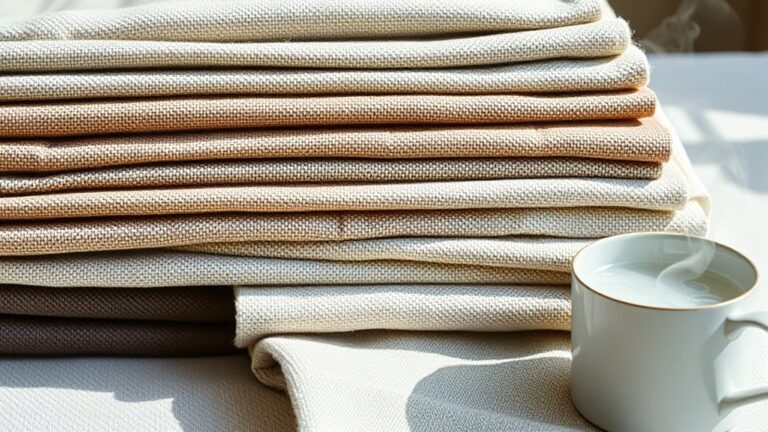
When you’re picking upholstery fabric for your furniture, you’ll want to think about durability first. After all, it needs to stand up to daily use, spills, and wear and tear. At the same time, you’ll want the fabric’s style and texture to match the vibe of your room. Getting the right fabric means your furniture will not only perform well over time but also look great too.
Fabric Durability Factors
Choosing upholstery fabric for furniture starts with durability, since the right material has to handle daily use, friction, spills, and sunlight without wearing out too quickly. You should check fabric composition first, because fibers like polyester, nylon, and tight cotton blends usually resist abrasion better than delicate options.
Look at rub counts and weave density, since a tighter structure often lasts longer under repeated sitting and movement. If you have pets or kids, you’ll want stain resistance and easy cleaning built in.
Follow simple maintenance tips: vacuum regularly, blot spills fast, and keep furniture away from harsh direct light. When you choose a fabric that fits your routine, you’ll extend its life and keep your furniture looking dependable longer.
Style And Texture Choices
Once durability is covered, you can focus on how the fabric looks and feels in your space. You’ll want upholstery that matches your room’s mood and your daily use. Smooth weaves create a clean, modern look, while nubby or plush textures add warmth and depth.
Pattern variations can help you hide wear or make a bold statement, depending on your style. Color combinations matter too because they can tie together your sofa, pillows, and wall art.
Choose subtle patterns for small rooms. Use rich textures to soften formal furniture. Pick colors that balance lighting and existing decor.
When you compare swatches, feel them in natural light and trust how they work with your lifestyle.
Technical Textiles for Special Jobs
Technical textiles handle jobs that ordinary fabrics can’t because they’re engineered for specific performance needs rather than appearance alone. You’ll find them in smart textiles, protective gear, filters, medical wraps, and industrial applications, where strength or resistance matters most.
When you choose them, you’re picking fabrics that can block heat, repel chemicals, manage moisture, or monitor conditions.
| Job | Fabric Feature | Why It Matters |
|---|---|---|
| Safety | Flame resistance | Protects you on hazardous sites |
| Health | Antibacterial finish | Helps keep surfaces cleaner |
| Industry | High tensile strength | Stands up to wear and stress |
You might wear them in a firefighter suit, use them in a hospital bandage, or rely on them in a factory conveyor belt. These textiles don’t just cover; they solve problems.
If you need fabric for demanding tasks, technical options give you reliable, purpose-built performance every time.
Frequently Asked Questions
How Should I Read Fabric Care Labels Correctly?
You should read fabric care labels from top to bottom, starting with the washing instructions and then checking drying, ironing, and bleaching notes. Match each fabric care symbol to its meaning before you clean the item, and don’t guess if a symbol looks unfamiliar.
Follow the label exactly because it tells you the safest water temperature, cycle, and drying method. When in doubt, choose the gentlest option to protect the fabric and keep garments looking newer.
Which Fabrics Are Best for People With Sensitive Skin?
You’ll usually feel best in cotton, silk, bamboo, and linen because they’re soft, breathable, and less likely to cause skin irritation. Choose hypoallergenic materials when you can; they help reduce itching, redness, and discomfort.
Avoid rough wool, scratchy synthetics, and heavily dyed fabrics if your skin reacts easily. Like a gentle breeze on a warm day, the right fabric can calm your skin and keep you comfortable all day.
How Can I Tell Natural Fibers From Synthetic Ones?
You can tell natural fibers from synthetic ones by checking the feel, burn test, and label. Natural fibers usually wrinkle more, absorb water, and smell like paper or hair when burned. Synthetic fibers often feel slick, stretch more, and melt into hard beads.
Use simple fiber identification techniques like looking under a magnifier or doing a wrinkle test to compare natural vs synthetic materials before you buy or wash anything.
What Fabrics Are Easiest to Recycle or Reuse?
You’ll find cotton, wool, linen, and silk easiest to recycle or reuse because they’re natural and often work well in recycling processes. You can also repurpose denim, old T-shirts, and plain wool sweaters into rags, insulation, stuffing, or new garments.
Sustainable fabrics like organic cotton and hemp are easier to handle too. Avoid blends when you can, since mixed fibers complicate recycling processes and limit reuse options.
Which Fabric Blends Offer the Best All-Season Comfort?
For all-season comfort, you’ll want cotton blends and wool blends. Cotton blends feel like a breathable breeze, keeping you cool in heat and comfortable daily. Wool blends act like a cozy shield, trapping warmth without overheating.
You can wear lighter cotton-rich fabrics in spring and summer, then switch to wool-rich blends in fall and winter. If you choose balanced blends, you’ll get softness, durability, and year-round versatility.
Conclusion
Now that you know these textile fabrics, you can choose the right one for every project and season. Cotton keeps you comfortable, polyester helps your clothes last, and linen, wool, denim, velvet, and upholstery each bring their own strengths.
Technical textiles go even further for special tasks. Remember, the right fabric can make all the difference. Just like a well-chosen thread in a strong seam, it holds everything together beautifully. Choosing the right fabric textile products ensures your creations look great and stand the test of time.