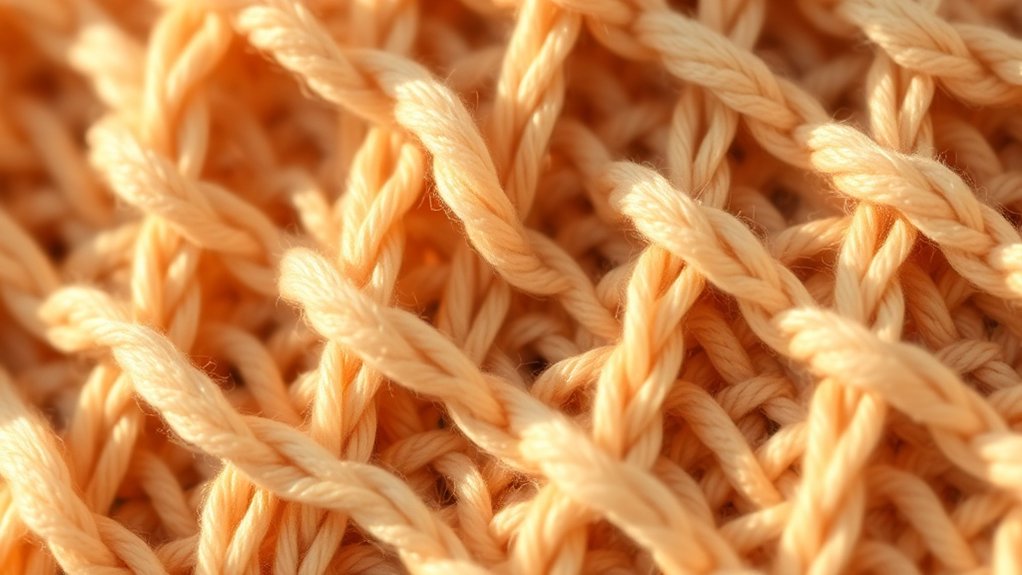
What Is Knitted Fabric?
Finding comfortable clothing that moves with you without feeling restrictive can be a real challenge. If you’ve ever struggled to find soft, stretchy fabrics that fit just right, you’re not alone. Many people look for materials that combine comfort, flexibility, and style effortlessly.
Knitted fabric is a textile you get by looping yarns together, which gives it stretch, softness, and comfort. You’ll often find it in T-shirts, sweaters, activewear, socks, and scarves because it drapes well and moves with your body. What Is Knitted Fabric.
It can be made as weft knit, warp knit, or rib knit, each with different stretch and stability. If you want to see how it’s made and where it works best, there’s more to investigate.
Key Takeaways
- Knitted fabric is made by looping yarns together, creating a stretchy, soft, and comfortable textile.
- It is commonly used in sweaters, T-shirts, activewear, socks, hats, and scarves.
- Weft knits run across the width, while warp knits run lengthwise and are usually more stable.
- Rib knit fabrics combine knit and purl columns for extra elasticity and a snug fit.
- Knitted fabric breathes well, drapes loosely, and feels less stiff than woven fabric.
What Is Knitted Fabric?

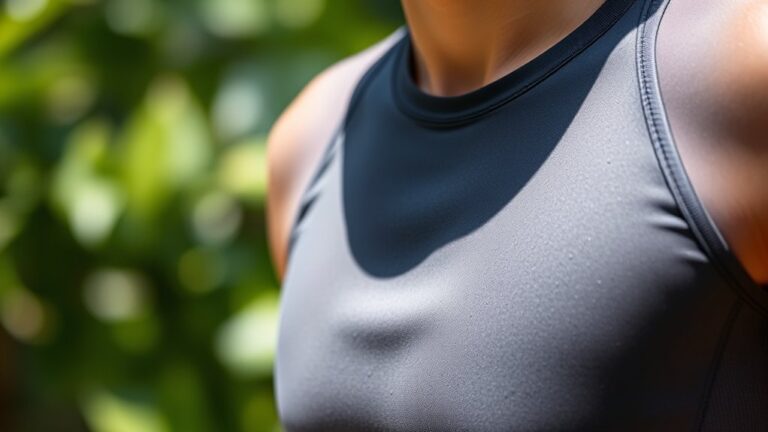
Knitted fabric is a textile made by looping yarns together, rather than weaving them in a crisscross pattern. When you choose it, you’re choosing a material with stretch, softness, and comfort that can adapt to your body.
The loops create built-in flexibility, so the cloth bends easily and recovers well after movement. You’ll find it in sweaters, T-shirts, socks, and activewear because its fabric properties suit everyday wear and performance.
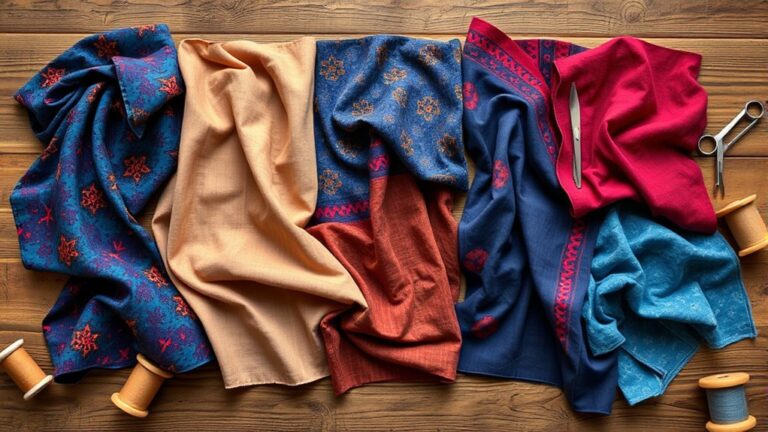
Its surface can look smooth, textured, lightweight, or thick, depending on the knit design you pick. That variety gives you many options for style and function.
Knitted fabric also drapes differently from woven cloth, often feeling more relaxed and less rigid. Because of this, you can use it for casual pieces, fitted garments, and layered outfits.
Its comfort and versatility make it a staple in modern wardrobes, and its structure gives designers room to experiment with shape, fit, and finish.
How Knitted Fabric Is Made
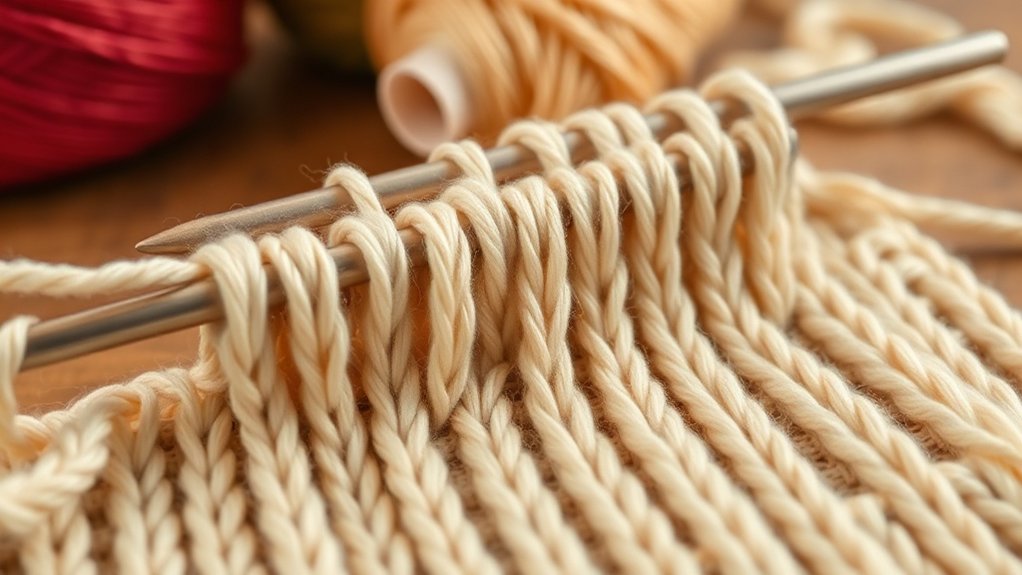
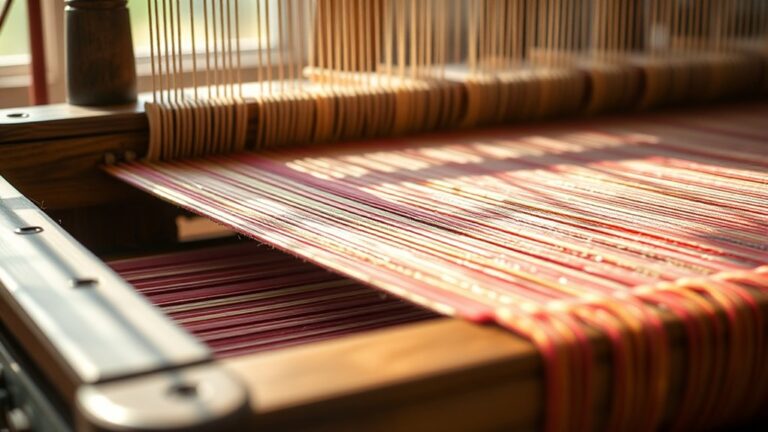
You start making knitted fabric by forming yarn into connected loops. These loops are what give the material its stretch and flexibility. There are two main ways to do this: weft knitting and warp knitting. Then, a knitting machine guides the yarn through repeated motions, building the fabric row by row. It’s pretty fascinating how those loops come together to create something so flexible!
Yarn Loop Formation
As yarn moves through a knitting machine or across needles by hand, it forms a series of interlocking loops that give knitted fabric its structure and stretch. You control this process by choosing yarn types and adjusting loop sizes, which affects softness, drape, and elasticity.
When you make each new loop, you pull it through the previous one, and the fabric grows row by row. Because the loops connect rather than lock tightly, the material can bend and recover easily.
Thicker yarn builds a bulkier cloth, while finer yarn creates a smoother, lighter surface. Tighter loops make a denser fabric, and looser loops increase give. This simple loop formation lets you shape knitwear with comfort, flexibility, and texture.
Weft And Warp
Knitting is built in two main directions: weft and warp. In weft knitting, you guide one yarn across the width of the fabric, and each new row links into the last. You can create flexible knit patterns that stretch easily and feel soft against your skin.
In warp knitting, you run many yarns lengthwise, and they interlock in parallel columns. This method gives you a steadier structure, tighter control, and less run risk. The direction you choose changes the fabric texture, drape, and resilience.
Weft styles usually feel more elastic, while warp styles often hold shape better. When you understand both, you can predict how a knitted fabric will behave before you cut, sew, or wear it.
Knitting Machine Process
At the knitting machine, yarn feeds through needles, loops form one after another, and the fabric grows row by row. You guide the yarn tension, choose machine types, and watch the needles interlock loops into a stable structure.
In circular machines, you get tubular cloth; in flat machines, you create panels for shaping. Your knitting techniques affect stretch, texture, and density, so every adjustment changes the final feel.
You can vary stitch size, yarn weight, and speed to control the result. As the machine repeats each cycle, it builds courses and rows quickly, far faster than hand knitting.
After knitting, you inspect the fabric, then finish it by washing, setting, or dyeing to improve appearance and performance.
Why Knit Fabric Feels So Comfortable

Knit fabric feels so comfortable because its loops give the material natural stretch, softness, and breathability. You feel that ease the moment it moves with your body instead of resisting it. The loops create tiny spaces that help air pass through, so you stay cooler and less restricted.
That airflow supports fabric breathability, while the flexible structure reduces rubbing and stiffness against your skin. You also get comfort factors like gentle give at the seams, a smooth drape, and a softer hand feel than many tightly woven materials.
Because the yarns form interconnected rows, the fabric can adapt to your shape without feeling tight. That makes it a smart choice when you want clothing that supports movement, everyday wear, and long-lasting comfort.
In short, knitted fabric works with you, not against you, and that’s why it often feels so easy to wear.
Common Types of Knitted Fabric
You’ll find that knitted fabrics usually fall into a few common types, each with its own structure and use. For instance, warp knit fabrics hold stitches in a lengthwise pattern. On the other hand, weft knit fabrics create rows across the fabric.
Then there are rib knit fabrics, which give you extra stretch and recovery. That’s why they’re a popular choice for things like cuffs, collars, and fitted garments.
Warp Knit Fabrics
Warp knit fabrics use yarns that run lengthwise through the fabric, with needles forming each stitch from adjacent warp yarns at the same time. You’ll notice this structure gives the fabric strength, stability, and a smooth surface.
| Feature | Result |
|---|---|
| Lengthwise yarns | Less stretch |
| Linked stitches | Better shape retention |
| Fine gauge | Sleek finish |
These warp knit benefits make the fabric useful when you need durability without bulk. You’ll find warp knit applications in lingerie, sportswear, netting, lace, and technical textiles, where precise control matters.
Because the loops interlock along the fabric’s length, you can trust it to resist runs better than many other knits. This makes warp knits a smart choice when you want performance, structure, and a clean look in one material.
Weft Knit Fabrics
Weft knit fabrics are the everyday workhorses of knitted cloth, built by forming loops across the width of the fabric rather than along its length. You’ll notice they stretch easily, drape softly, and feel comfortable against your skin. Their weft characteristics often include good flexibility, natural recovery, and a smooth surface that works well for everyday wear.
Because the loops run crosswise, you can produce these fabrics efficiently on circular or flat knitting machines. You’ll find weft applications in T-shirts, sweaters, leggings, and lightweight activewear, where comfort and movement matter most.
You should also expect them to be easier to unravel if damaged, so handling matters. Overall, weft knits give you a versatile, practical option for clothing that needs softness, stretch, and breathability.
Rib Knit Fabrics
Among the most useful weft-based structures, rib knit fabrics stand out for their elasticity and snug fit. You’ll notice alternating knit and purl columns that let the cloth stretch easily across its width while recovering well after wear.
These rib knit characteristics make the fabric ideal when you need comfort, shape retention, and a clean edge that resists curling. You can choose ribbing for cuffs, collars, waistbands, and fitted sweaters because it hugs the body without feeling restrictive.
In many rib knit applications, you get practical flexibility and a polished look at the same time. If you want fabric that moves with you and keeps its form, rib knit offers a reliable, versatile option for everyday garments and accessories.
Knit Vs. Woven Fabric
Knitted and woven fabrics may look similar at first glance, but they behave very differently. You’ll notice knit characteristics right away: loops of yarn create a softer, more flexible surface that feels comfortable against your skin.
Knitted fabrics stand out for their looped structure, creating a softer, more flexible feel against the skin.
Woven fabric uses threads crossing at right angles, so it usually feels firmer, smoother, and more structured. If you want clothing that drapes easily and moves with your body, knit often fits the bill. If you need crisp lines, better shape retention, or a more tailored look, woven offers clear woven advantages.
You’ll also find that knit fabrics often hide fit issues better, while woven fabrics can deliver sharper seams and cleaner edges. When you compare them, think about the garment’s purpose, the level of comfort you want, and the finish you expect.
Choosing between them isn’t about one being better; it’s about matching the fabric to the job.
How Knit Fabric Stretches and Springs Back
You’ll notice knit fabric stretches because its looped structure can open up and shift with movement. Those same loops help it spring back after the tension eases, giving it elastic recovery. So, this balance of give and rebound is what makes knits feel so comfortable and flexible.
Loop Structure Stretch
Because knit fabric is built from interlocking loops rather than tightly locked threads, it stretches easily when you pull it and then springs back when you let go. You feel that give because each loop can open, shift, and lean on neighboring loops.
Higher loop elasticity lets the cloth extend more, while stitch density changes how much space each loop has to move.
| Feature | Effect |
|---|---|
| Looser loops | More stretch |
| Tighter loops | Less stretch |
| Open structure | Easier movement |
| Dense structure | Firm feel |
When you tug the fabric, the looped structure distributes strain across many stitches, so you get comfort and flexibility without harsh resistance. That’s why knit items move with your body and feel forgiving in wear.
Elastic Recovery Action
When you stretch knit fabric, its loops lengthen and shift rather than snap out of place. Then the structure pulls itself back as the tension eases. You notice this elastic recovery action every time you move, because the yarns keep working together instead of fighting you.
These elastic properties give you comfort stretch, while strong stretch recovery helps the fabric hold shape after repeated wear. You can judge fabric resilience by checking how quickly it rebounds and how evenly it returns.
Designers use this behavior to improve design flexibility and tune performance attributes for activewear, tees, and layered garments. Durability factors matter too, since repeated stretching can weaken fibers.
During elasticity testing, you measure how much extension the fabric handles and how well it springs back.
Where Knitted Fabric Is Used
Knitted fabric shows up in a wide range of everyday items because it offers stretch, comfort, and breathability. You’ll spot it in clothing, accessories, and interiors because its fabric versatility supports both practical and stylish uses.
In fashion trends, you can choose knits for tees, dresses, sweaters, and seasonal styles that move with you. In performance wear, you benefit from flexible layers that support active movement and moisture control.
In home decor, you’ll find knit throws, cushions, and textured upholstery that add softness. Modern knitting techniques and textile innovations also support sustainable practices, letting brands reduce waste and create smarter materials.
- Casual apparel
- Athletic gear
- Accessories
- Home decor
You can also see knitted fabric in socks, scarves, hats, and baby items, where comfort matters most. Its adaptability makes it a staple across many settings and lifestyles.
How to Care for Knitted Fabric
To keep knitted fabric looking and feeling its best, wash it gently and handle it with care. Read the care label first, then choose cool water and mild detergent for most pieces. Use gentle washing techniques, whether you hand wash or select a delicate machine cycle, so the fibers stay relaxed and soft.
Turn garments inside out before washing to reduce surface wear, and keep similar colors together. After cleaning, press out excess water without twisting, then reshape the item while it’s damp.
Lay it flat to dry on a clean towel or rack since hanging can stretch the knit. Good fabric maintenance also means storing knits folded in a dry, breathable space instead of hanging them.
If you wear them often, air them out between uses and spot clean small marks promptly. With steady care, your knitted pieces can stay comfortable, neat, and ready to wear longer.
Common Knitted Fabric Problems and Fixes
A few common knitted fabric problems can show up with regular wear, but you can usually fix them quickly if you catch them early. Watch for pilling issues, especially in high-friction areas, and use a fabric shaver gently. For snag prevention, trim loose threads instead of pulling them.
If a loop slips, handle laddering repair right away by catching the run with a needle or hook.
- Improve stretch recovery by reshaping the garment after washing and drying it flat.
- Check seam stability; reinforce weak seams before they split under stress.
- Avoid gauge mismatch when mending, since uneven stitches can distort the surface.
- Limit color fading by using cool water and mild washing techniques.
When you care for knits consistently, you’ll preserve their look and feel longer.
How to Pick the Right Knit Fabric
When you’re picking the right knit fabric, start with how the garment needs to fit, drape, and stretch. For a fitted tee, choose a stable knit with enough recovery so it keeps its shape. For dresses or relaxed tops, select a softer knit that flows instead of clinging.
Check fabric weight, because lighter knits suit warm-weather layers, while heavier knits add structure and warmth. Feel the fabric with your hands and stretch it across the grain to see how it behaves.
If you’re sewing activewear, look for knits with strong stretch and bounce-back. Also consider fiber content, since cotton knits breathe well, while blends often resist wrinkles and shrinking.
Don’t forget color patterns, because bold prints can hide seams, while solids show design details more clearly. Always match the fabric to your pattern instructions, so you avoid frustration and get a finished piece that looks polished and feels comfortable.
Frequently Asked Questions
Can Knitted Fabric Be Recycled Easily?
Yes, you can usually recycle knitted fabric more easily than many blended textiles, especially if it’s made from a single fiber. You’ll get better sustainability benefits when you sort it cleanly and choose local recycling processes.
Still, you may face limits if it’s stretchy, heavily dyed, or mixed with synthetics. Check your recycler’s rules first because they’ll tell you whether they can reuse, mechanically recycle, or downcycle your knit items safely.
Does Knitted Fabric Shrink After Washing?
Yes, knitted fabric can shrink after washing, especially if you use heat or aggressive cycles. Think of a sweater left in the dryer like a sponge squeezed too hard. It tightens up fast.
You’ll reduce shrinkage by checking factors such as fiber content and knit structure, then using gentle washing techniques like cold water and air drying. If you treat it carefully, you’ll keep its shape and softness much longer.
Which Knitted Fabrics Are Best for Summer?
For summer, you’ll want knitted fabrics that breathe and feel light. Cotton knits, bamboo blends, and linen knits are your best lightweight options because they wick moisture and stay cool.
You can also choose open-weave jersey or mesh knits for airy summer styles. Avoid heavy acrylic or thick wool since they trap heat.
Pick fabrics with stretch and softness, and you’ll stay comfortable all season long.
Can Knitted Fabric Be Used for Upholstery?
Yes, you can use knitted fabric for upholstery, but you’ll want to choose the right type. Knitted upholstery can feel soft, flexible, and comfortable, yet fabric durability matters a lot for daily use.
You should pick a dense knit with strong fibers and good abrasion resistance. It’ll work best on low-traffic pieces or decorative furniture, since loose knits can stretch, snag, or wear faster than woven upholstery options.
How Do You Identify High-Quality Knitted Fabric?
You can spot high-quality knitted fabric by checking for even fabric construction and a smooth, resilient surface. Around 70% of buyers first judge textiles by touch, so start with a texture comparison: the best knits feel soft, balanced, and spring back after stretching.
You should also look for tight stitches, consistent color, minimal pilling, and strong edges. If it drapes well and keeps shape, you’ve likely found quality.
Conclusion
So, when you reach for knitted fabric, you’re choosing the textile world’s coziest overachiever: stretchy, breathable, and somehow always ready to forgive your bad posture. It’s made to move with you, not judge you.
Whether you’re dressing up, lounging around, or rescuing a sweater from the lint roller, you now know how knit fabric works and why it matters. Pick wisely, care kindly, and let your clothes do the flexing for once with knitted fabric.