How to Choose Clothing and Fabrics
Choosing the right clothing and fabrics can feel overwhelming, especially with so many options out there. You’re not alone—many people struggle to find pieces that fit well, feel comfortable, and suit their lifestyle.
But don’t worry, we’re here to help you navigate these choices with ease.
To choose clothing and fabrics, start with your lifestyle, comfort, and how often you’ll wear each piece. Check fabric content, fit, care labels, and durability, then match materials to the season: breathable natural fibers for heat, insulating layers for cold, and blends for easy care.
Feel the texture, test the drape, and choose colors and prints that flatter you. When you compare these basics, you’ll spot what truly works and what’s worth a closer look.
Key Takeaways
- Compare fabric content by choosing natural, synthetic, or blended materials based on comfort, breathability, and performance.
- Check fit, movement, and body shape alignment to ensure the clothing feels comfortable and looks flattering.
- Review care labels to understand washing, drying, ironing, and maintenance needs before buying.
- Assess durability and quality by examining stitching, seams, hems, weave tightness, and stretch recovery.
- Choose fabrics, colors, and prints that suit the season, lifestyle, and your personal style preferences.
Key Factors to Compare Before You Buy?
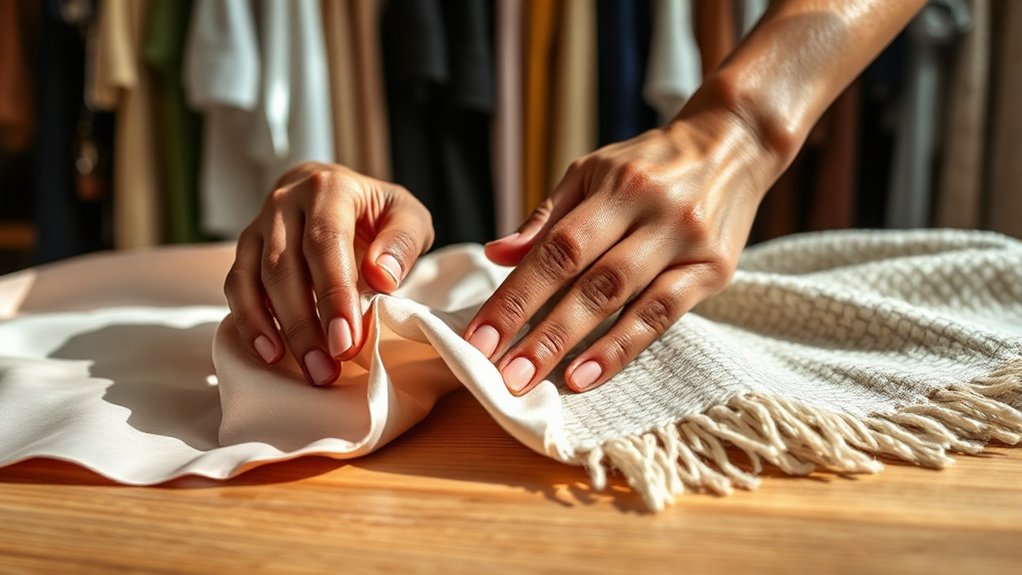
Before you buy, compare a few essentials: fabric content, fit, comfort, care instructions, durability, and price. You’ll make better choices when you read labels closely and check how the fabric feels against your skin. Natural fibers may breathe well, while blends can add stretch or wrinkle resistance.
Look for stitching, seam strength, and even hems, because those details often reveal how long a garment will last. Care instructions matter too; if you won’t wash or dry a piece properly, it may lose shape fast.
Strong stitching, solid seams, and even hems often signal a garment built to last.
Price should reflect quality, not just branding. When possible, notice whether a company mentions sustainable sourcing and ethical production, since those practices can signal better material choices and labor standards.
Compare similar items side by side, and don’t let trend appeal override practical value. If a garment fits well, wears comfortably, and holds up over time, you’ve likely found a smarter buy.
Start With Your Lifestyle Needs
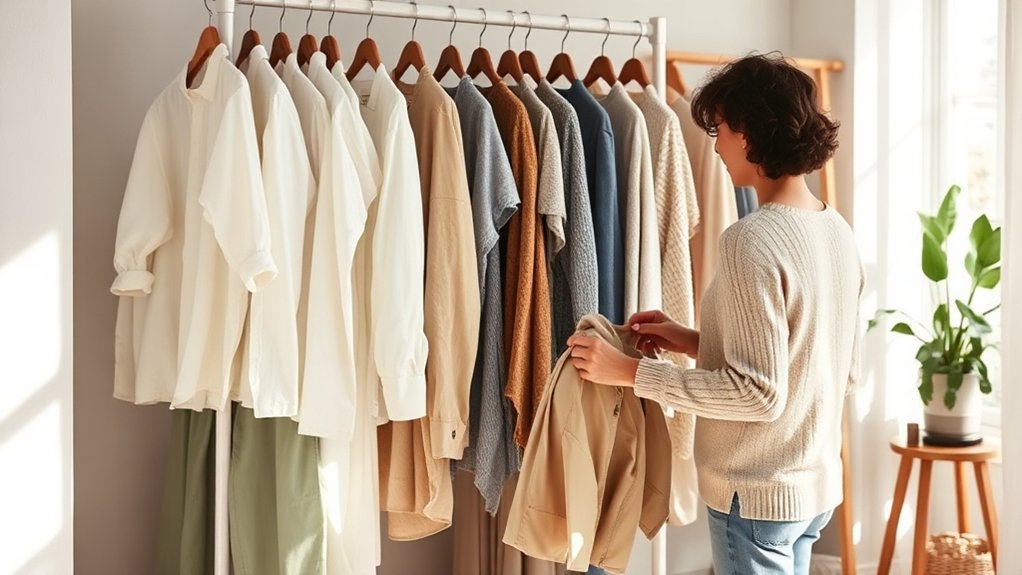
Start with how you actually live, because your clothing should fit your routine, not the other way around. If you have an active lifestyle, choose casual wear that moves with you and still looks polished.
When you need work attire, look for versatile pieces that adapt from meetings to errands without extra effort. For special occasions, keep one or two refined items that match your personal style and don’t sit unused.
Then consider:
- How often will you wear it?
- Does it fit your day-to-day needs?
- Can you maintain the fabric easily?
- Are there eco-friendly options that suit your values?
Choose Fabrics for the Season
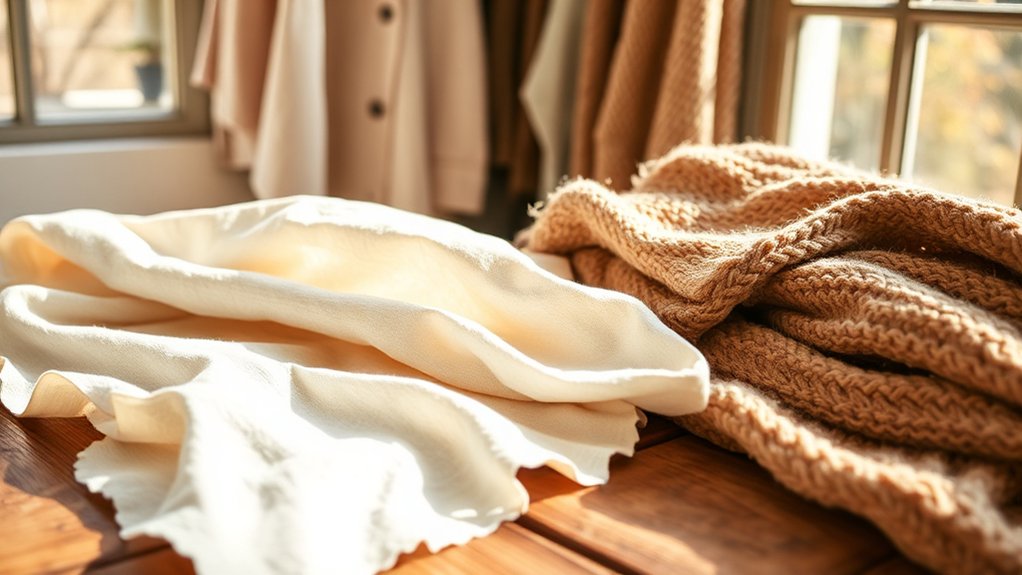
You’ll feel way more comfortable when you match your fabrics to the weather. So, in summer, go for lightweight, breathable materials that keep you cool. And in winter? Reach for warmer layers that trap heat.
Picking the right seasonal fabrics really helps you stay comfortable and look good all year round. It’s all about dressing smart for whatever the season throws at you!
Lightweight Summer Fabrics
When summer heat sets in, the right fabric can make all the difference in how comfortable you feel. You’ll stay cooler when you choose:
- breathable materials like cotton or linen for airflow
- moisture-wicking fabrics that pull sweat away fast
- quick-drying textiles with ease of washing for busy days
- sustainable options with colorfast qualities and UV protection
These choices help you dress well without feeling sticky or weighed down. You can also use lightweight layering to adjust for chilly mornings or air-conditioned spaces.
Pick fabrics that move with you, hold up to frequent wear, and keep their shape after washing. When you focus on comfort and function, your summer wardrobe works harder for you.
Warm Winter Layers
As the weather turns colder, your fabric choices should shift toward warmth, insulation, and comfort. You’ll want insulating materials like wool, cashmere, fleece, and quilted blends because they trap heat without feeling bulky.
Choose a base layer that wicks moisture, then add a midlayer for insulation, and finish with a shell that blocks wind and snow. Smart layering techniques let you adjust quickly as indoor and outdoor temperatures change.
Look for tightly woven fabrics, brushed textures, and linings that add softness and protection. Avoid thin cotton next to your skin, since it holds moisture and can leave you cold.
When you dress in layers, you stay warm, move easily, and keep your winter wardrobe practical, versatile, and comfortable all season long.
Compare Natural, Synthetic, and Blended Fabrics
When you compare fabrics, natural fibers often feel breathable and comfortable. They let air flow easily, which makes them great for staying cool.
On the other hand, synthetic options bring durability and easy care to the table. You might notice that synthetics sometimes trap heat or don’t feel as soft, but they handle wear and moisture much better.
Then there are blended fabrics, which give you a bit of both worlds. They balance comfort and toughness, so you can pick whatever fits your needs best.
Natural Fiber Benefits
Natural fibers often give you the best balance of comfort, breathability, and everyday wearability. When you compare natural, synthetic, and blended fabrics, you’ll notice these advantages:
- Comfort levels stay high because cotton, linen, and wool feel soft against your skin.
- Breathability features help air move, while temperature regulation keeps you cooler or warmer as needed.
- Their sustainability benefits and biodegradability factors make them strong eco friendly options.
- They can suit allergy considerations better, though dyeing processes and maintenance requirements still matter.
You’ll also appreciate how some natural fibers offer light moisture wicking properties without sacrificing feel. If you want clothing that works hard and wears well, natural fabrics often give you the most reliable everyday choice.
Synthetic Fabric Tradeoffs
Synthetic fabrics can be a smart choice if you need durability, stretch, and easy care, but they usually trade away some of the comfort and breathability you get from natural fibers. You’ll notice the synthetic fabric advantages most in activewear, outerwear, and wrinkle-resistant basics, where they dry quickly and hold shape well.
Still, they can trap heat, feel less soft, and sometimes build static or odors. You should also think about the environmental impact, since many synthetics come from fossil fuels and shed microplastics during washing.
Natural fabrics often feel cooler and more comfortable, while synthetics focus on performance and convenience. When you compare them, choose synthetics for function first and comfort second, especially if you value low-maintenance clothing.
Blended Fabric Balance
Blended fabrics aim for the middle ground, combining natural fibers for comfort with synthetics for durability, stretch, or easier care. You get a fabric that often wears better than pure cotton and feels softer than many synthetics.
Use this quick check:
- Natural fibers breathe well.
- Synthetic fibers resist wrinkles and dry fast.
- Blends usually reduce shrinkage and improve fit.
- You may trade some purity of feel for performance.
Those blended fabric advantages make them smart for daily wear, travel, and active pieces. Still, watch for blended fabric disadvantages: some blends pill, trap heat, or make recycling harder.
Compare labels, touch the cloth, and match the blend to your climate, routine, and comfort needs.
Pick Fits That Feel Comfortable
When you choose clothes, focus on how they move and feel on your body, not just how they look on the hanger. You’ll feel better in pieces that give you room to sit, reach, and breathe without pulling or pinching.
Pay attention to fabric stretch, because a little give can make a fitted garment feel easy instead of restrictive. Match the cut to your body shape so seams sit where they should and the garment follows your natural lines.
Try moving in every direction before you buy: raise your arms, bend, and walk a few steps. If the outfit stays comfortable, it’s more likely to become a favorite.
Avoid styles that ride up, twist, or squeeze, even if they’re trendy. Comfort helps you wear clothes with confidence, and that confidence often makes the whole look work better.
Check Fabric Durability First
Before you buy, check whether the fabric can handle regular wear without thinning, pilling, or tearing. You’ll save money and frustration when you choose materials with proven wear resistance and strong fabric longevity.
- Look for durability ratings on product labels or care tags.
- Ask whether the brand uses fabric testing for abrasion, seam stress, and stretch recovery.
- Compare quality indicators like tight weaves, consistent stitching, and colorfast finishes.
- Review maintenance requirements so you know whether washing, drying, or ironing will weaken the fabric.
You don’t need to guess which option lasts longer. Durable fabric keeps its shape, resists damage, and stays useful after repeated use. If a garment feels cheap or the seller can’t explain its testing standards, move on.
Understand Fabric Texture and Drape
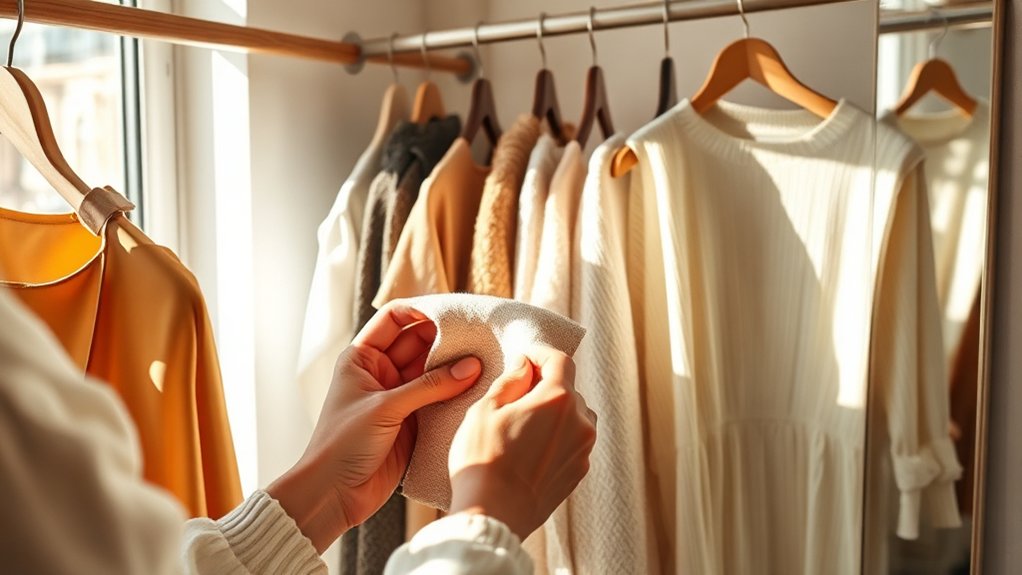
Feel the fabric first—texture really changes how comfortable and polished it feels against your skin. You’ll also want to pay attention to how it drapes. Some fabrics flow softly, while others hold their shape. Try to match that drape to the garment you’re choosing so the final piece looks and moves just the way you want.
Texture Feel
Texture matters because it changes how a garment looks, moves, and feels on your body. You’ll notice texture preferences quickly when you compare cotton, wool, silk, and linen. These tactile experiences shape your fabric sensations and guide smarter choices.
Pay attention to how touch influences your reaction, because sensory qualities can make one piece feel soothing and another irritating. Use feel comparisons to judge comfort factors before you buy. Texture importance shows up in daily wear, from smooth shirts to nubby sweaters.
- Rub the fabric on your wrist.
- Bend it and feel the surface.
- Hold it against your neck.
- Wear it for a minute.
Trust your hands and skin. They’ll tell you whether the fabric feels right for your style and routine.
How Fabric Drape Works
Once you’ve noticed how a fabric feels, look at how it hangs and moves on your body. That behavior is the drape definition: the way cloth falls, folds, and responds to gravity.
You can watch fabric movement by holding a swatch, lifting it, or letting it swing. Soft, fluid materials flow and curve, while stiffer ones keep shape and stand away from you.
Drape changes how light hits the surface, how seams settle, and how the cloth shifts when you walk. When you understand drape, you read a fabric’s personality before you buy it.
It helps you notice whether the material feels airy, structured, or somewhere in between, so you can make cleaner, smarter choices for your wardrobe.
Matching Drape To Garment
The right fabric drape depends on the garment you’re making. When you match drape characteristics to design, you elevate garment flow and movement ease. Heavier fabric weight supports structure, while lighter cloth adds softness and styling versatility.
- Choose crisp fabrics for shirts, jackets, and tailored skirts.
- Pick fluid fabrics for dresses, blouses, and wide-leg pants.
- Check how the fabric affects silhouette improvement before cutting.
- Test pattern placement and layering options to avoid surprises.
You’ll get better results when you think about how fabric falls, bends, and holds shape on your body. The right drape can make a simple pattern look polished, while the wrong one can hide details or distort fit.
Choose Colors and Prints That Work for You
When you choose colors and prints, think about what flatters your skin tone, fits your style, and suits the occasions you dress for. Warm complexions often glow in earthy reds, olive, and gold, while cool undertones can handle jewel tones, navy, and crisp white.
Use color psychology to shape how you feel and how others read you: calm blues suggest ease, red signals energy, and soft neutrals create polish.
Use color psychology to shape how you feel and how others read you: calm blues suggest ease, red signals energy, and soft neutrals create polish.
For prints, choose scale carefully. Smaller patterns usually feel subtle and versatile, while larger motifs make a stronger statement. If you mix patterns, keep one print dominant and let the others support it.
Strong print combinations work best when they share a color family or vary clearly in size. You can also use solid pieces to break up busy looks and create balance. Most importantly, wear colors and prints that make you feel confident, because confidence always sharpens your style.
Read Care Labels Before You Buy
Before you buy, check the care label so you know how much time, effort, and cost the garment will need. The tag tells you whether the piece fits your routine and your laundry habits. That’s where fabric care and label importance really matter.
Look for:
- Water temperature and wash cycle
- Drying instructions, like tumble dry or air dry
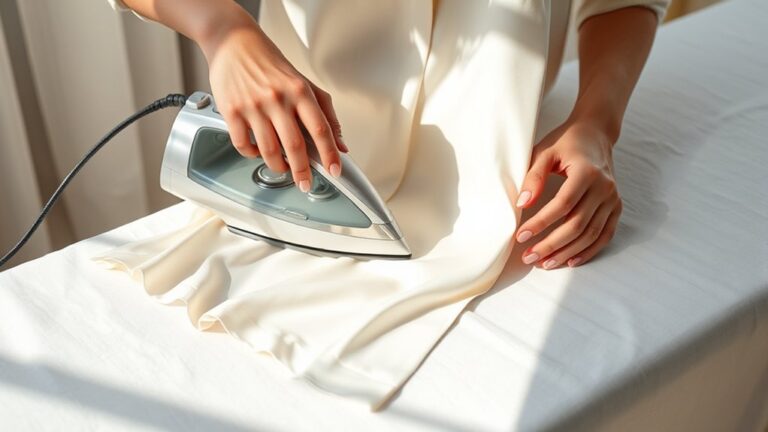
- Ironing needs and heat limits
- Dry-cleaning warnings or special handling
If you ignore these details, you may end up with extra chores or a damaged item. A shirt that needs gentle washing may suit you less than one you can toss in with your regular load.
When you read labels first, you make smarter choices and avoid surprises later. You’ll spend less time guessing and more time wearing clothes that match your life.
Build a Wardrobe That Lasts Longer
Once you know how a garment needs to be cared for, you can choose pieces that hold up better over time. Focus on timeless styles that won’t feel outdated after one season, and build around essential basics you can mix and match.
When you pick versatile pieces, you get more outfits from fewer items, which supports sustainable practices and saves money. Look for strong stitching, durable fabrics, and ethical sourcing, because quality materials usually wear better and age more gracefully.
Use color coordination to make your closet work harder, and choose a simple palette that lets you combine items easily. Add layering techniques so you can adapt the same clothes across seasons without buying excess.
Budget-friendly options can still last if you shop carefully, compare fabric blends, and avoid impulse buys. A thoughtful wardrobe should fit your life, reduce waste, and keep you looking polished for years.
Frequently Asked Questions
How Do I Tell if a Fabric Is Ethically Sourced?
You can tell a fabric’s ethically sourced when you check for traceable suppliers, fair labor practices, and third-party fabric certifications. Look for brands that disclose where the fibers come from and how workers’re treated.
Ask whether they use sustainable materials, recycled content, or organic fibers. If a company shares clear audits, wages, and certifications, you’re more likely choosing fabric made with people and the planet in mind.
What Fabrics Are Best for Sensitive Skin Allergies?
For sensitive skin allergies, you’ll usually do best with natural fibers like organic cotton, silk, bamboo, and linen. These fabrics breathe, wick moisture, and often irritate less than synthetics. Seek hypoallergenic options without harsh dyes, finishes, or chemical treatments.
In a moonlit medieval market of textures, you’d feel the difference fast. Test new clothes on a small area first, and choose soft, loose weaves to reduce friction and itching.
Can I Tell Quality From a Garment’s Stitching Alone?
No, you can’t tell quality from stitching alone, but it’s a strong clue. You should look for even seams, tight stitches, matching patterns, and neat finishes as quality indicators.
Good stitching techniques reduce puckering and loose threads, yet fabric, construction, and hardware matter too. You’ll get a better read if you also inspect hems, buttons, zipper action, and seam reinforcement before you decide a garment’s worth.
Which Clothing Styles Suit Different Body Shapes Best?
If you’re pear-shaped, you can balance your look with A-line skirts and fitted tops. You should follow body shape guidelines to highlight your waist and elongate your frame.
For apple shapes, choose wrap dresses or V-necks that create flattering silhouettes without clinging.
If you’re hourglass, tailored pieces work well, while rectangles often shine in belted styles. You don’t need rules as strict limits. Use them to feel confident.
How Often Should I Replace Worn-Out Wardrobe Basics?
You should replace worn-out wardrobe basics as soon as they lose shape, develop thin spots, or stop feeling comfortable. For most staples, that’s every 1 to 3 years, but your wardrobe longevity depends on how often you wear them and how you wash them.
Keep budget considerations in mind by replacing only the pieces that affect fit, comfort, or appearance most. Repair the rest when you can.
Conclusion
When you choose clothing and fabrics with care, you balance comfort with style, and practicality with personality. You can reach for breathable cotton on a hot day, then wrap yourself in a warm wool blend when the air turns sharp.
Soft drape and easy care can sit beside bold color and rich texture, creating a wardrobe that feels both lived-in and polished. When you compare what looks good with what works, you build pieces that last.
Choosing the right clothing and fabrics helps you create a collection that’s both functional and fashionable. It’s all about finding that perfect balance to suit your lifestyle and taste.