What Is Stretchy Material?
Struggling to find clothes that move with you instead of against you? You’re not alone. Many people face the frustration of fabrics that feel stiff, restrict movement, or lose shape after a few wears. That’s why stretchy material has become a game changer for comfort and style.
Stretchy material is designed to bend, stretch, and snap back, keeping you comfortable and mobile. It relies on fibers like spandex, nylon, polyester, or elastane that elongate without losing shape. These fibers are woven or knitted to allow flexibility, making fabrics durable and vibrant.
Natural fibers like cotton or wool stretch less and recover slower. Choosing the right stretchy fabric depends on your needs, care, and style. Keep exploring to see how these versatile materials work and evolve.
Key Takeaways
- Stretchy material contains elastic fibers like spandex, elastane, nylon, or polyester that allow fabrics to stretch and recover their shape.
- These materials use knitted or specially woven structures to enable fiber elongation without breaking.
- Synthetic fibers provide superior stretch, durability, and color retention compared to natural fibers.
- Stretchy fabrics maintain shape through polymer chains that realign and snap back after stretching.
- They offer comfort, flexibility, and durability, commonly used in sportswear and active clothing.
What Makes a Material Stretchy and Flexible?

How does a material stretch and bend without breaking? You’ll find that stretchy materials rely on their fiber structure and weave. When you pull on fabrics with elasticity, the fibers elongate and then snap back to their original shape.
This flexibility comes from the way fibers are spun and knitted, allowing them to move without snapping. Curiously, the processes of fabric dyeing and textile printing don’t just add color—they must also accommodate the fabric’s stretch.
If the dyes or prints are too rigid, they’ll crack or peel when the fabric stretches. That’s why manufacturers use special dyes and printing techniques that bond well with flexible fibers, maintaining both vibrant colors and stretchability.
Common Fibers in Stretchy Fabrics

Although many fibers can stretch to some degree, certain ones are specially prized for their elasticity and durability in fabrics. When you choose stretchy materials, fibers like spandex, nylon, polyester, and elastane stand out.
These fibers maintain their shape even after repeated stretching, making them ideal for activewear and other stretchy garments. Plus, they respond well to fabric dyeing and textile printing, allowing vibrant colors and patterns to stay intact despite constant movement.
Here’s a quick look at common stretchy fibers:
| Fiber | Stretch Capacity | Fabric Dyeing & Printing |
|---|---|---|
| Spandex | Up to 500% | Holds color well, resists fading |
| Nylon | Moderate | Absorbs dyes deeply, vibrant prints |
| Polyester | Moderate | Excellent for textile printing, colorfast |
| Elastane | High | Retains prints, boosts fabric durability |
Understanding these fibers helps you pick the right stretchy fabric for your needs.
Natural vs. Synthetic Stretchy Fibers

You’ll find both natural and synthetic fibers in stretchy fabrics, and each has its own unique qualities. Natural fibers like cotton and wool are known for their comfort. On the other hand, synthetics such as spandex offer superior stretch and recovery. So, let’s take a closer look at how these fibers perform and why they’re popular choices.
Common Natural Fibers
When exploring stretchy materials, you’ll find that natural fibers like wool, cotton, and silk offer unique elasticity compared to synthetic alternatives. Their stretchiness comes from their fiber structure and historical development, which has influenced how we use them today. Plus, eco friendly innovations are enhancing their natural properties, making them more durable and flexible without harming the environment.
Here are three common natural fibers known for their stretch:
- Wool Its crimped fibers allow it to stretch and return to shape, ideal for warm, stretchy clothing.
- Cotton While less stretchy, cotton blends can offer moderate elasticity and breathability.
- Silk Naturally resilient and slightly elastic, silk provides a smooth, flexible feel.
These fibers combine tradition with modern sustainability efforts to keep stretchy materials natural.
Popular Synthetic Fibers
Since synthetic fibers are engineered for specific qualities, they often outperform natural fibers in stretch and durability. You’ll find popular synthetic fibers like spandex, nylon, and polyester widely used because they provide excellent elasticity and resilience.
The historical development of these fibers began in the early 20th century, transforming textiles with materials that could stretch and recover without losing shape. Today, you can also explore eco friendly alternatives such as recycled polyester and bio-based spandex, which aim to reduce environmental impact without sacrificing performance.
These innovations show how synthetic fibers continue evolving, giving you options that blend functionality with sustainability. When choosing stretchy materials, synthetic fibers offer you reliable, long-lasting stretch that natural fibers sometimes can’t match.
Fiber Stretch and Recovery
Although natural fibers like cotton and wool offer some stretch, synthetic fibers such as spandex and nylon deliver superior elasticity and recovery. This makes them better suited for garments that need to maintain their shape. Understanding fiber stretch and recovery helps you choose the right material for your needs. Here’s what sets them apart:
- Natural fibers stretch less and recover slower, which may cause garments to lose shape after wear.
- Synthetic fibers, developed through historical development in polymer science, provide excellent stretch and snap-back.
- Eco-friendly alternatives are emerging, combining natural fiber benefits with synthetic-like recovery. They offer sustainability without sacrificing performance.
How Spandex and Elastane Make Fabrics Stretchy
If you want to know why spandex fibers stretch so well, it helps to understand how they’re made. Elastane has a unique structure that lets fabrics stretch and snap back without losing their shape. So, you end up with clothes that move with you and stay comfortable all day long.
Spandex Fiber Composition
When you wear fabrics made with spandex or elastane, you benefit from their unique fiber composition that allows the material to stretch and then snap back to its original shape. These fibers are created through specialized manufacturing processes that combine polyurethane with flexible segments. This structure gives spandex its incredible elasticity and resilience.
Here are three key points about spandex fiber composition:
- Spandex is made from long-chain synthetic polymers that provide high stretchability.
- During fabric dyeing, spandex’s chemical makeup ensures color adherence without compromising elasticity.
- The manufacturing processes control fiber thickness and strength, balancing comfort and durability.
Understanding these factors helps you appreciate why spandex and elastane are essential in stretchy fabrics you wear daily.
Elastane Stretch Mechanism
The unique fiber composition of spandex sets the stage for its remarkable stretchiness. When you stretch elastane fibers, their long polymer chains straighten and align, then snap back when released. This elasticity comes from the segmented structure of hard and soft domains within the fiber, allowing it to extend without breaking.
During fabric dyeing, elastane’s chemical resistance guarantees the color penetrates evenly without harming its stretch properties. When you consider textile recycling, the presence of elastane can complicate the process because its synthetic nature resists breakdown. However, advancements in recycling technologies are improving the ability to separate and reuse elastane blends.
Understanding this stretch mechanism helps you appreciate why spandex fabrics maintain shape and comfort even after repeated wear and washing.
Benefits of Stretchy Fabrics
How do spandex and elastane transform ordinary fabrics into stretchy, comfortable materials? These fibers add incredible flexibility, allowing fabric to move with you. You’ll notice this especially in fashion trends where fit and comfort go hand in hand.
Plus, incorporating spandex or elastane doesn’t interfere with fabric dyeing, so colors stay vibrant and true.
Here are three key benefits you’ll enjoy with stretchy fabrics:
- Enhanced mobility, letting you move freely without restriction.
- Better shape retention, so your clothes keep their fit longer.
- Improved comfort, as the fabric adapts to your body’s contours.
Knitting and Weaving Effects on Stretch
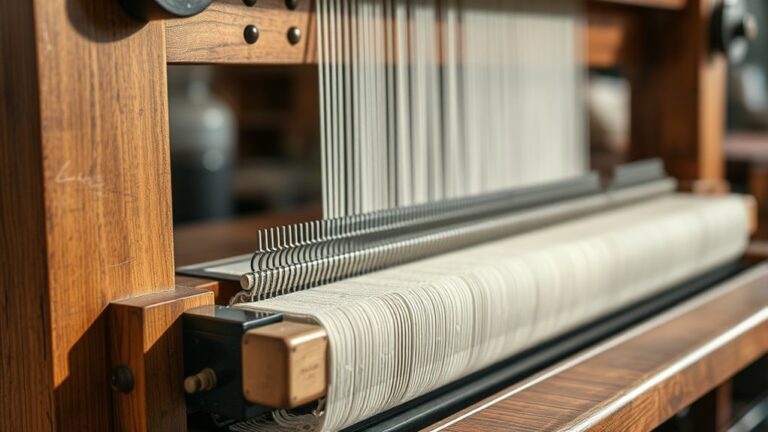
Although knitting and weaving both form fabric, they create very different stretch characteristics that you’ll notice as soon as you handle the material. Knitted fabrics are made by looping yarns together, which naturally allows for more flexibility and stretch. This makes knitted materials popular in fashion trends focused on comfort and movement, like activewear and casual clothing.
On the other hand, woven fabrics are created by interlacing yarns at right angles, producing a more rigid structure with limited stretch unless elastic fibers are added.
You’ll also want to weigh the environmental impact when choosing between these fabrics. Knitting often uses less energy during production due to its simpler machinery and can reduce waste since offcuts are minimal. Weaving, while sometimes more durable, can generate more fabric scraps and requires more intensive processing.
Understanding these differences helps you pick the right stretchy material for your needs while staying mindful of sustainability.
How Stretchy Fabrics Keep Their Shape
When you wear stretchy fabrics, you might wonder what helps them bounce back after being stretched. The secret lies in the fabric’s structure and treatment, which work together to maintain its shape. Here’s how it happens:
- Elastic Fibers: Materials like spandex or elastane are woven into the fabric. This gives it the ability to stretch and return to its original form without damage.
- Fabric Dyeing Techniques: Special dyeing methods not only add color but also strengthen fibers. This helps maintain elasticity and prevents sagging over time.
- Textile Branding Standards: Trusted brands ensure their stretchy fabrics meet quality benchmarks. They combine fiber blends and finishing processes that lock in shape retention.
Benefits of Stretchy Fabrics for Clothes and Sportswear
Knowing how stretchy fabrics keep their shape helps you appreciate the benefits they bring to your wardrobe and activewear. These materials offer comfort, flexibility, and durability, making them ideal for everyday clothes and intense sports activities.
Plus, they adapt well to fashion trends, allowing you to stay stylish without sacrificing mobility. Stretchy fabrics also address sustainability concerns by reducing the need for frequent replacements due to wear and tear.
Here’s a quick look at what stretchy fabrics offer:
| Benefit | Everyday Clothes | Sportswear |
|---|---|---|
| Comfort | Soft, breathable | Moisture-wicking |
| Flexibility | Fits various shapes | Supports dynamic movement |
| Durability | Resists stretching out | Maintains shape after use |
| Fashion Trends | Versatile designs | Trendy, functional styles |
| Sustainability | Longer garment life | Eco-friendly fabric blends |
With these advantages, stretchy fabrics make your clothing choices smarter and more sustainable.
Choosing the Right Stretchy Material
How do you pick the best stretchy material for your needs? Start by thinking about what you want from the fabric. Different stretchy materials serve different purposes, so knowing your priorities really helps.
Here are three key factors to guide your choice:
1. Stretch and Recovery
Look for fabrics with a good balance of stretch and recovery. Materials like spandex offer excellent elasticity, while blends with cotton give softness and durability.
2. Fabric Dyeing Compatibility
Choose materials that accept dyes well, especially if you want vibrant colors. Some synthetic fibers resist dyes, so check this to avoid dull or uneven colors.
3. Sustainable Sourcing
Opt for fabrics produced with sustainable sourcing methods. This supports eco-friendly practices and makes sure your stretchy material is kinder to the environment.
Care Tips for Stretchy Fabrics
Wondering how to keep your stretchy fabrics looking their best? Start by washing them in cold water on a gentle cycle to prevent damage and maintain elasticity. Avoid bleach and fabric softeners, as they can break down fibers and reduce stretch over time. Air drying is your best bet. Skip the dryer to prevent heat from degrading the material. Following these care tips not only preserves your favorite pieces but also aligns with current fashion trends that emphasize durability and mindful consumption.
Sustainability concerns play a big role here, too. Proper care extends the life of stretchy garments, reducing the need to replace them frequently and minimizing textile waste. When you treat stretchy fabrics gently, you support eco-friendly practices by lessening your environmental footprint. So, take the time to care for your stretchy wardrobe thoughtfully. It’s good for your style and the planet.
Innovations Shaping Stretchy Textiles’ Future
Taking good care of your stretchy fabrics is just one part of the story. Innovations shaping stretchy textiles’ future are rooted in historical developments that transformed simple elastic fibers into smart materials. You’ll see exciting advances aimed at reducing environmental impacts while boosting performance.
Here are three key innovations to watch:
- Biodegradable Elastomers: These new fibers break down naturally, cutting landfill waste from synthetic stretch materials.
- Recycled Stretch Fabrics: Manufacturers now use post-consumer plastics to create stretchy textiles, lowering reliance on virgin resources.
- Smart Stretch Materials: Embedded sensors and responsive fibers adapt to your movements and temperature, enhancing comfort and utility.
Frequently Asked Questions
How Do Stretchy Materials Impact Skin Sensitivity or Allergies?
Stretchy materials can impact your skin sensitivity by increasing skin irritation, especially if you wear them tightly or for long periods. They trap sweat and heat, which can worsen irritation or cause rashes.
If you’re prone to allergies, certain stretchy fabrics with synthetic fibers or chemical treatments may raise your allergy risk. To minimize problems, choose breathable, hypoallergenic stretchy materials and wash new clothes before wearing them to reduce potential allergens.
Can Stretchy Fabrics Be Recycled or Are They Environmentally Friendly?
You might think stretchy fabrics dance endlessly in recycling processes, but they often slip through the cracks. While some can join the recycling parade, many blend synthetic fibers that challenge typical recycling methods.
This means their environmental impact can be heavier than you’d expect. To reduce your footprint, look for brands using eco-friendly stretchy materials or those embracing innovative recycling techniques to help keep the planet’s rhythm in harmony.
What Are the Best Stretchy Materials for Underwater Activities?
For underwater activities, you’ll want stretchy materials like neoprene or spandex blends. These fabrics offer excellent water resistance, keeping you comfortable and protected.
Neoprene especially excels because it’s durable and undergoes rigorous durability testing to guarantee it can handle pressure and movement underwater. You’ll appreciate how these materials maintain flexibility without sacrificing strength, making your underwater experience smoother and more enjoyable.
How Do Stretchy Fabrics Behave in Extreme Temperatures?
When temperatures plunge or soar, stretchy fabrics don’t always play nice. They can lose their snap like a rubber band left in the sun. You’ll notice a dip in fabric durability as extreme cold makes fibers brittle, while heat can weaken elasticity.
However, some fabrics boast impressive temperature resilience, letting you move freely without worry. Choose wisely, or your gear might stretch you too thin in harsh conditions.
Are There Stretchy Materials Suitable for Medical Compression Garments?
Yes, you’ll find stretchy materials perfect for medical compression garments. These fabrics offer excellent fiber elasticity, allowing them to stretch comfortably while applying the right pressure.
Plus, their stretch recovery ensures they bounce back to shape after wear, maintaining consistent compression over time. When you choose materials with strong fiber elasticity and reliable stretch recovery, you get garments that support circulation and healing without losing effectiveness or comfort.
Conclusion
Now that you know what makes materials stretchy, imagine the possibilities when you choose the right fabric. Whether natural or synthetic, the way fibers blend and the fabric’s construction can change everything.
But here’s the twist: the future of stretchy textiles is evolving faster than you think, with innovations that could completely transform comfort and performance. Are you ready to investigate what’s next in stretchy fabrics? The best is yet to come with stretchy material.