Fabrics That Should Not Be Dry Cleaned
Struggling to keep your delicate clothes looking fresh and beautiful? You’re not alone. Many people find themselves confused about how to care for fabrics like silk or wool without ruining them.
Choosing the wrong cleaning method can lead to costly damage, which is why knowing what fabrics to avoid dry cleaning is so important.
You shouldn’t dry clean delicate fabrics like silk, wool, cashmere, linen, or embellished textiles because harsh chemicals and heat can cause shrinkage, stiffness, discoloration, and fiber damage.
These materials lose their texture and strength when exposed to solvents, often leading to fading and brittleness.
Instead, hand washing and air drying preserve their color and shape better.
If you want to protect your clothes, understanding why these fabrics need special care can really help.
Key Takeaways
- Silk fabrics weaken, discolor, and lose sheen when exposed to dry cleaning chemicals.
- Wool and cashmere shrink and become rough due to heat and agitation in dry cleaning.
- Linen fibers become brittle, discolored, and lose texture after dry cleaning exposure.
- Velvet and embellished fabrics risk pile flattening, bead loss, and fiber weakening from dry cleaning.
- Delicate synthetics and loosely woven textiles may unravel, shrink, or weaken with harsh dry cleaning solvents.
Why Some Fabrics Can’t Handle Dry Cleaning
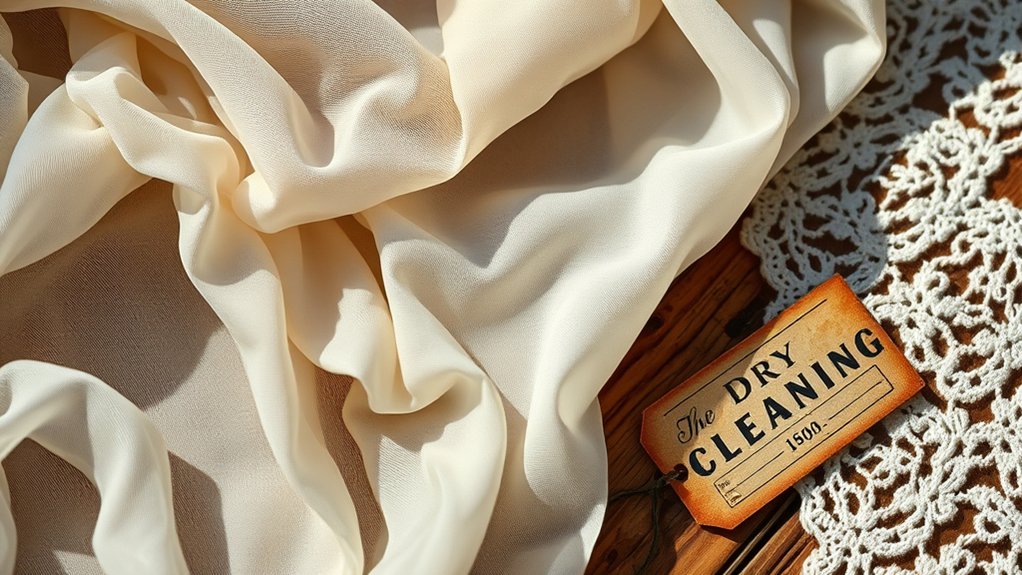
Although dry cleaning is a popular method for cleaning delicate clothes, some fabrics simply can’t handle the process. When you choose dry cleaning, you rely on solvents rather than water, which can be harsh on certain materials.
Fabrics with low fabric durability, like some wools or delicate synthetics, may weaken or lose their texture after repeated exposure to these chemicals. You might not realize it, but the solvents can strip away oils that keep fibers flexible, causing brittleness or even shrinkage.
Moreover, if a fabric has natural stain resistance, such as some treated cottons or synthetics, dry cleaning might not be necessary and could actually reduce that protective quality. So, it’s important to consider the nature of the fabric before deciding on dry cleaning.
Understanding fabric durability and stain resistance will help you avoid damage and keep your garments looking their best for longer.
Why Dry Cleaning Can Damage Silk Fabrics

When considering which fabrics to dry clean, silk stands out as one you should approach with caution. Silk is a delicate natural fiber produced by silk moths, and its fabric weave is fine and sensitive.
Dry cleaning solvents can weaken the fibers, causing loss of strength and sheen. The process may also affect the dye, leading to discoloration or spotting. Because silk’s fabric weave is so tight and fragile, harsh chemicals can disrupt its structure, resulting in stiffness or shrinkage.
Here’s a quick overview:
| Issue | Impact on Silk |
|---|---|
| Chemical Solvents | Fiber weakening, loss of luster |
| Fabric Weave Stress | Distortion, stiffness |
| Dye Sensitivity | Discoloration, spotting |
| Silk Moths Origin | Natural fragility of fibers |
To protect your silk garments, consider hand washing or using specialized silk detergents instead of dry cleaning.
Why Wool and Cashmere Often Shrink With Dry Cleaning

Why does dry cleaning often cause wool and cashmere to shrink? The main culprit is the way these fibers react to moisture and heat during the dry cleaning process. Wool shrinkage happens because the scales on wool fibers can lock together when exposed to heat, moisture, and agitation, causing the fabric to tighten and shrink.
Cashmere felting is similar but even more delicate. When exposed to harsh solvents and heat, the fine cashmere fibers mat together, resulting in irreversible shrinkage and a rough texture. You might think dry cleaning protects these fabrics, but the chemicals and conditions can actually trigger these reactions.
To avoid damaging your wool and cashmere, it’s best to opt for gentle hand washing or professional wet cleaning methods designed specifically for delicate fibers. This way, you preserve softness, shape, and size without risking shrinkage or felting.
What Makes Linen Risky to Dry Clean?
You need to be careful with linen because its fibers are sensitive to the harsh chemicals used in dry cleaning. These chemicals can actually weaken the fabric, making it lose both strength and texture. So, knowing this risk is pretty important—it helps you figure out when it’s better to skip dry cleaning your linen items.
Linen Fiber Sensitivity
How does linen’s unique fiber structure make it risky to dry clean? Linen’s fiber composition includes long, stiff cellulose fibers that provide impressive linen durability but also create sensitivity to harsh cleaning methods.
When you dry clean linen, the solvents can weaken these fibers, causing them to lose strength and become brittle over time. Unlike cotton, linen fibers don’t have much elasticity, so they’re less forgiving when exposed to chemical stress or aggressive agitation.
This sensitivity means you risk damaging the fabric’s integrity, leading to premature wear and tear. To preserve linen’s natural strength and lifespan, it’s better to avoid dry cleaning and opt for gentler washing techniques that respect its fiber composition and maintain its durability.
Chemical Reaction Risks
Although linen offers great durability, its fibers can react negatively with the chemicals used in dry cleaning solvents. You might think linen’s fiber resilience makes it safe, but its chemical stability is lower than you expect.
Dry cleaning solvents can weaken the fiber structure, causing discoloration or brittleness over time. This risk makes linen tricky to handle in professional cleaning.
| Chemical Aspect | Effect on Linen |
|---|---|
| Solvent Interaction | Fiber weakening |
| Residual Chemicals | Yellowing or staining |
| Fiber Breakdown | Loss of strength |
| Surface Texture | Roughness or pilling |
To protect your linen garments, avoid dry cleaning and opt for gentle hand washing or specialized care that preserves its chemical stability and fiber resilience.
Why Rayon and Viscose Lose Shape During Dry Cleaning
Since rayon and viscose are made from natural cellulose fibers, they tend to absorb the chemicals used in dry cleaning, causing the fabric to swell and weaken. When these fabrics swell, their delicate structure loses integrity, which directly affects fabric durability.
You’ll notice that the fibers become more prone to stretching and distortion, making your garment lose its original shape. Unlike sturdier fabrics, rayon and viscose don’t respond well to the aggressive solvents in dry cleaning, which can strip away the finish that holds the fibers together.
If you want to maintain the look and feel of rayon or viscose, it’s best to consider gentler cleaning methods, like hand washing with mild detergent or air drying flat to prevent stretching. These methods help preserve fabric durability and keep your clothes looking fresh longer.
Avoiding dry cleaning is key since the process compromises the fabric’s structure, leaving your favorite pieces misshapen and weakened.
Why Velvet and Suede Don’T Do Well With Dry Cleaning
Just like rayon and viscose, velvet and suede are sensitive to the chemicals used in dry cleaning, but for different reasons. When you dry clean velvet, the harsh solvents can damage the velvet texture, flattening its delicate pile and leaving it looking dull and lifeless.
The process also risks shrinking or distorting the fabric, ruining its luxurious feel. Suede, on the other hand, suffers because dry cleaning chemicals strip away natural oils essential to its durability. This causes suede to become stiff, brittle, and prone to cracking over time.
If you want to maintain your suede’s softness and strength, avoid dry cleaning. Instead, spot clean with a damp cloth or use a specialized suede brush.
Why Beaded and Embellished Fabrics Should Avoid Dry Cleaning
When you send beaded and embellished fabrics to the dry cleaner, the harsh chemicals and agitation can loosen or damage delicate decorations. Beaded fabrics, with their intricate attachments, are especially vulnerable. The beads might fall off or become dull, ruining the garment’s appearance.
Embellished textiles often feature sequins, embroidery, or other fragile adornments that dry cleaning solvents can weaken or discolor. The mechanical action inside dry cleaning machines adds stress, causing threads that hold beads or embellishments to break.
You might think dry cleaning is a safe option, but it can strip away the luster and compromise the integrity of these fabrics. Instead, treating beaded and embellished textiles gently at home or seeking specialized cleaning methods can preserve their beauty.
Avoiding dry cleaning helps keep your delicate decorations intact, ensuring your garments maintain their original charm and craftsmanship for longer.
How Hand Washing Protects Delicate Natural Fibers
Although dry cleaning may seem convenient, hand washing offers a gentler approach that preserves the delicate structure of natural fibers like wool, silk, and cashmere. When you hand wash these fabrics, you control the water temperature and avoid harsh chemicals, which can break down fibers and cause shrinkage or stiffness.
Natural fibers are sensitive to agitation and heat, so hand washing lets you treat them with care, gently loosening dirt without damaging their softness or shape. You’ll also reduce the risk of color fading since hand washing uses milder detergents specifically designed for delicate materials.
Plus, this method prevents the buildup of residues that dry cleaning solvents may leave behind. By hand washing, you extend the life of your natural fiber garments, keeping them looking fresh and feeling comfortable longer. It’s a simple, effective way to protect your delicate fabrics while maintaining their natural beauty.
Why Air Drying Preserves Color Better Than Dry Cleaning
You’ll find that air drying treats your fabrics much more gently. It helps them keep their original color longer. Unlike dry cleaning, which uses harsh chemicals, air drying avoids stripping dyes from the fibers. So, by choosing air drying, you’re protecting your clothes from fading and extending their vibrant look.
Gentle Fabric Care
Since dry cleaning involves harsh chemicals and high heat, it can quickly dull the vibrant colors of your fabrics. To protect fabric durability, you should opt for gentle fabric care methods like air drying after a mild wash.
Cleaning solvents used in dry cleaning may weaken fibers over time, causing your clothes to lose their shape and brilliance. When you air dry, the absence of heat and chemicals helps maintain the integrity of the fabric, preserving both texture and color.
You’ll also reduce the risk of shrinkage or damage that often occurs with dry cleaning. By handling your garments with care, you extend their lifespan and keep them looking fresh.
Color Fading Prevention
Taking extra care with how you dry your clothes directly impacts how well their colors hold up over time. Air drying is gentler on fabrics and helps prevent colorfastness issues that often arise with dry cleaning.
When you air dry, you avoid the harsh chemicals and high heat of dry cleaning processes that can cause dye migration, leading to fading or color bleeding. By letting your clothes dry naturally, you preserve the integrity of the dyes, keeping colors vibrant longer.
Plus, air drying reduces the risk of fabric damage that accelerates fading. So, to maintain your garment’s true colors, choose air drying over dry cleaning whenever possible. It’s a simple step that makes a big difference in color preservation.
How to Identify Fabrics That Need Special Care Instead of Dry Cleaning
Although dry cleaning is a convenient option for many garments, certain fabrics demand gentler handling to maintain their quality. To identify these fabrics, pay close attention to how the fabric underwent fabric dyeing and textile weaving.
Natural fibers like silk and wool often use delicate dyeing methods that can be compromised by harsh chemicals in dry cleaning. Likewise, loosely woven textiles such as linen or some cotton blends may lose their structure or shrink during the process.
Check the care label for warnings against dry cleaning, as manufacturers usually provide specific guidance based on fabric composition. If you notice vibrant colors prone to fading or intricate weaving patterns that might unravel, it’s a sign the fabric needs special care.
When in doubt, opt for hand washing with mild detergents or professional wet cleaning to preserve the fabric’s integrity. Understanding these cues helps you avoid damage and extend your garment’s life.
Frequently Asked Questions
Can Dry Cleaning Remove All Types of Stains Effectively?
Dry cleaning can’t remove all types of stains effectively. You’ll find it great for oil-based stains but less so for water-based or protein stains like blood.
The stain removal depends on the solvent used and the fabric’s nature. Sometimes, pre-treatment or alternative cleaning methods are necessary for tough stains.
How Often Should Clothes Be Dry Cleaned for Best Maintenance?
You should dry clean your clothes about 2-4 times a year to balance laundry frequency and maintain garment longevity. Notably, studies show that over-cleaning can reduce fabric lifespan by up to 20%.
Are There Eco-Friendly Alternatives to Traditional Dry Cleaning?
Yes, you can choose eco-friendly solvents like liquid carbon dioxide and silicone-based cleaners instead of harsh chemicals. These options reduce environmental impact and keep your clothes fresh without damaging fabrics.
Plus, many cleaners now adopt sustainable practices, such as recycling solvents and using energy-efficient machines. By opting for these greener alternatives, you support a healthier planet while maintaining your wardrobe’s quality.
You’ll find eco-conscious dry cleaners more often these days.
What Is the Cost Difference Between Dry Cleaning and Hand Washing?
When you do a cost comparison, hand washing usually costs less than dry cleaning because you mainly spend on water, detergent, and your time. Price factors for dry cleaning include specialized chemicals, equipment, and labor, which add up.
However, dry cleaning can be more convenient for delicate items. So, while hand washing saves money, consider the fabric care and your schedule before deciding which option suits you best.
Can Dry Cleaning Cause Colors to Fade on Synthetic Fabrics?
Yes, dry cleaning can cause color fading on synthetic fabrics if the chemicals used are too harsh or the process is repeated frequently. Synthetic fabrics often have dyes that aren’t as colorfast as natural fibers, so you should be cautious.
To protect your clothes, you might want to ask your cleaner about gentler solvents or opt for alternative cleaning methods when possible, especially for brightly colored or delicate synthetic items.
Conclusion
When it comes to delicate fabrics, you’ve got to keep in mind that “not all that glitters is gold.” Dry cleaning might seem like the easy choice, but it can damage silk, shrink wool, and ruin embellishments.
Instead, hand washing and air drying often protect your clothes better, preserving their color and shape. By knowing which fabrics need special care, you’ll keep your wardrobe looking fresh and fabulous for years to come.
Remember, understanding fabrics that should not be dry cleaned is key to maintaining your favorite pieces in great condition.