What Fabrics Can Be Dyed?
Struggling to get the perfect color on your fabrics? You’re not alone. Many people find dyeing fabrics confusing or frustrating because not all materials take dye the same way. Whether you’re refreshing a favorite shirt or customizing home decor, understanding what fabrics can be dyed makes all the difference.
You can dye many fabrics, but natural fibers like cotton, silk, wool, and linen take dyes best, giving vibrant, lasting colors. Synthetics like polyester and nylon are trickier; they need special dyes and heat to absorb color properly.
Blends and tightly woven or treated fabrics may resist dyeing and require extra preparation. If you want bright, even results and tips for testing or handling tricky fabrics, there’s a lot more useful info to examine.
Key Takeaways
- Natural fibers like cotton, silk, wool, and linen dye well, producing vibrant, long-lasting colors with appropriate dye types.
- Synthetic fibers such as nylon and polyester require specific dyes, like disperse dyes, and high heat for effective dyeing.
- Fabric blends need specialized dyes to ensure uniform color and proper dye adherence across different fibers.
- Delicate fabrics need gentle dyes and careful preparation to avoid damage during the dyeing process.
- Thorough fabric cleaning, pre-soaking, and using mordants improve dye absorption and colorfastness, especially on natural fibers.
Best Fabrics for Dyeing: Natural and Synthetic Fibers
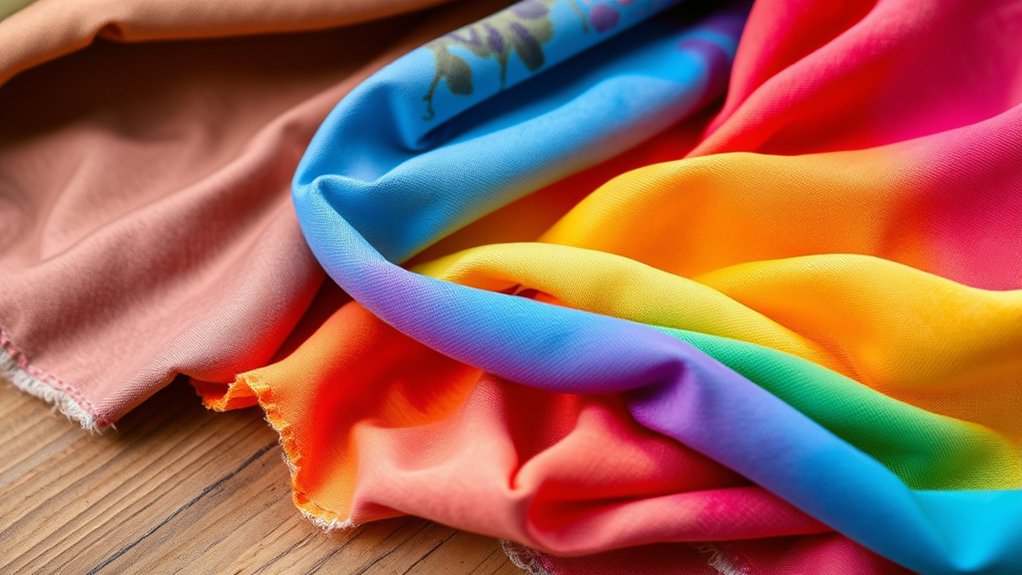
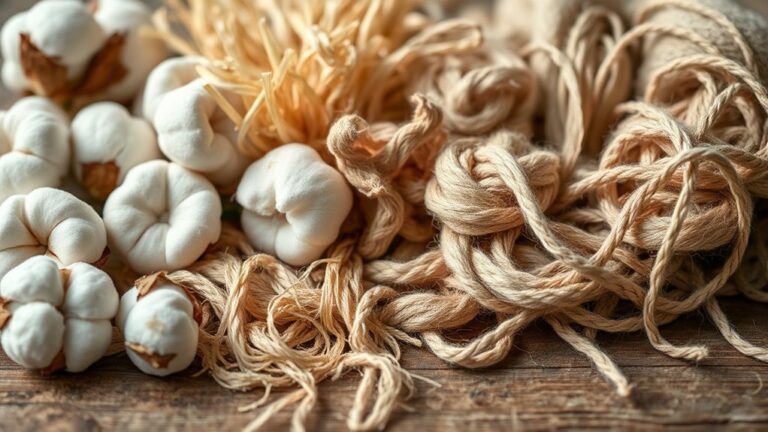
Although many fabrics can be dyed, you’ll get the best results with certain natural and synthetic fibers. Cotton, silk, wool, and linen stand out among natural fibers because they absorb dyes well, offering vibrant colors with excellent dye fastness. These fibers hold on to the dye molecules firmly, so your colors resist fading even after multiple washes.
On the synthetic side, nylon and polyester are popular choices, but they require specific dyes and techniques to achieve good results. When you pick the right dye for these fibers, you’ll notice less color fading and stronger dye fastness. Keep in mind that some synthetics can be trickier to dye evenly, so following recommended methods is key.
How Natural Fibers React to Different Dyes

When you dye natural fibers like cotton, wool, silk, or linen, you’ll find they absorb colors differently depending on the type of dye used. Natural dyeing often requires fabric mordants to fix the dye, especially with protein fibers like wool and silk.
Cotton and linen, being cellulose fibers, usually bond better with fiber-reactive dyes. Wool and silk take acid dyes well, producing vibrant, lasting colors.
Using mordants can improve colorfastness and alter shades, giving you more control over the final look.
| Fiber | Best Dye Type | Effect of Mordants |
|---|---|---|
| Cotton | Fiber-reactive | Mordants less critical |
| Linen | Fiber-reactive | Mordants can improve depth |
| Wool | Acid dyes | Mordants essential for brightness |
| Silk | Acid dyes | Mordants improve color fastness |
Why Dyeing Synthetic Fabrics Is Trickier

When you dye synthetic fabrics, you’ll notice they don’t soak up color the way natural fibers do. That’s because of their chemical makeup. So, you need special dyes made to stick to these materials. Knowing these challenges makes it easier to choose the right dye and technique to get the best results.
Chemical Structure Challenges
Since synthetic fabrics have tightly packed molecular structures, they don’t absorb dyes as easily as natural fibers do. You’ll find that the strong chemical bonds within these fabrics create high molecular stability, making it harder for dye molecules to penetrate.
Unlike natural fibers, where dye can easily attach to cellulose or protein chains, synthetic fibers resist this process because their polymers are engineered to be durable and less reactive. When you try to dye synthetics, you’re up against these stable chemical bonds that limit how well dyes can interact.
Understanding these chemical structure challenges explains why you often need special dyes and processes to effectively color synthetic fabrics. It’s all about breaking through that molecular stability to get the dye to stick.
Limited Dye Absorption
Those strong chemical bonds in synthetic fabrics don’t just make dyeing a challenge. They actually limit how much dye the fabric can absorb. When you try to dye polyester or nylon, you’ll notice dye penetration challenges that result in uneven colors or fading.
These issues often cause colorfastness problems, meaning the color might wash out or fade quickly. Understanding these limitations helps you manage expectations and choose appropriate techniques.
| Fabric Type | Dye Absorption | Common Issues |
|---|---|---|
| Polyester | Low | Colorfastness issues |
| Nylon | Moderate | Uneven dye penetration |
| Acrylic | Low | Fading, weak color hold |
Keep these factors in mind to get the best results with synthetic fibers.
Specialized Dye Types
Although dyeing synthetic fabrics can be frustrating, using the right specialized dyes makes a big difference. Synthetic fibers like polyester or nylon don’t absorb regular dyes well, so you’ll need disperse dyes designed specifically for them. These dyes penetrate the fabric under high heat, creating vibrant colors that hold up better.
When you’re working with these chemicals, always prioritize dyeing safety. Wear gloves and guarantee good ventilation to avoid irritation. After dyeing, perform colorfastness testing by washing a small swatch to check if the color bleeds or fades.
This step helps you confirm the dye’s durability before committing to the entire fabric. By choosing the right dyes and following safety and testing steps, you’ll get much better results with synthetic fabrics.
Common Fabrics That Resist Dyeing and How to Handle Them
You’ll find that some fabrics naturally resist dye, which can make changing their color a bit tricky. Knowing which materials are stubborn helps you pick the right techniques to improve how well the dye soaks in. So, let’s take a look at some common resistant fabrics and talk about how you can handle them effectively.
Fabrics That Resist Dye
Why do some fabrics stubbornly resist dye despite your best efforts? It often comes down to their fiber composition and surface treatments. These factors impact colorfastness issues and fabric durability, making dye absorption tricky.
Here are common fabrics that resist dyeing:
- Polyester – Its synthetic fibers repel water-based dyes.
- Nylon blends – Treated with finishes that block dye.
- Acrylic – Has poor dye affinity, causing uneven colors.
- Water-repellent fabrics – Coatings prevent dye penetration.
When you encounter these fabrics, you’ll notice poor dye uptake or fading after washing due to colorfastness issues. Fabric durability may not improve with dyeing, so you’ll want to consider the fabric type carefully before starting your project.
Understanding these challenges helps you set realistic expectations and choose suitable materials.
Techniques To Enhance Dyeing
When working with fabrics that resist dye, knowing the right techniques can make all the difference in achieving vibrant, lasting colors. You’ll want to start by pre-treating the fabric with a mordant or a suitable chemical to open its fibers, allowing better dye absorption.
Using dye fixatives after dyeing will improve color fastness, preventing the color from fading or washing out quickly. For synthetic fibers like polyester, consider using disperse dyes combined with heat to improve penetration.
Always test a small fabric swatch first to see how it reacts. By carefully selecting your dye type, pre-treating the fabric, and applying dye fixatives, you can overcome resistance and achieve rich, durable colors on even the most challenging fabrics.
How Fabric Weave Affects Dyeing Results
Although the type of fabric matters, the weave plays a crucial role in how dye penetrates and adheres to the material. When you understand fabric texture and weave, you can predict your dyeing results better.
Tight weaves usually resist dye penetration, creating a more uniform color but slower absorption. Looser weaves allow dye to seep deeper, often resulting in richer hues but less uniformity.
Here’s what you should consider about fabric weave:
- Tight Weaves: Limit dye penetration, producing even color but may require longer dyeing time.
- Loose Weaves: Encourage deeper dye penetration, enhancing vibrancy but may cause uneven spots.
- Texture Variations: Smooth textures absorb dye evenly, while rough textures hold dye irregularly.
- Weave Pattern: Complex patterns can create color gradients as dyes settle differently on raised and recessed areas.
How to Pick the Perfect Dye for Your Fabric
Choosing the right dye starts with knowing your fabric type because not all dyes work well on every material. You’ll also want to think about how different dye formulations interact with your fabric’s fibers.
Getting a handle on these basics will help you achieve vibrant, lasting color every time. It’s really all about matching the dye to the fabric so your results look great and hold up well.
Fabric Type Compatibility
Since different fabrics absorb dyes in unique ways, you’ll need to match your dye type to the material for the best results. Choosing the right dye improves fabric durability and guarantees vibrant, lasting color. Before dyeing, always perform colorfastness testing to see how the fabric holds color under washing or sunlight.
Here’s how to determine fabric type compatibility:
- Identify the fiber: natural fibers like cotton, silk, or wool absorb dyes differently than synthetics.
- Check fabric blend: blends may require specialized dyes for even results.
- Consider fabric durability: delicate fabrics need gentle dyes to avoid damage.
- Test colorfastness: always test a small swatch to prevent surprises.
Matching fabric and dye ensures a successful, long-lasting dyeing project.
Dye Formulation Differences
When you pick a dye, understanding its formulation can make all the difference in achieving vibrant, lasting color on your fabric. Different dyes rely on unique chemical compatibility with fibers. For example, fiber-reactive dyes work best on cotton, while acid dyes suit silk and wool. Knowing these differences helps you avoid faded or uneven results.
| Dye Type | Best Fabric | Chemical Compatibility |
|---|---|---|
| Fiber-reactive | Cotton, Linen | Bonds with cellulose fibers |
| Acid | Silk, Wool | Reacts with protein fibers |
| Disperse | Polyester, Nylon | Requires heat to penetrate |
Choose a dye formulation that matches your fabric’s chemistry to guarantee color vibrancy and durability.
Preparing Fabrics for Dyeing: Essential Steps
Before you start dyeing your fabric, you need to prepare it properly to guarantee even color absorption and lasting results. Preparation influences the fabric’s colorfastness properties and fabric texture effects, so skip this step at your own risk.
Here’s how to prep your fabric effectively:
- Clean the fabric: Remove dirt, oils, or sizing agents by washing it thoroughly. This ensures dyes adhere evenly.
- Soak the fabric: Immerse it in water before dyeing to allow fibers to absorb dye uniformly.
- Choose the right mordant (if needed): Mordants fix dye to fibers, enhancing colorfastness on natural fabrics.
- Test fabric texture: Check for any damage or uneven texture that might affect dye uptake and alter the final appearance.
Tips for Dyeing Cotton, Linen, and Rayon
Although cotton, linen, and rayon each respond differently to dyes, you can achieve vibrant, even colors by understanding their unique fiber properties. Cotton and linen, both natural fibers, absorb fiber-reactive dyes well, offering excellent dye colorfastness. Rayon, a semi-synthetic fiber, requires careful handling during fabric care to prevent damage but also takes dye beautifully.
Here’s a quick guide to help you:
| Fabric Type | Dyeing Tip |
|---|---|
| Cotton | Use fiber-reactive dyes; wash in cold water |
| Linen | Pre-soak for even absorption |
| Rayon | Avoid high heat; gentle washing |
| All | Use mild detergent post-dyeing |
| All | Rinse thoroughly to maintain colorfastness |
Key Tips for Dyeing Polyester and Nylon Fabrics
Since polyester and nylon are synthetic fibers with tightly woven structures, they require different dyeing methods than natural fibers. You’ll want to use specialized disperse dyes designed for these materials, as traditional fiber-reactive dyes won’t work well. Embracing eco friendly dyes is a smart choice to guarantee environmental impact during this process.
Here are key tips to get the best results:
- Use high heat and pressure, often achieved with a steam or heat press, to help the dye penetrate the synthetic fibers.
- Pre-wash your fabric to remove finishes that might block dye absorption.
- Stir the dye bath continuously to ensure even color distribution.
- Learn from historical dyeing techniques, which reveal effective ways to achieve vibrant, lasting colors on synthetic fabrics.
How to Test Fabric Dye Compatibility at Home?
When you want to guarantee your fabric takes dye evenly and retains color, testing dye compatibility at home is essential. Start by cutting a small swatch from your fabric. Prepare your dye according to the instructions, then apply it to the swatch.
After dyeing, rinse the fabric thoroughly under cold water to check for color bleeding. If the water runs clear, your fabric holds the dye well.
Next, let the swatch dry completely and observe for any signs of fabric fading or uneven color. Wash the swatch again with a mild detergent to confirm the dye’s permanence. If you notice fading or bleeding during this test, the fabric might not be suitable for your chosen dye or may require a different dye type or fixative.
Frequently Asked Questions
Can Fabric Dyes Cause Allergic Reactions on Skin?
Yes, fabric dyes can cause allergic skin reactions, especially if you have dye sensitivity. When your skin comes into contact with certain dyes, it might react with redness, itching, or even rashes.
If you’ve experienced irritation before, you should test new fabrics on a small skin patch first. Using hypoallergenic or natural dyes can help reduce the risk. Always wash new clothes before wearing to minimize leftover dye exposure.
How Long Does Dyed Fabric Retain Its Color?
Imagine your favorite shirt glowing vibrant after countless washes, that’s the magic of good dye retention. How long dyed fabric holds its color depends on factors like fabric type, dye quality, and washing habits.
Colorfastness testing helps predict this lifespan by simulating wear and exposure. If you care for your garments gently, their hues can stay vivid for years, keeping your wardrobe as bright as the day you bought it.
Are Eco-Friendly Fabric Dyes as Effective as Traditional Ones?
Yes, eco-friendly fabric dyes can be as effective as traditional ones, especially natural alternatives derived from plants and minerals. When you compare synthetic dye comparison, you’ll find natural dyes often provide vibrant, lasting colors but may require more care or multiple applications.
While synthetic dyes offer consistency and brightness, natural options reduce environmental impact and chemical exposure. This makes them a great choice if you want sustainable, beautiful results without sacrificing quality.
Can Dyed Fabrics Be Safely Washed in a Machine?
You can safely wash dyed fabrics in a machine, but coincidence plays a role. Fabric dye safety depends on how you treat the garment. Using cold water and gentle cycles helps preserve the color and prevents bleeding.
Avoid harsh detergents and opt for those made for colors. Washing dyed fabrics inside out also minimizes fading. So, by caring for your clothes thoughtfully, you protect both the fabric’s vibrancy and your investment in eco-friendly style.
What Are the Environmental Impacts of Fabric Dyeing?
You should know fabric dyeing impacts the environment considerably. Synthetic dyes often release harmful chemicals into water, causing pollution and harming aquatic life.
You can reduce this by choosing natural dyes, which are biodegradable and less toxic, but they still require water and energy. To minimize your footprint, opt for eco-friendly dyeing methods, recycle water, and support brands using sustainable practices.
Your choices really make a difference in protecting the planet.
Conclusion
Now that you know which fabrics take dye well and how to prep them, you’re ready to bring your creative visions to life.
Remember, dyeing synthetic fabrics can be a tough nut to crack, but with patience and the right techniques, you’ll get there. Testing first is key, so don’t put all your eggs in one basket.
Immerse yourself confidently, and watch your fabrics transform into vibrant works of art. Knowing what fabrics can be dyed makes all the difference in your dyeing success!