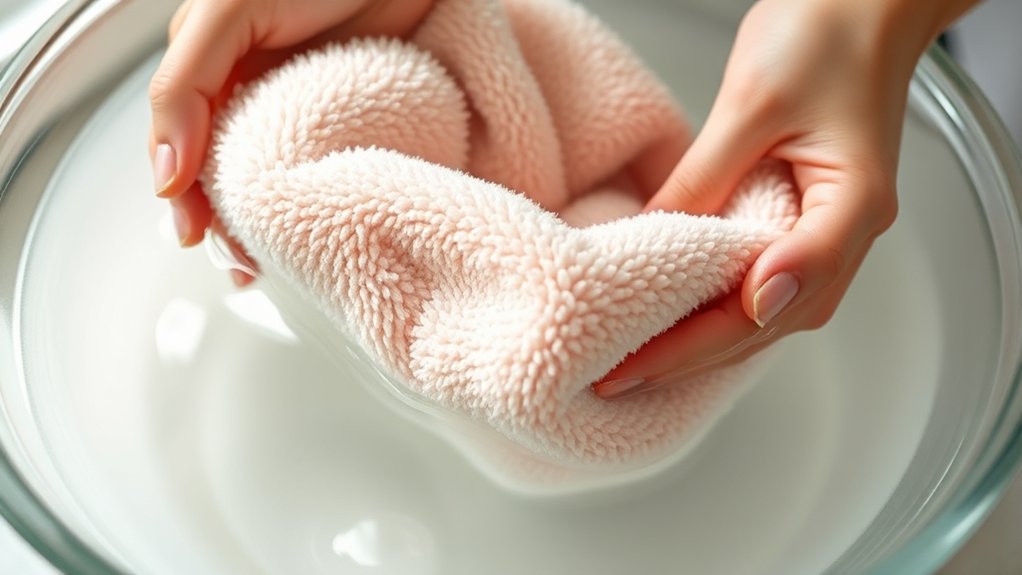
How to Wash Minky Fabric
If you’ve ever tried washing minky fabric, you know it can be tricky to keep it soft and plush without damaging the delicate fibers. You’re not alone—many people struggle with finding the right way to clean this cozy material without shrinking or matting the pile.
Luckily, with a few simple tips, you can keep your minky items looking and feeling like new.
To wash minky fabric, check the care label first, then turn the item inside out and place it in a mesh laundry bag or pillowcase.
Use cold water and a mild, fragrance-free detergent on a gentle or delicate cycle, or hand wash it in cool water for extra control.
Skip bleach and fabric softener.
Air-dry flat or tumble dry on the lowest heat, then fluff the pile gently to keep it soft, and there’s more to know.
Key Takeaways
- Check the care label first, since different minky fabrics have different washing and drying limits.
- Wash minky in cold water on a gentle cycle, ideally inside a mesh laundry bag or pillowcase.
- Use a mild, fragrance-free detergent and avoid bleach, fabric softeners, and harsh chemicals.
- For extra control, hand wash minky in cool water and gently blot stains before washing.
- Air-dry flat when possible, or tumble dry on the lowest heat and fluff the fabric afterward.
Why Minky Fabric Needs Special Care
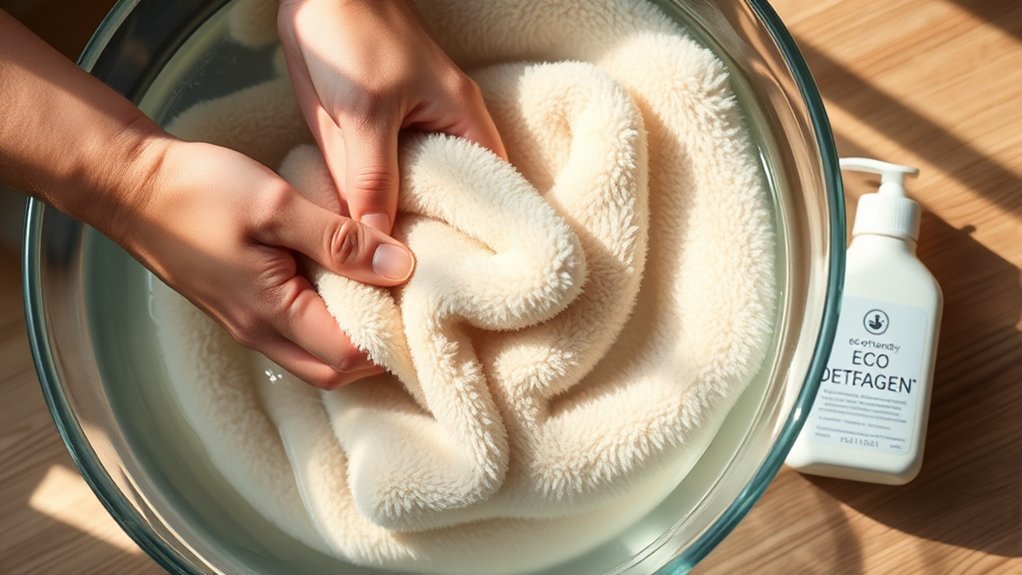
Minky fabric feels wonderfully soft, but that plush texture also makes it more delicate than many other fabrics. You notice its raised fibers instantly, and that fabric texture can trap lint, flatten under pressure, or lose its plush look if you handle it roughly.
Because of this, minky durability depends on gentle care and smart washing habits. You can’t treat it like sturdy cotton or denim; aggressive scrubbing, heat, and twisting can damage the pile and weaken the backing over time.
Minky durability depends on gentle care, since rough washing can damage the pile and weaken the backing over time.
When you understand how sensitive the fibers are, you protect the blanket’s softness, color, and shape longer. Special care also helps prevent pilling and shedding, which keeps the surface smooth and inviting.
If you want your minky items to stay cozy and attractive, you need to respect their unique structure and give them a lighter touch every time you clean them.
Check the Minky Care Label First
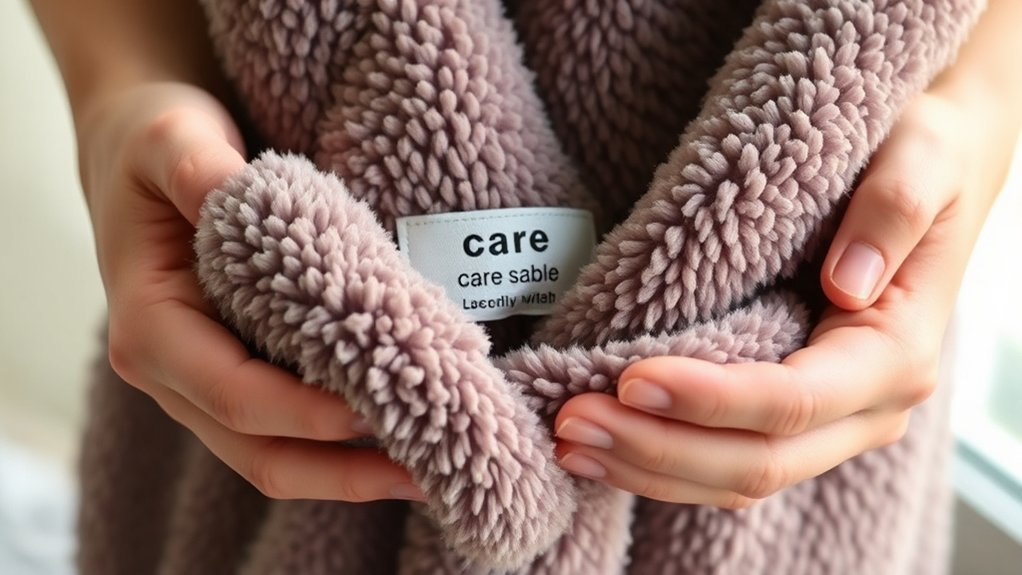
Before you wash it, check the care label so you know exactly what the fabric can handle. The label tells you whether your minky can go in the machine, needs a gentle cycle, or should stay out of the dryer. It also helps you identify different minky fabric types, since plush, embossed, and dotted versions can have different fiber blends and care limits.
If the tag says “cold wash only” or “lay flat to dry,” follow that guidance exactly to avoid damage. You should also look for notes about minky colorfastness because some fabrics may bleed or fade if you use the wrong temperature or detergent.
If the label is missing, test a small hidden area first and choose the safest method. Reading the care label takes seconds, but it can save the softness, shape, and color of your minky for a long time.
Gather Supplies for Washing Minky Fabric
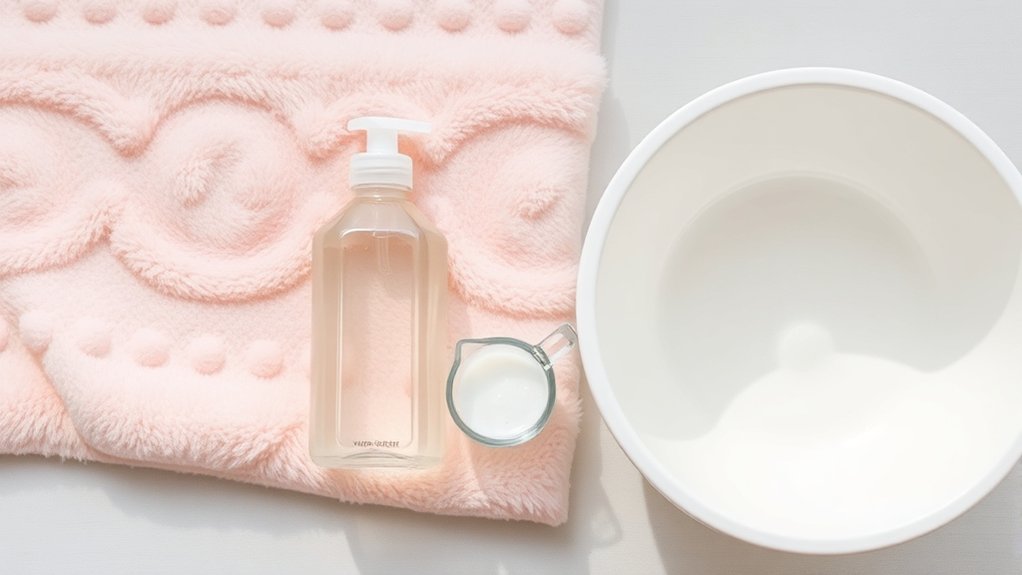
A few simple supplies make minky washing easier and safer. You’ll want a clean, front-loading washer if possible, plus a soft laundry bag or pillowcase to protect delicate pile. Keep several white towels nearby for extra cushioning and to help balance the load.
A gentle stain brush can help you treat spots before washing, and a drying rack gives you a safe place to air-dry afterward. If you handle different minky fabric types, separate them so heavier plush items don’t rub against lighter ones.
Check the care label again and match your setup to the item’s needs. You can also prep a lint roller for pet hair and loose fibers. Before you start, think about washing frequency, since frequent cleaning means you should keep supplies handy and ready.
Check the care label, prep a lint roller, and keep your washing supplies ready for easy minky care.
Having everything in one place saves time and helps you wash minky without stretching, pilling, or unnecessary wear.
Choose Detergent and Water Temperature
Choose a gentle detergent that’s safe for delicate fabrics—avoid anything with harsh chemicals. When it comes to washing minky fabric, cold water is your best friend. It helps protect the soft fibers and keeps the fabric looking plush. Using a mild detergent along with a cool wash setting really works best for this kind of fabric.
Gentle Detergent Choice
Pick a mild, fragrance-free detergent to protect minky fabric’s soft fibers and keep the pile from matting. You should choose gentle detergents made for delicates or baby clothes because they lift dirt without stripping the plush texture.
Skip bleach and harsh stain removers unless the care label specifically allows them. You’ll also want to avoid fabric softeners since they can leave a coating that dulls the nap and reduces that signature cuddle factor.
Measure detergent carefully; using too much can leave residue between the fibers and make the fabric feel stiff. If you’re washing a large item, use only the amount the bottle recommends for a small load. A light touch keeps your minky looking smooth, soft, and ready for regular use.
Cold Water Setting
Set your washer to cold water to help minky fabric keep its softness, shape, and rich color. Cold water reduces fiber stress, so your blanket or plush item stays cozy after each wash. Use these washing tips to get better results:
| Setting | Why it helps | Your result |
|---|---|---|
| Cold water | Limits shrinkage | Keeps fit |
| Gentle cycle | Less friction | Protects pile |
| Short wash | Less soaking | Preserves texture |
| Mild detergent | Cleans lightly | Maintains softness |
| Low spin | Reduces strain | Cuts pilling |
These cold water benefits matter because minky can lose its plush feel in warm water. Choose a gentle detergent, load the machine loosely, and let cold water do the work. You’ll clean the fabric well without flattening the fibers or dulling the color.
Avoid Harsh Chemicals
Skip harsh cleaners and very hot water when washing minky fabric, since both can break down the fibers and leave the pile flat. Choose a mild liquid detergent that protects minky fabric properties and rinses clean without residue.
Avoid bleach, fabric softener, and stain removers with enzymes unless the care label says they’re safe. Use cool or lukewarm water so you preserve softness and reduce pilling. These gentle washing techniques help the plush texture stay fluffy and smooth after each wash.
If you’re treating a spot, dab it first with diluted detergent rather than scrubbing hard. Then wash on a delicate cycle or by hand, and rinse thoroughly so no chemicals linger in the fibers.
How to Wash Minky Fabric in the Machine
For the gentlest machine wash, place your minky fabric in a mesh laundry bag and wash it on a cold, delicate cycle with a mild detergent. This routine supports Minky care and Fabric maintenance without stressing the fibers. Use the table below to keep each step simple.
| Step | Action |
|---|---|
| 1 | Check the care label |
| 2 | Turn the fabric inside out |
| 3 | Bag it for protection |
| 4 | Choose cold water |
| 5 | Air-dry after washing |
Don’t overload the washer because crowding can increase friction and flatten the plush pile. Skip bleach and fabric softener, and use only a small amount of detergent so residue won’t cling to the surface. When the cycle ends, remove the item promptly and reshape it gently before drying. If your machine has an extra rinse option, use it to help clear away soap. This simple method keeps minky soft, fluffy, and ready for regular use.
How to Hand Wash Minky Fabric
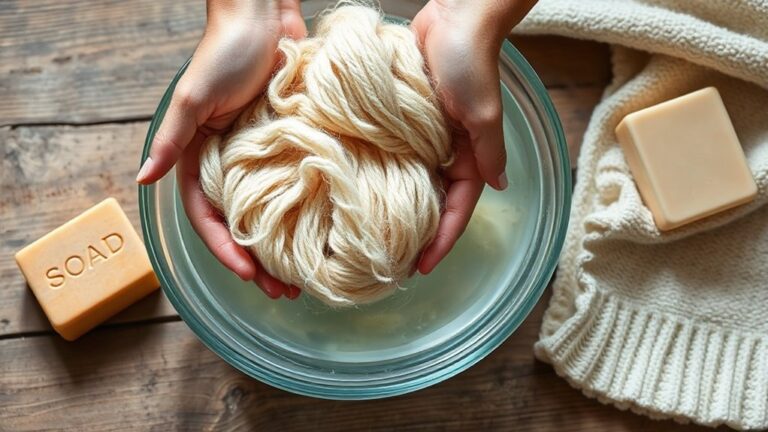
Fill a clean basin or sink with cool water and mix in a small amount of mild detergent, then submerge your minky fabric and gently swish it by hand. Let the fabric soak for a few minutes so the cleaner can loosen dirt without stressing the pile.
Use your fingertips to press soiled spots, but don’t twist, scrub, or wring the material. These washing techniques help protect the plush texture and keep the nap soft.
When the water looks dirty, drain the basin and refill it with clean cool water. Rinse the Minky fabric until no suds remain, lifting and pressing it gently through the water.
Check for leftover detergent, since residue can make the fibers feel stiff. Treat stains lightly and work slowly for the best results. Hand washing gives you control and helps your Minky fabric stay cozy, smooth, and ready for regular use.
Dry Minky Fabric Without Damaging It
After washing minky fabric, it’s best to air dry it flat. This helps it keep its shape and stay soft. But if you really need to use a dryer, just make sure to pick the lowest heat setting. That way, you won’t damage the fibers. Once it’s dry, give it a gentle fluff to bring back that plush, cozy feel.
Air Dry Flat
Lay your minky fabric flat on a clean, dry towel or drying rack so it keeps its shape and plush texture while it dries. Smooth out wrinkles with your hands, but don’t stretch the fabric, or you may distort the pile.
Turn it occasionally for even airflow, and replace any damp towel underneath with a fresh one. These minky drying techniques help prevent matting and keep the surface soft. Avoid hanging it, since gravity can pull on the fibers and leave marks.
Good fabric drying tips also mean keeping it in a well-ventilated area away from direct sunlight, which can fade color and stiffen the nap. When the fabric feels completely dry, fluff it gently with your fingers to restore its cozy feel.
Use Low Heat
If you need to use a dryer, choose the lowest heat setting or an air-fluff cycle to dry minky fabric without damaging the fibers. Keep the load small so the blanket can tumble freely, and check the care label before you start.
Low heat settings help protect the plush surface and keep the backing from shrinking or warping. For better fabric care, stop the cycle while the blanket is still slightly damp, then lay it flat or hang it briefly to finish drying.
Avoid high heat, which can flatten the texture and weaken the softness you want to preserve. If your dryer runs hot, skip it and let the fabric dry naturally instead. Gentle drying keeps minky looking smooth, cozy, and ready to use again soon.
Fluff Gently After
When the minky fabric is dry, gently fluff the fibers with your hands or a soft-bristled brush to restore its loft and softness. Work in small sections, using light, sweeping motions so you don’t pull or snag the pile.
If any spots feel matted, separate the fibers with your fingertips instead of rubbing hard. You can also shake the fabric out a few times to help the nap stand up again. These fluff techniques keep the texture plush and help the material look fresh after washing.
As part of your regular maintenance tips, avoid pressing the fabric flat during drying or storage, since that can crush the fibers. With a little care, you’ll keep minky feeling cozy, smooth, and durable.
Fluff Minky Fabric and Restore Softness
Once your minky fabric is clean, gently fluff the fibers to bring back its signature softness. Use your hands to shake it out, then smooth the pile in one direction so the nap lifts evenly. This simple step matters in minky care and fabric maintenance because it helps the texture feel plush again.
If you want extra loft, toss the item in a dryer on no-heat or air-fluff for a few minutes with a clean dryer ball. Don’t overdo it; too much heat can flatten the fibers.
- Shake the fabric lightly.
- Brush the surface with your fingers.
- Air-dry completely before storing.
- Repeat after every wash.
When you handle it this way, you keep the fabric looking fresh and cozy without stressing the fibers.
Remove Stains From Minky Fabric Safely
To remove stains from minky fabric safely, blot the spot right away with a clean, dry cloth so you don’t push the stain deeper into the fibers. Then mix a small amount of mild detergent with cool water, and dab the stain with a soft cloth or cotton swab. Work from the outside in to keep the mark from spreading.
Rinse the area by dabbing it with a cloth dampened in plain water, then press gently with a dry towel to lift excess moisture. If the stain lingers, repeat the process instead of scrubbing. Harsh cleaners and rough brushing can damage the pile, so keep your stain removal gentle.
For spills like food or lotion, act quickly and test any solution on a hidden spot first. Careful minky care helps preserve the fabric’s plush texture and keeps it looking clean, soft, and fresh after each wash.
Fix Common Minky Washing Problems
If your minky fabric comes out wrinkled, matted, or still damp after washing, don’t panic. Most issues are easy to fix. First, shake it gently and lay it flat to air-dry. A low heat dryer cycle can revive the pile if you stop often to fluff it.
Second, if the surface feels crushed, use a soft-bristled brush with light strokes to restore softness. Third, for lingering moisture, place the fabric in a dry, ventilated room and avoid folding it until it’s fully dry.
Fourth, follow these minky maintenance tips by washing on gentle settings, using mild detergent, and skipping fabric softener. Good fabric storage solutions also help. Store minky loosely in a cool, dry space—not in tight bins.
With these quick fixes, you’ll keep your minky smooth, cozy, and ready to use again.
Frequently Asked Questions
Can Minky Fabric Be Washed With Other Laundry?
Yes, you can wash minky fabric with other laundry, but you should separate it from lint-heavy items like towels, fleece, or jeans. Use cold water, a gentle cycle, and mild detergent to protect minky fabric care.
Turn it inside out if you can, and avoid overloading the washer. These laundry tips help keep the pile soft, reduce snagging, and prevent pilling. Always check the care label before you wash it.
How Often Should Minky Fabric Be Washed?
You should wash minky fabric only when it’s visibly dirty, starts smelling, or you’ve used it frequently. For everyday Minky fabric maintenance, aim for every few weeks if it’s a blanket or plush item you touch often.
If you just noticed a stain and happened to be planning laundry anyway, that’s your cue. For Minky fabric drying, follow gentle care each time so it stays soft and fluffy longer.
Can You Iron Minky Fabric After Washing?
No, you shouldn’t iron minky fabric after washing. You’ll flatten the plush nap and can damage the fibers.
For better fabric care, smooth it by hand and let it air dry or tumble dry on low.
If you must remove wrinkles, use ironing techniques like a steamer or a very low heat setting with a pressing cloth, but never press directly on the pile.
Does Minky Fabric Shrink in the Wash?
Yes, minky fabric can take a slight size change in the wash if you don’t treat it gently. You’ll usually keep its soft, plush minky fabric characteristics intact by using cool water and a delicate cycle.
Good minky fabric care means you avoid high heat, which can encourage a little unwanted tightening. Air-drying works best, so you won’t nudge it into a snugger fit than you planned.
Can Baking Soda Be Used on Minky Fabric?
Yes, you can use baking soda on minky fabric sparingly. You’ll get some baking soda benefits, like odor control and gentler stain help, while supporting good minky fabric care.
Sprinkle a little on the affected area, let it sit briefly, then shake or vacuum it off before washing. Don’t scrub hard or use too much, since that can rough up the plush fibers and dull the soft texture.
Conclusion
You’d think something as soft as minky would be indestructible, but one hot wash can turn that cozy cloud into a sad, matted mess. So treat it gently: check the label, use cool water, skip harsh heat, and let it air dry when you can.
A little care keeps your blanket plush, bright, and worth snuggling. Funny how the fluffiest fabrics demand the most discipline, isn’t it? Taking these steps really makes all the difference when you want to keep your minky fabric feeling soft and looking great.