What Is Canvas Fabric?
If you’ve ever struggled to find a fabric that’s both durable and versatile for your projects, you’re not alone. Many people want a material that can stand up to daily wear and tear without losing its shape or style. That’s where canvas fabric comes in.
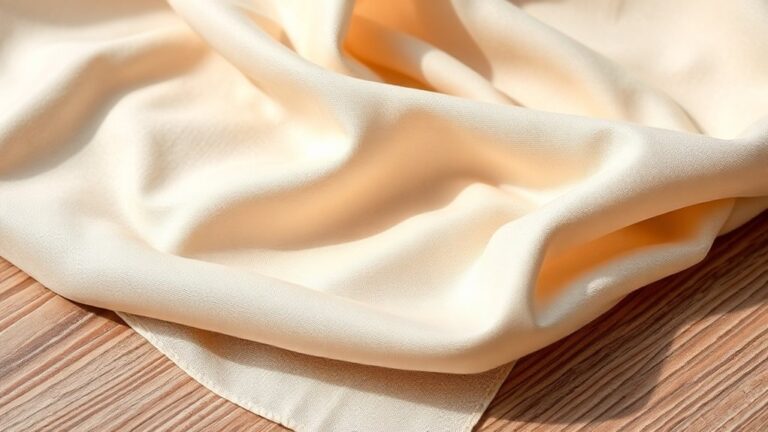
Canvas fabric is a strong, tightly woven material usually made from cotton, linen, or synthetic fibers. You’ll find it valued for its durability, firm texture, and ability to hold its shape, which makes it useful for bags, shoes, upholstery, tents, and outdoor gear.
Its tight weave helps it resist wear and tearing better than lighter fabrics. If you keep going, you’ll see how it’s made, what types exist, and which one fits your project best.
Key Takeaways
- Canvas is a durable, tightly woven fabric made from cotton, linen, or synthetic fibers. It’s known for its firm texture, strength, and resistance to tearing and wear.
- Canvas is commonly used for bags, shoes, upholstery, tents, and outdoor gear.
- Different types include cotton canvas, which is softer, and duck canvas, which offers extra durability.
- To care for canvas, use gentle cleaning, spot treatment, and air-drying to preserve the fabric.
What Is Canvas Fabric?
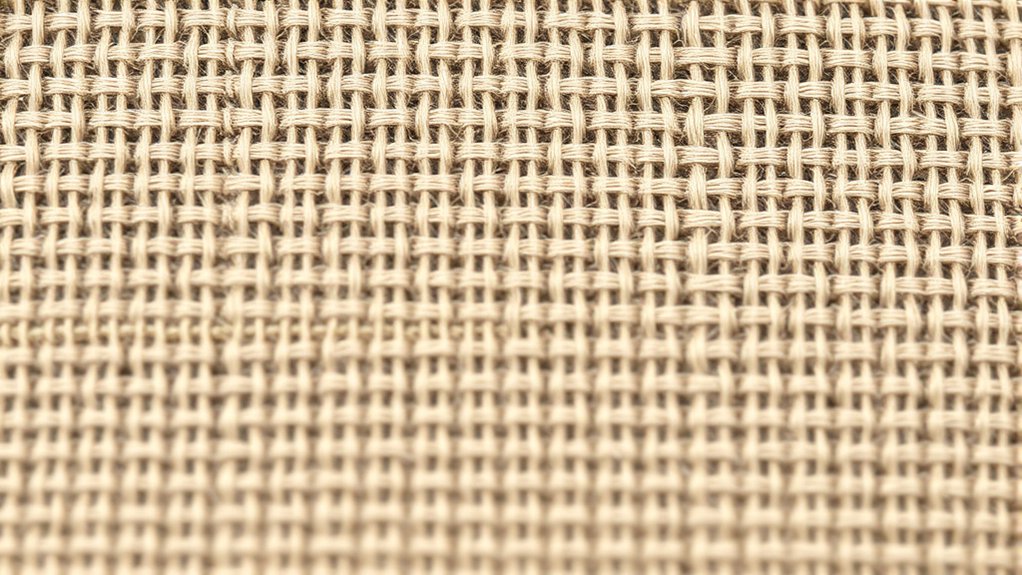
Canvas fabric is a durable, tightly woven material typically made from cotton, linen, or synthetic fibers. You’ll recognize it by its firm texture, strength, and ability to handle heavy use without tearing easily.
People have relied on it for centuries, and canvas history shows its long role in sails, tents, and workwear. Today, you can find canvas applications in bags, shoes, upholstery, art surfaces, and outdoor gear because it resists wear and holds its shape well.
Canvas has long served in sails, tents, and workwear, and now thrives in bags, shoes, and outdoor gear.
Its plain weave gives it a stable, practical feel that suits both everyday and industrial uses. When you choose canvas, you’re picking a fabric that balances toughness with versatility.
It works well when you need something dependable, whether you’re making, carrying, covering, or creating. This mix of durability and function explains why canvas remains a trusted textile across many settings.
How Canvas Fabric Is Made
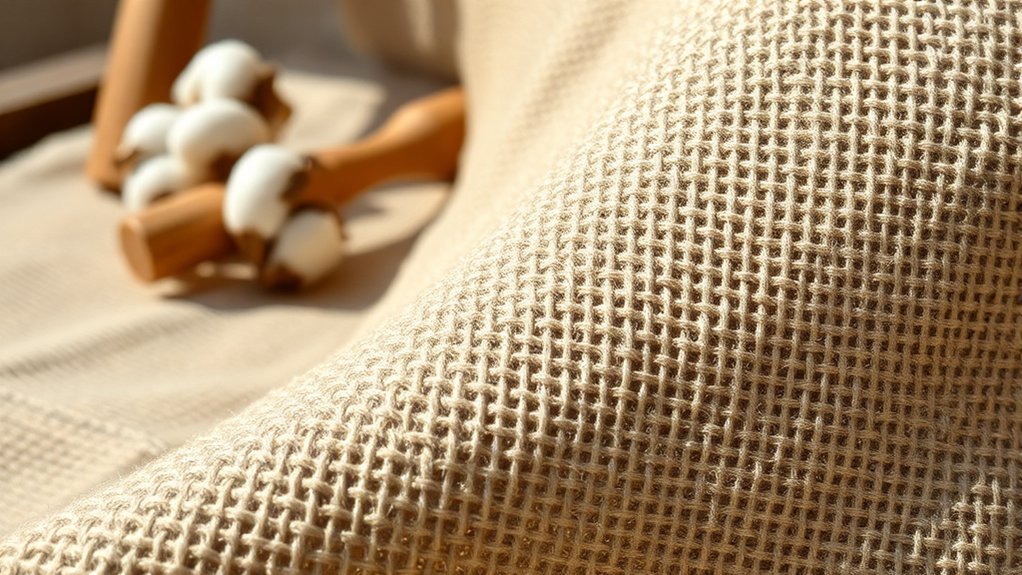
You start with strong fibers like cotton or linen because they give you durability and the kind of feel you want in the final product. Then, manufacturers weave those fibers tightly in a plain pattern, which creates the sturdy structure that canvas is known for. After weaving, they often finish and treat the fabric to boost its strength, make it water-resistant, or improve how it performs overall.
Fiber Selection Process
Before weaving begins, manufacturers choose fibers based on the canvas’s intended use, balancing strength, texture, cost, and durability. You’ll usually see cotton, linen, or synthetic fiber types selected for different jobs, and each option affects fiber durability in its own way.
If you need a soft, breathable canvas, cotton often fits. If you want a tougher, longer-wearing cloth, linen can perform well. Synthetic blends may add weather resistance or lower cost, depending on the product.
During selection, producers also check staple length, twist, and consistency so the yarn will hold up well in use. You benefit from this careful sorting because it helps the finished canvas match performance needs without wasting material or lowering quality.
Weaving Technique Basics
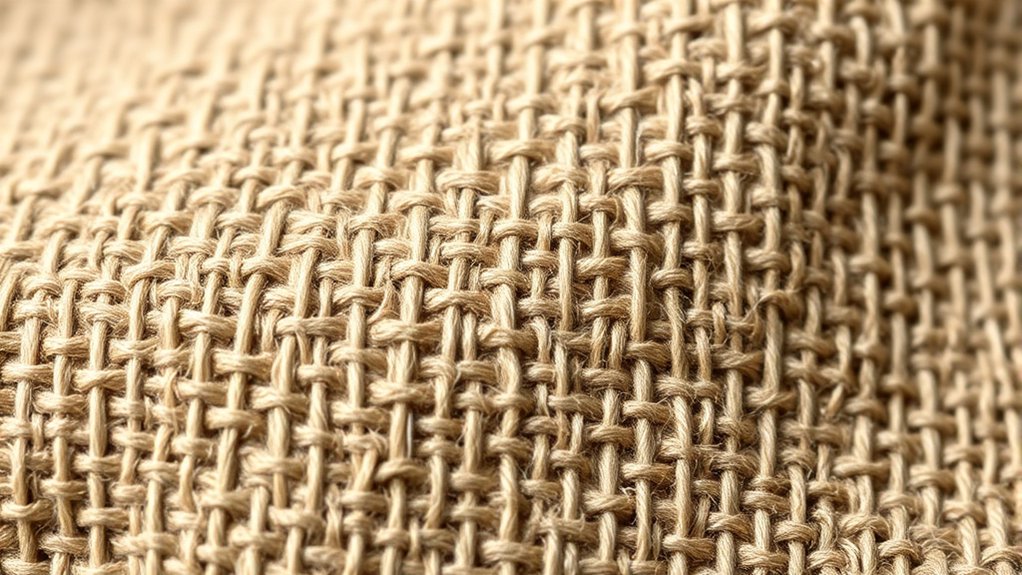
Weaving gives canvas its signature strength by interlacing warp and weft yarns in a plain, tightly balanced pattern. You’ll notice this simple structure creates a firm cloth that resists distortion and holds shape.
Different weaving techniques adjust density, texture, and weight, but canvas usually relies on sturdy threads packed closely together. The result depends on the weaving patterns you choose and how evenly you control tension.
| Weave type | Look | Effect |
|---|---|---|
| Plain | Flat | Strong |
| Basket | Blocked | Heavier |
| Tight plain | Dense | Durable |
You can think of canvas as a grid built for reliability, where every crossing supports the next and gives the fabric its work-ready character.
Finishing And Treatment
Once the cloth comes off the loom, canvas still isn’t finished. It’s typically singed, scoured, bleached, dyed, or coated to improve performance and appearance. You’ll see manufacturers use finishing techniques to smooth the surface, remove impurities, and control color.
Depending on the end use, they may apply wax, resin, flame retardant, or water-repellent coatings. This helps the fabric resist wear, moisture, and staining. These treatment processes can also tighten the weave, reduce shrinkage, and boost durability.
If you’re choosing canvas for bags, tents, art, or upholstery, the finish matters as much as the fiber. A rugged untreated cloth feels different from a coated one, and each version performs differently in daily use, weather, and cleaning.
Cotton vs. Linen Canvas
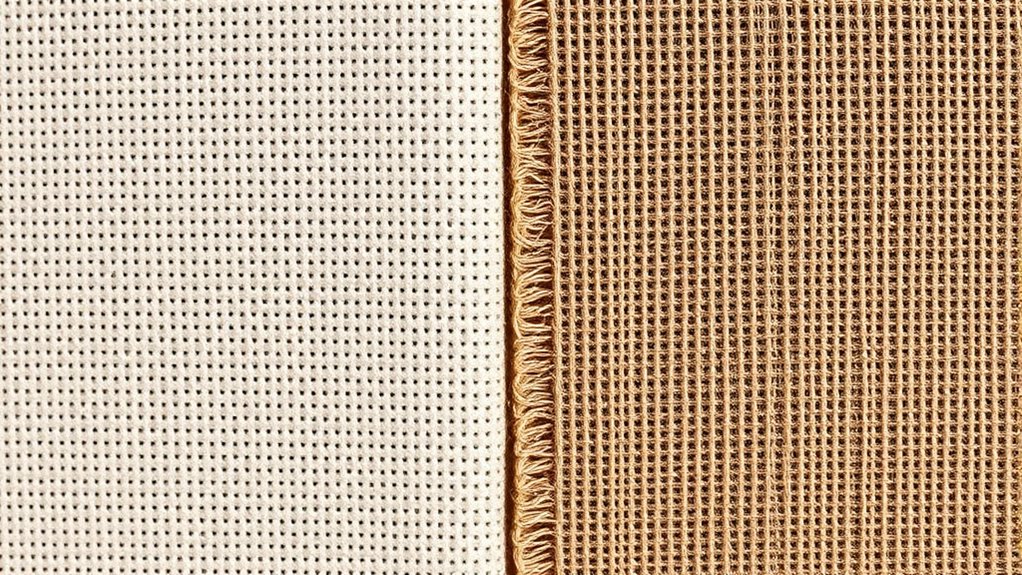
When you compare cotton and linen canvas, the main differences come down to feel, strength, and how each fabric ages over time. You’ll usually notice cotton feels softer right away, while linen feels crisper and has more texture. If you want easy handling, cotton often gives you better cotton benefits, especially for everyday use.
If you care about longevity, linen characteristics stand out because the fibers stay strong and can look richer as they age.
- Cotton drapes more smoothly and feels gentler.
- Linen resists wear well and gains character.
- Cotton usually costs less and feels more familiar.
- Linen can stay firm and support a sturdier look.
You should pick cotton when comfort matters most. You should choose linen when you want a tougher, more distinctive surface.
Common Types of Canvas Fabric
When you look into common types of canvas fabric, you’ll often come across cotton canvas and duck canvas as the most popular choices. Cotton canvas is super versatile and easy to work with, making it great for all kinds of projects. On the other hand, duck canvas has a tighter weave, which means it’s extra durable and can handle more wear and tear. Knowing the difference between these two can really help you pick the right canvas for whatever you’re planning to make.
Cotton Canvas
Cotton canvas is the everyday workhorse of canvas fabric: sturdy, breathable, and easy to handle. You’ll appreciate how it feels softer than heavier canvas options while still holding shape for bags, aprons, and home projects.
Its cotton advantages include easy sewing, strong dye absorption, and a natural look you can customize. Cotton sustainability also matters when you want a plant-based fiber that can be reused and repaired.
- You can cut it cleanly.
- You can stitch it with standard tools.
- You can paint or print on it.
- You can wash it for regular use.
Choose cotton canvas when you want practical durability without stiffness, and when comfort, versatility, and a familiar finish matter most.
Duck Canvas
Duck canvas is the tougher, denser side of canvas fabric, built for projects that need extra strength and abrasion resistance. You’ll notice it has a tighter weave and a firmer hand than lighter canvas, so it holds up well under pressure.
Because of that, you can rely on it for bags, workwear, outdoor gear, upholstery, and protective covers. The main duck canvas benefits include durability, structure, and resistance to wear, making it a smart choice when you need long-lasting performance.
You can also choose lighter or heavier weights depending on your project. These duck canvas applications make it especially useful when you want fabric that stays stable, resists fraying, and handles repeated use without losing its shape or strength.
What Canvas Fabric Is Used For
Canvas fabric shows up in a wide range of practical uses because it’s strong, durable, and easy to work with. You’ll find it in canvas applications that need a sturdy, dependable material without fuss. Its canvas versatility makes it a smart choice for everyday projects and creative work alike.
Canvas fabric is strong, durable, and versatile, making it a dependable choice for everyday projects and creative work.
- You can use it for tote bags, backpacks, and other carryalls.
- You can sew it into aprons, tool rolls, and workwear.
- You can stretch it over frames for paintings and prints.
- You can turn it into patio covers, drop cloths, and storage bins.
When you want fabric that handles repeated use and still looks good, canvas fits the job. It also takes paint, dye, and stitching well, so you can adapt it to many projects. Whether you’re making something practical or decorative, canvas gives you a reliable starting point.
Why Canvas Is So Durable
You can count on canvas because its tight weave structure really resists wear and tear. Plus, its heavy fiber content gives it extra strength, so it holds up even with repeated use. On top of that, strong threading methods help the fabric stay intact and last longer.
Tight Weave Structure
Tight, closely packed threads give this fabric its signature strength, locking fibers together so the material resists tearing, stretching, and wear. You benefit from a tight weave because it helps canvas hold its shape under daily stress, making fabric durability one of its biggest advantages.
The dense structure also reduces gaps, so you get a surface that stands up better to friction and repeated handling.
- You can use it for gear that needs lasting support.
- You’ll notice less sagging over time.
- You get better resistance to scuffs and abrasions.
- You can rely on it in demanding settings.
This weave doesn’t just look sturdy. It performs that way, giving you dependable strength without unnecessary complexity.
Heavy Fiber Content
Beyond the tight weave, canvas gains much of its toughness from the heavy fibers packed into its structure. You’ll notice that these thicker fibers help the fabric resist abrasion, sagging, and daily wear, which makes canvas a dependable choice for demanding use.
Because you’re dealing with more substantial material, the cloth can handle stress better than lighter textiles without losing its shape as quickly. Different weight variations also affect performance, letting you choose a lighter canvas for flexible projects or a heavier one for rugged gear.
When you compare durability factors, fiber mass stands out as a key reason canvas lasts so long. That extra substance gives you a fabric that feels firm, performs reliably, and endures repeated handling.
Strong Threading Method
Canvas’s strength also comes from the way its threads are woven together. You get a fabric that resists wear because the yarns lock tightly and spread stress across the surface. That close weave helps you rely on canvas for bags, sails, covers, and upholstery.
It also supports strong stitching, so seams hold up when you pull, fold, or load the fabric.
- Tight threading limits fraying.
- Dense structure improves tear resistance.
- Strong stitching boosts durability.
- Durable seams keep items intact longer.
When you choose canvas, you’re choosing a material built to handle repeated use without falling apart quickly. Its threading method gives you confidence that the fabric won’t loosen easily, even in tough conditions.
Canvas Weight and Thickness
Canvas weight and thickness play a big role in how fabric performs, feels, and lasts. You’ll usually see canvas measured in ounces per square yard, and a higher number means a denser, heavier cloth.
If you want a lighter option for bags, garments, or easy-to-handle projects, a lower weight can work well. If you need structure, sturdiness, and extra body, a heavier canvas gives you more support. In any canvas weight comparison, you should look at how the fabric drapes and how much resistance it offers.
Thickness also affects canvas durability factors, since a thicker weave often handles strain better and holds its shape longer. Still, weight alone doesn’t tell the whole story. Fiber content, weave tightness, and finish all influence performance.
When you choose canvas, match the weight to your project so you get the right balance of flexibility, strength, and feel without overbuying material.
How to Clean and Care for Canvas
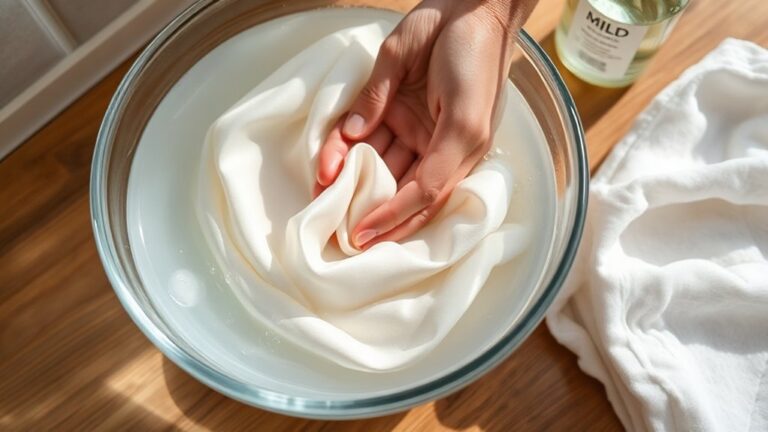
Once you’ve chosen the right canvas weight for your project, keeping it clean helps it stay strong and look its best. Brush off dust regularly with a soft brush or vacuum using a gentle attachment. If you spot spills, act fast with mild soap and cool water. Always test any cleaning techniques on a hidden area first.
These simple canvas maintenance tips help you avoid stains setting in and reduce wear over time.
- Spot-clean stains right away with a damp cloth.
- Wash only when needed, and use gentle detergent.
- Rinse thoroughly so no soap residue remains.
- Air-dry canvas away from direct heat or sun.
Don’t wring or scrub hard since that can distort the fabric. Store canvas in a dry, breathable place, and keep it folded loosely if you’re not using it. With steady care, your canvas’ll stay durable, clean, and ready for everyday use.
Canvas Fabric vs. Other Fabrics
Compared with cotton, polyester, and linen, canvas stands out for its heavier weave, greater durability, and more structured feel. You’ll notice it resists abrasion better than many lightweight fabrics, so it’s often chosen for bags, tents, upholstery, and workwear.
Cotton feels softer and drapes more easily, while polyester can be lighter and quicker-drying, but neither matches canvas’s rugged body. Linen offers a refined texture and breathability, yet it wrinkles more and doesn’t hold shape as firmly.
Canvas history shows how makers relied on this fabric when strength mattered most. Today, you can still see that legacy in modern canvas applications, from art surfaces to outdoor gear. If you want a fabric that balances toughness, simplicity, and a classic look, canvas gives you a dependable option without sacrificing versatility.
How to Choose Canvas for Your Project
Now that you know how canvas compares with other fabrics, the next step is picking the right type for your project. Start by matching weight to use. Lighter canvas works for bags and apparel accents, while heavier canvas suits upholstery, tents, and outdoor gear. When selecting canvas, check fiber content too. Cotton feels softer, while blends or polyester improve durability and moisture resistance.
Match canvas weight to the project: lighter for bags, heavier for upholstery and outdoor gear.
- Choose the weave: tighter weaves resist wear better.
- Check finish: waxed or coated canvas handles weather well.
- Test colorfastness: you don’t want fading after washing.
- Balance cost and performance: spend more only when the project needs it.
These canvas project tips help you avoid overbuying and underbuilding. If you’re unsure, order swatches, bend the fabric, and compare drape before you commit. The right canvas should support your design, not fight it.
Frequently Asked Questions
Does Canvas Fabric Shrink After Washing?
Yes, canvas fabric can shrink after washing, especially if you use hot water or high heat drying. You’ll see more shrinkage with natural fibers like cotton than with pretreated blends.
To reduce shrinkage, you should follow proper washing techniques, wash in cold water, and air dry when possible. Pay attention to shrinkage factors like fiber content, weave, and finishing, because they’ll affect how much your canvas item changes size.
Is Canvas Fabric Waterproof by Default?
No, you shouldn’t assume canvas fabric is waterproof by default. You’ll usually find it’s durable and tightly woven, but it still absorbs water unless it’s treated or coated.
To improve performance, check the label for wax, acrylic, or polyurethane finishes. Good canvas fabric characteristics include strength and breathability.
For canvas fabric maintenance, you should clean it gently and reproof it when water stops beading.
Can Canvas Fabric Be Dyed Easily at Home?
Yes, you can dye canvas fabric at home, but you’ll get better results with careful fabric preparation. Wash it first to remove finishes, then use dyeing techniques like immersion or hand-painting for even color.
You’ll want to stir often and keep the temperature steady. Because canvas is thick, it may take longer to absorb dye. Test a small piece first, and don’t expect every result to look perfectly uniform.
How Long Does Canvas Fabric Usually Last?
Canvas fabric usually lasts years, often decades, when you treat it well. Your durability depends on factors like weave tightness, fiber quality, sunlight, moisture, and how often you use it.
You can extend its life with simple maintenance tips: clean it gently, dry it thoroughly, store it away from heat, and avoid overloading it. If you care for it consistently, canvas can stay strong and useful for a long time.
Is Canvas Fabric Safe for Outdoor Use?
Yes, you can use canvas fabric outdoors, but you’ll get the best results if you choose weather-treated material. You should look for UV resistance, mildew prevention, and water repellency to help it handle sun, rain, and humidity.
If you leave untreated canvas outside, it can fade, weaken, and grow mold over time. You can extend its life by cleaning it regularly and storing it during harsh weather.
Conclusion
In the end, canvas fabric gives you a strong, versatile material that can handle everyday wear and creative projects alike. You can choose cotton or linen, light or heavy, depending on what you need.
If you care for it properly, it’ll keep serving you well for years. Think of canvas fabric as the workhorse of fabrics; it may not be flashy, but it pulls its weight every single time.