Leather Vs Fabric Sofa: 10 Key Differences
Choosing the perfect sofa can feel overwhelming, especially when you’re torn between leather and fabric options. You’re not alone—many people struggle with finding the right balance of durability, comfort, and style that fits their home and lifestyle.
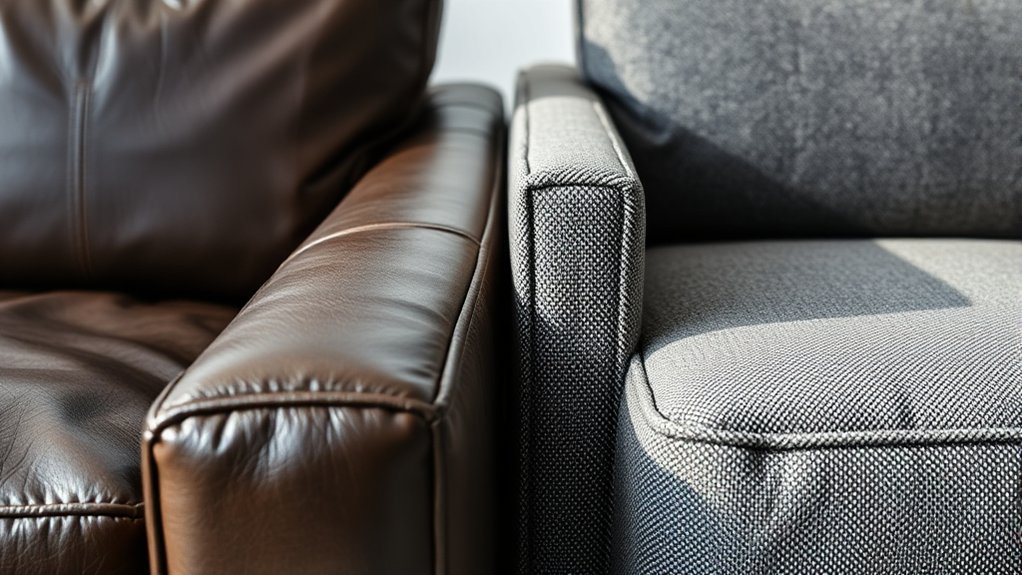
When you choose between a leather and fabric sofa, you’re really balancing durability, comfort, style, upkeep, and value.
Leather usually lasts longer, resists spills, and needs less cleaning, but it can feel cooler and cost more upfront.
Fabric often feels softer, comes in more colors and patterns, and gives you a cozier look, though it may stain or wear faster.
Your lifestyle and climate matter most, and there’s more to compare before you decide.
Key Takeaways
- Leather sofas are generally more durable, resist spills better, and are easier to wipe clean than fabric sofas.
- Fabric sofas usually feel softer, warmer, and more comfortable for lounging than leather sofas.
- Leather offers a sleek, polished look, while fabric provides more color, pattern, and style variety.
- Leather costs more upfront but can offer better long-term value due to longer lifespan and lower maintenance.
- Your choice should depend on lifestyle and climate, since leather suits easy cleanup and fabric suits cozy, breathable comfort.
Which Sofa Lasts Longer?

When you’re choosing between leather and fabric, leather usually lasts longer because it resists everyday wear, spills, and fading better than most fabrics. In a durability comparison, you’ll often see leather age more slowly if you clean and condition it regularly.
Fabric can still last for years, but stains, pilling, and thinning may shorten its useful life sooner. Your sofa’s lifespan factors include how often you use it, whether kids or pets climb on it, and how much sunlight hits it each day.
Leather handles frequent use well, though scratches can show. Fabric may hide scratches better, but it can trap dirt and absorb moisture. If you want a longer-lasting option with steady upkeep, leather usually wins.
Leather stands up to frequent use, while fabric may hide scratches but often traps dirt and moisture.
If you choose fabric, pick a tightly woven material and protect it from heavy wear to extend its life.
Which Sofa Feels More Comfortable?

Comfort matters just as much as durability when you’re picking a sofa. You’ll usually feel leather and fabric differently, so your comfort preferences should lead the choice. Fabric often feels softer and warmer right away, and its material texture can feel inviting during long lounging sessions.
Leather, by contrast, feels smoother and firmer, and it may seem cooler at first touch. If you tend to run warm, leather can help with seasonal comfort because it doesn’t trap as much heat as some fabrics. If you get cold easily, fabric may feel cozier.
You should also think about body temperature, support levels, and cushioning options. A well-padded fabric sofa can feel plush and forgiving, while leather often feels more structured. Neither is automatically better; the most comfortable option depends on how you sit, rest, and relax.
When you compare both, focus on how each one supports your body and matches your personal style and aesthetic appeal.
Which Sofa Looks Better in Your Home?

Looks matter almost as much as comfort, and the right sofa should fit your home’s style as well as your lifestyle. Leather often brings sleek aesthetic appeal, while fabric adds softer warmth. Your personal preference matters, but you should also think about interior harmony and color coordination with floors, rugs, and wall tones.
Leather suits modern, tailored spaces and can sharpen room ambiance. Fabric often blends easily into casual, layered rooms, giving you more style compatibility across decor themes and design trends. If you want a bold focal point, leather can deliver. If you prefer a relaxed, inviting look, fabric may feel more natural.
Good space utilization also depends on visual weight, since darker leather can anchor a room and lighter fabric can open it up.
| Sofa Type | Look | Best Fit |
|---|---|---|
| Leather | Crisp, polished | Modern homes |
| Fabric | Cozy, versatile | Casual spaces |
| Either | Depends on you | Balanced interiors |
Which Sofa Is Easier to Clean?
Cleaning is often where leather has the edge, since you can usually wipe spills off quickly before they soak in. If you want simple maintenance, leather usually gives you fewer headaches. A soft cloth, mild cleaner, and occasional conditioning often handle most messes. Its stain resistance also helps when kids, pets, or guests cause accidents. You can remove dust and crumbs fast, and most surface marks won’t cling like they do on fabric.
Fabric sofas can still stay tidy, but you’ll need more careful cleaning methods. Vacuuming helps, and many fabrics need spot treatment or upholstery-safe cleaners right away. If liquids sink in, stains can spread and become harder to lift. Removable cushion covers make life easier, but not every fabric sofa has them. If you prefer low-effort cleanup, leather usually wins. If you don’t mind regular upkeep, fabric can still work well.
Which Sofa Offers Better Value?
When you compare sofa value, the cheapest option upfront isn’t always the smartest long-term buy. In a value comparison, you should weigh purchase price against lifespan, maintenance, and how well the sofa holds up over time.
Leather usually costs more at first, but it can last longer and keep its shape and look with proper care. Fabric often gives you a lower entry price and more style choices, so it can deliver strong value if you want comfort on a tighter budget.
Your cost analysis should also include cleaning products, repairs, and replacement timing. If you plan to keep your sofa for many years, leather may offer better long-term value. If you’d rather spend less now and refresh your space sooner, fabric can be the smarter choice.
The best option depends on how long you’ll use it and what you’re willing to spend overall.
Are Leather or Fabric Sofas Better for Pets and Kids?
If you have pets or kids, the better sofa choice often comes down to how well it handles spills, scratches, and daily wear. Leather usually wins for quick cleanup: you can wipe off juice, mud, and pet hair fast, which helps with messes.
It also resists odors better, though sharp claws can leave marks, so you’ll need to watch for durability concerns. Fabric feels softer and may hide some scuffs, but it can trap crumbs, stains, and dander, which can be frustrating if your home sees constant activity.
If you or your family members deal with allergies, leather can be easier to keep dust-free. Still, fabric offers more color and texture options, so your aesthetic preferences matter too.
When you compare cost considerations, fabric often costs less upfront, while leather may last longer with care. Choose the one that fits your daily routine best.
Which Sofa Handles Heat and Cold Better?
Temperature comfort is one of the biggest differences between leather and fabric sofas. Leather can feel chilly at first and warm up fast, while fabric usually offers steadier temperature regulation. You’ll notice the contrast most in winter and summer.
| Sofa type | Heat and cold feel |
|---|---|
| Leather | Cool on contact |
| Leather | Warms quickly |
| Fabric | Holds a moderate feel |
| Fabric | Buffers room changes |
| Best choice | Depends on climate |
If you want a sofa that feels cozy right away, fabric’s material insulation helps it stay more even. If you prefer a sleek surface that adjusts quickly to your body, leather may suit you better.
In hot rooms, leather can seem sticky, but it also sheds warmth faster once you stand up. In cooler spaces, fabric usually feels softer and less abrupt. So, think about your room temperature and how often you sit before choosing.
What Color and Design Options Do You Get?
When you compare leather and fabric sofas, you’ll notice some pretty big differences in the color palette. Fabric usually offers more shades, patterns, and textures to choose from. On the other hand, leather tends to stick with classic, polished tones.
Design style options also change depending on the material, so you can pick the look that best fits your space and personal taste. It really comes down to what vibe you want for your room.
Color Palette Variety
Color opens the door to a sofa’s personality, and fabric gives you far more freedom to walk through it. You can pick from countless fabric options, while leather finishes usually stay within deeper, richer shades. That means you’ll find easier color matching with fabric and stronger design versatility overall.
- Choose bold color trends for a standout room.
- Use soft neutrals for easy coordination.
- Select seasonal colors when you like quick refreshes.
- Mix texture variety to boost aesthetic appeal.
Fabric also lets you balance bright tones with subtle patterns, so your sofa feels more personal. Leather, by comparison, offers fewer hues, but it can still deliver a polished look. If you want more palette freedom, fabric usually wins.
Design Style Options
Beyond color alone, the style choices you get also differ a lot between leather and fabric sofas. Leather often suits modern aesthetics, clean lines, and a sleek look that feels refined in minimalist rooms. You’ll usually see less texture variety, but you do get polished finishes that can support traditional appeal too.
Fabric gives you far more pattern options, color richness, and customization potential, so you can match bold prints, soft neutrals, or seasonal trends with ease. If you want ergonomic designs that feel inviting, fabric can also offer softer silhouettes and more relaxed styling.
Leather leans structured and tailored, while fabric lets you play with visual warmth, layering, and personality.
How Do Leather and Fabric Sofas Age?
Leather and fabric sofas age in very different ways, so the better choice depends on the look and maintenance you want over time. Leather usually develops a smooth patina, while fabric can fade, pill, or show wear patterns faster. Your sofa’s aging process will reflect how you use it and how often you clean it.
- Leather softens and darkens with age.
- Fabric may fray, flatten, or stain.
- Leather often hides minor marks better.
- Fabric can keep a fresh look with vacuuming and care.
If you want character, leather can look richer as years pass. If you prefer a softer surface, fabric may stay inviting but needs more upkeep to keep its original appearance. Either way, regular care slows damage and helps your sofa age more gracefully.
Which Sofa Is Best for Your Lifestyle?
Your best sofa really depends on how you use your space every day. Is your home usually warm, cool, or maybe a bit humid? And how much upkeep are you willing to handle?
If you’ve got kids, pets, or lots of guests, some materials might fit your routine better than others. So, think about comfort, the climate you live in, and how much time you want to spend cleaning. That way, you can pick the sofa that truly suits your lifestyle.
Daily Use Needs
Choosing between leather and fabric comes down to how you actually use your sofa every day. Think about your daily usage and usage frequency, your seating habits and comfort levels, your family dynamics and lifestyle compatibility, and your maintenance routines and durability concerns.
If you sprawl out nightly, host friends often, or let kids jump on it, your choice should match those wear patterns. Leather often suits you if you want a polished look and easy wipe-down care, while fabric may fit you better if you value softness and relaxed comfort.
Your aesthetic preferences matter too, but they shouldn’t outrank real-world use. When you compare how you sit, clean, and live, you’ll choose a sofa that handles everyday life without frustration or regret.
Home Climate Factors
If your home runs hot, cold, humid, or dry, climate can tip the balance between leather and fabric. In a warm room, leather can feel cool at first, but its temperature sensitivity means it may become sticky in heat and chilly in winter.
Fabric usually feels steadier year-round, so you get a softer, more forgiving seat when seasons swing. If you live with high humidity, leather resists moisture better, while fabric can hold dampness and feel heavy.
In very dry air, leather may dry out and crack if you don’t condition it. Fabric won’t react the same way, but it can trap less heat and feel more breathable. Choose the material that matches your home’s weather patterns, not just your style preferences.
Maintenance Time Commitment
When maintenance time is tight, leather usually asks for less day-to-day effort than fabric. You’ll wipe spills fast, and its stain resistance helps you stay ahead of messes. Consider:
- cleaning frequency
- upkeep costs
- repair options
- longevity expectations
Fabric can suit you if you don’t mind more vacuuming, spot cleaning, and odor management. Different fabric types trap dust, pet hair, and smells more easily, so your routine may grow.
Leather treatments can boost durability, but they still need conditioning to prevent cracking. If you want a sofa that stays presentable with minimal effort, leather often wins.
If you’re willing to trade extra care for softer texture and more style choices, fabric may fit your lifestyle better.
Frequently Asked Questions
Are Leather Sofas More Eco-Friendly Than Fabric Sofas?
Not always. You’ll often find leather sofas can last longer, but their eco-friendliness depends on sustainability factors like tanning, durability, and end-of-life recycling.
You should also consider material sourcing, because responsibly sourced leather may outperform low-quality fabric, while synthetic fabrics can carry their own footprint.
If you want the greener choice, you’ll need to compare production methods, certifications, and how long you’ll keep the sofa before replacing it.
Which Sofa Is Better for People With Allergies?
You’ll usually do better with leather if you’ve got allergies, because it offers better dust resistance and can lower common allergy triggers. You can wipe it clean easily, and it won’t trap pet dander, pollen, or dust mites as much as fabric can.
Still, you should pick low-VOC finishes and keep cleaning routines regular. If you’re highly sensitive, test materials first and choose breathable, well-maintained options.
Can Leather and Fabric Sofas Be Repaired Easily?
Yes, you can repair both, but you’ll find leather usually easier to fix for small tears, scratches, and scuffs. You can use patch kits or conditioners, and its stain resistance helps it stay presentable.
Fabric sofas often need more effort, especially if the damage affects the weave or padding. Still, you can re-stitch, patch, or reupholster fabric to restore wear durability and extend its life.
Do Leather Sofas Require Special Cleaning Products?
Yes, leather sofas usually need special cleaning products because they’re like skin that needs the right care. You should choose pH-balanced cleaners and conditioners to protect the finish and prevent cracking.
Follow leather maintenance tips by wiping spills quickly and testing products first. Use gentle sofa cleaning techniques, avoid harsh chemicals, and don’t soak the surface.
With the right routine, you’ll keep your sofa soft, clean, and looking great.
Which Sofa Is Better for Small Apartments?
For small apartments, you’ll usually do better with a fabric sofa because it offers more design versatility and can feel lighter in a compact room. You can choose slimmer frames, brighter colors, and softer textures to support space optimization.
Leather can work too, but it often looks bulkier and can dominate a small area. Pick whichever style fits your layout, but prioritize scale, slim arms, and raised legs.
Conclusion
In the end, choosing between a leather sofa and a fabric sofa comes down to what you need most. If you want easy cleaning, lasting style, and a sofa that ages like fine wine, leather may suit you best.
If you prefer softer comfort, more color choices, and a cozy feel, fabric could be the winner. Think about your lifestyle, budget, and space, and you’ll pick the right sofa with confidence.
When deciding on a leather vs fabric sofa, focus on what fits your daily life and personal taste the best.