Velvet Vs Velveteen: 3 Key Differences
Choosing between velvet and velveteen can be tricky, especially when you want the perfect fabric for your project or outfit. You’re not alone—many people struggle to know which one fits their needs best.
Whether it’s for a special occasion or everyday wear, understanding the differences can save you time and frustration.
You can tell velvet from velveteen in three main ways: how they’re made, how they look and feel, and how they wear.
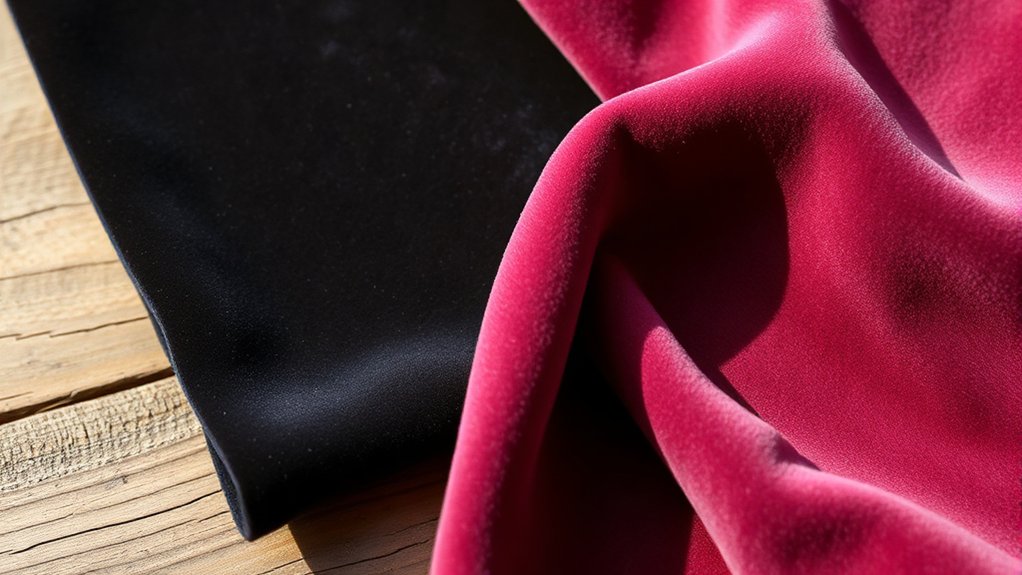
Velvet is woven with two layers of yarn and cut into a dense, plush pile, so it feels smoother and shines more dramatically.
Velveteen uses cotton on a simpler base, giving it a flatter, softer glow.
Velvet suits special occasions, while velveteen handles everyday use better, and there’s more to compare beyond that.
Key Takeaways
- Velvet is woven with two sets of yarn and cut pile, while velveteen uses simpler cotton construction.
- Velvet has a smoother, denser, shinier surface. Velveteen feels flatter with a softer, muted sheen.
- Velvet looks more luxurious and dramatic, while velveteen gives a subtler, more casual appearance.
- Velvet crushes more easily and suits low-wear items. Velveteen is more durable for everyday use.
- Velvet works best for formal décor, while velveteen is ideal for upholstery, jackets, and children’s clothing.
How Velvet and Velveteen Are Made
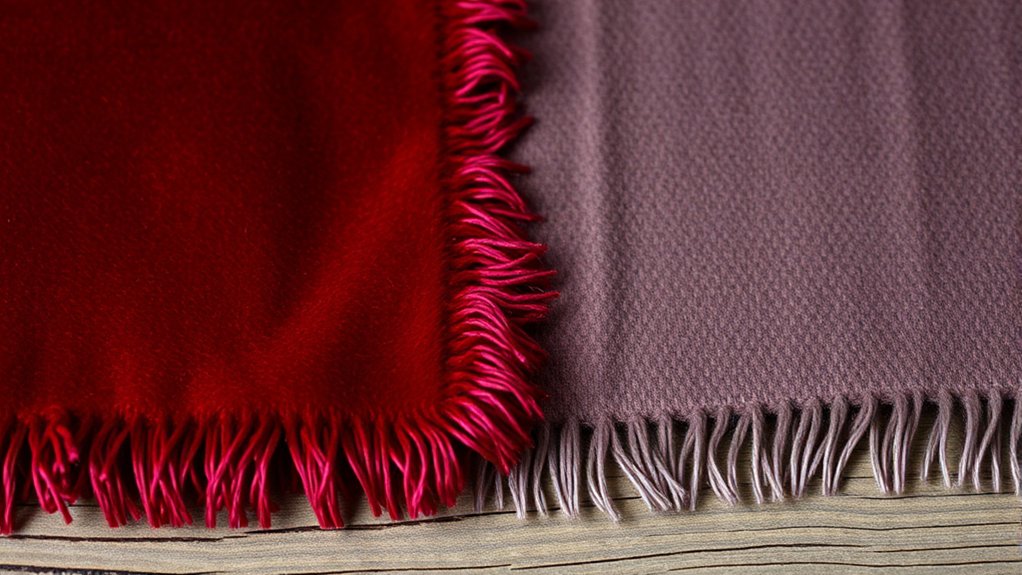
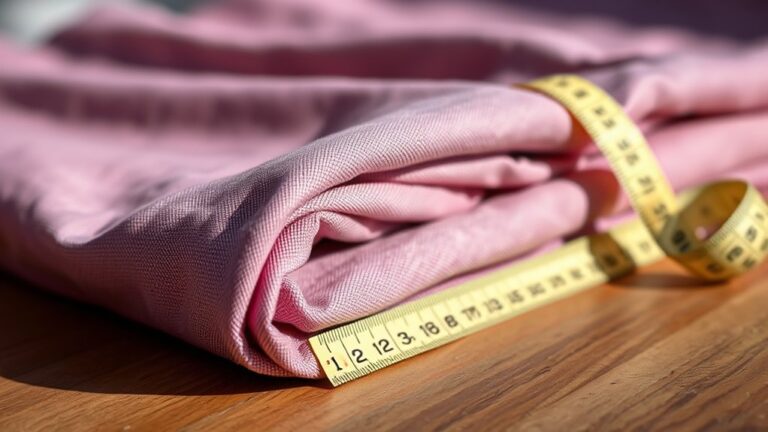
Velvet and velveteen may look similar, but they’re made quite differently. When you look at their fabric origins, you’ll see velvet began as a luxury cloth woven with two thicknesses of yarn, then cut apart to create its pile. That process uses specialized looms and precise production techniques, which help you understand why velvet often feels more complex to make.
Velveteen, by contrast, usually starts with cotton and uses a plain or twill base before the pile is added. You’ll notice manufacturers can produce it with simpler machinery, so it’s often more affordable and easier to make at scale.
If you’re comparing them, focus on how each fabric is built: velvet relies on an intricate weave, while velveteen depends on a cotton foundation with a shorter pile. Those construction differences shape each material’s identity from the start, long before it reaches your hands.
Velvet vs Velveteen: Texture and Shine
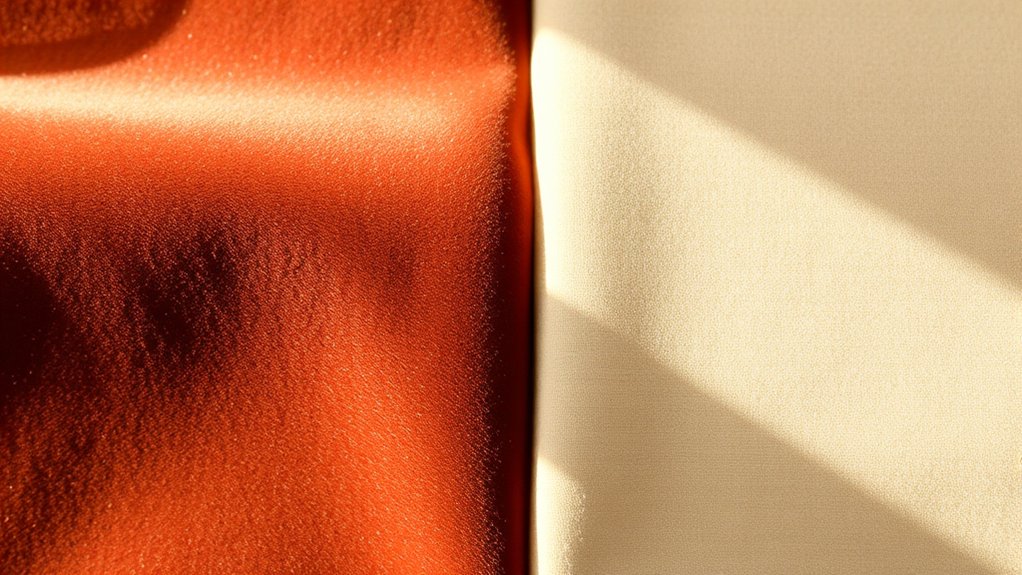
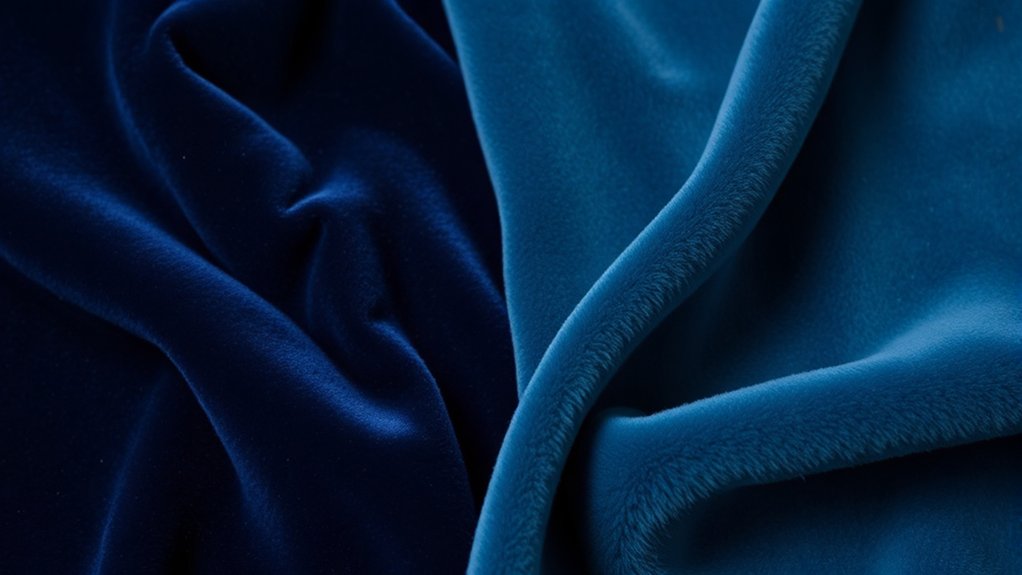
At first touch, you’ll notice velvet feels smoother, denser, and more plush, with a rich sheen that catches the light from different angles. That pile creates a luxurious surface, so the fabric characteristics stand out immediately when you run your hand across it.
Velvet feels smoother, denser, and more plush, with a rich sheen that catches the light beautifully.
Velveteen, by contrast, feels firmer and slightly flatter, with a shorter nap that gives it a softer glow instead of a dramatic shine. You’ll still see depth in the color, but the finish looks more muted and casual.
If you compare them side by side, velvet reflects light with a more dramatic, fluid effect, while velveteen offers a subtler visual appeal. This difference changes how each fabric looks in motion and in stillness.
When you want a bold, elegant luster, velvet usually delivers. When you prefer a gentler surface and a less reflective finish, velveteen gives you that understated look without losing softness.
Velvet vs Velveteen: Durability and Best Uses
When you choose between velvet and velveteen for everyday use, durability becomes a major factor. Velvet can look luxurious, but its pile crushes more easily. So, you’ll want to save it for low-wear pieces or special settings.
Velveteen feels sturdier and often handles frequent contact better, making it a practical pick for upholstery, jackets, and children’s clothing. If you’re weighing fabric longevity, consider how often you’ll use the item and how much friction it’ll face.
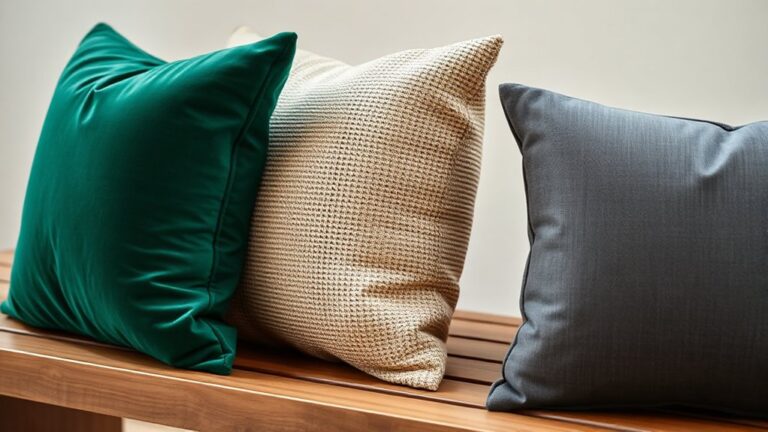
- Velvet suits formal drapery and accent pillows.
- Velveteen works well for chairs, skirts, and casual tailoring.
- You’ll preserve both fabrics by brushing them gently and avoiding harsh washing.
- Your best choice depends on usage scenarios, not just appearance.
For high-traffic spaces, velveteen usually wins. For rich visual depth with lighter use, velvet still stands out.
Frequently Asked Questions
Is Velveteen More Affordable Than Velvet?
Yes, velveteen’s usually more affordable than velvet. You’ll often pay less because velveteen uses simpler fibers and production methods, which keeps velveteen pricing lower.
Velvet, on the other hand, often costs more because it delivers richer drape, sheen, and that unmistakable velvet luxury. If you want a similar look on a budget, velveteen can give you a plush feel without stretching your spending.
Which Fabric Is Easier to Clean, Velvet or Velveteen?
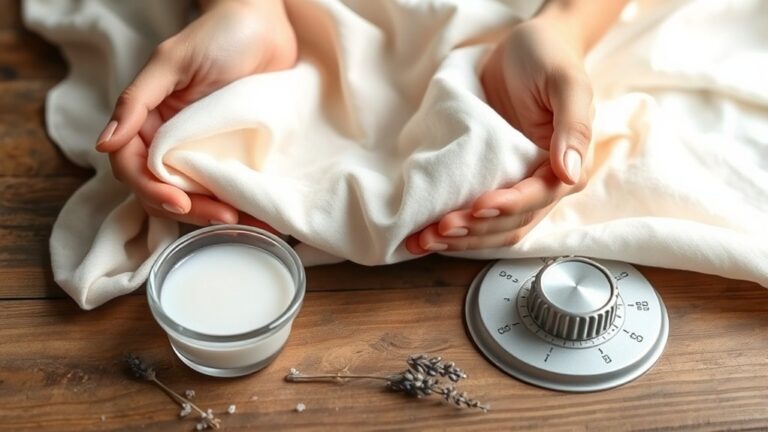
Velveteen is usually easier for you to clean than velvet because it’s more durable and less delicate. You can handle spills with simpler cleaning methods, like gentle brushing and spot cleaning. Velvet often needs more careful care.
For better fabric maintenance tips, vacuum both fabrics regularly and avoid harsh scrubbing. If you want lower-maintenance upholstery or clothing, velveteen’s the more practical choice for everyday use.
Does Velveteen Shrink More Than Velvet After Washing?
Yes, velveteen can shrink a bit more than velvet after washing because you’re usually dealing with a cotton-based pile fabric. Velvet often contains more stable fibers, which helps it hold up better.
You should check the care label, use gentle washing methods, and avoid high heat to protect fabric durability. If you wash both carefully, you’ll reduce shrinkage, but velveteen still tends to be a little less forgiving than velvet.
Can Velvet and Velveteen Be Dyed Different Colors Easily?
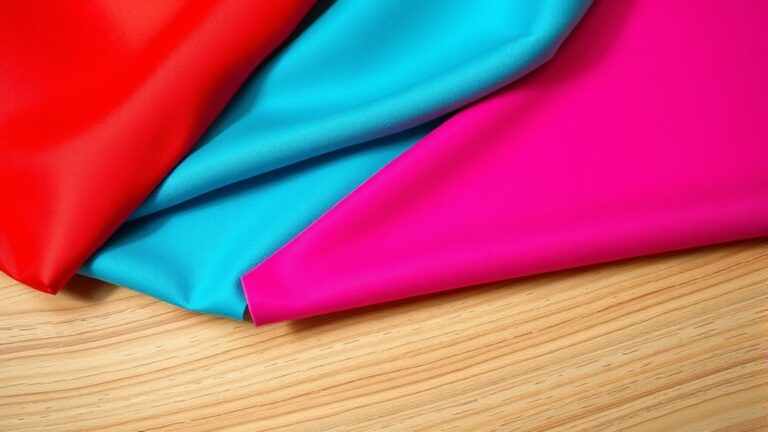
Yes, you can dye velvet and velveteen different colors, but you’ll get easier, more even results with velveteen. You can use the right dying techniques for each fabric type, yet velvet’s pile can absorb dye unevenly.
Check the colorfast properties first, since some blends hold color better than others. If you’re dyeing at home, test a swatch, control temperature, and use fabric-specific dye for the best finish.
Are Velvet and Velveteen Suitable for Upholstery?
Yes, you can use both for upholstery, but you’ll want to choose carefully. In a Victorian daydream, velvet gives you a plush, elegant look. Though, it can wear faster in busy rooms.
Velveteen offers a firmer feel and often handles everyday use better. Your texture comparison should favor velvet for luxury and velveteen for practicality.
For a durability analysis, check fiber content, weave, and cleaning needs before you decide.
Conclusion
If you’ve ever run your hand over velvet, you know it feels like a dimly lit theater curtain, smooth, rich, and instantly dramatic. Velveteen gives you a similar look but with a sturdier, more casual finish.
In your own projects, choose velvet when you want luxury and shine. Go for velveteen when you need durability and easier care.
Knowing the difference helps you match the fabric to the moment, not just the mood. That way, velvet vs velveteen becomes an easy choice based on what your project really needs.