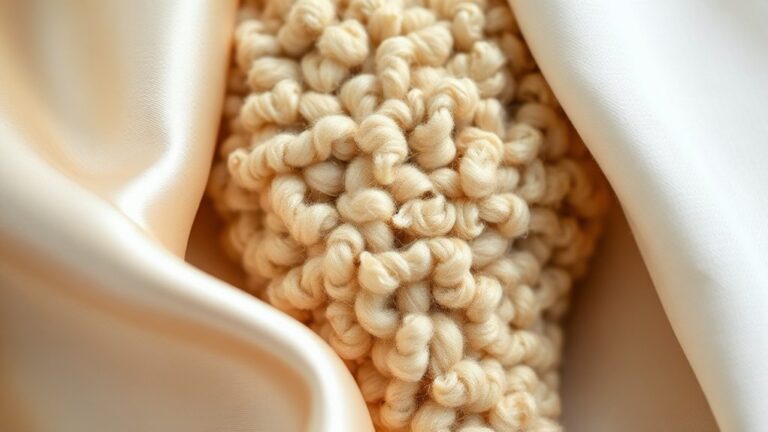
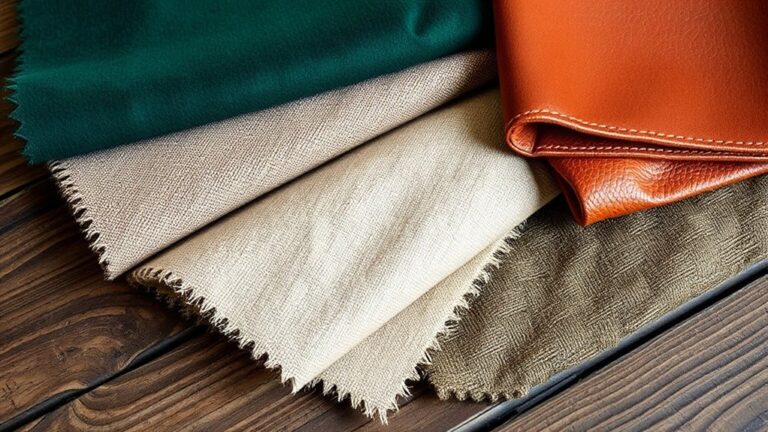
5 Key Differences: Muslin Vs Cheesecloth
Choosing the right fabric for your project can be confusing, especially when materials look similar but serve very different purposes.
If you’ve ever found yourself wondering whether muslin or cheesecloth is the better choice, you’re not alone. Many people struggle to understand the key differences and end up using the wrong fabric, which can affect the results.
Muslin and cheesecloth differ in five key ways: weave, texture, strength, use, and durability.
You’ll find muslin has a tighter, smoother weave, so it feels sturdier and holds up better for sewing, linings, and reusable projects.
Cheesecloth is looser, lighter, and more open, which makes it ideal for straining, wrapping, and other kitchen tasks.
If you want the right fabric for your project, the details ahead will help you choose with confidence.
Key Takeaways
- Muslin has a tighter, smoother weave, while cheesecloth is looser and more gauzy.
- Muslin is stronger and more durable. Cheesecloth tears more easily.
- Muslin works best for sewing, linings, and reusable projects.
- Cheesecloth is ideal for straining, filtering, and wrapping in cooking.
- Muslin feels softer and more structured. Cheesecloth feels rougher and airier.
What Is the Difference Between Muslin and Cheesecloth?

Muslin and cheesecloth may look similar, but they serve different purposes and have different weaves. When you compare them, you’ll notice muslin is usually a sturdier, more versatile cotton fabric, while cheesecloth is a lighter, looser material designed for straining and wrapping.
You can use muslin for sewing mockups, crafts, backing, and reusable kitchen tasks because its properties give it more body and durability. By contrast, cheesecloth applications focus on filtering liquids, making cheese, draining yogurt, and bundling herbs or spices.
If you need fabric that holds up to repeated use, muslin’s the better choice. If you need something airy that lets moisture pass through quickly, cheesecloth works better. So, your decision depends on the task: muslin offers strength and adaptability, while cheesecloth offers convenience for temporary food prep jobs.
Muslin Vs. Cheesecloth: Weave and Texture
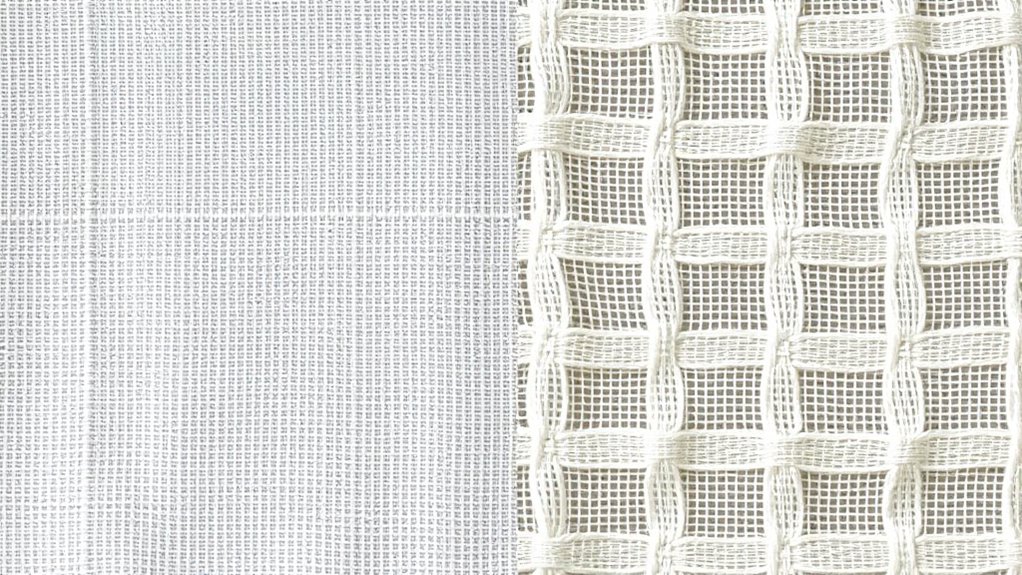
When you look more closely, the biggest difference shows up in how each fabric is woven and how that affects the feel. Muslin usually has a tighter, more even weave, so you get a smoother surface and a cleaner drape in your hands.
Muslin’s tighter, more even weave creates a smoother surface and a cleaner drape.
Cheesecloth uses a looser weave, which leaves more open spaces between the threads and creates a gauzier look. Those weave patterns change how each fabric feels against your skin and how clearly you can see through it.
You’ll also notice texture variations right away. Muslin feels soft and steady, with a consistent finish that works well when you want something calm and uniform.
Cheesecloth feels crisper, more open, and a bit rougher because its threads sit farther apart. If you rub them between your fingers, muslin feels controlled, while cheesecloth feels airy and irregular. That contrast makes each one useful for different visual and tactile effects.
Which Is Stronger: Muslin Or Cheesecloth?

At first glance, muslin is usually the stronger fabric because its tighter weave gives it more structure and resistance to tearing. When you handle both side by side, you’ll notice muslin durability holds up better under pulling, washing, and repeated use.
Cheesecloth feels lighter and more open, so it tears more easily and stretches less predictably. You get more support from muslin’s dense threads. Cheesecloth can snag with little force. Muslin keeps its shape better after laundering. Cheesecloth applications often rely on its loose, fragile build. Your choice depends on how much stress the fabric must take.
If you need a fabric that lasts, muslin usually wins. Cheesecloth can still work when you want softness and airflow, but strength isn’t its advantage. So, for tougher handling, you’ll generally trust muslin first.
Best Uses for Muslin and Cheesecloth
For practical projects, you’ll usually reach for muslin when you need a sturdy, versatile fabric and cheesecloth when you want something lightweight and airy. Use muslin for patterns, linings, backdrops, mockups, and reusable bags because it holds shape and handles sewing well.
In the kitchen, it works for strainers, herb bundles, and covering dough during proofing. Cheesecloth shines in cooking applications that call for draining, filtering, or wrapping, such as making broth, yogurt, nut milk, or soft cheese. You can also use it to dust foods with flour or icing sugar.
For crafting projects, cheesecloth adds texture to costumes, Halloween decor, and distressed displays, while muslin gives you a cleaner base for painting, dyeing, and practice stitching. When you need structure and repeat use, choose muslin. When you need breathability, drape, or fine filtering, choose cheesecloth.
How to Choose Between Muslin and Cheesecloth
Choosing between muslin and cheesecloth comes down to what you need the fabric to do. If you want a tighter weave for sewing, lining, straining, or reusable food wraps, muslin usually wins because it feels sturdier and lasts longer. You’ll also get more muslin benefits when you need a smoother surface and less stretch.
If you need something lightweight, highly porous, or easy to discard, cheesecloth fits better for quick filtering and rustic cooking tasks. Compare the fabric’s weave, durability, and cost before you buy, and think about how often you’ll reuse it.
- Choose muslin for projects that need strength.
- Choose cheesecloth for fast draining or straining.
- Check weave density before you shop.
- Consider washability if you’ll reuse it.
- Match the fabric to your exact cheesecloth applications.
Frequently Asked Questions
Can Muslin and Cheesecloth Be Dyed Easily?
Yes, you can usually dye both muslin and cheesecloth pretty easily, especially if they’re 100% cotton. You’ll get the best results with fiber-reactive dye or other cotton-friendly colorfast options.
Use proper dyeing techniques like prewashing, soaking, and stirring for even color. Cheesecloth may dye a bit faster because it’s looser and thinner, while muslin often takes color more evenly.
Test a small piece first so you can check the final shade.
Are Muslin and Cheesecloth Safe for Food Straining?
Yes, you can use muslin and cheesecloth for food straining if you choose clean, food-grade fabric. You should check fabric quality first because loose weave or chemical finishes can affect food safety.
Rinse the cloth before use, then strain soups, stocks, yogurt, or nut milk. You’ll get the best results with unbleached, lint-free material.
Wash it well after each use and replace it when it starts wearing thin.
How Do You Wash and Reuse Cheesecloth?
You rinse, soak, and scrub cheesecloth right away. First, shake out food bits, then wash it in hot, soapy water. Next, gently scrub stubborn stains, and finally rinse until the water runs clear.
You can boil it for extra sanitation, then air-dry it completely. For cheesecloth storage, keep it clean and dry in a sealed bag. With proper care, you’ll reuse it for many cheesecloth uses.
Does Muslin Shrink After the First Wash?
Yes, muslin can shrink a bit after its first wash, especially if it’s cotton and you use hot water or high heat. You’ll get the best muslin care by washing it in cool or warm water and air-drying it.
Because of its fabric properties, it may also soften and relax after washing. If you want to keep the size stable, prewash it before sewing or using it.
Which Fabric Is More Eco-Friendly?
Cheesecloth can be the more eco-friendly choice if you reuse it often, but you’ll usually find muslin wins for durability and less waste. You should look for sustainable sourcing and biodegradable materials in either fabric.
If you want a longer-lasting option, muslin often reduces replacements. If you need disposable use, unbleached cheesecloth can still be a greener pick. Choose natural fibers, and you’ll lower your impact overall.
Conclusion
When you’re choosing between muslin and cheesecloth, it helps to keep in mind that muslin is tighter, stronger, and more versatile, while cheesecloth is looser and better for straining. In fact, one study found that cooks using the right kitchen fabric can cut prep time by nearly 20%.
So, if you want durability and reuse, pick muslin. If you need quick draining or wrapping, go with cheesecloth. Either way, choosing the right fabric will make your cooking easier and faster with muslin vs cheesecloth.