Rayon Vs Cotton: 7 Key Differences
Choosing the right fabric for your wardrobe can be confusing, especially when you want something comfortable, durable, and affordable. You’re not alone—many people struggle to decide between popular options like rayon and cotton. Understanding their differences can help you pick the perfect fit for your lifestyle and needs.
Rayon and cotton differ in seven key ways:
- Rayon is semi-synthetic and made from wood pulp, while cotton comes from the plant.
- Rayon feels silkier and drapes fluidly, while cotton feels softer and holds shape.
- Rayon absorbs moisture fast, but cotton breathes well and wicks steadily.
- Cotton lasts longer.
- Rayon needs gentler washing.
- Cotton handles more wear.
- Rayon is usually cheaper.
If you keep going, you’ll uncover which fabric fits your lifestyle best.
Key Takeaways
- Rayon is semi-synthetic, made from wood pulp. Cotton, on the other hand, is a natural fiber grown and harvested from plants.
- Rayon feels silkier and drapes fluidly. Cotton feels softer, more matte, and holds its shape better.
- Rayon often breathes well and absorbs moisture quickly. But cotton is more reliable for everyday comfort and activity.
- Cotton is generally more durable and easier to wash. Rayon needs gentler care to avoid snagging and weakening.
- Rayon suits dresses and blouses. Cotton works best for T-shirts, towels, bedding, and other daily essentials.
Rayon vs Cotton: Key Differences
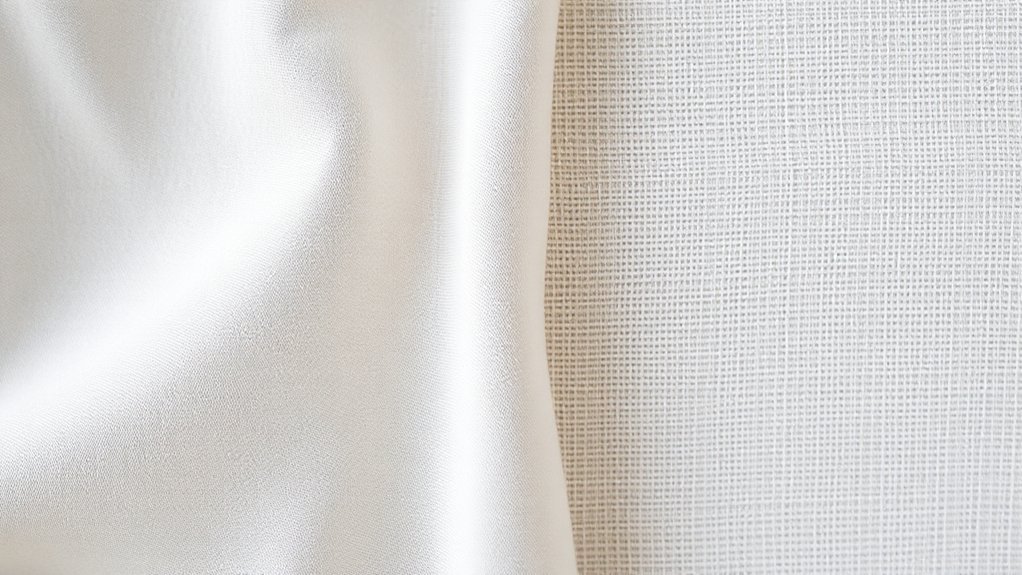
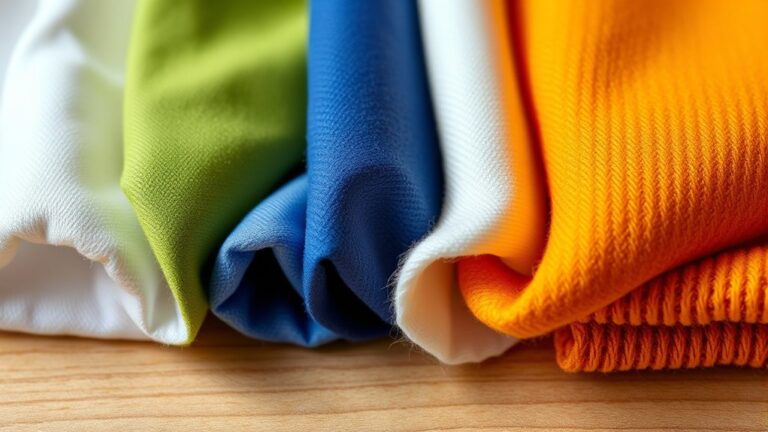
When you compare rayon and cotton, the biggest difference is where they come from: rayon is a semi-synthetic fiber made from wood pulp, while cotton is a natural fiber harvested from the cotton plant. You’ll notice rayon often feels smoother, drapes more fluidly, and can mimic silk in lightweight outfits.
Rayon comes from wood pulp and feels silky, while cotton is a natural fiber from the cotton plant.
Cotton usually feels softer, more breathable, and more structured, so it works well for everyday basics, tees, and warm-weather wear. If you want a fabric that follows fashion trends, rayon can give you a dressier look with less bulk.
Cotton, though, tends to handle frequent washing better and offers a familiar, versatile feel. You should also consider sustainability issues, since each fiber raises different concerns about resource use, processing, and disposal.
In short, your choice depends on comfort, appearance, care needs, and how much environmental impact you’re willing to accept.
How Rayon and Cotton Are Made

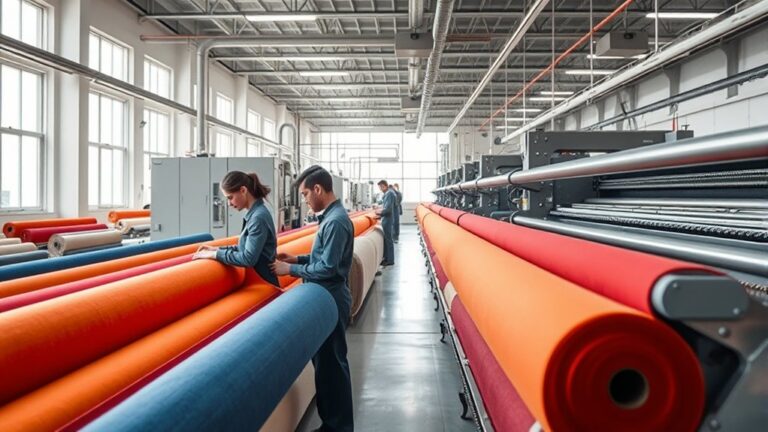
To understand why rayon and cotton behave so differently, it helps to look at how they’re made. You get cotton from natural fibers that grow in cotton bolls, then workers harvest, clean, and spin them into yarn. Rayon starts as wood pulp or other plant cellulose, which manufacturers break down, dissolve, and regenerate into fibers through chemical processing.
- Cotton grows in fields and needs farming, irrigation, and harvesting.
- Rayon begins with cellulose, then goes through industrial conversion.
- Cotton’s environmental impact depends on water use, pesticides, and farming methods.
- Rayon’s environmental impact depends on sourcing, chemicals, and wastewater control.
When you compare them, you’ll see sustainability practices matter in both supply chains. Cotton can be produced with organic methods, while rayon can improve when mills recycle solvents and manage emissions carefully. So, the way each fiber starts shapes its footprint long before it becomes fabric.
How Rayon and Cotton Feel
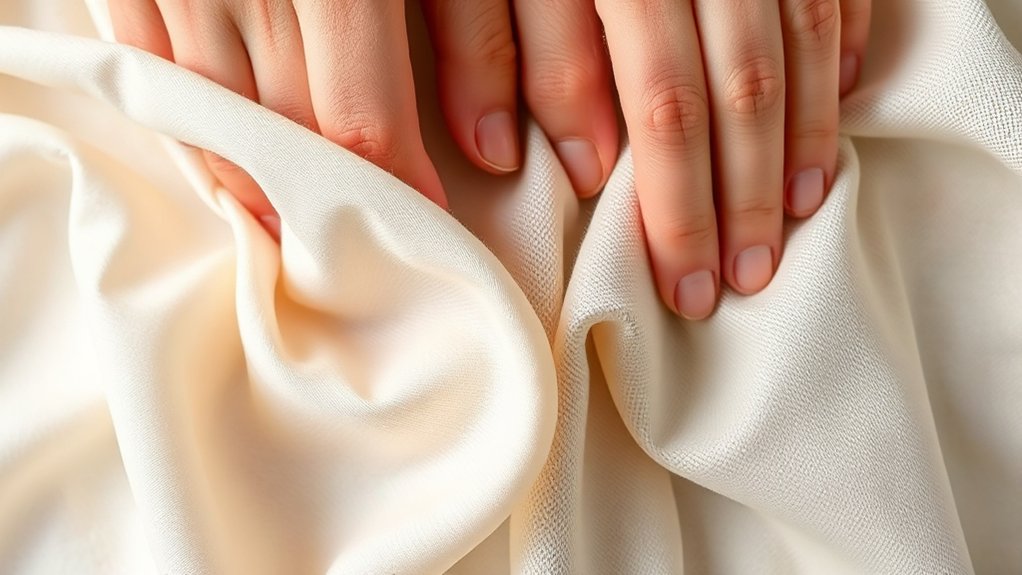
When you feel rayon and cotton, you’ll notice some differences in softness and texture right away. Rayon usually drapes and flows more smoothly. On the other hand, cotton often feels a bit more crisp and familiar.
You’ll also find that cotton tends to feel cooler and more breathable when you wear it every day. So, depending on what you’re looking for, each has its own nice qualities.
Softness And Texture
Rayon usually feels silkier and smoother to the touch, while cotton has a softer, more familiar texture with a slightly more natural, matte finish. When you want a luxury feel, rayon often seems more polished and refined against your skin. If you have skin sensitivity, cotton can feel gentler because it’s breathable and less slick.
- Rayon feels smooth and sleek.
- Cotton feels soft and calm.
- Rayon can seem cooler at first touch.
- Cotton offers a more lived-in, cozy handfeel.
You’ll notice rayon’s texture can feel almost fluid, while cotton gives you that classic everyday comfort. If you prefer a fabric that feels elegant and lightly glossy, rayon fits the bill. If you like dependable softness, cotton’s the easy choice.
Drape And Flow
Beyond softness, the way these fabrics move changes how they feel on your body. Rayon usually falls in loose, liquid folds, so you notice smooth drape characteristics that skim your shape instead of holding form.
When you wear it, the fabric often follows your motions with easy flow dynamics, creating a graceful, relaxed look. Cotton behaves differently. It tends to sit with more structure, so it can feel crisp, steady, and less fluid against you.
You may see sharper lines and a fuller outline, especially in heavier weaves. If you want clothing that hangs softly and moves with elegance, rayon often delivers that effect. If you prefer a fabric that keeps its shape and feels more stable, cotton gives you that firmer presence.
Breathability And Coolness
If you care most about staying cool, both fabrics can help, but they don’t do it the same way. Rayon often feels lighter and smoother, so it can seem cooler against your skin in warm weather, especially when air moves through it.
Cotton is one of the classic breathable fabrics, and it wicks moisture well, which makes it reliable for everyday comfort. In fabric comparisons, rayon may win for a sleek, airy touch, while cotton usually wins for steady, dependable cooling properties.
- Rayon feels soft and airy.
- Cotton breathes well all day.
- Rayon shines in humid seasonal wear.
- Cotton suits casual heat and sweat.
Breathability and Moisture Control
When you compare rayon and cotton, you’ll notice they handle airflow and ventilation a bit differently, which can change how comfortable they feel on your skin. Plus, each fabric soaks up moisture at its own pace. That means they pull sweat away from your body at different speeds.
This difference in moisture control also affects how quickly they dry. So, one might stay damp longer than the other, depending on the situation. It’s pretty interesting how these little factors can make a big difference in comfort.
Airflow and Ventilation
Airflow is one of the clearest differences between rayon and cotton, especially when you’re choosing fabric for warm or humid conditions. Rayon often feels lighter against your skin, so it can encourage better airflow properties in loose weaves.
Cotton, while still breathable, usually has a sturdier structure that can slow ventilation a bit. You’ll notice this when you need comfort in steady heat.
- Rayon lets air move freely through drapier fabric.
- Cotton offers reliable ventilation effectiveness in everyday wear.
- Loose weaves improve airflow in both fabrics.
- Fit matters as much as fiber choice.
If you want a cooler feel, choose rayon for flowing garments. If you want balanced, familiar airflow, cotton stays dependable and easy to wear.
Moisture Absorption Speed
Moisture absorption speed is another major difference between rayon and cotton, and it affects how dry you feel during wear. In this fabric comparison, rayon usually shows faster absorption rates, so you notice sweat moving off your skin quickly.
Cotton absorbs well too, but it often spreads moisture more gradually, which can influence comfort levels during active moments. If you’re choosing between them, think about performance factors like climate, movement, and how long you’ll stay in one outfit.
Rayon can help you feel less damp at first, while cotton offers dependable moisture retention that some people prefer for steady wear. Neither fabric wins every time; your choice depends on how your body handles humidity, how much you sweat, and the feel you want.
Drying Time Differences
Because drying time affects comfort just as much as absorption, rayon and cotton behave differently once they get wet. You’ll notice rayon usually dries faster because its fibers release water quickly. So airflow helps it regain comfort sooner.
Cotton holds moisture longer, which can feel heavier and delay wear. If you care about drying efficiency, rayon often wins for travel or warm weather. Cotton may suit situations where you don’t mind a slower dry.
Good drying techniques can improve both fabrics:
- Hang them with space around each item.
- Use a well-ventilated area.
- Avoid overloading the dryer.
- Remove them promptly after drying.
That simple care helps you control dampness, reduce odor, and keep each fabric ready to wear.
Durability for Everyday Wear
When you wear clothes often, cotton usually holds up better to repeated washing, rubbing, and general daily use than rayon. You’ll notice stronger wear resistance in cotton, so shirts, tees, and pants keep their shape and surface texture longer.
In this longevity comparison, rayon can look smooth and elegant, but it’s more prone to snagging, stretching, and weakening with frequent wear. If you sit, move, and wash items regularly, cotton gives you more dependable everyday durability.
Rayon can still work well for lighter-use pieces, like dressy tops or occasional outfits, where softness and drape matter more than toughness. Cotton also handles friction from bags, desk edges, and repeated folding with less visible damage.
How to Wash Rayon and Cotton
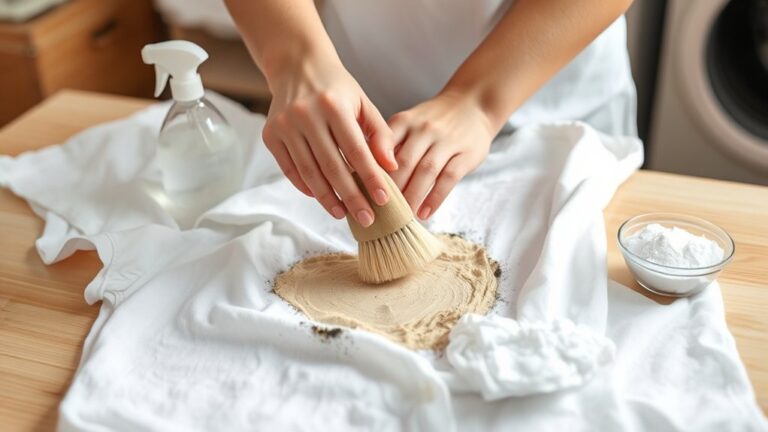
Rayon needs a gentler wash than cotton, so you’ll usually want to use cold water, a mild detergent, and a delicate cycle or hand wash to help it keep its shape. For both fabrics, turn garments inside out and avoid overcrowding the washer so water can move freely. These washing techniques reduce friction and help you protect fibers from unnecessary wear.
- Use cold or cool water.
- Choose a gentle, bleach-free detergent.
- Skip high heat in the washer and dryer.
- Reshape rayon while damp, then air-dry both fabrics.
When you follow the care instructions, cotton handles a bit more agitation, but you should still treat printed or fitted pieces with care. With rayon, keep washing brief and skip wringing, which can stretch the fabric. For cotton, you can usually machine wash it more easily, but separate dark colors to limit fading and keep whites bright.
Rayon vs Cotton: Price and Best Uses
Although both fabrics can work well, rayon usually costs less than high-quality cotton, especially if you’re comparing smooth, drapey blends to premium natural cotton. In a cost comparison, rayon can help you stretch your budget, while cotton often pays off through better fabric longevity and easier long-term wear.
| Fabric | Best Use |
|---|---|
| Rayon | Dresses, blouses, lining |
| Cotton | T-shirts, towels, bedding |
| Blend | Everyday clothes with comfort |
You’ll often choose rayon when you want a polished look, fluid movement, or a lower price for trend pieces. You’ll usually pick cotton when you need breathability, durability, and repeated washing without losing shape.
If you’re buying basics, active everyday wear, or home textiles, cotton is often worth the extra cost. If you’re shopping for special-occasion outfits or lightweight fashion items, rayon can deliver style without overspending.
Frequently Asked Questions
Is Rayon Eco-Friendly Compared With Cotton?
Not really. You’re looking at a mixed picture. Rayon can feel softer and use less water than cotton, but its sustainability concerns are real because production processes often rely on chemicals and energy.
If you choose rayon, you should look for certified, responsibly made options. Cotton can also be resource-heavy, especially conventional cotton.
Does Rayon Shrink More Than Cotton?
Yes, rayon usually shrinks more than cotton, especially if you wash it in hot water or tumble-dry it. You’ll notice shrinkage factors like heat, agitation, and fabric weave affecting how much it changes size.
With proper fabric care, you can reduce shrinkage by washing cold, avoiding high heat, and air-drying whenever possible. Cotton can still shrink too, but rayon often reacts more dramatically if you’re not careful.
Which Fabric Is Better for Sensitive Skin?
You’ll usually do better with cotton if your skin flares up easily. It feels like a soft cloud against you, breathes well, and often has lower irritation potential than rayon.
In this breathability comparison, cotton lets air move freely, helping you stay cool and comfortable. Rayon can feel silky, but it may trap moisture or irritate sensitive skin more, especially if you’re prone to itching, redness, or eczema.
Can Rayon and Cotton Be Blended Together?
Yes, you can blend rayon and cotton together, and you’ll often find them in clothing and home textiles. You get useful blending properties: rayon adds softness and drape, while cotton boosts breathability and durability.
This mix works well for shirts, dresses, bedding, and loungewear because it balances comfort and care. When you choose fabrics, look at the fiber ratio since it affects feel, shrinkage, and fabric uses.
Which Fabric Wrinkles Less, Rayon or Cotton?
Rayon wrinkles less than cotton, so you’ll usually get a smoother look with less effort. You might think cotton’s easier because you know it well, but rayon often offers better wrinkle resistance when you handle it gently.
For fabric care, you should hang it promptly, avoid overloading the washer, and use a low heat iron if needed. Cotton can wrinkle more, especially after washing or wearing.
Conclusion
So, when you’re choosing between rayon and cotton, think about what matters most to you: softness, breathability, durability, or ease of care. Cotton is the classic everyday choice, while rayon gives you a smoother, drapier feel.
Here’s a fun stat: cotton makes up about 25% of the world’s fiber production, showing just how trusted it is. In the end, you can’t go wrong. You just need the fabric that fits your lifestyle best, whether it’s rayon or cotton.