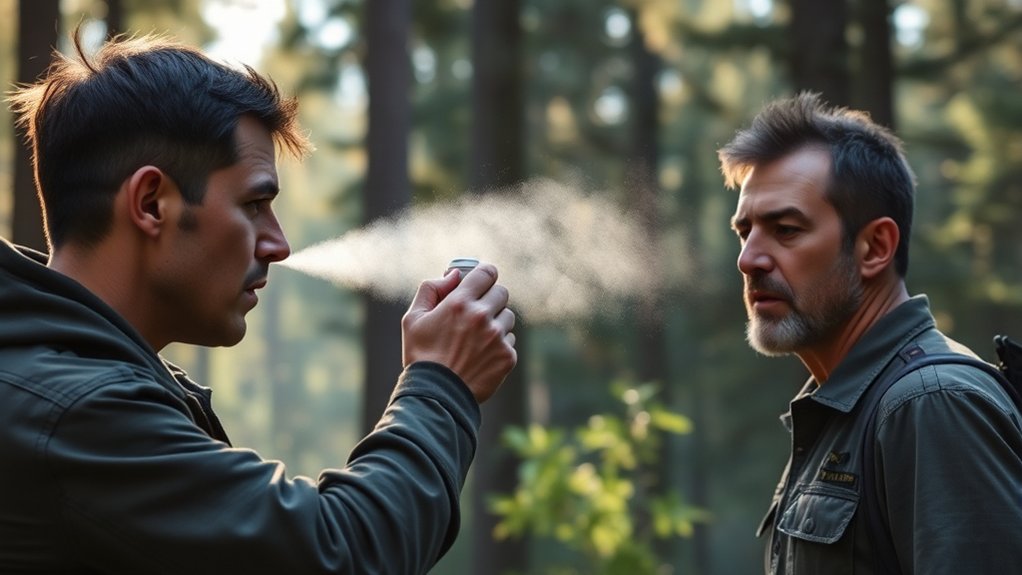
Is It Illegal to Spray a Human With Bear Spray?
If you’re concerned about personal safety, especially in areas where wildlife encounters are possible, you’re not alone. Many people look for effective ways to protect themselves without causing unnecessary harm or legal trouble.
Understanding how to use bear spray safely and legally is a common challenge.
Yes, it’s often illegal to spray a human with bear spray, and you could face assault or battery charges. If you use it on someone, police and courts will look at whether you had a reasonable, immediate belief that you were in danger and whether your response was proportional.
If you acted out of anger, intimidation, or without a real threat, you could face criminal and civil consequences.
There’s more to know about the rules.
Key Takeaways
- Spraying a person with bear spray can be illegal and may lead to assault, battery, or chemical weapon-related charges.
- Legality depends on local laws and the specific circumstances of the incident.
- Self-defense may justify use only if you reasonably feared an immediate threat and your response was proportionate.
- Using bear spray out of anger, intimidation, or without real danger can create criminal and civil liability.
- If exposed, move away, flush eyes and skin with cool water, and seek fresh air or medical help if needed.
Is It Illegal to Spray a Human With Bear Spray?
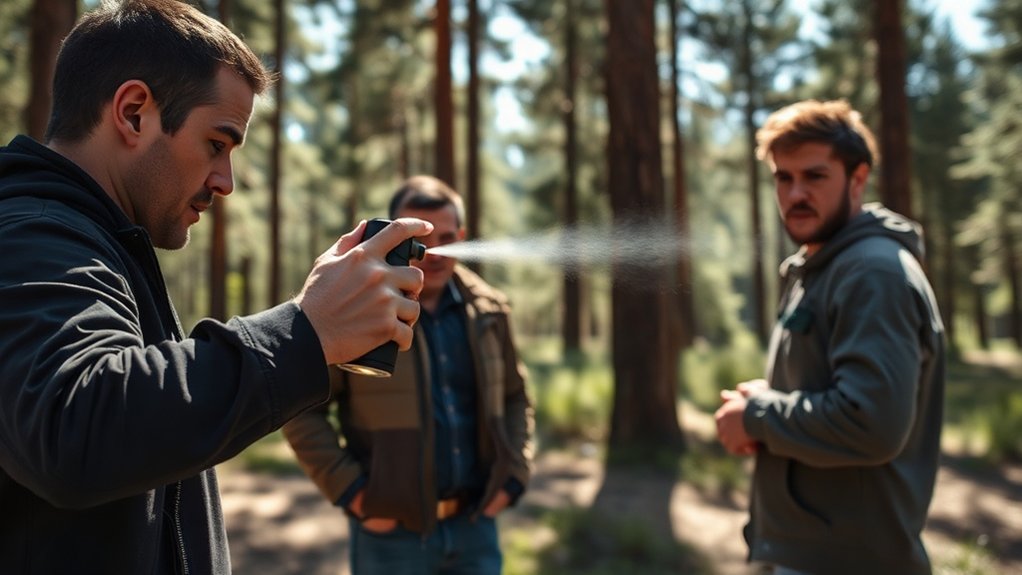
Yes, spraying a human with bear spray can be illegal, depending on the circumstances and your local laws. If you use it against another person, you may face legal implications tied to assault, battery, or unlawful use of a chemical irritant.
You should also consider ethical factors because bear spray can cause intense pain, breathing trouble, and temporary blindness. Even if you claim self-defense, you’ll usually need to show you reasonably believed you faced an immediate threat and used only the force necessary to stop it.
If you spray someone by mistake, recklessly, or in a non-emergency situation, authorities may still treat your actions seriously. Rules vary by state, province, and country, so you can’t assume bear spray is automatically allowed on people just because it’s sold for wildlife.
Before carrying it for protection, check local laws and understand when its use could cross the line.
When Bear Spray Use Can Count as Assault
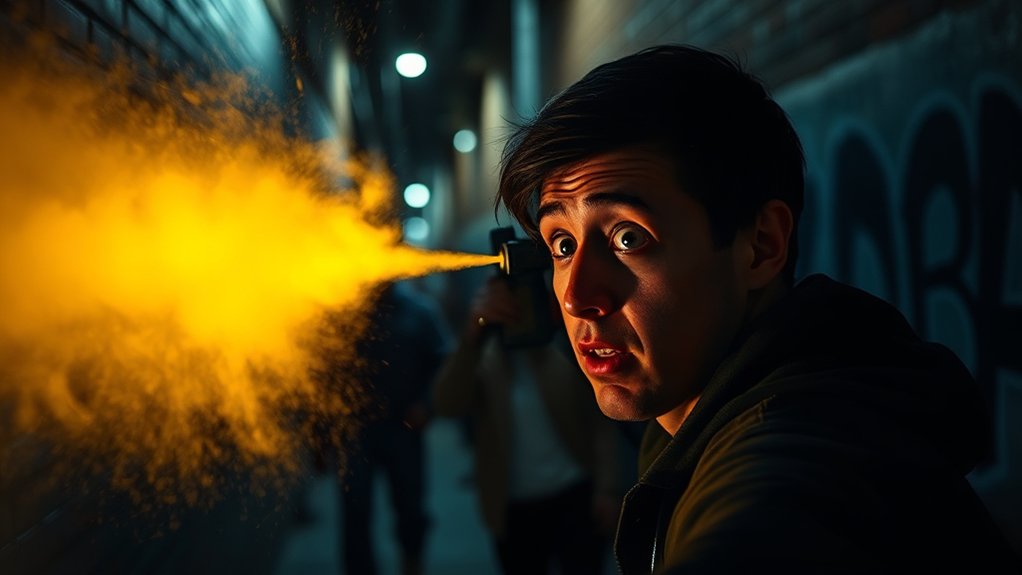
Bear spray can count as assault when you intentionally use it to threaten, scare, or harm another person without a lawful justification. You’re not just creating fear; you’re exposing yourself to criminal charges, civil claims, and lasting legal implications.
In many places, prosecutors look at your intent, the context, and whether you aimed the spray at someone’s face or body. If you act out of anger, revenge, or intimidation, the law may treat your conduct like any other assault.
| Situation | Possible Result |
|---|---|
| You spray someone in a dispute | Assault charge |
| You spray to intimidate | Criminal investigation |
| You cause injury | Civil lawsuit |
| You act recklessly | Serious penalties |
These outcomes also raise moral considerations, because your choice can leave someone panicked, in pain, and unable to breathe. Even a brief burst can feel violent and humiliating, so you should understand how fast a bad decision can cross the line.
Self-Defense Rules for Bear Spray
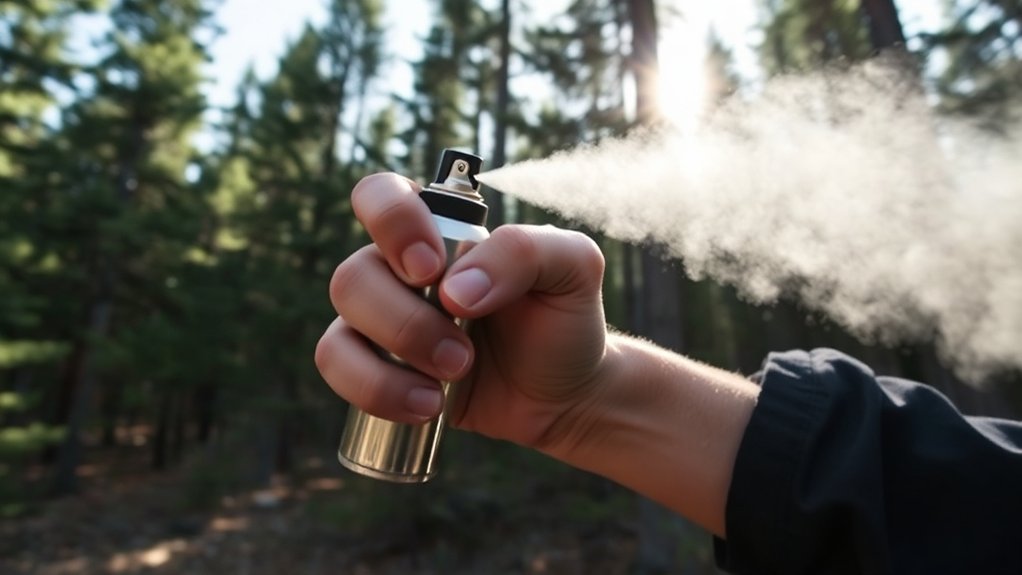
Self-defense can change the legal outcome, but it doesn’t give you a free pass to use bear spray whenever you feel threatened. You need an immediate, reasonable belief that someone’s about to hurt you, and you should use only the force necessary to stop that threat.
If you spray first because you’re angry, scared, or trying to win an argument, you risk legal consequences. You also need to think about bear spray effectiveness: it can temporarily blind and irritate a person, but it’s still a powerful chemical deterrent, not a casual personal-defense tool.
Keep your response limited to what’s needed to escape, create distance, or call for help. If you can safely leave, do that instead.
After any incident, report what happened and explain why you acted. Your words, actions, and timing matter a lot if police or a court later review the event, and they’ll look for consistency.
When Bear Spray Use Is Legally Justified
You can legally use bear spray only when you’re facing an imminent threat and self-defense rules support your response. In other words, the threat has to be immediate—not just something uncomfortable or annoying.
Also, your actions must stay within reasonable force limits. If you end up using more force than the situation calls for, you might lose that legal protection. So, it’s important to use bear spray carefully and only when it’s truly necessary.
Self-Defense Standards
Legally, bear spray is justified only when you reasonably believe you’re facing an imminent threat of unlawful force and you use only the amount of force necessary to stop it. Under self defense laws, you can’t use it to punish, intimidate, or retaliate after the danger has passed.
You also need to follow bear spray regulations, including lawful possession and responsible use. If you spray someone, a court will look at your perception, your response, and whether a less forceful option would’ve worked.
You should be able to explain why you acted, but your account must stay tied to protecting yourself, not escalating the confrontation. If you go beyond what’s reasonable, you may face assault charges or civil liability.
Imminent Threat Criteria
An imminent threat means the danger is immediate or about to happen right now. It’s not something that’s only hypothetical, delayed, or already over.
If you face imminent danger, you can usually justify bear spray only when the other person’s actions show a real, present risk. Courts look at legal definitions and your perception of the scene.
| Fact | What it shows | Legal effect |
|---|---|---|
| Raised fist | An attack may start | Supports justification |
| Active chase | You can’t safely escape | May confirm threat |
| Verbal threat alone | No immediate harm yet | Often not enough |
You should judge the threat based on what you see, hear, and reasonably expect in that moment.
Reasonable Force Limits
Reasonable force is the other half of the self-defense question: even if you’re facing an imminent threat, bear spray is only justified if the amount of force you use matches the danger. You can’t use it to punish, intimidate, or stop a minor shove.
In self defense scenarios, you need to show that you believed the spray was necessary to prevent harm and that no safer option would’ve worked in time. Courts look at what you knew in the moment, not with hindsight.
If you had a chance to retreat safely, call for help, or use less force, bear spray may cross the line. Always respond to the threat level, not your anger, and limit use to what’s needed to escape.
Criminal Charges You Could Face
If you spray a person with bear spray, prosecutors could treat it as an assault offense. The exact charge often depends on whether you acted intentionally, whether the other person was injured, and whether the spray was used in self-defense. Your criminal intent matters because it can raise the charge and increase the legal consequences you face.
| Charge type | What it means | Possible result |
|---|---|---|
| Simple assault | You caused unwanted contact or fear | Misdemeanor charge |
| Aggravated assault | You caused serious harm or used a weapon | Felony charge |
| Reckless conduct | You acted carelessly and endangered someone | Fines or jail |
If you sprayed without lawful justification, police may arrest you, and prosecutors could file charges quickly. Even one burst can support a case if it caused pain, eye irritation, or breathing problems. Don’t assume bear spray is harmless just because it’s sold for wildlife. Used on a person, it can trigger criminal charges.
Civil Liability After a Bear Spray Incident
Even when criminal charges don’t follow, you can still face a civil lawsuit after spraying someone with bear spray. In civil court, the other person can ask you to pay for medical bills, lost income, pain, and emotional harm. You may also owe damages if your actions ruined clothing, glasses, or other property. Even if you thought you were protecting yourself, a judge or jury can still decide you used too much force.
- You can be sued for injuries you caused.
- You may owe compensation beyond court fines.
- Your liability insurance might not cover intentional harm.
- You could spend time and money defending civil lawsuits.
Don’t assume a warning label protects you. If you carry bear spray, understand that using it on a human can create serious financial exposure. Legal trouble doesn’t end with arrest; it can continue through claims, settlements, and judgments.
What Police Consider After an Incident
Police will usually look at the facts right away: who started the confrontation, whether you faced an immediate threat, what alternatives you had, and whether the spray was used in a way that matched the danger.
Officers may separate everyone involved, check for injuries, and ask witnesses what they saw. You can expect them to compare each account against physical evidence, video, and scene details.
During police procedures, they’ll note whether you warned the other person, tried to leave, or acted after the threat ended. They also rely on incident reports, so your words matter. Be consistent, stick to facts, and avoid guessing about intent or distance.
If you gave a statement, officers may document how much spray you used and where it hit. They may also consider whether you acted defensively or escalated the dispute. Clear cooperation can help the record show what happened and why you believed you needed to act.
How State Laws Treat Bear Spray
State laws can treat bear spray differently depending on where you are, and that difference matters because some places classify it as a self-defense spray while others regulate it more strictly when you use it against a person. You need to check local bear spray regulations before you rely on it, because the same can may be lawful to carry yet unlawful to deploy in a fight.
- Some states limit use to animal defense.
- Others apply assault or battery laws if you target a human.
- A few treat misuse as weapon-related conduct.
- Permits, age rules, or transport limits may also apply.
If you spray someone, prosecutors can still argue intent, injury, and proportionality, and those facts drive legal consequences. You shouldn’t assume wilderness rules protect you in town. Instead, know your state code, because your location can change how officers, courts, and judges see the incident.
What to Do If Someone Sprays You
If someone sprays you with bear spray, get away from the area immediately and focus on flushing your eyes, skin, and clothing with plenty of cool water. Blink often while rinsing your eyes, and keep your face angled downward so the runoff doesn’t spread the spray.
Remove contaminated clothing as soon as you can, but avoid rubbing your skin. Wash exposed areas with soap and water, then seek fresh air. If you wear contacts, take them out after you’ve rinsed your eyes.
Remove contaminated clothing promptly, wash skin with soap and water, and move into fresh air.
Expect burning, tearing, coughing, and temporary vision problems, but get medical help right away if you have trouble breathing, severe eye pain, or symptoms that don’t fade. If an assault caused the exposure, document what happened and contact police.
You can also ask a lawyer for legal advice about reporting, evidence, and your options. Keep the canister, if available, and note the time, place, and witness names for first aid follow-up and any investigation.
Safer Alternatives for Defending Yourself
You can protect yourself without reaching for bear spray by carrying safer personal safety devices like a whistle, alarm, or flashlight. These tools are easy to use and can draw attention quickly if you need help.
You should also practice de-escalation techniques. Things like keeping your distance, staying calm, and using clear, firm language can make a big difference.
Personal Safety Devices
When you’re thinking about safer alternatives for self-defense, personal safety devices can offer protection without the legal and physical risks of bear spray. You can choose tools that support personal safety while staying mindful of legal implications in your area.
- A loud personal alarm can draw attention fast and startle a threat.
- A flashlight with a strobe mode can disorient and help you see clearly.
- A whistle gives you a simple, low-cost option for signaling danger.
- A phone safety app can share your location and alert contacts quickly.
Carry the device you’ll actually use, keep it accessible, and learn local rules before buying. The right tool won’t guarantee safety, but it can help you respond more responsibly and lawfully.
De-Escalation Techniques
De-escalation can be the safest first response when a tense encounter starts to build, because your goal is to lower risk before anyone gets hurt. You should keep your voice calm, your hands visible, and your distance steady.
Use verbal de-escalation by asking simple questions, setting clear boundaries, and avoiding insults or threats. If possible, step aside, create space, and look for exits or help. Don’t match the other person’s anger; instead, slow the pace and speak in short, respectful phrases.
Conflict resolution works best when you focus on the immediate problem, not winning the argument. If the situation keeps escalating, leave if you can and call for assistance. Choosing calm communication can protect you better than force.
Frequently Asked Questions
Can Bear Spray Cause Permanent Eye Damage?
Yes, bear spray can cause permanent eye damage, especially if you get heavy chemical exposure or you don’t flush it quickly. You should treat it like a serious irritant and use eye protection if you’re handling it.
It can cause intense burning, swelling, blurred vision, and corneal injury. You need to rinse your eyes with lots of water right away and get medical help if symptoms don’t improve fast.
How Long Does Bear Spray Last on Skin?
Bear spray can irritate your skin for 30 minutes to several hours, depending on how much got on you and how quickly you washed it off. You’ll likely feel burning, redness, and swelling.
Rinse the area with lots of cool water, then wash gently with soap. Don’t rub your skin. If symptoms linger or worsen, follow safety precautions and get medical help, especially if it reaches your eyes or mouth.
Is Bear Spray Legal to Carry in Airports?
Yes, you can’t usually carry bear spray through airport security in your carry-on, and airlines often restrict it in checked bags too. You should check bear spray regulations for your airline and destination before you travel, because rules vary by country and airport.
If you’re flying to a place where you’ll need it, buy it after you land. You’ll avoid delays, confiscation, and fines by planning ahead carefully.
Does Bear Spray Expire Over Time?
Yes, bear spray does expire over time. You might assume it lasts forever, but that’s not true, and that realization can be unsettling when safety matters.
Check the canister’s expiration date and inspect it regularly. The bear spray ingredients can degrade, which can reduce its effectiveness.
You should replace old spray before it fails you. Store it properly, and you’ll keep your protection reliable when you need it most.
Can Pets Be Harmed by Bear Spray?
Yes, you can harm pets with bear spray, so you should keep it away from them. Bear spray safety matters because the capsaicin can irritate eyes, skin, and lungs.
You may see strong pet reactions like coughing, drooling, pawing, or panic. For animal welfare, avoid using it near animals unless it’s an emergency.
Spray effectiveness is high, but you shouldn’t test it on pets or in enclosed spaces.
Conclusion
So, is it illegal to spray a human with bear spray? Most times, yes, unless you’re acting in lawful self-defense and the facts back you up.
If you use it recklessly or to punish someone, you could end up facing assault charges and a very bad day. Remember, as the old warning goes, every action has its own consequences.
If you’re ever threatened, call police first and use force only when you truly must. In summary, it can be illegal to spray a human with bear spray unless justified by self-defense.