Polyester Vs Cotton: 10 Key Differences
Choosing the right fabric for your clothes can be surprisingly tricky. If you’ve ever struggled to decide between polyester and cotton, you’re not alone. Many people want comfortable, durable clothing that fits their lifestyle but aren’t sure which material will deliver the best performance day to day.
Polyester and cotton differ in feel, breathability, moisture handling, durability, and care. You’ll usually find cotton softer, cooler, and gentler on sensitive skin, while polyester feels smoother, dries faster, and holds up better over time.
Cotton absorbs sweat but can wrinkle and shrink more, while polyester resists wear and keeps its shape.
Your best choice depends on comfort, activity, and maintenance needs, and there’s more to uncover in how each fabric performs day to day.
Key Takeaways
- Cotton feels softer, more breathable, and gentler on sensitive skin, while polyester feels smoother and more synthetic.
- Cotton regulates heat better in warm weather, but polyester can trap more warmth unless specially ventilated.
- Polyester wicks sweat and dries faster, whereas cotton absorbs moisture and can stay damp longer.
- Polyester is more durable, wrinkle-resistant, and easy to care for. Cotton can shrink, fade, and wear faster.
- Cotton suits casual wear and layering, while polyester is better for activewear and performance clothing.
Cotton Vs Polyester: Feel and Comfort

When you compare cotton vs polyester for feel and comfort, cotton usually wins for softness and breathability, while polyester tends to feel smoother, lighter, and more moisture-wicking. In a texture comparison, you’ll notice cotton often feels natural and slightly plush against your skin, especially after a few washes.
Polyester usually feels slicker and more uniform, which some people like for a clean, modern touch. Your comfort choice depends on how you like fabric to sit, stretch, and move with you throughout the day.
When you check softness levels, cotton often starts out gentler, while polyester can feel crisp at first but stays consistent longer. If you prefer a familiar, cozy hand feel, cotton may suit you better. If you want a sleek, low-friction surface, polyester can feel more comfortable. Your personal preference matters most.
Cotton Vs Polyester: Breathability and Heat

Cotton usually feels cooler in warm weather because it’s breathable and lets air circulate more easily. Polyester tends to trap more heat unless it’s specially engineered for ventilation. You’ll often notice cotton helping with temperature regulation during mild or hot days.
Polyester can still work well, but its fabric insulation makes it hold warmth closer to your body.
| Fabric | Heat Feel |
|---|---|
| Cotton | Cooler |
| Polyester | Warmer |
| Cotton blend | Moderate |
| Performance polyester | Variable |
| Looser weave | Airier |
When you choose between them, think about how active you’ll be and how warm the environment is. If you want a shirt that feels breezy, cotton usually wins. If you want more heat retention, polyester may suit you better.
The weave, fit, and finish also change how each fabric manages heat.
How Cotton and Polyester Handle Moisture
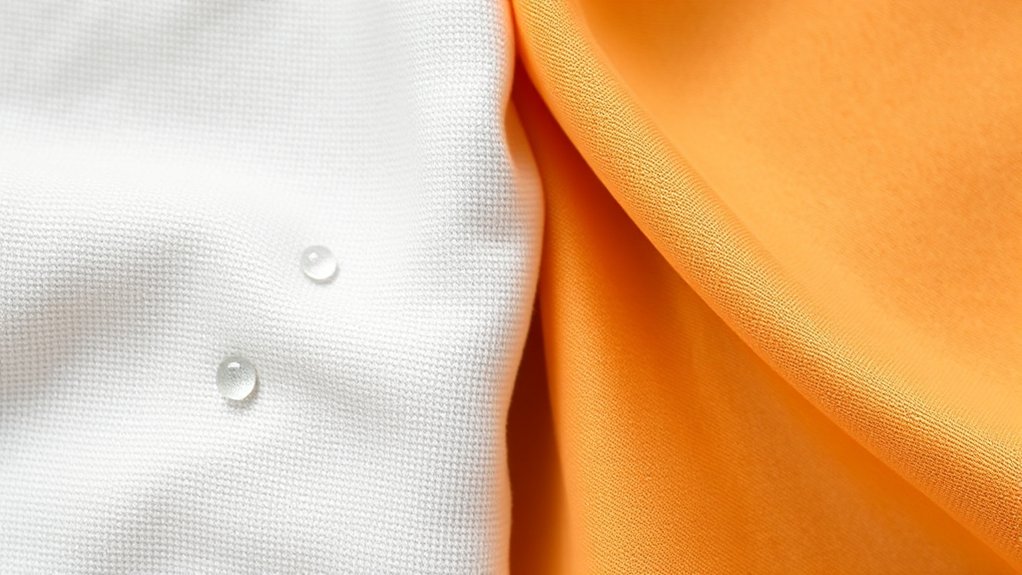
Moisture management is one of the biggest differences between cotton and polyester. When you wear cotton, you usually get stronger moisture absorption. It soaks up sweat and feels comfortable at first.
Cotton absorbs sweat well, giving you a soft, comfortable feel at first.
The downside is that cotton holds onto that moisture longer, which can leave you feeling damp during workouts, humid weather, or long days outdoors. Polyester works differently. It doesn’t absorb nearly as much water, so sweat moves through the fabric more quickly and dries faster on your skin.
That gives you better drying efficiency and helps you stay lighter and less clammy. If you want a fabric for active use, polyester often performs better because it manages sweat instead of storing it.
If you prefer a softer, more natural feel and don’t mind slower drying, cotton can still work well for everyday wear. Your choice depends on whether comfort, absorption, or quick drying matters most to you.
Wrinkles, Shrinkage, and Shape Retention
Another major difference between cotton and polyester is how they handle wrinkles, shrinkage, and shape retention. If you want a fabric that looks smoother after sitting, polyester usually gives you better wrinkle resistance. Cotton tends to crease more easily, so you may need to iron it more often to keep it neat.
Cotton can also shrink after washing, especially if you use hot water or high heat in the dryer. Polyester keeps its size better and offers stronger shape stability, so your clothes stay closer to their original fit.
- Cotton wrinkles faster and may need regular pressing.
- Polyester resists shrinking and keeps its form.
- Blends can balance softness, comfort, and easy care.
If you care about a crisp look with less maintenance, polyester often wins. If you prefer a natural feel and don’t mind extra care, cotton can still work well for your wardrobe.
Polyester Vs Cotton: Durability and Wear
Regarding durability, polyester usually holds up better to repeated wear, stretching, and abrasion, so it often lasts longer in everyday clothing and activewear. You’ll notice that its synthetic fibers resist fraying and thinning, which can boost fabric longevity when you wear and move a lot.
Cotton feels softer and more breathable, but it can show wear sooner at stress points like seams, elbows, and knees. If you choose cotton, look for tighter weaves or blends to improve how it handles frequent use.
Polyester can also keep its structure through regular use, making it a practical pick for uniforms, travel pieces, and workouts. To extend either fabric’s life, follow simple maintenance tips like avoiding excessive heat and limiting rough washing cycles.
When you match the fabric to your routine, you’ll get better wear, fewer replacements, and a wardrobe that stays reliable longer.
Which Fabric Is Easier to Clean?
When you compare polyester and cotton, stain resistance is usually the first thing that stands out. Polyester tends to wash out stains more easily and dries faster. On the other hand, cotton can soak up spills and often takes longer to dry. So, if you’re looking for something low-maintenance, it’s worth thinking about how each fabric deals with everyday messes.
Stain Resistance
Polyester usually wins on stain resistance because its synthetic fibers don’t absorb spills as quickly as cotton does. When you compare stain types, you’ll notice grease and dye sit on polyester longer, giving you more time for stain removal.
Cotton’s higher absorption differences can let liquid sink in fast, which may create tougher marks and more colorfastness issues.
- You can often use simpler cleaning methods on polyester.
- Fabric treatments can boost protection on both fabrics.
- Good prevention tips reduce damage before it starts.
If you want fewer surprises, follow the care instructions on the label and act fast after spills. You’ll usually get better results with polyester, but cotton can still respond well when you treat stains quickly and carefully.
Washability
If you want the easier fabric to clean, polyester usually comes out ahead because it sheds dirt, dries quickly, and handles routine washing with less fuss. You can follow simple fabric care steps and usually skip special washing techniques.
Choose a mild detergent, since harsh products aren’t necessary, and use stain pre treatment on trouble spots before the cycle starts. Cotton needs a little more attention: it can absorb grime, so your detergent choice and machine settings matter more.
Wash it in warm or cool water to reduce colorfastness issues, and avoid overloading the washer. Both fabrics respond well to basic fabric softeners, but polyester rarely needs them. For either one, read the label first and match your washing routine to the garment’s blend and finish.
Drying Speed
Because it holds far less water than cotton, polyester usually dries much faster and is easier to manage after washing. You’ll notice better drying efficiency whether you hang it indoors or toss it in a machine. Cotton, by contrast, traps moisture in its fibers, so it can stay damp much longer and may need extra drying methods.
- Polyester releases water quickly, so you save time.
- Cotton often needs more heat or airflow to dry fully.
- Faster drying can help reduce musty odors and simplify laundry.
If you want less waiting and easier cleanup, polyester wins on speed. Cotton can still work well, but you’ll need more patience and attention to drying conditions to keep it fresh and ready to wear.
Polyester Vs Cotton: Cost and Value
When you’re comparing polyester and cotton on cost and value, price is only part of the picture. Polyester usually wins the affordability comparison because you can buy it for less upfront. It often handles frequent washing without quickly looking worn.
That can make it a smart long-term investment if you want lower replacement costs over time. Cotton usually costs more at checkout, especially when you choose higher-quality weaves or premium fibers. But it can offer strong value if you prefer natural materials and a softer feel.
You should also think about how often you’ll wear the item, how well it keeps its shape, and whether you’re buying basics or pieces for occasional use. If you need budget-friendly durability, polyester often delivers. If you want a garment that feels more refined and lasts through careful use, cotton can justify the extra spend.
Skin Sensitivity and Irritation
If you’ve got sensitive skin, the fabric you wear can really make a difference in how often you feel irritation or itching. Cotton usually feels more breathable and comfortable. On the other hand, polyester tends to trap heat and moisture, which can bother your skin.
If allergies are a concern, you’ll often find cotton to be the friendlier choice. So, when picking out clothes, it’s worth keeping that in mind!
Skin Irritation Risk
Skin irritation risk often comes down to how your skin reacts to the fabric’s texture, breathability, and moisture retention. If you have fabric sensitivity, polyester may trigger irritation symptoms sooner because its smooth synthetic fibers can rub or cling.
Cotton usually feels gentler, so you’re less likely to notice itching, redness, or a prickly sensation.
- Choose cotton if you already react to synthetic blends.
- Test new clothing on a small skin area first.
- Watch for flushing, bumps, or persistent discomfort after wear.
You can still tolerate polyester if the weave is soft and your skin isn’t reactive, but cotton often feels safer for sensitive skin. Pay attention to how your body responds, then pick the fabric that keeps you comfortable most.
Breathability And Comfort
Breathability plays a big role in how comfortable a fabric feels against sensitive skin because it affects heat, airflow, and moisture buildup. When you wear cotton, you usually get better sweat absorption and steadier temperature regulation, so your skin stays drier and cooler.
Polyester can feel slick and trap warmth more easily, which may make you notice clamminess during long wear.
| Fabric | Comfort effect |
|---|---|
| Cotton | Feels airy and soft |
| Polyester | Holds more heat |
| Blends | Balance comfort and durability |
If you’re active or live in a warm climate, you’ll probably prefer the fabric that lets your skin breathe. That simple difference can change how fresh you feel all day, especially when movement raises body heat.
Allergy-Friendly Fabric Choice
When you have sensitive skin or allergies, the fabric you choose can make a real difference in irritation. Cotton often feels safer because it’s soft, breathable, and less likely to trigger sensitivity reactions.
Polyester can trap heat, sweat, and residue, which may worsen itching or redness for some people. If you’re comparing them for allergy-friendly wear, look at these points:
- Choose cotton when you want a gentler, natural feel.
- Avoid tightly woven polyester if your skin reacts easily.
- Wash new fabrics before wearing them to reduce irritants.
Cotton also offers stronger hypoallergenic properties for many wearers, especially in bedding and underwear. Still, you should test any fabric against your skin, since dyes, finishes, and blends can affect comfort just as much as the fiber itself.
Best Uses for Clothing, Bedding, and Activewear
For everyday clothing, polyester works well when you want durability, wrinkle resistance, and quick drying, while cotton is usually the better pick for softness and comfort against your skin. You’ll often see both in fashion trends because each supports different seasonal preferences and style versatility.
For tees, dresses, and uniforms, polyester can handle frequent wear, while cotton feels cooler in relaxed pieces and garment layering. In bedding, cotton usually gives you a breathable, natural feel that suits warm sleepers, while polyester can add easier care and shape retention.
For activewear, polyester often wins because it wicks sweat and keeps color retention strong through workouts. Many fabric blends combine the best qualities of both, and your material sourcing choices can support eco friendly options.
Pay attention to fabric weights and washing techniques, since they affect comfort, performance, and how long each item lasts.
How to Choose Between Cotton and Polyester
When you’re deciding between cotton and polyester, start by thinking about comfort and breathability. Cotton usually feels softer and lets air flow through more easily, which is great if you want something cozy to wear. On the other hand, if you need fabric that holds up well and is easy to care for, polyester often offers more durability and requires less maintenance. So, consider how you’ll be using the fabric most, and then go with the one that fits your routine best.
Comfort And Breathability
If comfort and breathability matter most, cotton usually feels softer and lets air move more easily. This makes it a strong choice for warm weather or all-day wear. You’ll notice it tends to suit different texture preferences because it has a natural, relaxed feel against skin.
Polyester can still work well when you want a smoother, lighter drape, but it often traps more warmth.
- Choose cotton when you want cooler airflow.
- Choose polyester when you prefer a slicker finish.
- Match fabric choice to seasonal suitability and activity level.
When you’re deciding, think about how each fabric feels during movement, humidity, and long hours of wear. Cotton often feels gentler for lounging, while polyester may feel less airy in heat.
Durability And Care
Durability and care can make a big difference in which fabric works best for you. If you want fabric longevity, polyester usually handles repeated wear, stretching, and washing better than cotton. It resists shrinking and wrinkles, so you can spend less time ironing and more time wearing it.
Cotton feels softer at first, but it can fade, shrink, and wear thin faster if you don’t treat it carefully. For maintenance tips, wash cotton in cool water, avoid high heat, and dry it gently to protect the fibers.
You can machine wash polyester easily, but you should still check labels to prevent heat damage. If you value low-maintenance clothing, polyester may suit you. If you prefer natural comfort, cotton can still last with proper care.
Frequently Asked Questions
Is Polyester Recyclable After Use?
Yes, polyester can be recyclable after use, but you’ll need the right recycling process. You can send clean polyester items to textile recyclers, where they’ll break them down into fibers or pellets for new products.
Its environmental impact is still significant, though, because many systems can’t handle blended fabrics well. If you choose recycled polyester, you’ll help reduce waste and support a more circular material loop.
Can Cotton and Polyester Be Blended Together?
Yes, you can blend cotton and polyester together. You’re weaving two travelers into one sturdy road, where cotton brings softness and breathability while polyester adds strength and shape.
That mix can offer blended benefits like easier care and improved fabric durability. You’ll often find it in shirts, sheets, and uniforms because it balances comfort with performance.
If you want fewer wrinkles and longer wear, this blend can work well.
Which Fabric Dyes Hold Color Longer?
Polyester dyes usually hold color longer, so you’ll get better dye stability and fabric longevity over time. You’ll notice polyester resists fading from washing, sunlight, and everyday wear better than cotton.
Cotton can take dye well, but you’ll often see it lose brightness faster. If you want colors that stay vivid, you should choose polyester or a polyester blend. It’ll keep looking newer with less maintenance and fewer touch-ups.
Are Polyester Fabrics Flammable?
Yes, you can expect polyester fabrics to be less flammable than many natural fibers, but they’re not fireproof. You should still treat them carefully around heat, flames, and sparks.
Polyester often melts and can stick to skin, so fabric safety matters. If you need better flame resistance, look for treated or certified materials.
Always check labels and keep polyester away from open flames, irons, and high-heat sources.
Does Cotton Production Use More Water?
Yes, cotton production often uses more water. You can picture a thirsty field, each plant drinking from a hidden river of water consumption.
Compared with many synthetic fibers, cotton usually leaves a heavier environmental impact because it needs irrigation and processing. When you choose cotton, you’re often supporting a crop that can demand a lot of water, especially in dry regions.
Still, farming methods can change that footprint.
Conclusion
When you choose between cotton and polyester, you’re really choosing the feel of your daily rhythm. Cotton wraps you in soft, breathable comfort, like a cool breeze on a warm day, while polyester stands firm like a reliable shield, resisting wrinkles and wear.
Neither fabric is perfect for every moment, but each has its place. Let your needs guide you, and you’ll pick the material that fits your life like a glove, whether it’s cotton or polyester.