Thread Count Guide: Choosing the Right Sheets
Finding the perfect sheets can feel overwhelming. You want something soft, breathable, and durable, but with so many options and confusing labels, it’s easy to get lost. You’re not alone—many people struggle with choosing sheets that truly match their needs and preferences.
You should choose sheets by looking at thread count, but not relying on it alone. Aim for 300 to 500 thread count for a good mix of softness, breathability, and durability.
Cotton and linen usually feel cooler, while sateen feels smoother and warmer.
Also check weave, yarn quality, and whether the brand inflates counts with ply tricks. The best sheets match how you sleep, and the details below can help you pick smarter.
Key Takeaways
- Thread count matters, but fiber quality and weave often affect sheet comfort more than the number alone.
- A thread count of 300 to 500 usually balances softness, durability, and breathability well.
- Percale feels crisp and cool, while sateen feels smoother, warmer, and less airy.
- Cotton and linen are breathable choices. Linen is durable, and cotton suits everyday comfort.
- Watch for inflated thread counts from ply tricks. Choose based on your sleep temperature and skin sensitivity.
What Does Thread Count Mean?
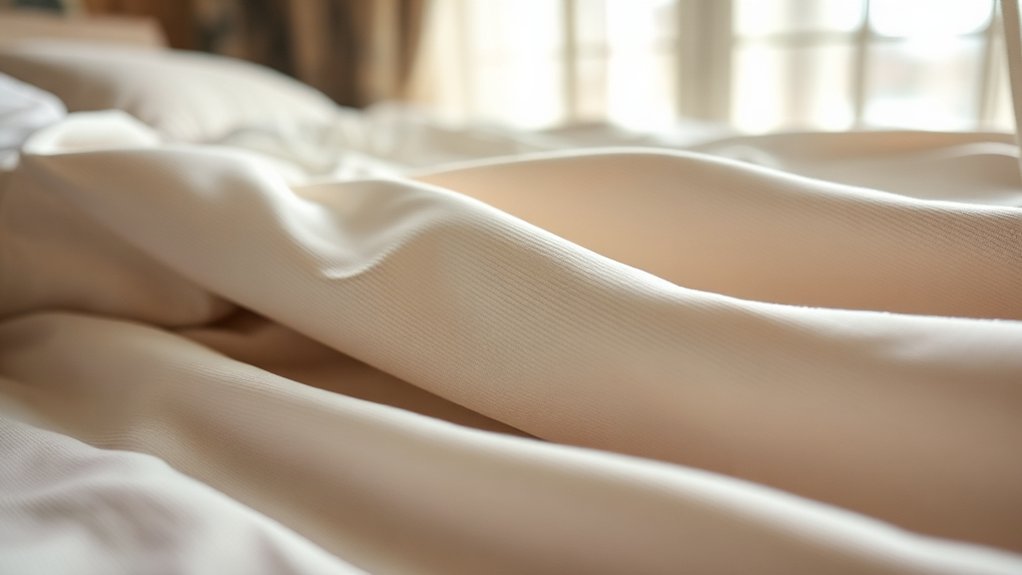
Thread count tells you how many threads are woven into one square inch of fabric, counting both the vertical and horizontal threads. When you look at sheets, you’re seeing a simple number that reflects how densely the yarns sit together.
A higher count can suggest a tighter weave, but it doesn’t tell the whole story. You also need to take into account thread quality, since strong, smooth fibers can feel very different from cheaper ones at the same count.
Fabric type matters too, because cotton, linen, and blended fabrics behave differently and create distinct textures and breathability. So when you read thread count on a label, treat it as one clue, not the full answer.
It helps you compare sheets, but you’ll get a better sense of comfort, durability, and feel when you pair that number with the material and construction.
What Thread Count Is Best?
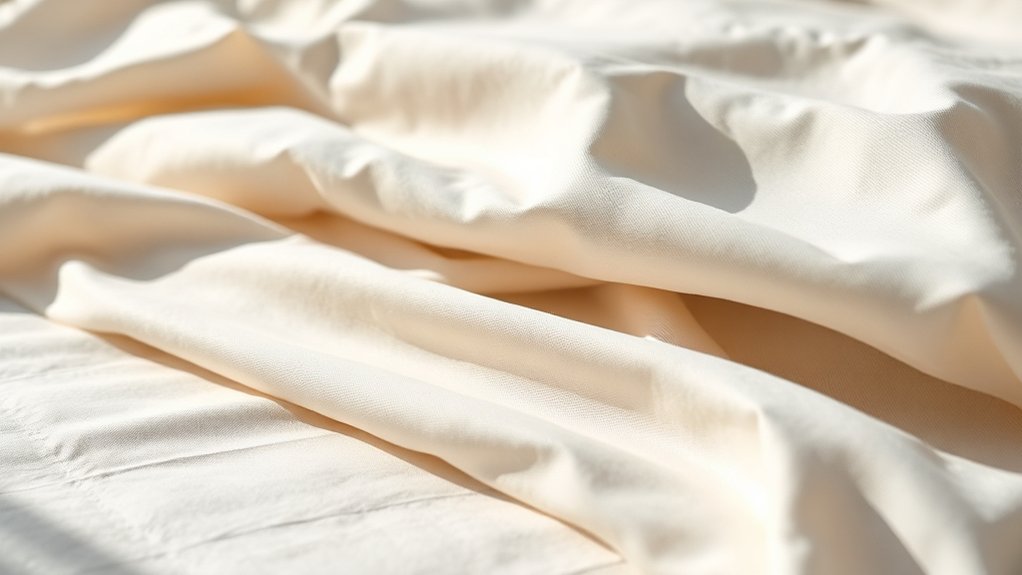
When you’re choosing sheets, the best thread count usually falls somewhere in a comfortable middle range, not just the highest number you can find. You’ll want to balance softness and durability because a very high count doesn’t always mean better quality. So, look for a range that feels smooth to you and still holds up well over time.
Ideal Thread Count Range
For most sheets, a thread count between 300 and 500 offers the best balance of softness, durability, and breathability. You’ll usually find this range in cotton percale, sateen, and other ideal materials that feel comfortable without trapping too much heat.
If you want a smoother, more indulgent finish, some luxury options sit a little higher, but higher numbers don’t always mean better sheets. You should also check fiber quality, weave, and how the fabric feels in your hands. A well-made 400-thread-count set can outperform a poorly made 800-thread-count one.
Focus on what matches your sleep style, climate, and preferred texture. That way, you’ll choose sheets that feel inviting night after night and last through repeated washing.
Balance Softness And Durability
To get sheets that feel soft without wearing out too quickly, aim for a thread count that supports both comfort and strength. You’ll usually find the sweet spot between 200 and 600, depending on the weave and fiber quality.
Higher counts can feel smoother, but they don’t always mean better sheets. Look at softness factors like cotton staple length, finish, and weave because these shape how the fabric feels against your skin.
For durable materials, choose long-staple cotton, linen, or a well-made cotton blend that holds up to washing. If you want breathable comfort and lasting wear, focus on construction first, then thread count second.
That balance gives you sheets that stay cozy, resist pilling, and perform well night after night.
Why Thread Count Isn’t Everything
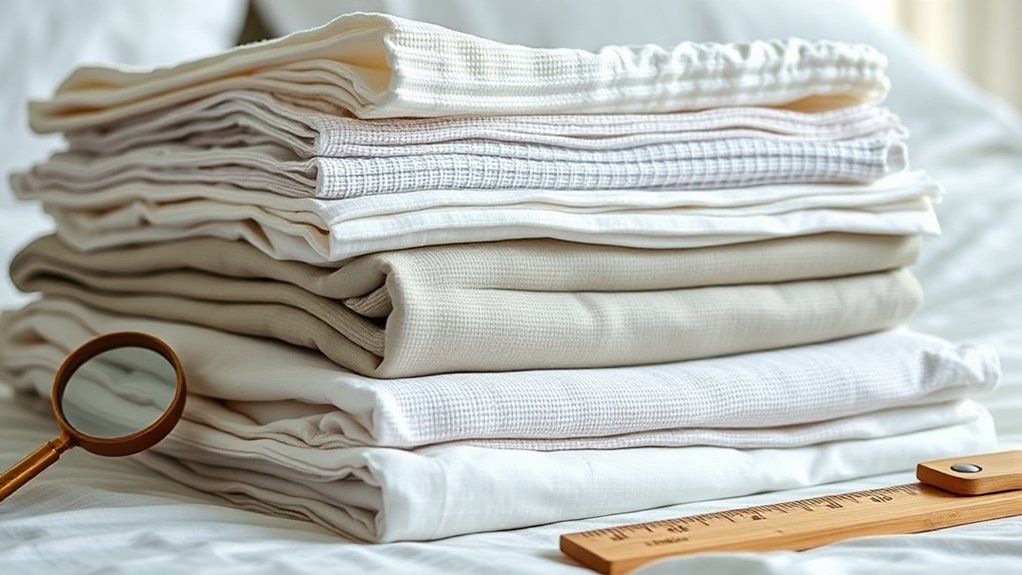
Although thread count gets a lot of attention, it doesn’t tell you everything about a sheet’s comfort or quality. You can still end up with sheets that feel stiff, wear out quickly, or sleep hot if the fabric, weave, and fiber quality aren’t right.
Some luxury brands use marketing tactics to push very high numbers, but those figures can hide thinner yarns or inflated counts from multi-ply construction. Instead of chasing the biggest number, you should look at the material type, how the fabric is woven, and whether the sheets suit your climate and sleep style.
A well-made 300-thread-count sheet can feel better than a poorly made 800-thread-count set. When you compare options, trust how the sheets are made, not just the label. That way, you’ll choose bedding that feels good, lasts longer, and matches your needs.
How Thread Count Affects Feel
When you shop for sheets, thread count can definitely influence how soft they feel. But it doesn’t guarantee comfort all by itself. The weave also plays a big role in breathability. So, a higher thread count might feel smoother, but it can also trap more heat depending on the fabric. You’ll probably notice that denser sheets tend to feel sturdier, which can make them last longer—even if they don’t always feel softer.
Softness vs Thread Count
Thread count can affect how sheets feel, but it doesn’t tell the whole softness story. You’ll notice that softness depends just as much on sheet materials, yarn quality, and finishing as on the number itself. Don’t let thread myths push you toward a higher count you don’t actually need.
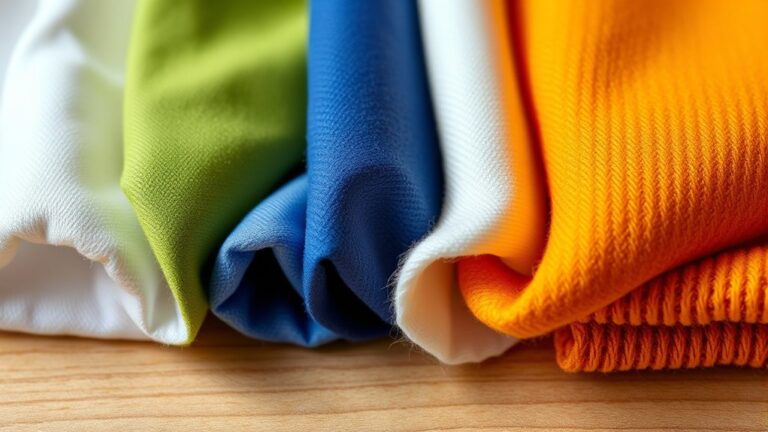
Cotton can feel smooth and familiar. Linen can feel crisp, then soften. Sateen often feels silkier. Percale can feel clean and cool. Fine fibers can boost comfort.
When you shop, touch the fabric if you can, and read beyond the label. A moderate thread count with quality fibers may feel better than a lofty number made from weak yarns. Focus on how the sheet feels against your skin, not just the tag.
Breathability and Weave
Higher thread counts can sometimes make sheets feel denser, which may reduce airflow and trap more warmth against your body. You’ll notice this most when you sleep hot or move under heavy covers.
Breathability depends on more than the number alone; the yarn quality and weave types matter just as much. Percale often feels crisp and airy, while sateen can feel smoother and a bit warmer because it uses a tighter surface pattern.
If you want cooler sleep, look for breathable materials and a weave that lets air pass through easily. If you prefer a cozier feel, you might choose a denser weave that still feels comfortable without overheating.
Thread count shapes the experience, but fabric construction guides how your sheets actually breathe.
Durability and Density
Along with breathability, thread count also affects how sturdy and substantial your sheets feel. Higher counts can create a denser surface, but you’ll get the best results when you balance count with fabric composition and thread quality.
A 400-thread-count cotton sheet may outlast a 600-thread-count blend if the fibers are stronger and the weave is tighter. You should also watch how the fabric handles washing, because durability depends on more than numbers alone.
- Denser sheets often feel heavier
- Better fibers resist pilling
- Tight weaves can improve strength
- Poor thread quality weakens softness
- Construction matters as much as count
When you choose carefully, you’ll get sheets that feel smooth, hold up well, and stay comfortable over time.
How Thread Count Affects Durability
Durability often improves as thread count rises, because more yarns packed into each square inch can create a tighter, stronger weave. You’ll usually notice better thread longevity when the fibers are well twisted and the construction resists fraying, pilling, and thinning.
A higher count can help your sheets hold up through repeated washing, but it isn’t the only factor that matters. You should also consider fabric composition, since the yarn quality and weave style affect how long the sheets last.
Extremely high counts can sometimes use thinner threads that feel soft at first but wear out faster if the fabric is weak. For the best balance, look for sheets that combine a solid thread count with sturdy yarns and careful finishing. That way, you get comfort now and durability that lasts through many nights and laundry cycles.
Cotton vs. Linen vs. Sateen
Thread count matters, but the fabric itself shapes how sheets feel and perform. You’ll notice cotton benefits right away: it’s soft, versatile, and often the best mix of comfort and cotton affordability. If you sleep hot, cotton breathability can help you stay cooler through the night.
- Cotton feels familiar and easy to enjoy
- Linen texture feels crisp, airy, and relaxed
- Sateen sheen gives sheets a smooth, polished look
- Sateen warmth can suit cooler sleepers
- Linen sustainability appeals if you want a lower-impact choice
Linen offers a distinct texture and grows softer with use, though linen care usually needs a gentler approach. Sateen feels silkier and brings a subtle sheen, but its smooth finish can also trap more warmth. Choose cotton for everyday comfort, linen for durability and sustainability, or sateen when you want a richer, cozier sleep surface.
How Does Weave Change Thread Count?
Weave changes how thread count feels because it affects how many yarns sit in each square inch of fabric. You can’t judge sheets by the number alone since weave types reshape the way those yarns are packed and crossed.
A percale weave uses a simple over-under pattern, so it often feels crisp and airy even at a moderate count. Sateen uses more yarns on the surface, which can make the fabric feel smoother and denser with the same thread count.
Twill and other weave types can also shift the hand feel and drape, changing your experience without changing the number much. That’s why you should compare weave and thread count together.
When you do, you’ll better predict softness, breathability, and durability. In practice, the best choice depends on how the weave supports fabric quality, not just the printed number on the label.
What Matters Besides Thread Count
Even with a solid thread count, you still need to look at fiber type, weave quality, and finishing treatments. Your sheet’s comfort depends on fabric composition, not just numbers. Cotton, linen, bamboo, and blends all feel different, so choose what matches your climate and sleep style.
The weave type also changes breathability, drape, and softness. Sateen feels smoother and warmer, while percale feels crisp and cool. Finishing steps can improve feel, but they shouldn’t hide poor materials.
Pick fibers that suit your skin and temperature needs. Check whether the weave feels airy or dense. Notice how the fabric drapes on your bed. Look for smooth seams and consistent texture. Choose finishes that augment, not mask, quality.
When you compare options, trust touch and performance over marketing hype. A well-made sheet can outperform a higher-count one if the materials and construction are better.
How to Spot Inflated Thread Counts
You can spot inflated thread counts by checking if the label mixes up the true thread count with the ply count. Just keep in mind, more plies don’t always mean more threads. Some brands also use sneaky counting tricks, like listing twisted yarns separately or adding both sides of the fabric together. If the number looks unusually high, take a closer look at the fine print and compare it with the actual weave and material. That way, you’ll know if the thread count is legit or just marketing fluff.
Misleading Ply Counts
One common trick brands use is inflating thread count by twisting together multiple thinner yarns and counting each ply as if it were a separate thread. When you compare sheets, check the ply count, not just the big number on the label.
Misleading marketing often hides low-quality fibers behind flashy figures, so focus on how the fabric feels and performs. If the company won’t explain its yarn construction, that’s a red flag.
Look for single-ply yarns.
Read the weave description.
Compare weight and softness.
Watch for vague thread-count claims.
Ask how the count was measured.
You’ll make smarter choices when you judge the whole sheet, not the headline number.
Counting Tricks to Avoid
Thread count can be misleading when brands game the number instead of improving the sheet. You can spot inflated claims by checking the fabric, not just the label. Watch for counting misconceptions and thread myths that treat two-ply yarns as double quality.
Real sheets feel balanced, not stiff or overly heavy. Look for honest fiber details, weave type, and finishing.
| Trick | What to check | Red flag |
|---|---|---|
| Ply inflation | Single vs. multiple yarns | Huge count jump |
| Hidden fibers | Cotton, polyester blend | Vague labeling |
| Weird math | Total vs. per inch | No explanation |
| Glossy claims | Marketing language | “Luxury” only |
| Touch test | Hand feel | Harsh stiffness |
If a number seems too good, compare it with construction and comfort.
Choose Sheets for Your Sleep Style
If you sleep hot, choose breathable cotton or linen sheets with a lower thread count for better airflow. If you want a softer, denser feel, a higher-thread-count sateen can suit you better. Hot sleepers who still love a silky touch may prefer percale with a crisp, cool finish. Match your sleep preferences to fabric types, not just numbers, so you get comfort that lasts all night.
- Hot sleeper: pick percale or linen
- Cold sleeper: try sateen or flannel
- Sensitive skin: choose smooth cotton
- Humidity: favor airy weaves
- Luxury feel: test denser weaves
You should also think about how often you wash your sheets because durable fibers keep their feel longer. If you like a light, crisp bed, skip heavy weaves. If you crave a plush cocoon, go denser. The right choice helps you sleep better and wake up refreshed.
Frequently Asked Questions
What Is the Difference Between Percale and Sateen Sheets?
Percale feels crisp, cool, and matte, while sateen feels smoother, silkier, and a bit warmer. You’ll notice percale uses a tighter, plain weave that breathes well, and sateen uses a weave that creates more sheen and drape.
When you compare sheet materials and weave types, percale suits hot sleepers, and sateen works better if you want a softer, luxurious feel. Both can be durable, depending on the cotton quality.
Are Higher Thread Counts Always Hotter to Sleep On?
Not always. Higher thread counts don’t automatically make you hotter, which is the irony people miss. You’ll often sleep cooler when you choose breathable materials and smart weave construction instead of chasing a number.
Your comfort depends on breathability factors like fiber type, weave, and finishing. If you pick cooling materials such as cotton percale, linen, or bamboo, you can stay comfortable even with a higher thread count.
How Often Should I Replace My Sheets?
You should replace your sheets every 2 to 3 years, or sooner if they feel rough, stain easily, or stay dingy after washing. Your washing frequency affects sheet lifespan, so clean them weekly if you can and follow care labels closely.
If you sleep hot, have allergies, or notice thinning fabric, swap them out earlier. Good care helps, but worn sheets won’t support comfort forever.
Do Organic Sheets Have Different Thread Counts?
Yes, organic sheets can have different thread counts, and you’ll often see a wide range depending on the weave and fiber. You shouldn’t assume organic materials mean a higher count, a softer feel, or a better sheet.
You should check the weave, the yarn quality, and the finish. Don’t chase thread count myths; focus on comfort, breathability, and durability instead. That way, you’ll choose sheets that suit you best.
Can Pillowcase Thread Count Differ From the Sheet Set?
Yes, you can have a pillowcase thread count that differs from your sheet set. You’re often choosing separate pillowcase materials, so makers may use a different weave or density for comfort and durability.
Don’t get fooled by thread count myths, though; higher isn’t always better. You should check fabric quality, weave, and feel first. A softer, stronger pillowcase can match your sleep needs even if its thread count doesn’t match your sheets.
Conclusion
Choosing the right sheets comes down to more than just thread count. You’ll sleep better when you weigh feel, weave, durability, and your own comfort needs instead of chasing a bigger number. A 400-thread-count set can feel as smooth as silk if the fabric and weave are right. So trust your hands, not just the label.
When you shop with your sleep style in mind, you’ll find sheets that truly fit you. Remember, thread count is important, but it’s just one part of choosing the right sheets.