What Is Selvage?
If you’ve ever struggled with fabric fraying or had trouble figuring out how to measure and cut your material just right, you’re not alone. Many people find themselves confused about the edges of their fabric and how to use them effectively.
Understanding selvage can make a big difference in your sewing projects and help you work with fabric more confidently.
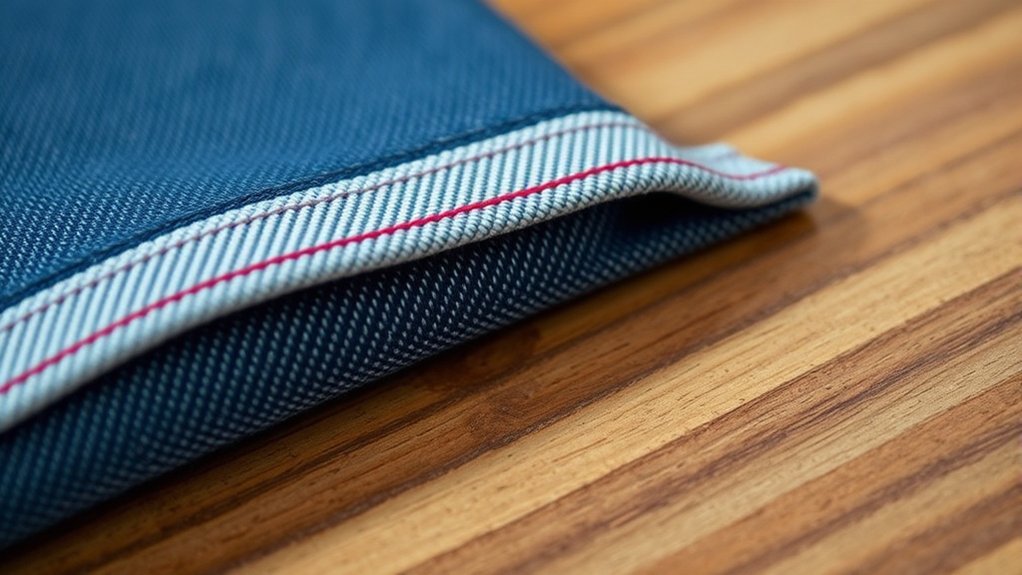
Selvage is the tightly woven, finished edge along the sides of woven fabric. You’ll notice it’s firmer than the main cloth because the loom locks the threads in place, which helps stop fraying and keeps the fabric stable.
In sewing, you can use it to identify grain and measure fabric accurately, though you usually don’t sew through it. It also has creative uses in scrap projects, and there’s more to know about spotting and using it well.
Key Takeaways
- Selvage is the tightly woven finished edge along a fabric’s sides that prevents fraying.
- It forms on the loom as warp threads and weft threads lock the edge in place.
- Selvage helps identify grain direction and gives you a stable reference when cutting and sewing.
- It’s usually firmer than the main fabric and might show tiny holes, colored threads, or printed marks.
- Sewists often trim selvage off if it affects drape, seam allowance, or creates bulky seams.
What Is Fabric Selvage?

Fabric selvage is the tightly woven edge along both sides of a textile that keeps the fabric from fraying or unraveling. When you handle cloth, you’ll notice this border is often firmer and cleaner than the rest of the fabric.
Fabric selvage is the tightly woven edge that keeps fabric from fraying or unraveling.
It marks the edge you shouldn’t ignore when choosing or cutting material. Different fabric types may show selvage in slightly different ways, but the purpose stays the same: to stabilize the cloth.
You can use it to identify quality, width, and even some weaving techniques used in production. On bolts, you’ll usually find printed information near the selvage, which helps you track the maker or color.
If you sew, you’ll often trim it away because it doesn’t behave like the main fabric. Knowing what selvage is helps you work with textiles more accurately and avoid mistakes when measuring, cutting, or comparing materials.
How Selvage Is Made on a Loom

When you watch fabric form on a loom, you can actually see the edge build itself as the warp threads hold their place. The shuttle moves back and forth, carrying the weft with it, and that motion creates a firm shuttle-woven selvedge. This finished edge is what helps keep the fabric from fraying as it comes off the loom.
Loom Edge Formation
At the loom’s edge, the selvage forms as the warp threads turn back or bind tightly enough to keep the fabric from unraveling. You create this boundary through careful loom techniques that control tension and spacing, so the edge stays neat while the cloth grows.
If you keep the warp even, the edge durability improves, and you’ll see a firm line instead of loose fibers or frayed ends. The loom itself sets the limits, and you guide the threads within those limits to lock the edge in place.
Because the edge stays integrated with the woven structure, it resists wear better than cut fabric. That’s why a good selvage helps your textile hold shape, finish cleanly, and stand up to repeated handling.
Shuttle-Woven Selvedge
On a shuttle loom, you make selvage by carrying the weft back and forth across the warp and letting the edge threads turn or interlock at each pass. You control the result with shuttle design and careful weaving techniques, so the fabric’s sides stay firm instead of fraying. The shuttle has to release yarn smoothly, while your tension keeps the edge neat.
| Feature | Effect |
|---|---|
| Shuttle path | Builds the edge on each pass |
| Yarn turn | Locks the border in place |
| Weft tension | Prevents loose loops |
| Consistent motion | Creates a cleaner selvage |
When you watch the loom, you can see how each pick reinforces the border. That’s why shuttle-woven cloth often shows a strong, durable selvedge.
Why Selvage Matters in Sewing

Understanding selvage matters because it helps you handle fabric more accurately from the start. When you respect this finished edge, you can plan your cuts, choose better sewing techniques, and keep the cloth behaving as expected.
Selvage often signals how the fabric was made, so you can judge grain direction with more confidence and reduce twisting, stretching, or distortion while you sew. That matters when you want clean seams and consistent shape in garments, quilts, or home projects.
You also protect fabric durability by using the material wisely. Skipping the selvage edge in most cuts prevents bulky seams and uneven edges that can weaken your results.
If you’re matching pieces or laying out a pattern, paying attention to selvage helps you waste less fabric and work more efficiently. In short, it gives you a reliable reference point that improves accuracy, saves time, and supports stronger finished projects from the very beginning.
How to Spot Selvage on Woven Fabric
To spot selvage on woven fabric, start by looking at the two factory-finished edges running lengthwise along the cloth. These edges usually look tighter, flatter, and more stable than the rest of the fabric.
You can often see tiny holes, colored threads, or printed marks near them, which are useful selvage characteristics when you’re identifying selvage. Gently hold the fabric up to the light and compare the edge texture with the center.
The selvage won’t fray easily because the loom secures it as the fabric is made. If you’re working with yardage, locate the edge before you cut so you can keep grain lines straight.
Feel for a firm border that resists stretching more than the body of the cloth. Once you know these clues, spotting selvage becomes quick and reliable, especially on cotton, linen, and other woven materials in your sewing room.
Selvage vs. Raw Edges
You’ll notice that selvage is a finished fabric edge, while raw edges are cut sides that need extra care. Selvage helps stop fraying, which makes it really useful when you want cleaner, longer-lasting seams.
In sewing, you’ll often keep the selvage intact or trim the raw edges, depending on what your project calls for. It just depends on the look and durability you’re aiming for!
Finished Edge Difference
A finished edge gives fabric a clean, stable border, while a raw edge is simply the cut edge left exposed. When you compare them, you see that selvage already acts as a built-in finish, so you don’t need extra hemming along that side.
By contrast, you usually add finished edge techniques to other edges, like folding, stitching, or binding, to make them look neat and intentional. Different selvage types can vary in width, texture, and appearance, but they all serve the same basic purpose: they define the fabric’s edge with structure.
Raw edges, however, show the true cut line of the cloth. If you’re planning a project, you can use the selvage as a reference point and finish the remaining sides for a balanced result.
Fraying Prevention
One major difference between selvage and raw edges is how they handle fraying. When you use selvage, you get a tightly woven border that resists unraveling, so you don’t need extra work to keep the edge stable.
Raw edges, by contrast, expose cut threads and can fray quickly if you leave them untreated. You’ll often rely on fraying techniques like folding, stitching, or trimming to slow that breakdown.
Edge treatments help you control the finish and protect the fabric from shedding fibers. If you compare the two side by side, selvage offers built-in protection, while raw edges demand attention and care.
That’s why you can save time and reduce wear when you choose the more secure edge.
Sewing Applications
When you shift from edge durability to actual construction, selvage and raw edges play different roles in sewing. You can use the selvage as a stable boundary when you need clean alignment, especially on lightweight fabric types that stretch or distort.
In many sewing techniques, you’ll cut it away because it’s denser and can affect drape, but you may keep it on test pieces, hems, or quick mockups. Raw edges, by contrast, give you full shaping freedom, so you can cut pattern pieces without being limited by the woven edge.
You’ll usually finish those edges with seams, binding, or serging. By choosing the right edge for each step, you’ll control fit, reduce bulk, and make your construction more accurate and efficient.
How Selvage Affects Fabric Width
Because selvage edges are woven to stay stable, they slightly reduce the usable width of the fabric. When you buy cloth, the full measurement usually includes those finished edges, but you won’t cut or sew through them.
That means your pattern pieces may need a little more yardage than the label suggests, especially on narrower bolts. You’ll also notice that selvage helps maintain fabric stability and edge strength, so the cloth resists fraying as it comes off the loom.
That strength is useful, but it creates a border you should treat as nonusable for most projects. When you plan a layout, measure only the main body of the fabric and ignore the selvage on both sides.
If you account for that loss up front, you can avoid running short and keep your cuts accurate.
Creative Ways to Use Fabric Selvage
Even though selvage isn’t usually part of your cutting layout, you don’t have to treat it as waste. You can save it for creative patchwork, especially when you want small accents with built-in color and texture.
Because selvage edges often carry printed text or contrasting stripes, they add interest without extra effort. You can stitch narrow strips into quilt blocks, zip pouches, or tote bag panels, then let the labels and bold edges become the design.
You can also turn selvage into decorative trims for hems, pockets, placemats, and journal covers. Press the strips flat, join them end to end, and topstitch them wherever you want a crisp finish.
If you like scrap projects, collect selvage pieces in a jar and sort them by color for quick use later. When you reuse them thoughtfully, you reduce waste and give your sewing projects a distinctive, handmade look.
When to Cut Off Selvage Before Sewing
Cut off selvage before sewing whenever it could affect how your fabric behaves in the finished project. You should remove it during fabric preparation if the edge feels tighter, thicker, or more stable than the rest of the cloth. That extra firmness can distort seam allowances, so trimming it helps your sewing techniques stay accurate.
If you’re joining pieces where the selvage would sit inside a seam, cut it away before you cut the pattern pieces or baste the seam. Do the same when you need smooth pressing, even feeding, or a clean edge for interfacing.
Keep the selvage on only when you’re using it as a reference line or when pattern instructions specifically tell you to leave it in place. Before you cut, inspect both sides of the fabric and note any shrinkage, print fading, or holes near the edge. A quick decision here can make your sewing cleaner and more predictable.
How Selvage Behaves in Quilting and Garments
In quilts, selvage can help you spot the fabric grain, which is pretty handy. But if you leave it in a seam, it might add some unwanted stiffness. When it comes to garments, you’ll usually want to cut the selvage away so your fabric can drape and stretch just the way you need it. You’ll get better results once you know when the selvage supports your project and when it actually gets in the way.
Selvage In Quilts
When you use selvage in quilts, you’ll notice it behaves differently from the rest of the fabric because the woven edge is tighter, less stretchy, and often more stable. You can trim it away for smoother seams, or keep it when you want a textured border or a label-like detail.
In patchwork, you should watch how the edge affects block shape, because it may pull less than cut fabric and change your seam allowances. You can also use selvage strips for creative accents that support quilt aesthetics without wasting usable cloth.
If you enjoy experimenting, try simple selvage techniques like strip piecing or framing small motifs. In quilting, this edge gives you structure, visual interest, and a smart way to save fabric.
Selvage In Garments
Selvage matters in garments too, but it behaves differently than it does in quilting. When you cut fabric for clothing, you usually avoid the edge because it’s tighter and less flexible. That means your fit can shift if you place pattern pieces too close to it.
Understanding selvage definitions helps you choose where to cut, while selvage types tell you how woven edges may stretch, curl, or hold shape.
- Keep it out of seams.
- Check grain before cutting.
- Use it for structure, not drape.
- Watch shrinkage after washing.
In garments, you’ll use selvage to judge fabric quality and stability, but you won’t often leave it visible unless you want a design detail.
Common Selvage Mistakes to Avoid
Even experienced sewists can trip over a few common selvage mistakes, and most of them come down to handling the fabric edge too casually. You might cut it away without checking grain, or you may use the self edge as a guide when it’s stretched or distorted. That can throw off fit, drape, and fabric integrity.
Another error is ignoring fraying damage before you cut, which weakens seams and wastes yardage.
| Mistake | Why it matters | Better move |
|---|---|---|
| Cutting on a warped selvage | Skews grain | Square fabric first |
| Using damaged edge as a guide | Distorts layout | Check for pulls |
| Sewing through the selvage | Creates bulky seams | Trim it off when needed |
You should also test a swatch if the fabric behaves oddly. Keep the selvage in mind, but don’t let it control every decision.
Frequently Asked Questions
Does Selvage Always Include the Fabric Brand Name?
No, selvage doesn’t always include the fabric brand name. You’ll often see selvage significance in the edge’s durable weave, not just branding. Selvage terminology can refer to manufacturer details, color bars, or pattern info too.
Some mills print their name there, but others leave it plain. So when you inspect selvage, you can’t assume a brand name will appear. You need to check each fabric edge individually.
Can Selvage Be Used for Embroidery Projects?
Yes, you can use selvage for embroidery projects because who wouldn’t want the strongest edge doing extra work? You’ll get neat stability, and that makes it useful for small hoops, labels, or decorative borders.
The selvage benefits include less fraying and easier handling, especially when you’re testing embroidery techniques. You can stitch on it directly or trim it for accents.
Just check the weave first so your design doesn’t fight the fabric.
Is Selvage Found on Knit Fabrics Too?
Yes, you can find selvage on some knit fabrics, but it isn’t as crisp as on wovens. In your selvage definition, it’s the finished edge that stops fraying, and knit fabric characteristics like stretch and curl change how it appears.
You might notice a tighter, less stretchy edge along the lengthwise sides. Check your fabric carefully, because some knits have a clear selvage, while others barely show one.
Does Selvage Affect Fabric Care or Washing Instructions?
Yes, selvage can affect how you care for fabric because it often signals tighter weaving and better fabric durability. You’ll still follow the fiber label, but strong edges may shrink or fray differently.
One study found that nearly 60% of fabric damage comes from improper washing techniques, so you shouldn’t ignore the edges. Wash gently, avoid harsh heat, and you’ll help the cloth keep its shape and last longer.
Why Do Some Selvages Have Holes or Colored Dots?
You’ll notice holes or colored dots on some selvages because manufacturers use them to mark the fabric’s width, loom type, or dye lots. In different selvage types, these details help you identify the cloth and match pieces accurately.
The markings also reflect selvage history, when mills used practical codes for quality control and sorting. You can ignore them while sewing, but they’re handy if you’re comparing fabrics or tracing origin.
Conclusion
Selvage is the steady edge that frames your fabric, and once you notice it, you can sew with more confidence. It helps you tell woven fabric’s true grain from its raw edge, so your cuts and seams behave better.
In quilting and garments, it can be useful or a nuisance, depending on your project. Think of it like the fence around a garden: it defines the space, but you don’t always want it in the way.
Understanding selvage can really improve how you work with fabric, making your sewing projects smoother and more precise.