7 Fabrics for Upholstering That Will Withstand Daily Use
Finding upholstery that can truly stand up to daily wear and tear can feel like an endless challenge. You’re not alone—many people struggle with fabrics that wear out too quickly or show stains and damage from everyday use.
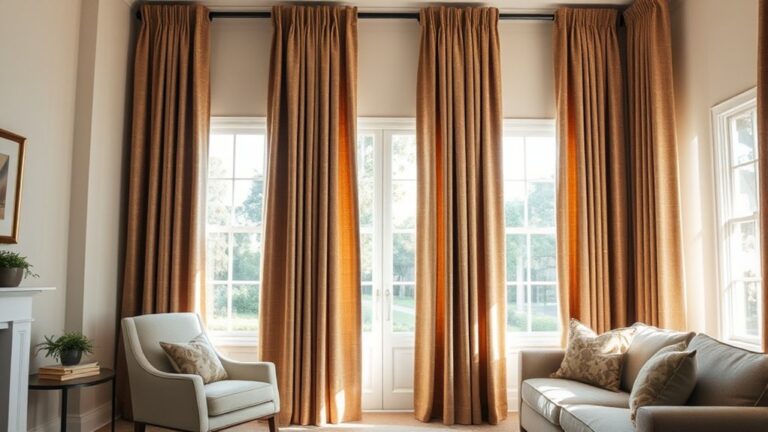
Choosing the right upholstery fabric is key to keeping your furniture looking fresh and feeling comfortable for years. Fabrics for Upholstering That Will Withstand Daily Use.
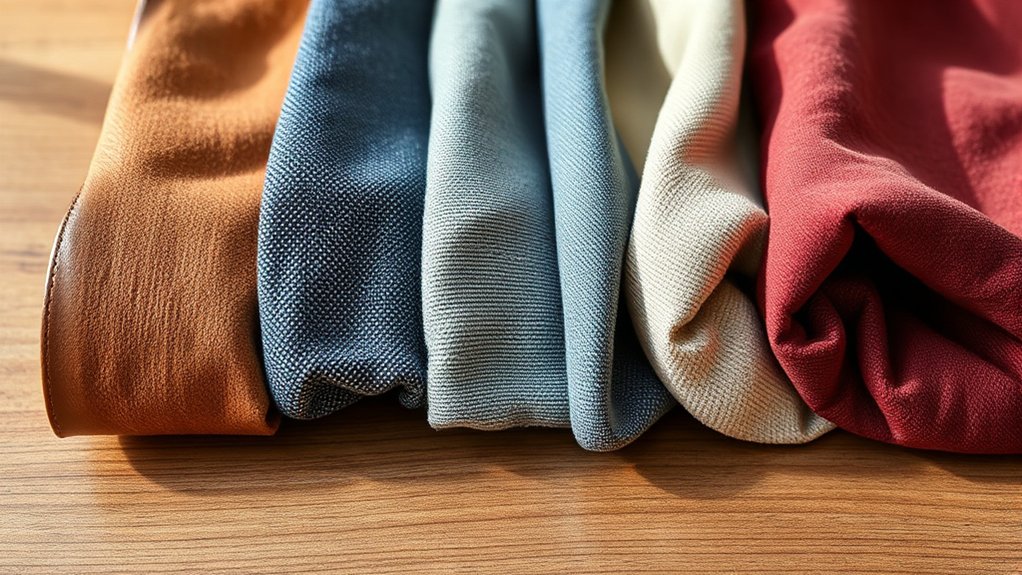
If you want upholstery that can handle daily use, choose leather, microfiber, cotton blends, durable linen, performance velvet, wool blends, or other tightly woven fabrics.
You’ll get better wear resistance from denser constructions and synthetic blends, while leather wipes clean easily and ages beautifully.
Microfiber is low-maintenance, and cotton or linen blends add comfort without sacrificing strength.
Pick the right fabric for your space, and you’ll keep your furniture looking fresh longer as you compare the best options.
Key Takeaways
- Leather is highly durable, easy to clean, and develops character over time, making it ideal for daily-use upholstery.
- Cotton blends offer softness and breathability while adding durability and better wrinkle resistance than pure cotton.
- Linen with tight weaves or protective coatings provides a crisp look and stronger performance in high-use areas.
- Microfiber resists wear, cleans easily, and has a dense weave that stands up well to everyday family use.
- Performance velvet combines a luxurious feel with dense, durable fibers that resist flattening and regular wear.
What Makes Upholstery Fabric Last Longer
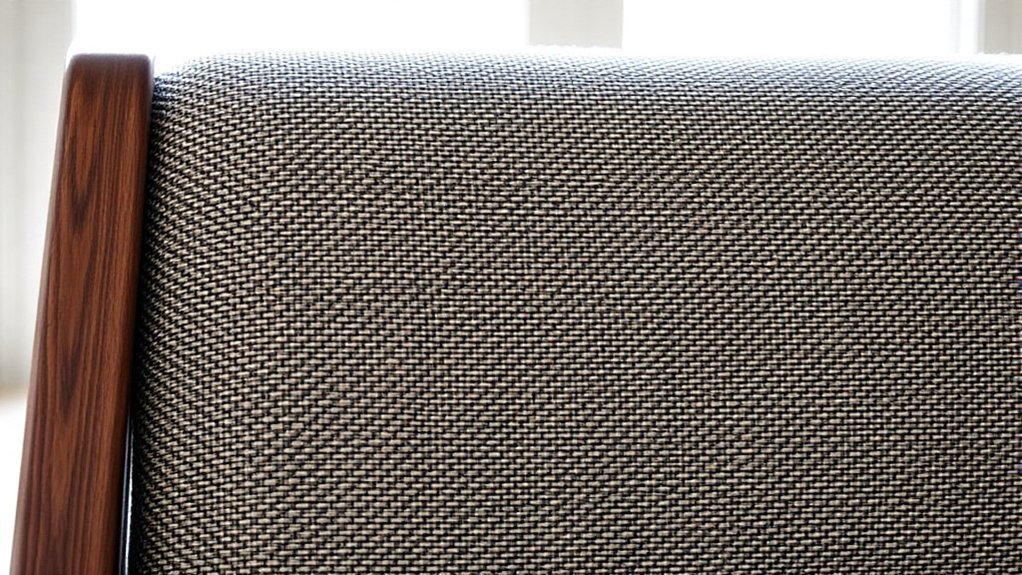
What makes upholstery fabric last longer is a mix of fiber strength, tight weave, and practical care. You should look first at fabric composition, because the fibers you choose shape how well the material holds up under daily use.
Blends with sturdy synthetic fibers often improve wear resistance, while denser constructions help the surface keep its form and reduce early thinning. You can also check the rub count or durability rating to compare options more confidently.
Blends with sturdy synthetic fibers improve wear resistance, while denser weaves help fabrics keep their shape longer.
Once you’ve picked the right fabric, you need to protect it with simple habits. Vacuum it regularly, rotate cushions when possible, and clean spills right away before they settle in.
Avoid harsh cleaners that break down the fibers, and keep the fabric out of direct sunlight when you can. If you match strong materials with consistent care, you’ll extend the life of your upholstery and keep it looking fresh longer.
Why Leather Works for Everyday Use
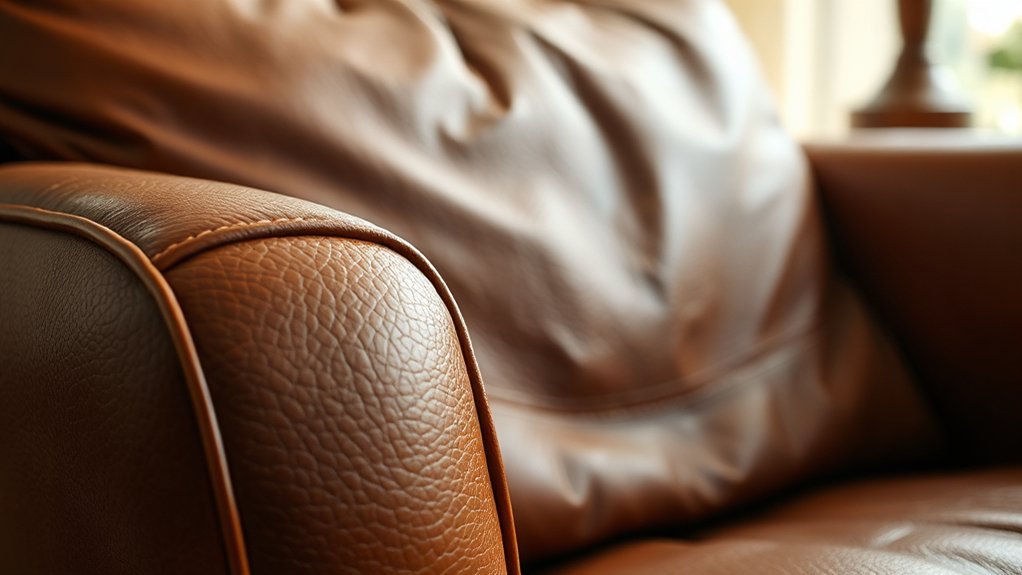
Leather works well for everyday use because it offers strong durability and long-lasting performance. Plus, you can easily wipe away spills and dirt, which makes upkeep pretty simple. Over time, it even develops character and a richer look that just keeps getting better with age.
Durability And Longevity
When you need upholstery that can handle daily wear, leather stands out for its durability and long life. You get strong fabric resilience that helps it keep its shape, even when family members, guests, or pets use the furniture often. Its dense surface naturally fights sagging and fraying better than many textiles. With simple maintenance tips, you can extend its lifespan and protect its finish.
| Feature | Benefit | Result |
|---|---|---|
| Tough fibers | Withstand pressure | Less wear |
| Stable surface | Holds form | Lasts longer |
| Timely care | Supports resilience | Better value |
Because leather ages gracefully, you won’t replace upholstery as often. That makes it a smart long-term choice for busy spaces.
Easy Cleaning Benefits
Because everyday messes are inevitable, leather makes cleanup simple: you can usually wipe away spills, dust, and crumbs with a soft cloth before they have time to settle in. You don’t need complicated routines or heavy cleaners to keep it looking neat.
Its natural stain resistance helps protect the surface when accidents happen, so you can act fast without stressing over permanent marks. For routine care, follow a few maintenance tips: dust regularly, use a slightly damp cloth when needed, and dry the surface right away.
You’ll spend less time scrubbing and more time enjoying furniture that stays presentable with minimal effort. That easy upkeep makes leather a smart choice when you want upholstery that fits busy daily life without extra hassle.
Aging With Character
Over time, leather often develops a richer look rather than simply wearing out, so your furniture can gain character from daily use. You’ll notice small marks, softening, and a deeper patina that make each piece feel more personal.
Instead of looking tired, leather can appear aging gracefully, which works especially well in homes where sofas and chairs get constant use. You don’t need to worry about every scratch; many add to the story and support character development in the material itself.
Because leather responds to touch, light, and movement, it adapts to your routine without losing strength. If you want upholstery that feels refined today and even better later, leather gives you lasting beauty that grows with you.
Cotton Blend Upholstery Fabrics for Busy Homes
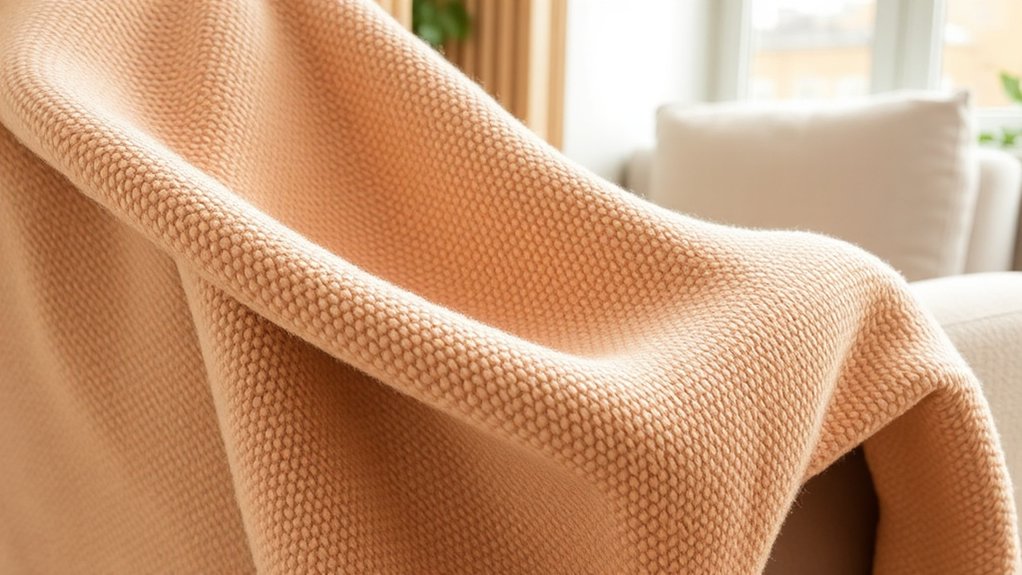
Cotton blend upholstery fabrics give you the soft, breathable feel of cotton with added durability that busy homes need. You get cotton versatility without the constant worry of everyday wear. These fabric blends resist wrinkling better than pure cotton, so your sofa or chairs stay looking neat after family movie nights, homework sessions, and quick naps.
You’ll also find them easier to clean, which helps when spills happen, because they often handle regular care well and dry without much fuss. If you want comfort that still feels inviting, these blends strike a smart balance between relaxed texture and practical strength.
You can choose from many weaves and colors, so matching your room stays simple. For homes with kids, pets, or frequent guests, this option gives you dependable style that works hard and still feels cozy.
Linen Upholstery With a Durable Finish
Linen upholstery with a durable finish gives you that crisp, relaxed look without sacrificing everyday strength. You get the natural linen texture you love, but the treatment helps the fabric better handle daily sitting, shifting, and light wear.
When you choose it, look for tight weaves and protective coatings that reduce surface friction and help the fibers stay neat longer. Compared with untreated linen, it can offer stronger durability for family rooms, dining chairs, or accent pieces you use often.
You’ll still want to care for it gently, since harsh scrubbing can shorten its life, but routine vacuuming and quick spot cleaning usually keep it looking sharp. If you want elegance that doesn’t feel fussy, this option gives you a balanced mix of style and resilience for everyday interiors.
Why Microfiber Holds Up Well
Because microfiber is made from very fine synthetic fibers, it resists everyday wear better than many softer-looking fabrics. You get microfiber advantages when you need upholstery that handles spills, scuffs, and frequent sitting without looking tired fast. Its tight weave helps you wipe away dust and most marks before they settle, so fabric maintenance stays simple.
| Feature | What you notice | Why it helps |
|---|---|---|
| Tight fibers | Less snagging | Keeps the surface neat |
| Smooth texture | Easy cleaning | Saves you time |
| Dense construction | Strong daily use | Lasts longer |
You’ll also appreciate how it keeps its shape on sofas, chairs, and benches. If you want a practical choice for busy rooms, microfiber gives you dependable performance and a clean look with less effort.
Why Velvet Can Work for Everyday Use
You can totally use velvet every day because its dense pile helps it resist flattening and wear. Plus, performance velvet gives you added stain resistance and strength, which makes it a smart choice for busy homes. If you brush it regularly and clean spills quickly, you’ll keep it looking rich with very little effort.
Dense Pile Durability
Velvet’s beauty isn’t just about looks; a dense pile can make it surprisingly practical for everyday upholstery. You get dense pile benefits because the tightly packed fibers stand up better to rubbing, so your chair or sofa keeps its rich texture longer.
The surface also helps hide light impressions and small marks, which makes daily wear less obvious. For dense pile maintenance, you’ll want to brush the nap gently, vacuum with a soft attachment, and blot spills quickly.
These simple habits help preserve the fabric’s even finish without much effort. If you choose velvet for busy spaces, you can enjoy its soft feel and elegant depth while still keeping your furniture looking cared for.
Performance Velvet Options
Performance velvet gives you the look and softness of velvet with a tougher finish that’s built for daily life. You get a luxury feel without sacrificing strength, so it works well on sofas, chairs, and accent pieces you use every day.
Its tightly woven structure helps it hold shape and resist crushing better than classic velvet. You can also choose from wide color options, from rich jewel tones to muted neutrals, making it easy to match your room.
Because performance velvet often blends synthetic fibers, it can handle regular use while still feeling smooth to the touch. If you want elegance that doesn’t seem fragile, this fabric gives you a polished look and dependable comfort.
Easy Care Practices
When you want velvet to work in everyday spaces, easy care makes all the difference. You can keep it looking fresh by vacuuming weekly with a soft brush attachment and brushing the nap to lift dust.
If spills happen, blot them right away with a clean cloth; don’t rub, or you’ll spread the mess. For stronger protection, choose a fabric protector that supports stain prevention without changing the texture.
Rotate cushions often so wear stays even, and keep velvet out of direct sun to slow fading. Good fabric maintenance doesn’t take much time, but it helps velvet stay plush, clean, and inviting.
With these simple habits, you can enjoy velvet’s comfort and style without worrying about daily use.
How to Choose the Best Upholstery Fabric
Choosing the best upholstery fabric starts with how the piece will be used, because durability, comfort, and maintenance all matter. If you’re upholstering a sofa for daily family use, look for tightly woven fabrics that resist abrasion and stains. For formal seating, you can prioritize a softer feel and richer appearance.
Consider natural fibers like cotton, linen, and wool when you want breathable comfort, but check whether they’re blended for extra strength. Compare texture options too, since smooth surfaces clean more easily while boucle or velvet can add depth and warmth.
You should also think about color, sun exposure, and pets, because these factors affect wear over time. Always request samples and test them in your home light before you commit. The best choice balances style, performance, and how much upkeep you’re willing to handle regularly.
Frequently Asked Questions
Qué Telas Resisten Mejor Las Manchas De Mascotas?
Las telas sintéticas suelen resistir mejor las manchas de mascotas porque no absorben tanto líquido y se limpian con facilidad. Tú puedes elegir microfibra, poliéster o nailon, ya que aguantan el uso diario y el pelo.
Si quieres más defensa, añade protección adicional con tratamientos antimanchas o fundas lavables. Así mantienes el sofá limpio y práctico sin complicarte demasiado cuando tu mascota ensucia o se sube con frecuencia.
Cómo Limpiar Tapicería Sin Dañar La Tela?
Puedes limpiar la tapicería con técnicas de limpieza suaves: aspira primero, prueba cualquier producto en una zona oculta y usa un paño de microfibra apenas húmedo. No frotes; mejor da toques suaves.
Si hay manchas, aplica productos recomendados para tu tipo de tela y retíralos rápido con agua limpia. Seca con ventilación y evita el sol directo. Así cuidas la fibra y alargas la vida del mueble.
Qué Colores Ocultan Mejor El Desgaste Diario?
Los tonos oscuros y los colores neutros suelen ocultar mejor el desgaste diario; además, el 62% de los diseñadores de interiores prefiere paletas apagadas para alargar la apariencia de un mueble.
Tú puedes elegir gris, taupe, marrón o azul marino porque disimulan manchas, roces y decoloración. Si quieres menos mantenimiento visual, evita blancos puros y pasteles muy claros.
Así mantendrás tu tapicería fresca por más tiempo y con menos esfuerzo.
Qué Telas Son Más Frescas En Climas Cálidos?
Para climas cálidos, tú deberías elegir telas ligeras y tejidos transpirables como lino, algodón y mezclas con viscosa. Estas opciones permiten que el aire circule, reducen la sensación de calor y hacen que el mueble se sienta más cómodo.
Si quieres más frescura, busca acabados claros y tramas abiertas. Evita materiales muy densos o sintéticos, porque suelen retener más calor y humedad durante el día.
Cómo Saber Si Una Tela Es Apta Para Niños?
Sabes que una tela es apta para niños si eliges opciones seguras, libres de químicos fuertes y con acabado lavable. Busca telas resistentes que soporten manchas, roces y limpiezas frecuentes.
También conviene revisar si no suelta pelusa ni hilos fáciles de arrancar. Si puedes, toca la muestra: debe sentirse suave, pero firme. Así proteges a los peques y prolongas la vida del tapizado.
Conclusion
When you choose upholstery fabric, you’re really choosing how your home will live with you every day. Leather, cotton blends, linen with a tough finish, microfiber, and even velvet can all stand up to the rhythm of real life.
Think of your furniture as a trusted companion, gathering stories like sunlight on a well-worn path. Pick the fabric that fits your routine, and you’ll enjoy comfort, style, and durability for years to come.
Choosing the right upholstery fabric is key to ensuring it withstands daily use while enhancing your living space.