How to Choose Textiles for Your Project
Choosing the right textiles for your project can feel overwhelming. You want something that looks good, feels right, and performs well, but with so many options, it’s easy to get stuck. You’re not alone—many people struggle with finding the perfect fabric that meets all their needs without breaking the bank.
Start by defining what your project needs the textile to do, whether that’s drape, stretch, softness, or strength. Choose fibers and weaves that fit the job, like cotton for crisp projects, knits for flexibility, linen for breathability, or denim for durability.
Check weight, care needs, and colorfastness, then compare samples in natural light. Balance quality and price so your fabric lasts and looks right, and there’s plenty more to help you choose wisely. How to Choose Textiles for Your Project.
Key Takeaways
- Define the project’s purpose first, then choose fabric based on drape, stretch, softness, and required performance.
- Match fabric type to the item, such as cotton for quilts, knits for stretch, linen for breathability, and denim for durability.
- Check durability and care needs, including weave strength, colorfastness, stain resistance, washing, and ironing requirements.
- Consider fabric weight and test swatches in natural light to judge color, pattern, sheen, and how materials layer together.
- Balance natural versus synthetic fibers, quality, and cost by reviewing samples, performance, and long-term value before buying.
What Is Your Textile Project For?
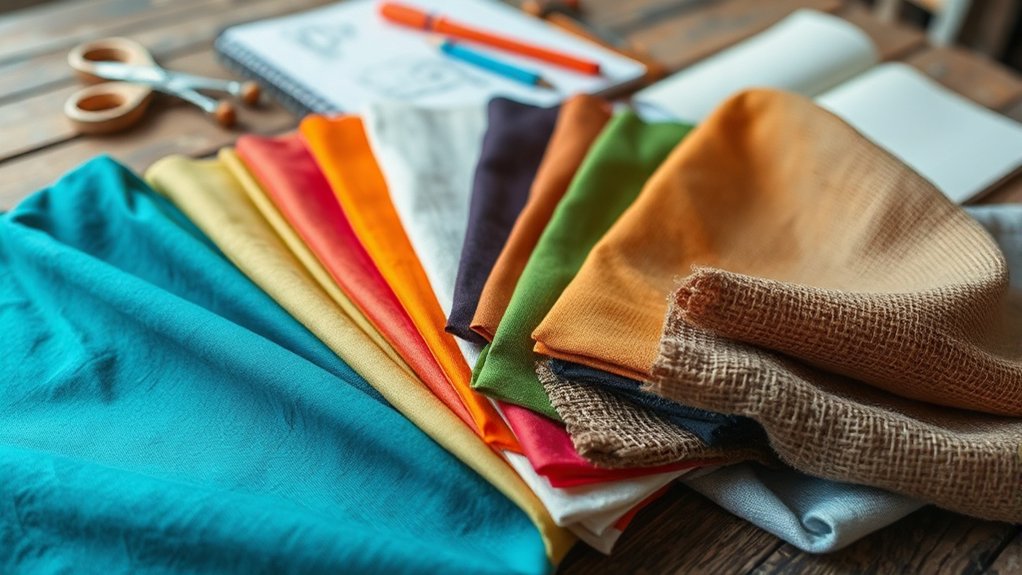
Before you choose a textile, ask what you’re making it for. Your textile project goals should guide every decision, from feel to finish. If you’re sewing clothing, you may want drape, softness, and comfort. If you’re making décor, you might prefer texture, structure, or color impact.
For a craft piece, your project inspiration can point you toward bold prints, subtle weaves, or natural fibers that match the look you want.
Think about how the fabric will behave in use. Will it need to stretch, hang smoothly, or hold a shape? Will it sit against skin, cover furniture, or frame a room?
When you define the purpose first, you narrow your choices fast and avoid buying material that fights your design. You’ll also make smarter tradeoffs between appearance, feel, and practicality.
Start with the result you want, then match the textile to that outcome.
Choose Durable Textiles for High-Wear Projects
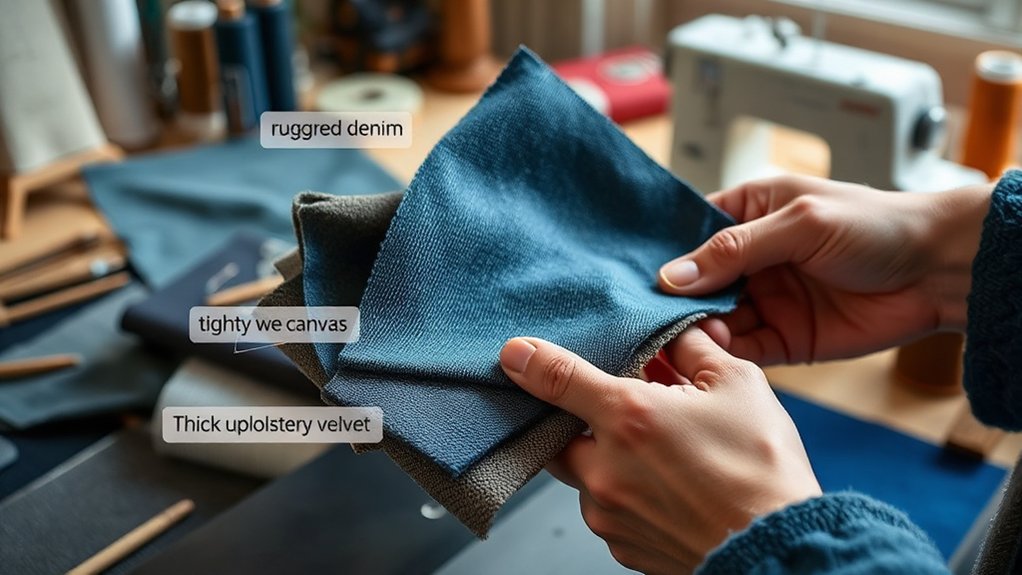
If your project will get a lot of use, durability should move to the top of your list. You want textiles that can handle rubbing, stretching, and repeated cleaning without breaking down fast. Look for durable options that hold their shape and keep their finish after heavy use.
Strong weave structure and tight construction usually signal better wear resistance, so check the fabric closely before you buy.
| Textile trait | Why it matters |
|---|---|
| Tight weave | Helps resist abrasion |
| Reinforced fibers | Adds strength |
| Easy care | Supports frequent cleaning |
| Colorfastness | Reduces fading |
| Stable finish | Keeps the surface intact |
When you compare samples, imagine real use: chairs, bags, curtains, or covers that face constant contact. Choose the textile that stays reliable under pressure, not just the one that looks good on the bolt.
Match Fabric Weight to the Final Use
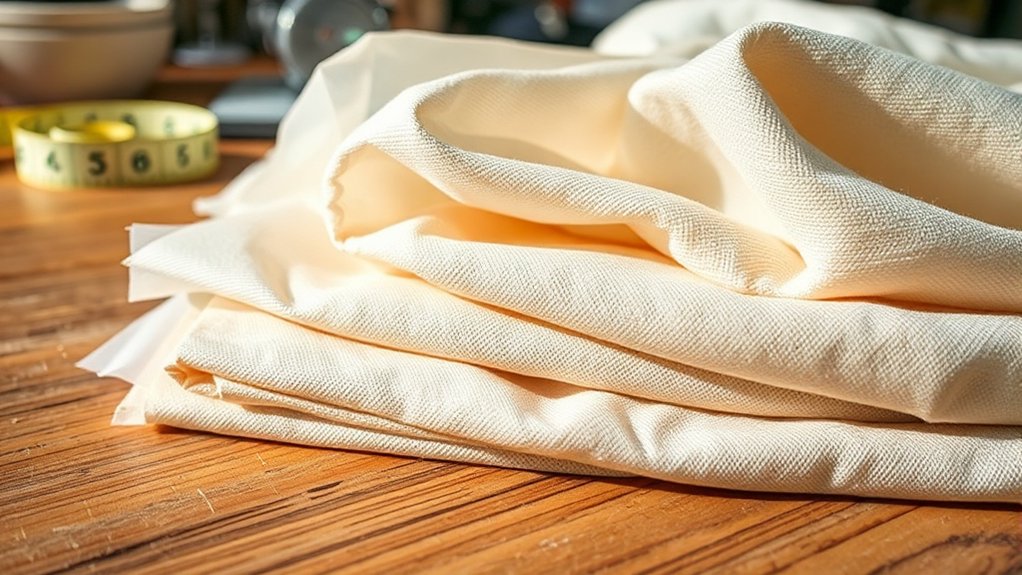
Fabric weight should match how you plan to use the textile because lighter and heavier fabrics perform very differently in real projects. For shirts, curtains, and drapery, you’ll usually want a lighter weight that moves easily and hangs cleanly.
For upholstery, bags, or structured garments, choose a heavier fabric that keeps its shape and handles strain better. If you’re layering pieces, test how the fabric behaves with other materials first. Smart fabric layering techniques depend on balance, not bulk.
You should also think about seasonal fabric considerations since a breathable lighter textile can feel comfortable in warm months while a denser weight often works better when you want warmth or coverage. Always hold the fabric up, feel its drape, and imagine how it’ll perform in the finished item.
That quick check helps you avoid surprises and choose a textile that fits the job.
Compare Natural and Synthetic Fibers
You’ll notice natural fibers come from plants or animals, while synthetic fibers are made by people using chemicals and technology. Each type behaves differently when it comes to wear, breathability, and how you care for them. So, it’s a good idea to think about performance and durability based on what you need for your project.
Also, don’t forget to consider cost and sustainability. Comparing these factors will help you pick the best option that fits your needs and values.
Fiber Source Differences
When you compare natural and synthetic fibers, you’re really weighing comfort, performance, cost, and upkeep. You’ll notice cotton varieties feel airy and familiar, while wool types add warmth and a softer drape.
Synthetic blends often give you more consistent results, and they can support eco friendly options when recycled content matters. Pay attention to texture differences, since some fabrics feel crisp, others plush or slick.
You should also consider fabric finishes, because they can alter hand feel and appearance without changing the base fiber. Dye processes matter too; natural fibers often take color differently than synthetics, affecting shade depth and pattern clarity.
If you want activewear or layering pieces, look for moisture wicking properties that help manage comfort without sacrificing style.
Performance And Durability
Performance often becomes the deciding factor once a project leaves the sketch stage, because different fibers age in very different ways.
You’ll notice natural fibers like cotton, wool, and linen breathe well and feel comfortable, but they can wrinkle, shrink, or weaken faster under heavy use.
Synthetic fibers such as polyester, nylon, and acrylic usually resist abrasion, hold shape, and dry quickly, so they often suit high-traffic settings.
If you need softness and texture, choose naturals; if you need toughness and easy fabric maintenance, synthetics may fit better.
Always review performance testing data for pilling, tear strength, and colorfastness before you decide.
The best choice depends on how much wear, washing, and handling your project will face.
Cost And Sustainability
Cost and sustainability often shape the final choice just as much as appearance or feel. When you compare natural and synthetic fibers, you’ll notice that naturals like cotton, wool, and linen can offer comfort and biodegradability, but they may need more water, land, or animal resources.
Synthetics often cost less upfront, resist wear, and suit tight budget considerations, yet they can rely on petroleum and shed microplastics. You can lower impact by choosing recycled synthetics, organic naturals, or blends that balance price and responsibility.
Check certifications, production methods, and care needs before you buy. If you want eco friendly options, focus on materials that last, clean easily, and match your project’s use without creating unnecessary waste.
Pick Textures and Drape That Fit
Texture and drape shape how a fabric looks, feels, and moves, so you should choose them based on the job it needs to do. If you want structure, pick firmer textures and controlled drape types that hold clean lines.
Texture and drape should match the job: firm for structure, supple for soft, flowing movement.
For soft window panels or flowing garments, choose supple fabrics that fall naturally and create gentle movement. You can also use texture variations to add interest: smooth surfaces feel sleek, while nubby or brushed finishes add warmth and depth.
Think about how the fabric will sit on the body, hang from a seam, or cover a form. Test a small sample by pinning, folding, and letting it hang, so you can see how it behaves in real space.
Matching texture and drape to your design goals helps you avoid surprises and gives your project the look you want.
Check Care Requirements Before You Buy
Before you buy, check how the fabric needs to be cleaned, dried, and pressed so you know it fits your routine and your project. Read the care label closely so you understand fabric care before you commit.
If you’ll wash the item often, look for clear washing instructions that match your machine, water temperature, and detergent habits. Also compare drying methods, since some textiles shrink, warp, or lose shape in a dryer, while others need air drying or flat drying.
For projects that face spills or heavy use, consider stain resistance, but don’t assume it replaces proper cleaning. Review maintenance recommendations for ironing, steaming, and special treatments so you can keep the finished piece looking right.
When the care demands suit your schedule, you’ll protect fabric longevity and avoid frustration later.
Balance Fabric Quality and Price
A smart fabric choice means weighing what you pay against how well the material will hold up. You don’t need the most expensive option, but you do need fabric that matches your project’s demands. Compare fiber content, weave, weight, and finish to judge whether a lower price hides weak performance.
For high-use items, spending more can save you from early wear, sagging, or frequent replacement. If you’re sourcing materials for a large order, ask suppliers about fabric sourcing options that fit your budget without sacrificing consistency.
Use samples, spec sheets, and clear cost comparisons to spot real value. During price negotiations, focus on quality metrics, not just discounts. A cheaper bolt only helps if it still meets your standards for strength, comfort, and durability.
When you balance cost and quality carefully, you make a smarter purchase and keep your project on track, on budget, and built to last.
Test Color and Pattern in Natural Light
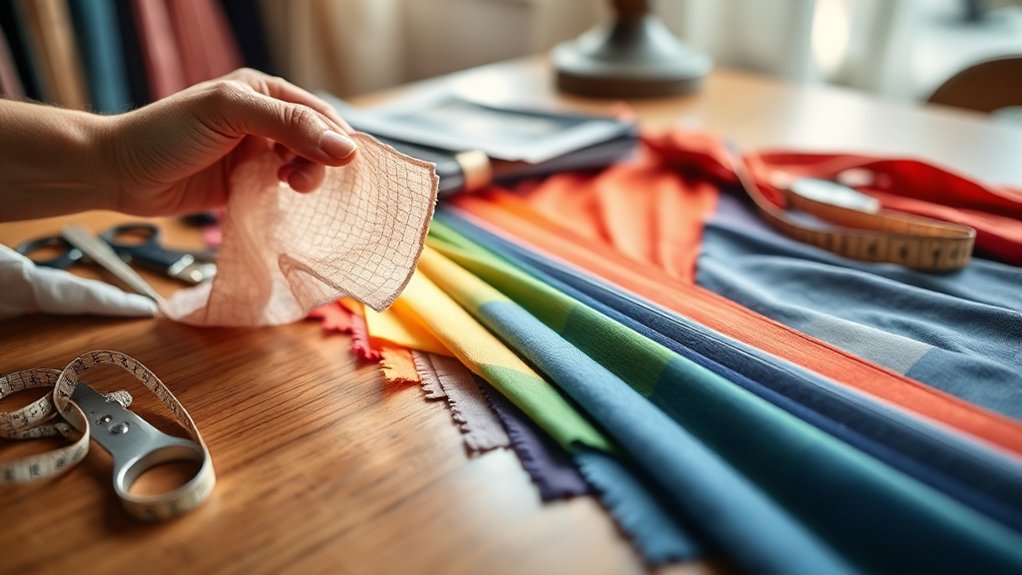
Take fabric samples outside and compare them in natural light. Indoor lighting can really change how colors actually look. You might notice that some shades appear warmer, cooler, or even brighter once the sun hits them.
It’s also a good idea to check the pattern while you’re at it. The contrast and scale can shift when you see it outdoors, so don’t skip this step!
Natural Light Comparison
Natural light tells the truth about fabric in a way store lighting often can’t. When you compare swatches near a window, you see how light intensity changes the fabric’s appearance throughout the day.
A bright morning may make a hue look crisp, while softer afternoon light can mellow it. You should also notice color temperature, since cool daylight can sharpen blues and greens, while warmer sun can deepen reds and golds.
Hold each textile beside your wall paint, flooring, or furniture, and check whether the tones still work together. If a color seems off or a pattern feels too busy in daylight, trust that reaction.
You’re choosing something you’ll live with, so let natural light guide a confident, lasting decision.
Pattern Shifts Outdoors
Step outside with your swatches, because patterns can change dramatically in open daylight. Hold fabric against walls, plants, and paving to see how each print affects outdoor aesthetics. Bright sun can sharpen contrast, while shade softens edges and reveals hidden tones.
You’ll notice seasonal patterns too: summer light may wash out delicate motifs, and autumn hues can deepen rich repeats.
| Setting | Pattern effect |
|---|---|
| Full sun | Crisp, high-contrast |
| Partial shade | Softer, balanced |
| Near greenery | Cooler color cast |
| At dusk | Muted, atmospheric |
Walk around the space and compare views from a distance and up close. If the design still feels clear, lively, and cohesive outdoors, it’s ready for your project.
Choose the Right Fabric for Sewing Projects
Choosing the right fabric can make or break a sewing project, so start by matching the material to the garment or item you want to create. You’ll get the best results when you compare fabric types with your pattern’s shape, drape, and structure.
Cotton works well for crisp shirts and easy quilts, while knit fabrics suit stretchy tees and leggings. Linen gives you a breathable, relaxed finish, and denim adds strength for bags or jackets. If you want flowing dresses, choose rayon or lightweight silk.
You should also think about sewing techniques, because some fabrics need more control than others. Smooth woven fabrics handle straight seams easily, while slippery or thick materials may need sharper needles, slower stitching, and careful pressing.
Test a swatch before you cut, then adjust your seam allowance and thread choice as needed. When you pair the fabric with the right design, your project feels easier and looks polished from the start.
Avoid Common Fabric Selection Mistakes
Even with the right pattern in hand, fabric mistakes can still throw off your results, so it helps to spot the common pitfalls early. You’ll save time when you match fabric types to the project’s drape, stretch, and durability instead of chasing a pretty print. Don’t rely on common misconceptions, like assuming every cotton behaves the same or that heavier always means better.
Test a swatch first, since shrinkage, texture, and color bleed can change the final fit and finish. You should also check care instructions before you buy, because a beautiful textile can become a maintenance headache later.
Compare weave, weight, and fiber content before you commit. Handle samples in natural light to judge color and sheen. Wash or steam-test small cuts to see how they react.
When you verify details early, you avoid costly rework and choose textiles that perform as well as they look.
Frequently Asked Questions
How Do I Estimate the Amount of Textile Needed?
You estimate textile by measuring your pattern pieces, then adding seam allowances, hems, and any extra for matching prints or errors.
For project planning, lay out each piece on the fabric width and total the lengths to get accurate fabric yardage. If you’re unsure, buy a little more than the minimum so you don’t run short.
A fabric calculator or simple sketch can also help you estimate faster and avoid waste.
What Tools Help Evaluate Fabric Quality in Person?
Use your hands, eyes, and a simple ruler to judge fabric quality in person. “The proof is in the pudding,” so feel for drape, check fabric weight, and inspect weave consistency.
You can use a magnifier for texture analysis, a light box for transparency, and a burn test only when permitted. Don’t forget a moisture meter and seam ripper to spot hidden flaws before you buy.
How Can I Tell if a Fabric Will Shrink?
You can tell by checking the fiber content and doing pre-wash testing. If the label shows cotton, linen, rayon, or wool, expect more shrinkage than polyester or nylon.
Wash a small swatch the way you’ll care for the final piece, then measure before and after. If it puckers, tightens, or shortens, you’ve got shrink risk. Pre-shrunk fabrics can still move a little, so test them too.
Which Textiles Are Best for Mixing With Existing Materials?
Natural partners work best when you mix textiles. You’ll want fabrics with similar drape or weight, then add complementary colors and texture contrasts for interest.
Cotton pairs well with linen, wool blends, and denim; silk mixes nicely with velvet or satin; and leather offsets knits or canvas. As the saying goes, opposites attract, but balance keeps the look cohesive.
Test swatches together before you commit, and you’ll avoid clashes.
How Do I Store Textiles Before Starting a Project?
You should store textiles in a cool, dry, dark place, and keep them clean, folded loosely, or rolled on acid-free tubes to prevent creases. Use breathable cotton bags or archival boxes, and add labels for easy fabric organization.
Avoid plastic bins if moisture might build up, and never expose them to sunlight. Good textile preservation starts before your project, so inspect each piece regularly for pests, dust, or damage.
Conclusion
When you choose textiles, keep your project’s purpose, performance, and personality in mind. Pick sturdy fabrics for heavy use, the right weight for the job, and fibers that fit your feel and function.
Check color in natural light, and test texture before you buy. You’ll make smarter selections when you match material to method.
With a little planning and a keen eye, you can create confident, cohesive, and compelling results every time by choosing the right textiles for your project.