What Is Upholstery?
Struggling to find furniture that’s both comfortable and stylish can be frustrating—you’re not alone. Many people wrestle with choosing the right upholstery that balances durability, support, and look.
Luckily, understanding what upholstery really is can make this task a lot easier. What Is Upholstery.
Upholstery is the fabric, padding, and support system that covers your furniture and gives it comfort, durability, and style. You’ll find it on sofas, chairs, dining seats, and more, where it can soften hard frames and improve how a piece looks and feels.
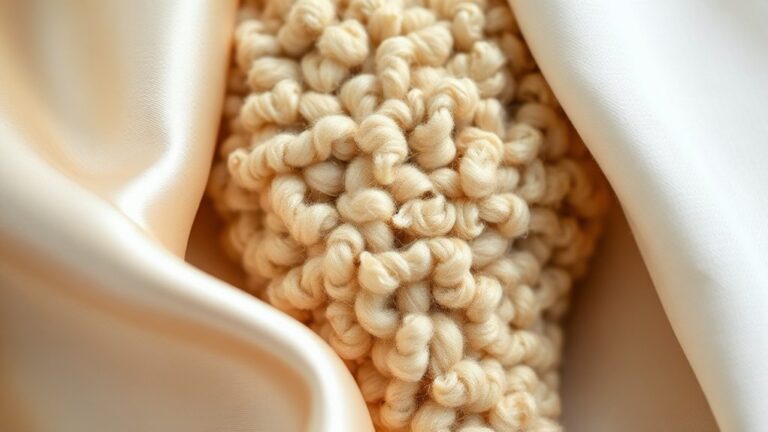
It may use materials like foam, down, leather, or microfiber.
If you keep exploring, you’ll learn how different fabrics, fills, and care choices change comfort, support, and lifespan.
Key Takeaways
- Upholstery is the craft of covering furniture with fabric, padding, and springs to improve comfort and appearance.
- It can refresh, repair, or completely change the style of sofas, chairs, and other furniture.
- Common upholstery materials include cotton, linen, wool, leather, and microfiber.
- Filling options like foam, down, feather, and latex affect firmness, support, and durability.
- Good upholstery balances comfort, style, maintenance, and long-term wear resistance.
What Is Upholstery?
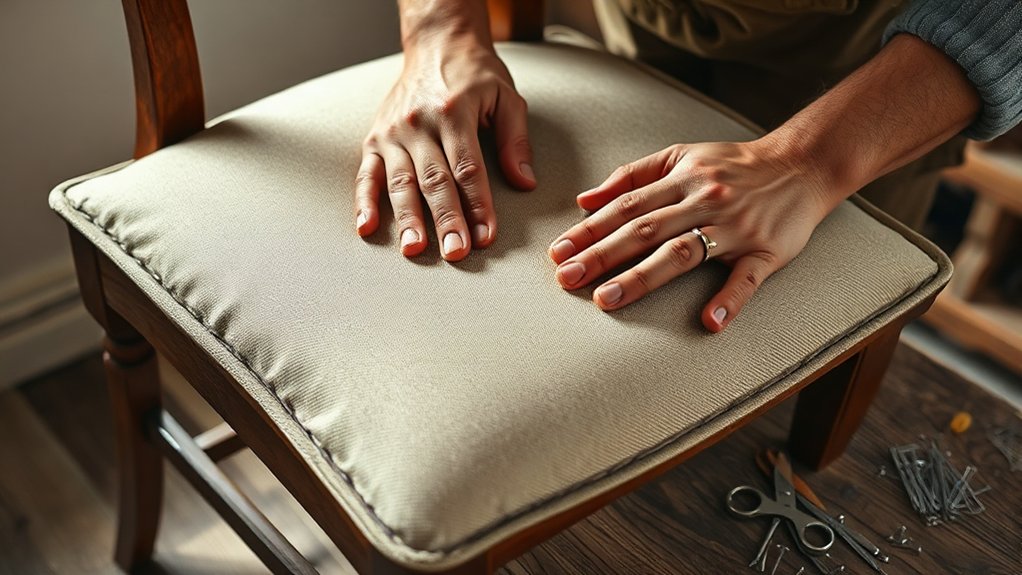
Upholstery is the craft of covering furniture with fabric, padding, springs, and other materials to make it more comfortable, durable, and attractive. When you look at a chair or sofa, you’re seeing both function and design working together.
You can use upholstery to refresh worn pieces, change their style, or restore their original feel. The work involves shaping, securing, and finishing surfaces so furniture supports you well and looks polished.
Throughout upholstery history, craftspeople refined these skills to meet changing tastes and seating needs. Today, upholstery techniques range from hand-tied methods to modern machine-assisted approaches, but each one aims to improve comfort and appearance.
If you understand the basics, you can better judge quality, maintain your furniture, and decide when a piece deserves repair. Upholstery matters because it turns a simple frame into something practical, inviting, and long-lasting for your home.
Upholstery Materials and Filling Options
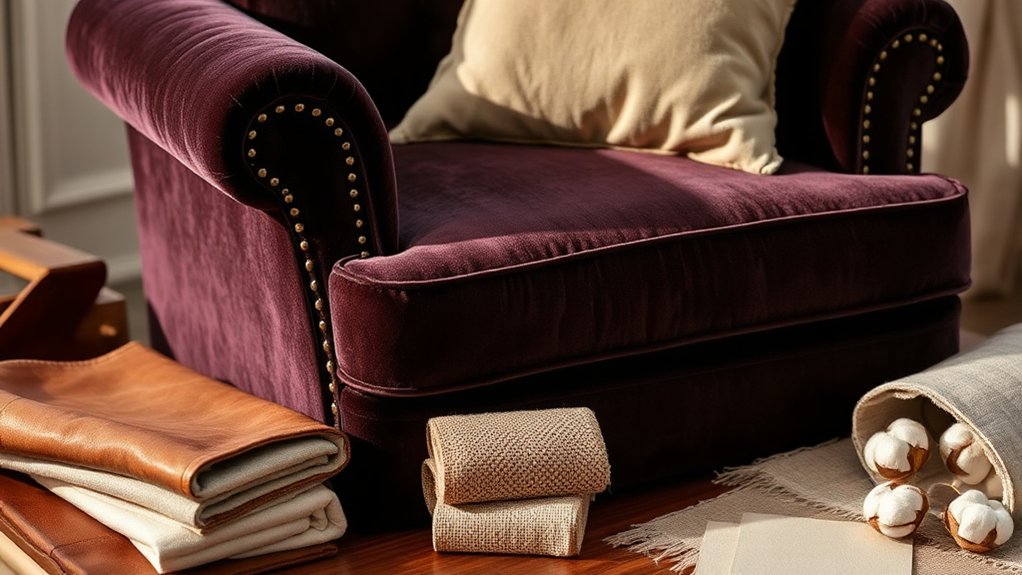
The materials inside and around a piece of furniture shape how it feels, wears, and looks over time. You’ll notice that the frame support, padding, and stuffing all affect comfort and durability, so choosing wisely matters. When you compare filling types, think about how you use the piece every day.
- Foam gives firm support and holds shape well, making it a solid choice for busy rooms.
- Down or feather fills feel soft and inviting, but they need regular fluffing to stay even.
- Sustainable materials like natural latex, wool, or recycled fibers can reduce environmental impact while still offering comfort.
You should also check density, resilience, and breathability since these traits influence how long the cushioning lasts. Good upholstery materials don’t just feel nice at first; they keep performing after years of use. If you want a piece that suits your lifestyle, match the filling to your comfort goals and maintenance habits.
Common Types of Upholstery Fabric
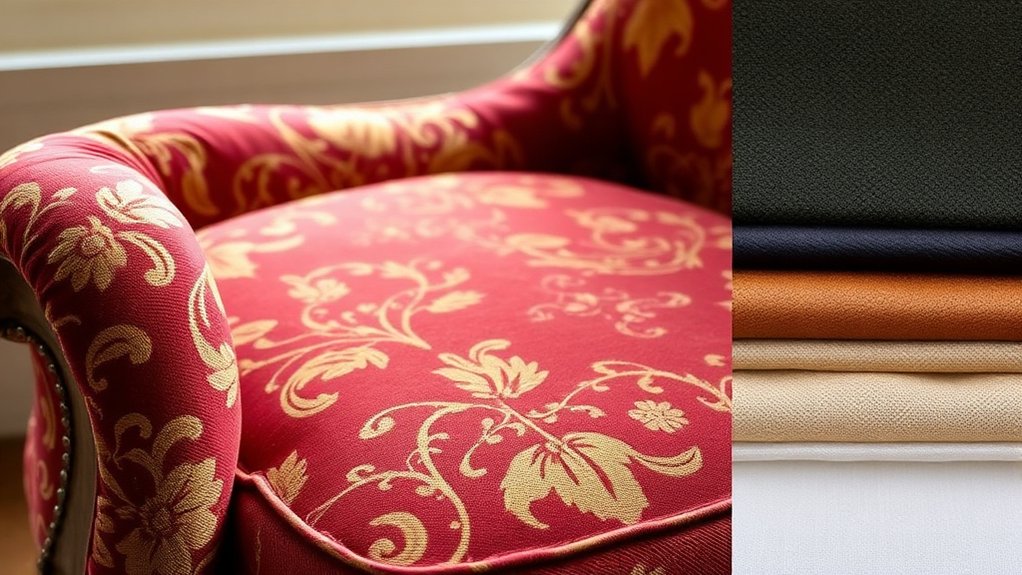
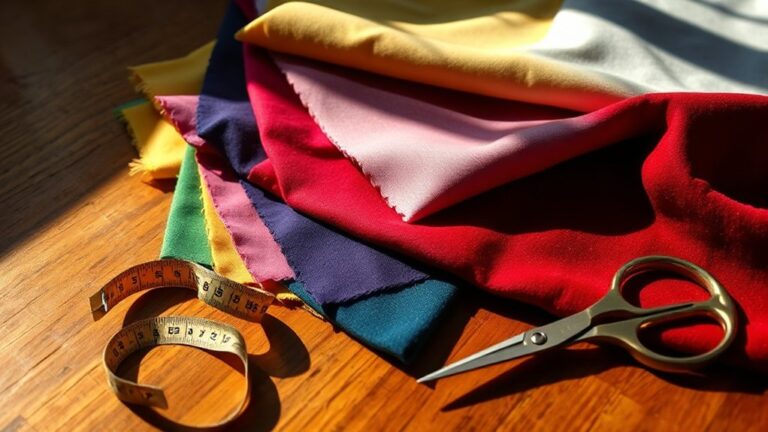
Fabric choice sets the tone for both style and performance in upholstered furniture. You’ll often compare cotton, linen, wool, leather, and microfiber when you shop, since each one suits different upholstery trends and budgets.
Cotton feels approachable and comes in many weaves, while linen gives you a crisp, relaxed look. Wool adds texture and resilience, and leather brings a classic, polished finish. Microfiber offers a soft touch and easy care. Use this quick guide:
| Fabric | Best For | Notes |
|---|---|---|
| Cotton | Casual spaces | Breathable, versatile |
| Linen | Light, tailored looks | Wrinkles easily |
| Wool | Busy rooms | Durable, warm |
| Leather | High-end style | Ages beautifully |
| Microfiber | Everyday use | Simple to clean |
When you make fabric comparisons, think about pattern, color, and upkeep too. The right choice helps you match your room’s style without sacrificing practicality.
How Upholstery Affects Comfort and Support
Comfort starts beneath the surface, where upholstery shapes how a chair or sofa feels when you sit down. You notice comfort through cushioning, spring response, and the way fabric or padding distributes pressure across your body.
Comfort begins beneath the surface, where cushioning and support quietly shape every seat you take.
A softer build can ease tension, but if it compresses too quickly, you’ll sink and lose balance. Firmer construction can keep you upright and reduce strain on your back and hips. During a comfort assessment, you should sit, shift, and stand to gauge how the piece responds over time.
- Cushion density affects how deeply you sink.
- Support layers help keep your posture aligned.
- Edge firmness changes how stable you feel.
A careful support analysis helps you choose upholstery that matches your daily use, body weight, and sitting habits. When the inner materials work together, you get a seat that feels welcoming without sacrificing structure.
Upholstery Styles for Different Furniture
Upholstery styles vary by furniture type because each piece needs a different balance of appearance, support, and durability. You’ll usually choose plush, tailored fabrics for sofas since they take the most daily use and set the room’s tone.
On chairs, especially dining or accent chairs, you can be bolder with colors, textures, and modern patterns that add character without overwhelming the space. For ottomans and benches, durability matters, but you can still play with contrast stitching or clean lines.
Headboards often lean decorative, so you can use softer materials and vintage influences to create a classic look. Recliners and sectionals need upholstery that moves well and stays comfortable, while formal pieces may benefit from structured seams and refined finishes.
When you match the style to the furniture’s purpose, you’ll get a cohesive, practical look that feels intentional and suits your home.
Signs Your Upholstery Needs Replacing
How do you know when it’s time to replace your upholstery? You’ll usually see clear warning signs before your furniture gives out. Fading, sagging cushions, and torn fabric all suggest your piece has passed its prime.
If stains won’t lift or odors linger after cleaning, the material may no longer serve you well. Watch for frayed seams, exposed padding, or springs that press through, since these issues can affect comfort and appearance. As your furniture ages, the furniture lifespan naturally shortens, especially with heavy daily use.
- The fabric looks worn, thin, or shiny.
- Cushions no longer hold shape or support.
- The style feels outdated compared with current upholstery trends.
When these problems stack up, replacing the upholstery can restore comfort and give your room a fresh, updated look without guessing at the next step.
Reupholster or Replace Furniture
When your furniture starts looking tired, you’ll need to decide whether reupholstering or replacing makes more sense. Compare the age, frame quality, and sentimental value before you spend. Reupholster benefits often shine when you love the shape, want to keep a sturdy piece, or need a custom refresh. Replace costs can make sense when the frame’s weak, repairs pile up, or the style no longer fits your space.
| Option | Best for |
|---|---|
| Reupholster | Solid frames, heirloom pieces |
| Replace | Broken structures, outdated designs |
You should also think about time and disruption. Reupholstery can take longer, but it lets you preserve a favorite item. Replacing may be faster, yet you might lose craftsmanship and pay more for quality. If your furniture works well structurally, reupholstering usually gives you better value. If it’s damaged beyond repair, replacing saves you from sinking money into a failing piece.
How to Choose Upholstery Fabric
When you’re picking out upholstery fabric, it’s a good idea to start by thinking about durability—especially if the piece will get daily use. After all, you want something that can stand up to wear and tear without looking tired too quickly.
At the same time, you’ll want a look and texture that really fit your style and feel comfortable in your space. It’s all about finding that perfect balance between strength and the design you want. That way, your furniture not only lasts but also looks great.
Fabric Durability
Fabric durability matters because upholstery takes daily wear from sitting, spills, pets, and sunlight. You should check fabric testing results before you buy because they show how well a material stands up to repeated use. Look for strong wear resistance, especially if your furniture gets heavy daily traffic.
- Choose tighter weaves since they usually handle friction better.
- Compare abrasion ratings to see how long the fabric may last.
- Test samples at home so you can judge how they react to light, moisture, and cleaning.
You’ll also want a fabric that keeps its strength after routine maintenance. If you live with kids or pets, prioritize performance over short-term savings. A durable fabric can protect your furniture, reduce replacement costs, and help your upholstery stay useful longer.
Style And Texture
Beyond durability, the fabric you choose should also fit the room’s look and feel. You can use texture to soften a sleek space or add structure to a casual one. Smooth weaves, velvets, and linens each create a different mood, so think about how you want the furniture to read from across the room and up close.
Choose color combinations that support your walls, rugs, and art instead of competing with them. If you like bold style, try pattern mixing with care: vary scale, repeat one shared color, and balance busy prints with solids.
You should also consider how the fabric feels under touch, since comfort affects daily use. When style and texture work together, your upholstery looks intentional and polished.
Basic Upholstery Care and Cleaning
Keeping upholstery clean starts with simple, regular care that prevents dirt from settling deep into the fibers. Vacuum your furniture weekly with a soft brush attachment, and spot-clean spills right away so stains don’t set. Check the care tag before you use any solution, because different fabrics need different treatment.
These upholstery maintenance tips help you protect texture and color without overworking the material.
- Brush crumbs and dust from seams, arms, and cushions.
- Test upholstery cleaning products on a hidden area first.
- Blot stains gently with a clean cloth, then let the fabric air-dry.
You should also rotate cushions to reduce uneven wear and keep the surface looking fresh. Avoid soaking the fabric, since too much moisture can leave marks or odors.
With steady attention and the right products, you’ll extend your upholstery’s life and keep it looking clean, comfortable, and inviting for years to come.
Where Upholstery Matters Most
Upholstery matters most anywhere comfort, durability, and appearance all work together. This is especially true on sofas, chairs, dining seats, office furniture, and car interiors. You feel its value each time you sit, lean, or relax because the right fabric and padding shape daily comfort and long-term wear.
| Space | Why it matters | What to look for |
|---|---|---|
| Living room | Frequent use | Strong, soft, stylish fabric |
| Dining area | Spills and movement | Stain resistance and easy cleaning |
| Office | Daily support | Firm cushioning and durable seams |
| Vehicle | Constant friction | Tough materials and secure fit |
| Bedroom | Quiet comfort | Warm textures and gentle support |
Upholstery trends often highlight richer textures, slimmer profiles, and eco-friendly upholstery choices that reduce waste without sacrificing style. When you choose wisely, you protect your investment and improve how every room feels.
Frequently Asked Questions
What Tools Are Needed for Basic Upholstery Work?
You’ll need a staple gun, fabric selection, scissors, a staple remover, needle-nose pliers, upholstery needles, heavy-duty thread, a rubber mallet, measuring tape, and a fabric marker for basic upholstery work.
You should also keep batting, foam, and webbing on hand if you’re replacing padding or support. Start with sturdy tools that help you cut, secure, and adjust materials cleanly, so you can work efficiently and get professional-looking results.
How Long Does Upholstery Usually Last?
You can expect upholstery to last a lifetime or barely a blink, depending on use, material, and care. With strong upholstery durability and steady fabric maintenance, your chairs and sofas might look great for 10 to 20 years or more.
If you skip cleaning, sun protection, and repairs, wear shows fast. You’ll stretch its life by rotating cushions, vacuuming regularly, and fixing small tears before they become costly disasters.
Can Upholstery Reduce Allergens in Furniture?
Yes, upholstery can help reduce allergens in your furniture when you choose the right materials and maintain them well. You can improve allergen reduction with tightly woven fabrics, leather, and performance textiles that trap less dust and pet dander.
You should also vacuum regularly and use removable covers. Smart fabric choices won’t eliminate allergens completely, but they’ll make your space cleaner, fresher, and easier for you to manage every day.
Is Professional Upholstery Worth the Cost?
Yes, professional upholstery’s often worth the cost if you want lasting value. You’ll pay more upfront, but a cost comparison usually shows you save by keeping a sturdy frame and using quality materials.
You’ll get better fit, stronger stitching, and a custom look that mass-produced furniture can’t match. If your piece is well built or sentimental, professional work can extend its life and boost comfort greatly.
What Should You Ask Before Hiring an Upholsterer?
Ask about their experience, fabric types, project timelines, pricing, and whether they’ll inspect your piece before quoting. You should also ask what padding, springs, and frame repairs they’d recommend, plus how they handle stains or custom details.
Like a Renaissance patron commissioning a masterpiece, you’ll want clear communication from the start. Don’t forget to request references, see past work, and confirm pickup, delivery, and warranty terms before you commit.
Conclusion
Upholstery isn’t just a cover; it’s the soul of your furniture. You choose the fabric, filling, and style, and suddenly a plain chair can feel like a royal throne or a cloud from heaven.
When you pick wisely, your furniture doesn’t just look better; it supports you, comforts you, and lasts longer. Care for it well, and it’ll repay you every day with style, strength, and comfort that feels almost magical.
That’s why understanding what is upholstery is so important—it transforms your furniture into something truly special.