What Is on a Fashion Material List?
Struggling to keep track of everything you need to create a garment? You’re not alone. Many people find it overwhelming to organize all the materials, trims, and details required for fashion projects.
That’s why having a clear fashion material list can be a total game changer.
A fashion material list tells you what you need to make a garment, so you can plan, cost, and source accurately. You’ll usually include the main fabric, lining, interfacing, trims, buttons, zippers, thread, labels, and sewing notions.
You may also note colorways, size ranges, and any finishes or treatments. A clear list helps you avoid mistakes, track quantities, and keep production organized.
Keep going, and you’ll see how each piece fits together.
Key Takeaways
- A fashion material list includes all fabrics, linings, trims, buttons, zippers, thread, and sewing notions needed for a garment. It specifies material types, colors, weights, and quantities to guide sourcing and production planning.
- It may list support materials like interfacing, labels, hang tags, and other branding or care components.
- It often includes colorways and size ranges to keep production consistent across styles and variations.
- A strong material list helps estimate costs, reduce errors, support sustainability, and improve communication with factories.
What Is a Fashion Material List
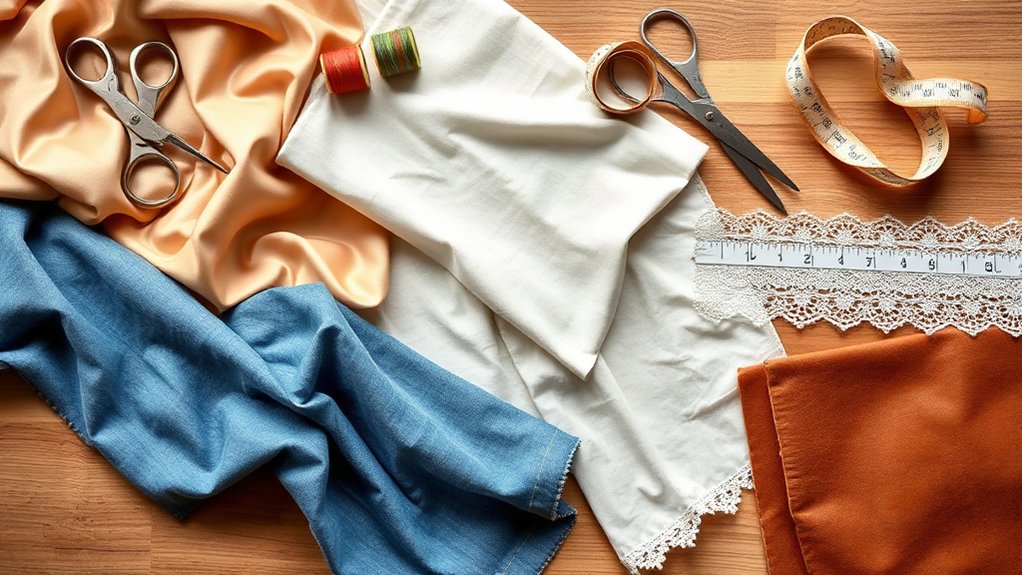
A fashion material list is your go-to guide for every fabric, trim, and component a design needs. You use it to plan production, track quantities, and keep every detail aligned before you cut or sew. It turns your concept into a clear checklist, so you can estimate costs, order accurately, and avoid delays.
When you build one, you also make room for sustainable materials and ethical sourcing, which helps you choose options that support your brand values and reduce waste. You’ll usually note item names, color, finish, supplier, and required amounts, plus any special care instructions or quality standards.
With that information in one place, you can communicate better with your team, compare options faster, and spot problems early. In short, a material list keeps your workflow organized and your design process efficient from start to finish.
Main Fabrics to Include
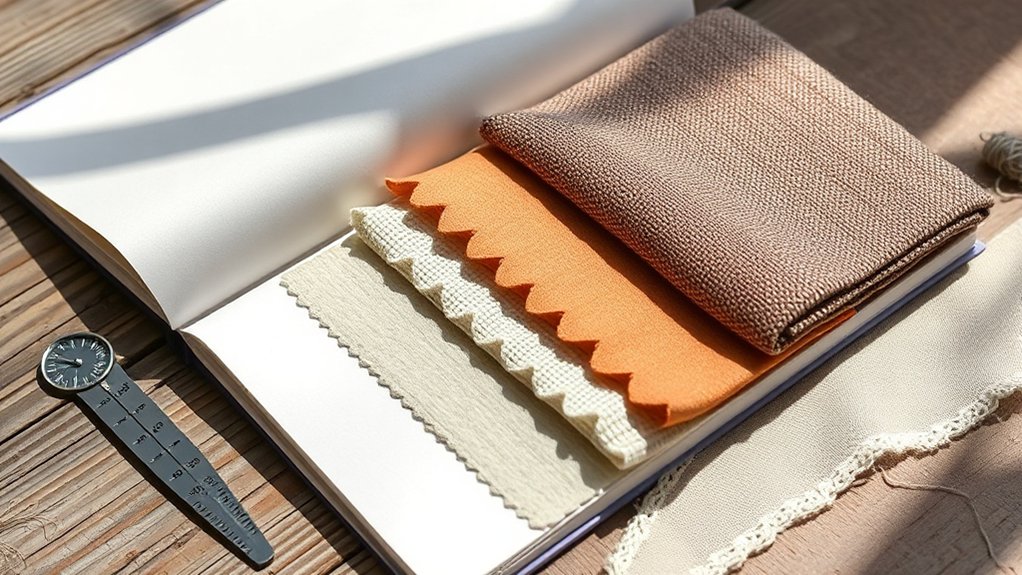
You should include common natural fibers like cotton, wool, silk, and linen because they bring comfort, breathability, and versatility. These fabrics are great for everyday wear and feel good against the skin.
You’ll also want popular synthetic fabrics such as polyester, nylon, and spandex. They add durability, stretch, and are super easy to care for, which makes them perfect for busy lifestyles.
And if you’re thinking about activewear or technical pieces, specialty performance textiles are a smart choice. They offer moisture control, weather resistance, and extra functionality that really come in handy during workouts or outdoor activities.
Common Natural Fibers
Natural fibers form the backbone of many wardrobes because they’re breathable, comfortable, and often more durable than they first seem. When you build a fashion material list, you’ll usually reach for these staples first:
- organic cotton for soft tees and shirts
- bamboo fabric for smooth, drapey basics
- linen blends for cool summer pieces
- hemp textiles for sturdy, low-impact layers
- wool varieties for warmth and structure
You can also consider silk alternatives, Tencel options, cashmere blends, jute uses, and ramie properties when you want texture or seasonal versatility. Each fiber brings a distinct feel, so you can match fabric choice to fit, drape, and care needs.
Focus on quality, and your garments’ll wear better, last longer, and feel more natural against your skin.
Popular Synthetic Fabrics
Synthetic fabrics earn their place in a fashion material list because they add stretch, durability, moisture management, and easy care where natural fibers can’t always deliver. You’ll often see polyester, nylon, acrylic, and spandex listed because each fills a practical role.
Polyester resists wrinkles and holds color, nylon brings strength and a smooth hand, acrylic imitates wool at a lower cost, and spandex gives garments movement and recovery. In fashion trends, these fibers help you create sleek silhouettes, layered looks, and affordable basics that stay consistent in production.
If fabric sustainability matters to you, look for recycled versions and responsible blends, since synthetic choices can reduce waste when you buy and care for them wisely.
Specialty Performance Textiles
When a fashion material list needs fabrics that do more than look good, specialty performance textiles step in with technical features that support fit, comfort, and function. You can choose them when you need moisture management, stretch recovery, UV resistance, and durability in one package. These textile innovations help you build garments that move well and hold up under pressure.
- Athletic knits for breathability
- Softshells for weather protection
- Compression fabrics for support
- Antimicrobial blends for freshness
- Reflective textiles for visibility
You’ll notice each option adds clear performance attributes without sacrificing style. Use them for outerwear, activewear, uniforms, and travel pieces. When you match the right fabric to the job, your collection performs better and feels better too.
Linings and Support Materials
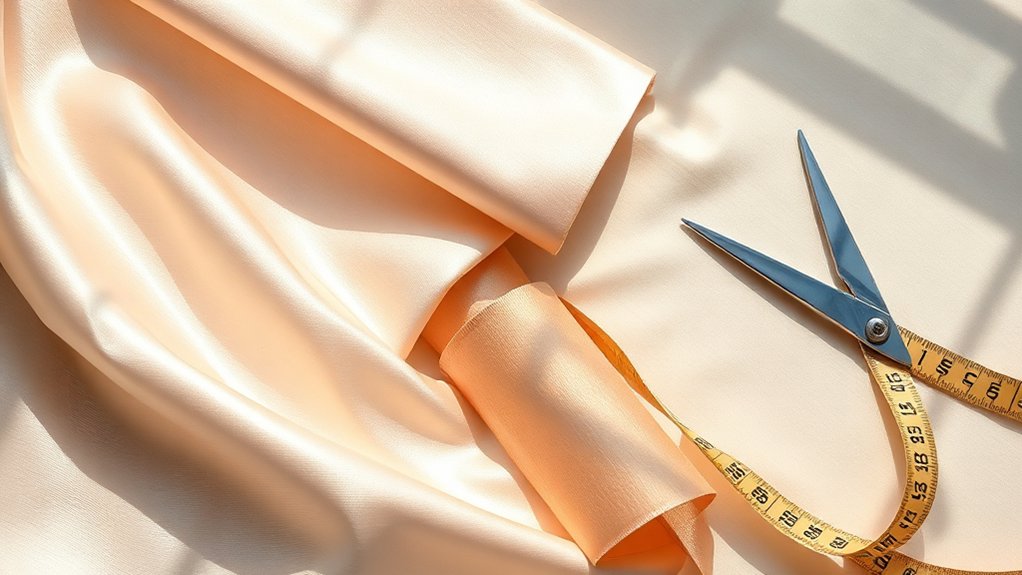
You’ll want to pick lining fabrics that feel smooth and breathe well. It’s important they work nicely with your main fabric too. Interfacing is great for adding shape and strength where it’s needed most—like collars, cuffs, and waistbands. When you use these support materials together, they really help your garment fit better and keep its structure in place.
Lining Fabric Choices
Lining fabric choices shape how a garment feels, drapes, and lasts, so picking the right one matters as much as choosing the outer fabric. You’ll want options that match your project’s use, climate, and care needs. Silk linings add a smooth hand, cotton blends give comfort, and polyester options handle wear well.
If you’re aiming for sustainable choices, look for certified fibers or recycled blends. Breathable materials help keep jackets and dresses comfortable, while quilted fabrics can add a cozy feel in cooler pieces.
- Silk linings feel luxurious
- Cotton blends stay soft
- Polyester options resist wrinkles
- Sustainable choices reduce impact
- Breathable materials improve comfort
Interfacing And Support
Although linings set the feel inside a garment, interfacing and support materials control its shape, structure, and durability. You use them to reinforce collars, cuffs, waistbands, plackets, and facings so your design holds up through wear and washing.
When you compare interfacing types, choose woven, nonwoven, or knit based on drape, stretch, and firmness. Pick support fabrics when you need extra body in tailored pieces, bags, or decorative shapes.
Your adhesive options include fusible layers for fast application and sew-in versions for more control and less heat risk. Apply stability techniques like edge stitching, stay tape, and careful grain alignment to prevent distortion.
If you match the right support to the fabric, you’ll improve fit, crispness, and long-term performance without adding unnecessary bulk.
Trims, Buttons, and Zippers
Trims, buttons, and zippers are the small details that hold a garment together in both function and style. You’ll choose trims types to frame edges, shape hems, and add personality without overwhelming the design.
When you compare button materials, think about weight, finish, and how they match the fabric. Different zipper styles give you closure options for dresses, jackets, skirts, and pants, so the right one improves wear and appearance.
Decorative trims can create contrast, while functional buttons keep your piece secure and easy to use.
Use braid, ribbon, or lace for clean finishing. Pick metal, wood, or resin buttons for different looks. Match zipper length to garment opening.
Choose decorative trims that echo your fabric color. Check functional buttons for strength and comfort.
Thread and Sewing Notions
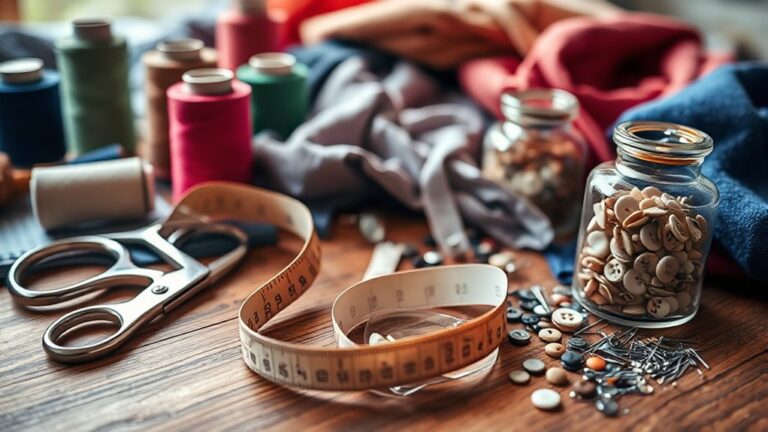
Thread and sewing notions seem small, but they make a big difference in how your garment looks and lasts. You choose thread types that match your fabric weight, stretch, and color so stitches blend in and hold up. Fine cotton works for delicate pieces, while polyester handles everyday wear.
Your sewing techniques also shape the result because the right needle, seam finish, and stitch length prevent puckering and breakage. Keep a simple notion kit nearby so you can sew with control.
| Notion | Use | Tip |
|---|---|---|
| Thread | Join seams | Match fiber and color |
| Needles | Pierce fabric cleanly | Swap often |
| Pins | Hold pieces in place | Use sharp tips |
You may also need seam ripper, tailor’s chalk, and bobbins to stay organized. These basics help you work faster, fix mistakes cleanly, and finish garments with a polished, professional touch.
Labels and Branding Details
Labels are the finishing touch that tell your garment’s story and make it feel complete. You use them to show who made the piece, guide care, and reinforce your branding strategies without crowding the design.
Labels complete a garment’s story, showing who made it, how to care for it, and reinforcing your brand.
Pick label types that match your product’s look and purpose, then place them where they stay visible and comfortable.
- Main brand label for identity
- Care label for washing guidance
- Size label for quick reference
- Content label for fiber details
- Hang tag for extra brand messaging
You can choose woven, printed, or heat-transfer labels depending on the fabric and finish you want. Keep your text clear, your logo sharp, and your stitching neat.
If you add a logo, slogan, or origin note, make sure it supports your brand voice. Strong labels help you build recognition, add polish, and give customers the details they need.
Colorways and Size Variations
You’ll want to pick colorways that really match your brand story and what your customers like. Then, think about a size range that hits your target market without making production too complicated. After that, make sure to grade each style carefully across all sizes so the fit stays consistent, whether it’s the smallest or the largest option.
Colorway Selection
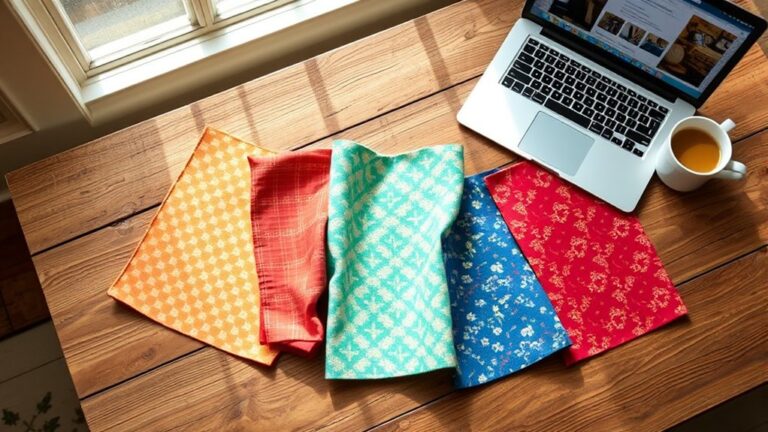
Choosing the right colorways and size variations helps you balance creative vision with practical production. You’ll want to choose colorways that reflect your brand story while staying aligned with color theory and seasonal trends.
Start by narrowing hues that flatter the fabric, printing method, and target customer. Then confirm which shades work together across your lineup so the collection feels cohesive, not crowded.
Pick anchor colors that define the range. Add one or two accent shades for freshness. Test swatches under natural and indoor light. Check dye consistency across fabric lots. Document each color code clearly for factories.
When you build your colorway list carefully, you reduce confusion, support cleaner sourcing, and keep your final assortment polished and sellable.
Size Range Planning
Once your colorways are set, map out the size range for each style so production matches your customer demand. You should define which sizes you’ll offer in each colorway, then note them clearly on the fashion material list.
Use your sales data, target market, and retailer feedback to decide whether a style needs a narrow or broad range. Include exact size specifications so everyone understands what each option includes.
Check fit considerations for every silhouette, because a body-skimming dress may need a different range than a relaxed shirt. If a style won’t perform comparably well across all sizes, limit the offering instead of forcing every variation.
Clear size planning helps you manage inventory, avoid unnecessary sampling, and keep your line focused on what your customers actually buy.
Grading Across Sizes
After you set the size range, grade each style so every colorway and size variation keeps the same fit, proportions, and design intent. You’ll map size adjustments across the base pattern, then confirm that seams, balances, and details scale cleanly.
Keep grading consistent for woven, knit, and stretch fabrics since fit variations can change with material behavior. Check hems, necklines, placements, and closures in every size and colorway before production.
Match grade rules to your measurement chart. Preserve ease, drape, and silhouette. Test sample sizes for proportion shifts. Review colorway-specific trims and placements. Update specs so factories follow one standard.
Garment Finishes and Treatments
Garment finishes and treatments shape how fabric looks, feels, and performs, turning a basic textile into a polished final piece. You’ll see details like washing, brushing, coating, and pressing listed so you know exactly how the garment should appear in production.
These notes help you choose effects that match the design, from a soft hand to a crisp sheen. When you compare options, consider sustainable practices and innovative techniques, because they can reduce waste while still creating strong visual impact.
| Finish | Effect |
|---|---|
| Enzyme wash | Softens and fades gently |
| DWR coating | Adds light water resistance |
| Brushed surface | Feels warm and plush |
| Heat press | Sharpens shape and shine |
You use these treatments to guide the final mood of the piece, whether you want casual ease or a refined look. Care labels and method notes also help you protect the fabric’s texture and color through finishing.
Why Material Lists Improve Production
Those finish notes only work well when they sit inside a clear material list, because the list tells production exactly what to source, cut, and apply. You speed up the supply chain, improve production efficiency, and reduce errors before they start.
With clear material sourcing, your team can compare options faster, support cost management, and keep schedules on track. You also make design collaboration smoother, since designers, developers, and factories can review the same details and solve issues early.
You cut confusion between departments. You support quality control at every step. You align orders with trend forecasting. You strengthen sustainability practices by choosing better inputs. And you avoid rework that hurts margins.
A strong material list gives you one reference point for decisions, so you spend less time fixing mistakes and more time making the product right.
Sample Fashion Material List
A simple sample fashion material list usually starts with the essentials: fabric, lining, trims, thread, and labels. You can build yours by naming each item, its supplier, color, and quantity, so your team knows exactly what to order.
A clear list also helps you compare prices, check lead times, and avoid last-minute substitutions.
| Item | Detail |
|---|---|
| Main fabric | Organic cotton, 180 gsm |
| Lining | Recycled polyester, lightweight |
| Trims | Zipper, buttons, elastic |
You should also note sustainable sourcing and fabric certifications because they prove your materials meet your standards. If you’re making a sample jacket, include interfacing, hang tags, and care labels too.
When you keep the list specific, you cut waste, speed approvals, and make production smoother from the first prototype onward.
Frequently Asked Questions
How Do I Choose Sustainable Materials for My Fashion Line?
You choose sustainable materials by setting clear goals, then comparing eco-friendly options for durability, comfort, and impact. Look for organic, recycled, or renewable fibers, and verify certifications like GOTS or FSC.
You should ask suppliers about fabric sourcing, water use, dyes, and labor practices. Test samples for quality and wear, then pick materials that match your brand values, budget, and design vision without sacrificing performance or style.
Who Is Responsible for Approving the Material List?
You’re usually responsible for approving the material list, but the final sign-off often comes from you, the brand owner, or your design and production team. If you work with a factory, sourcing manager, or technical designer, they may prepare it and route it through the approval process.
You should review each item, confirm material sourcing details, and approve the list only after it matches your quality, cost, and sustainability goals.
When Should the Material List Be Finalized?
You should finalize the material list before sourcing starts, like locking the blueprint before the walls rise. That way, you avoid costly changes and keep your production on track.
Build in time for sampling, approvals, and supplier lead times, because timeline considerations can shift fast. Once you’ve confirmed fabrics, trims, colors, and quantities, you can move ahead with material sourcing confidently and keep your design schedule steady.
Can I Update Materials After Production Starts?
Yes, you can update materials after production starts, but you’ll need to move fast and check costs, timing, and quality impacts. You should review any material modifications with your supplier immediately, since some changes can disrupt cutting, sourcing, or finishing.
Good production flexibility helps, but it’s limited once work begins. You’ll avoid delays if you confirm substitutions, approve samples, and track every revised component before the factory proceeds further.
How Are Supplier Costs Tracked on the Material List?
You track supplier costs by adding each vendor’s supplier pricing beside the matching material, then updating it whenever quotes change. You compare unit costs, minimum order fees, freight, and taxes so your cost analysis stays accurate.
You can log approved prices, note currencies, and record date changes to spot increases quickly. If you link the list to your budget, you’ll see total material spend before you place orders.
Conclusion
Now you know what belongs on a fashion material list, and you can see why it matters. You check the main fabrics, confirm the linings and trims, and verify the thread, finishes, and colorways.
You reduce mistakes, speed up production, and protect your design vision. With a clear material list, you stay organized, communicate clearly, and move from concept to finished garment with confidence.
In the end, a well-prepared fashion material list is key to bringing your creative ideas to life smoothly and successfully.